


What We Cover In The Journal
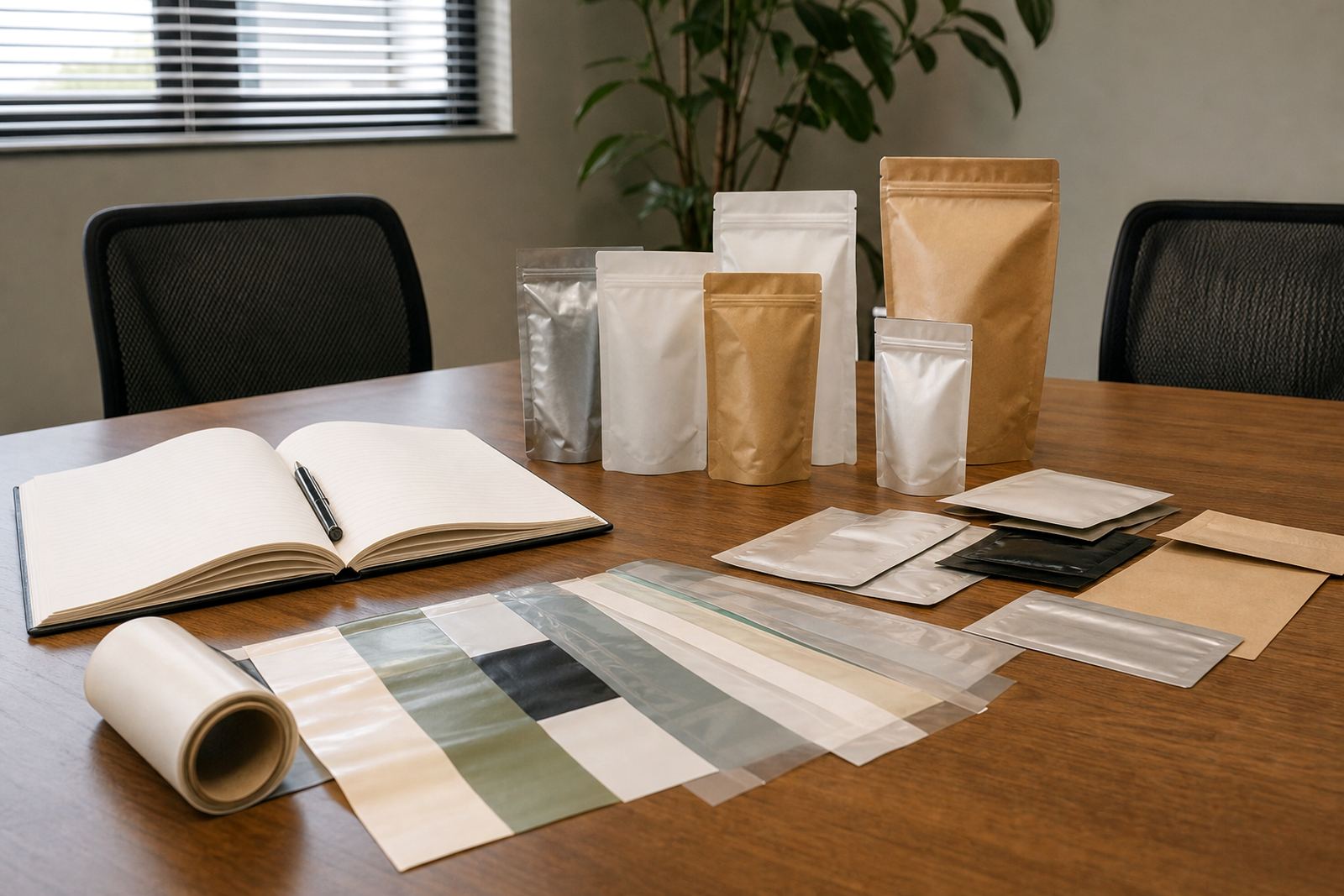
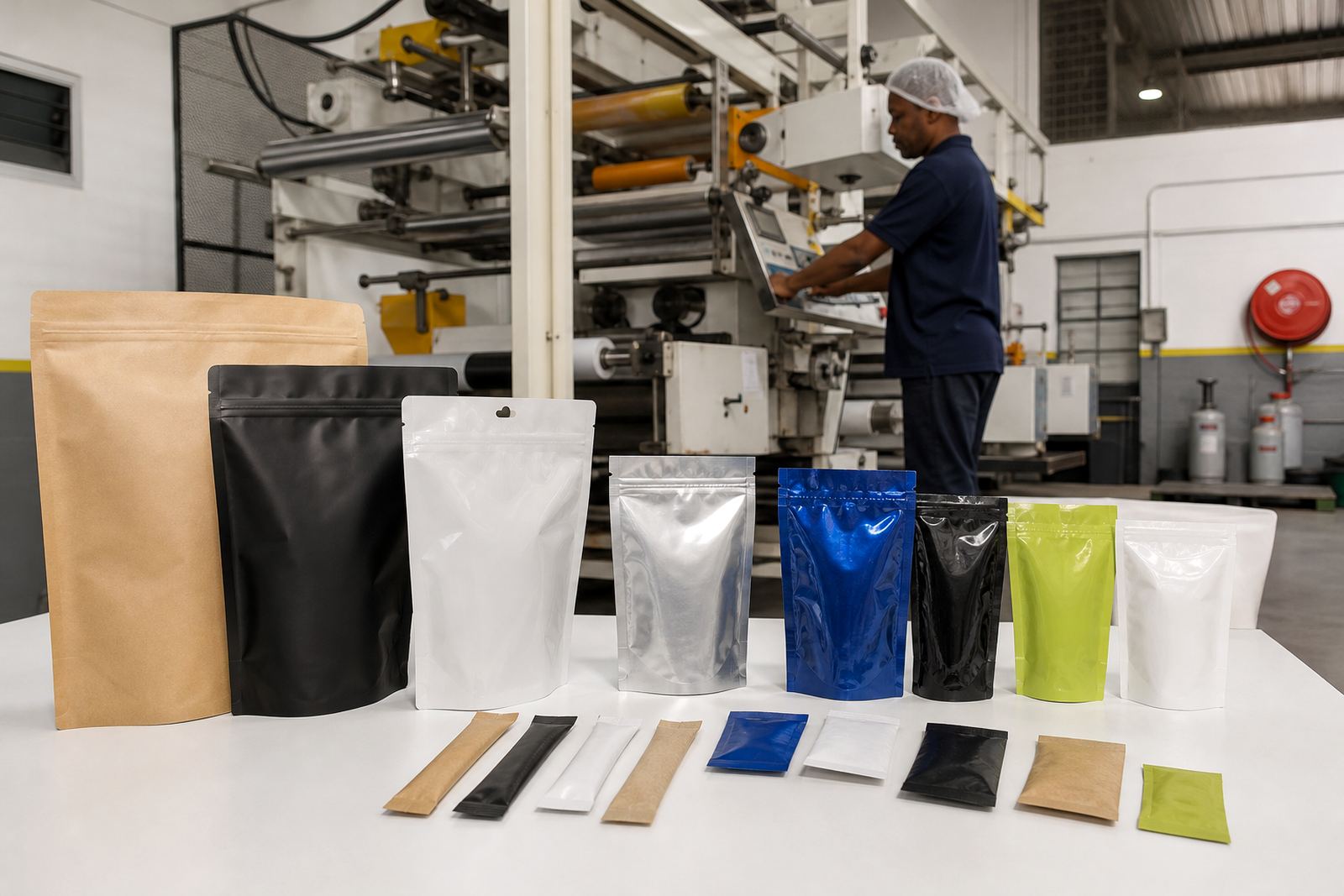
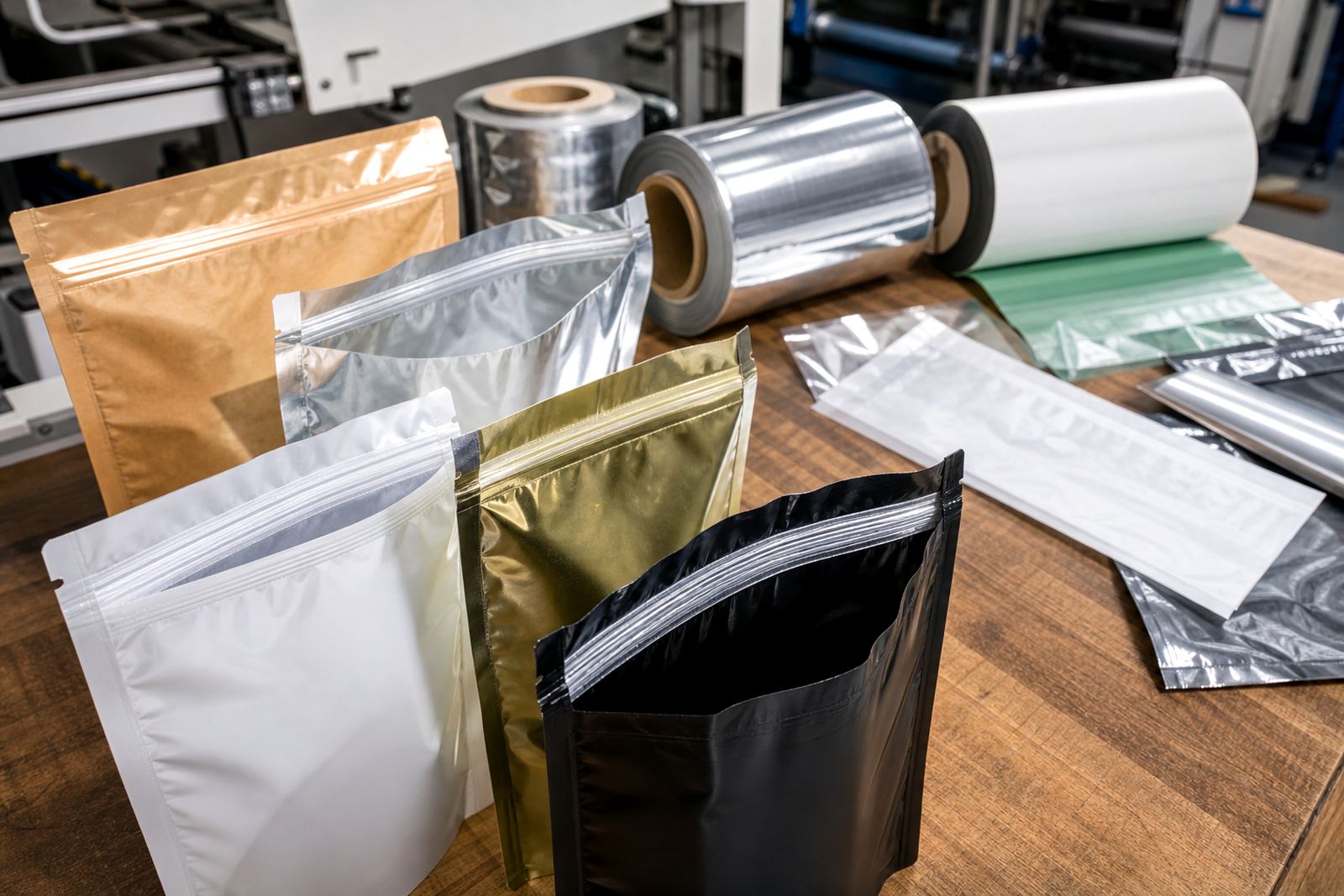
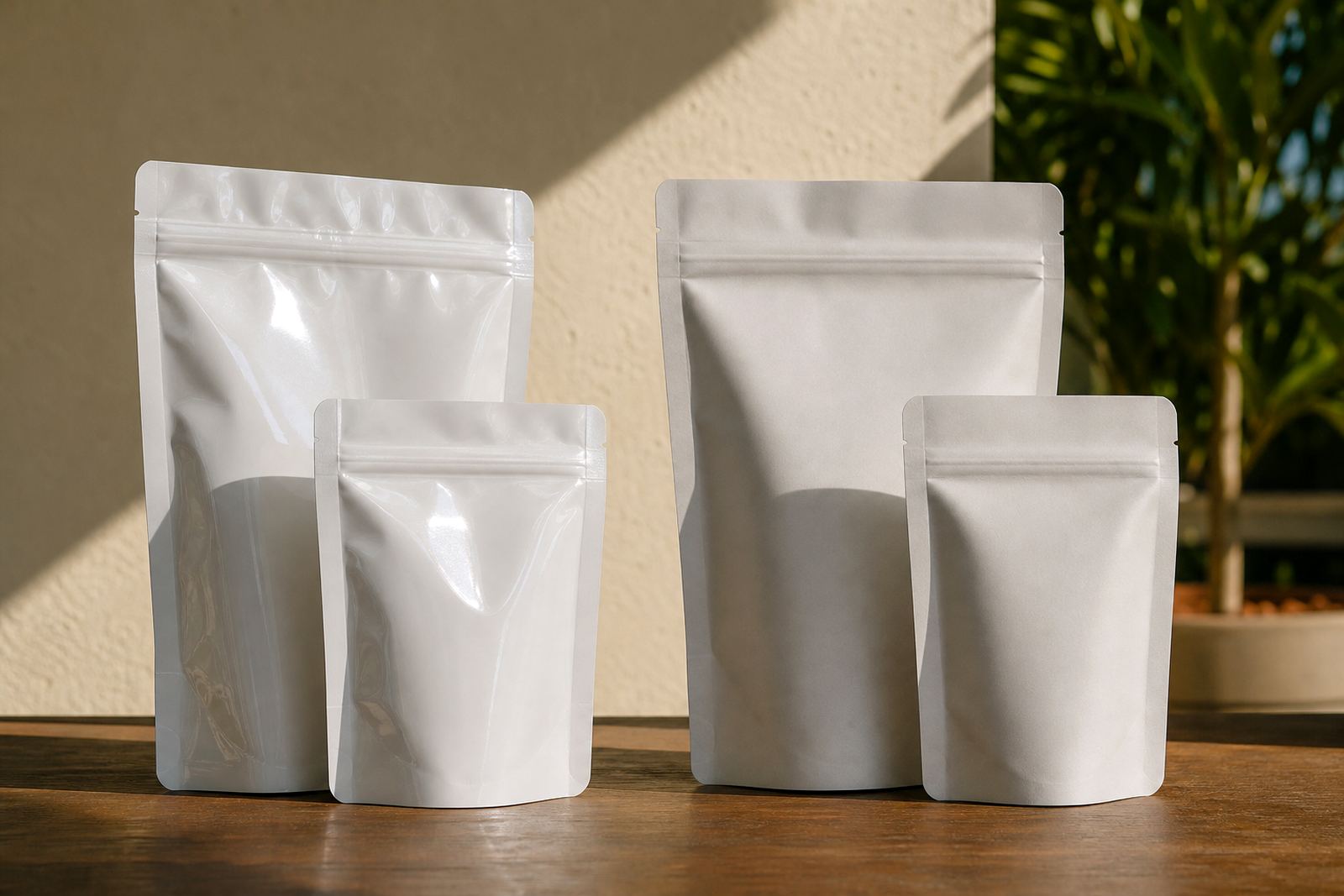
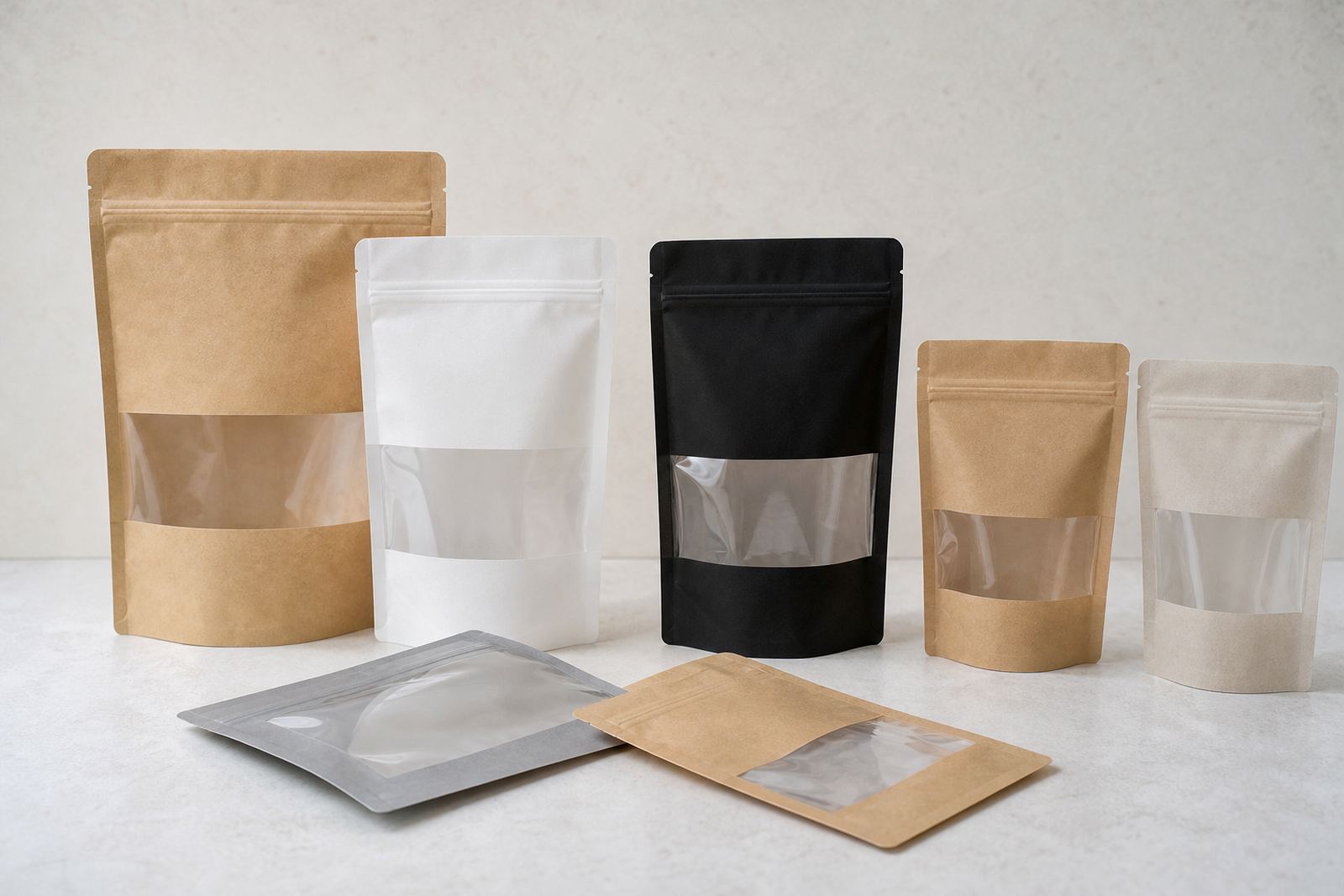
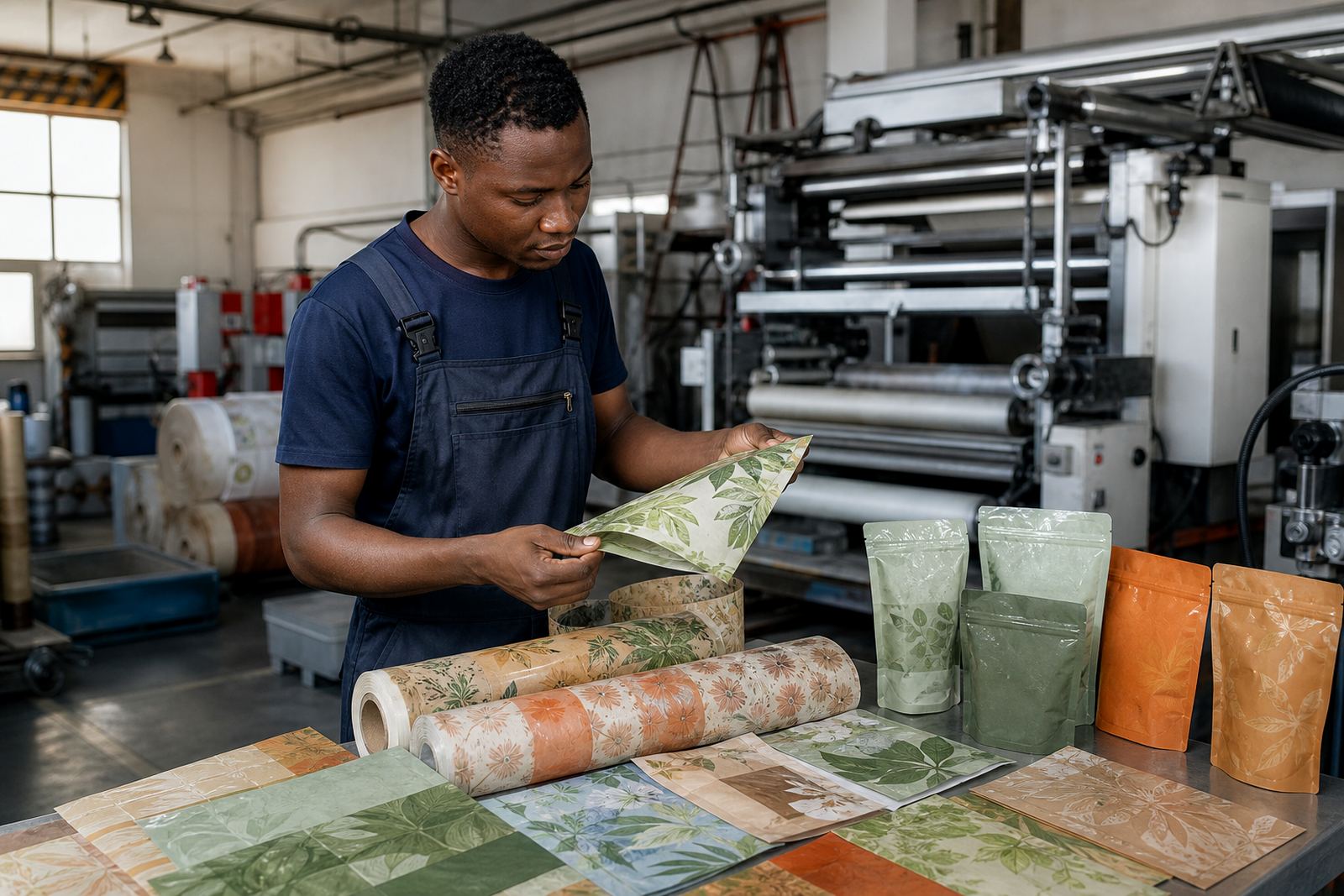
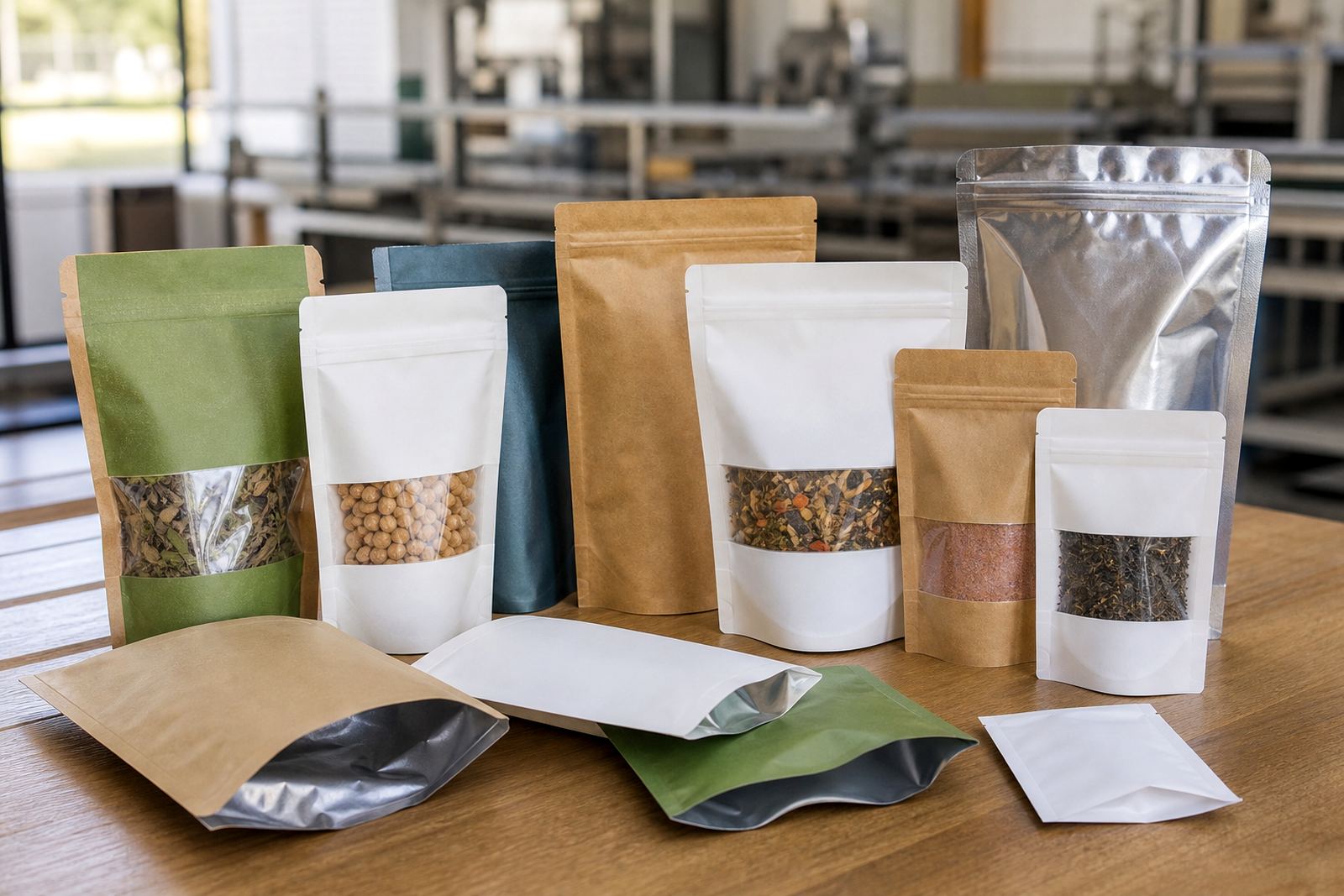
Our articles look at the day to day decisions that come with printed flexible packaging. That includes how pouch styles behave in transit, what sachets work best for smaller fills, and when a wrap format makes more sense than a bag or carton. We keep the focus on real buying questions, not jargon.
For brands in Pinetown, Durban, Johannesburg and beyond, the useful part is knowing what to ask before artwork starts. A small change in format, material or print layout can affect shelf appearance, sealing, packging speed and the way a product handles heat or moisture in storage.
How To Choose A Format That Fits The Product
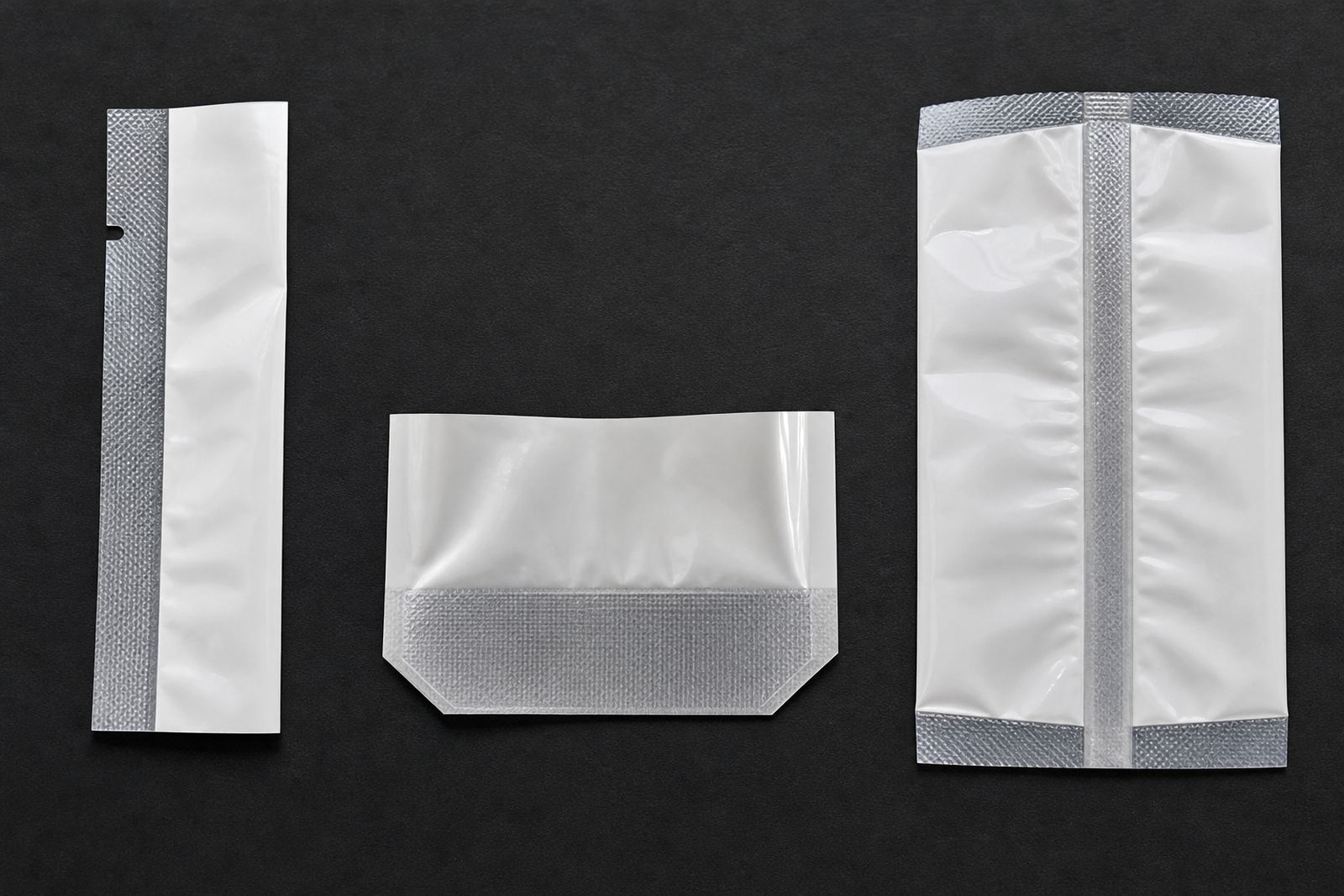
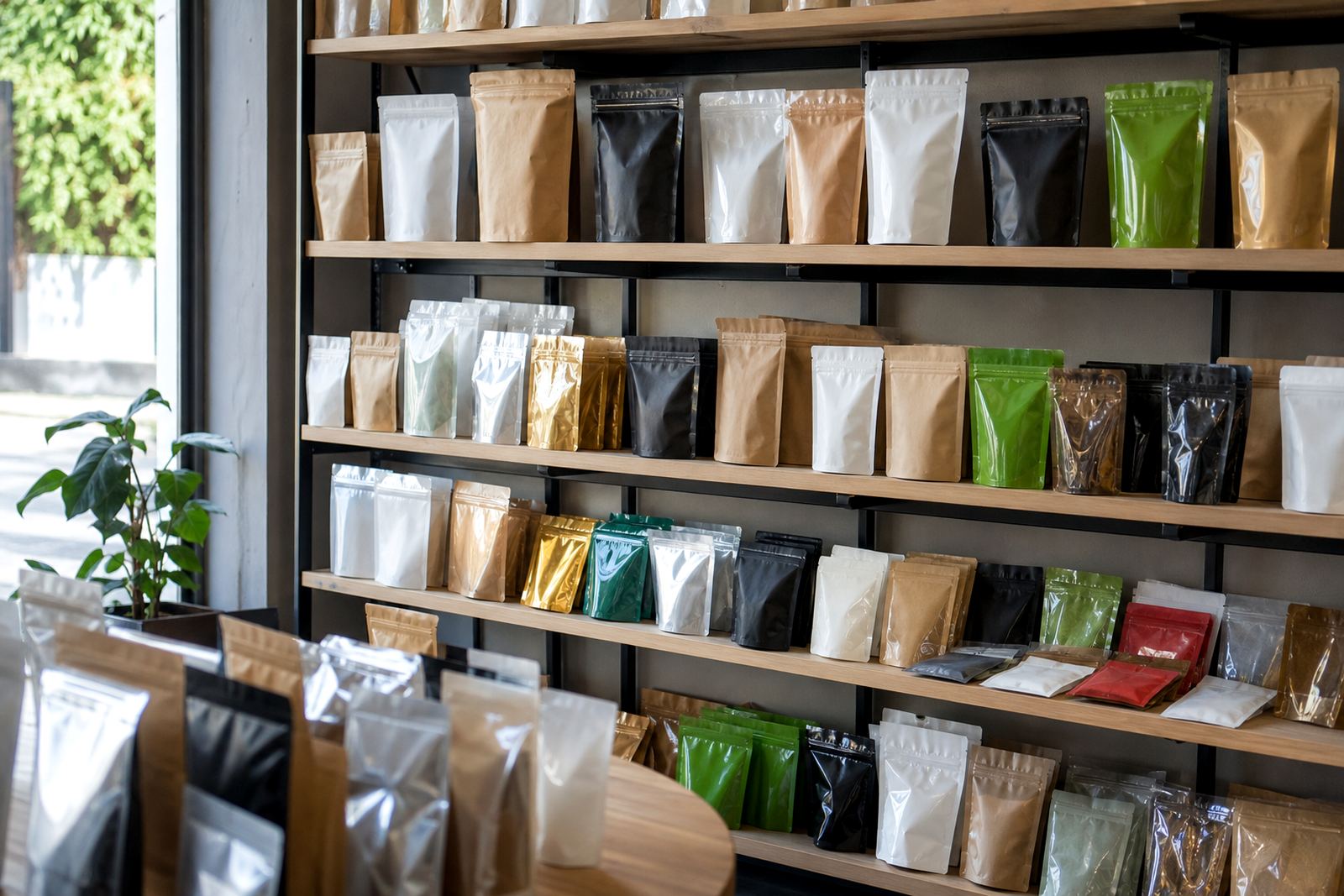
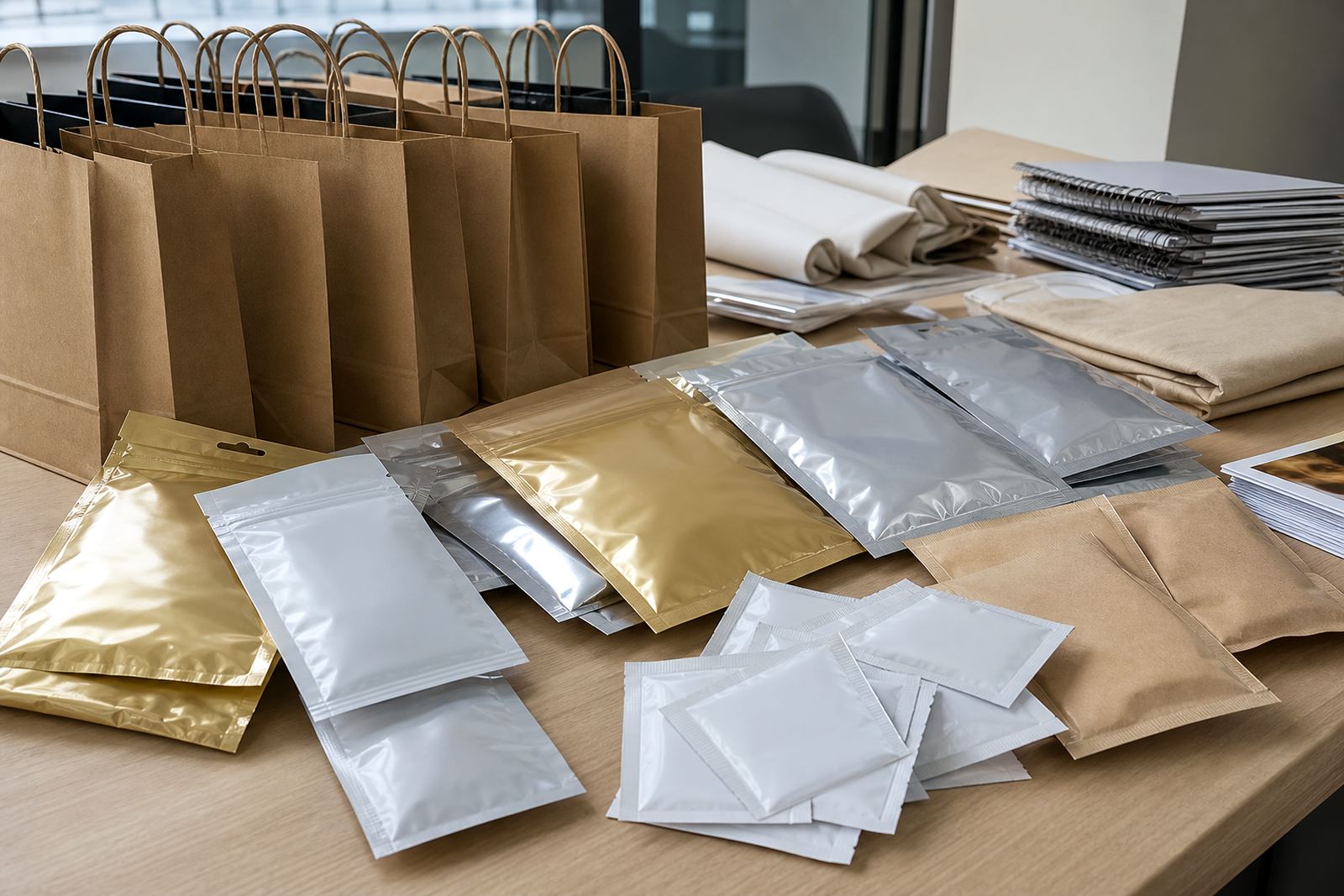
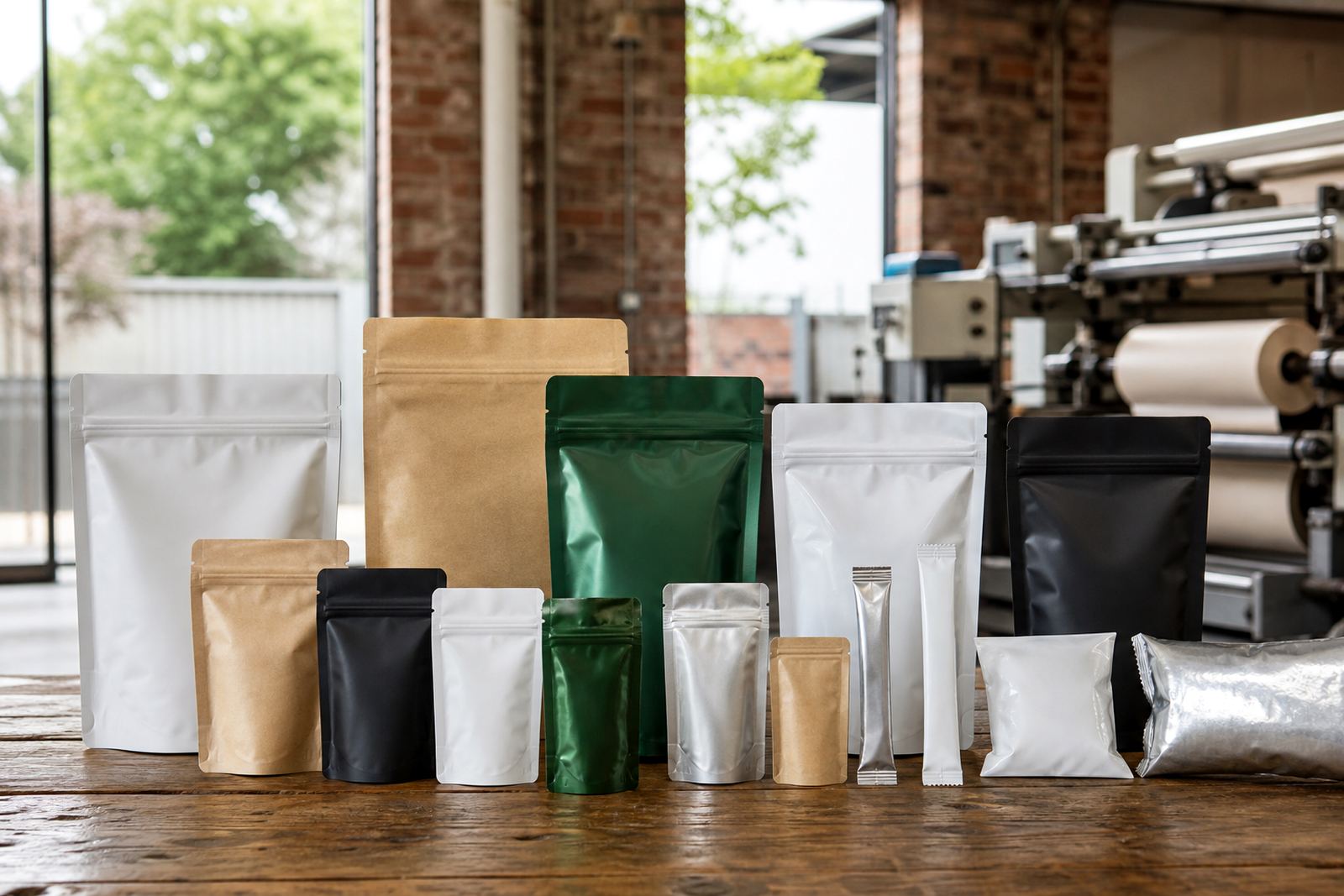
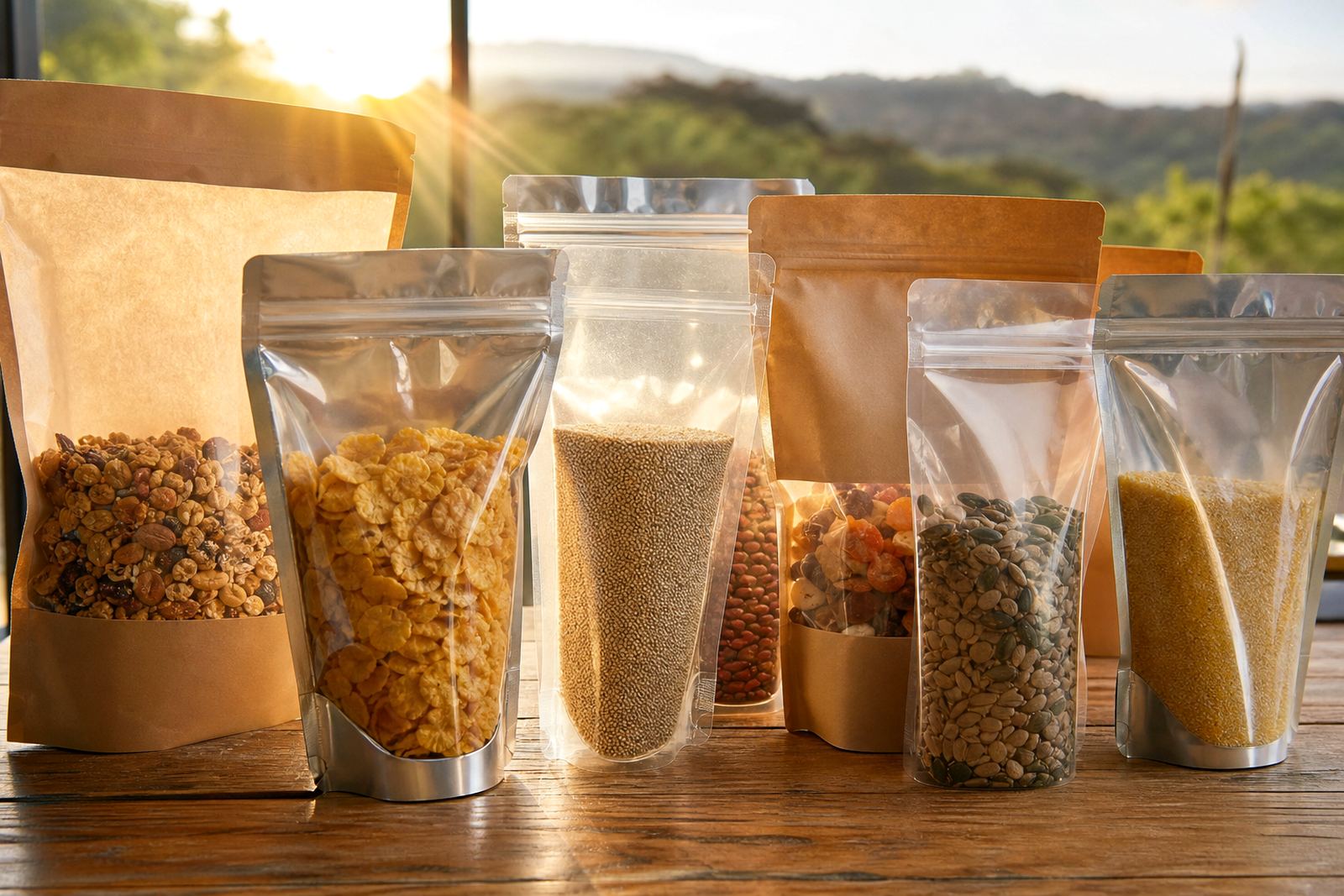
Different products ask for different pack shapes. Dry goods, powders, snacks, refills and single-serve portions do not all behave the same, so the format needs to match the fill, the handling and the retail setting. Articles in this section break down the choice in plain language.
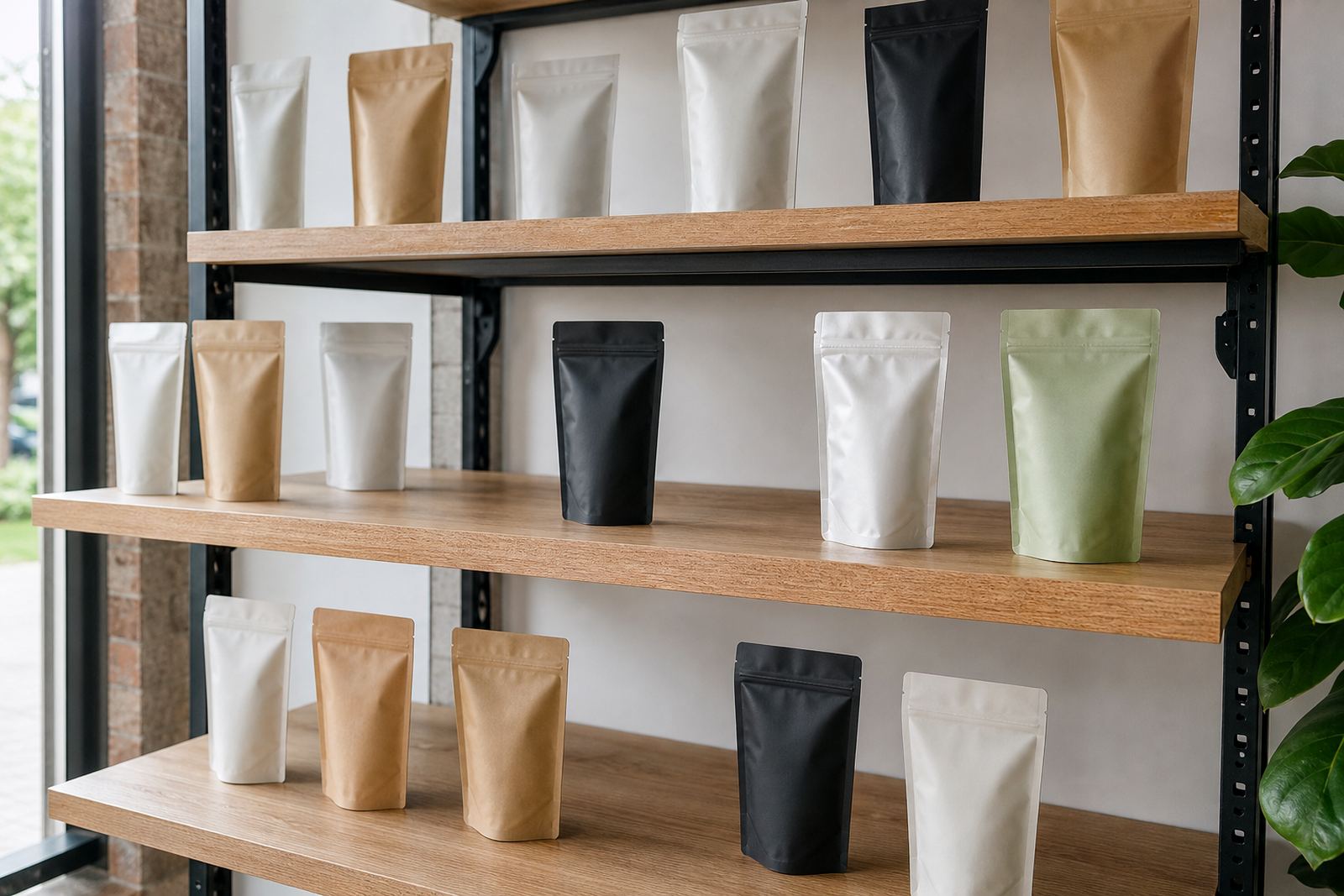
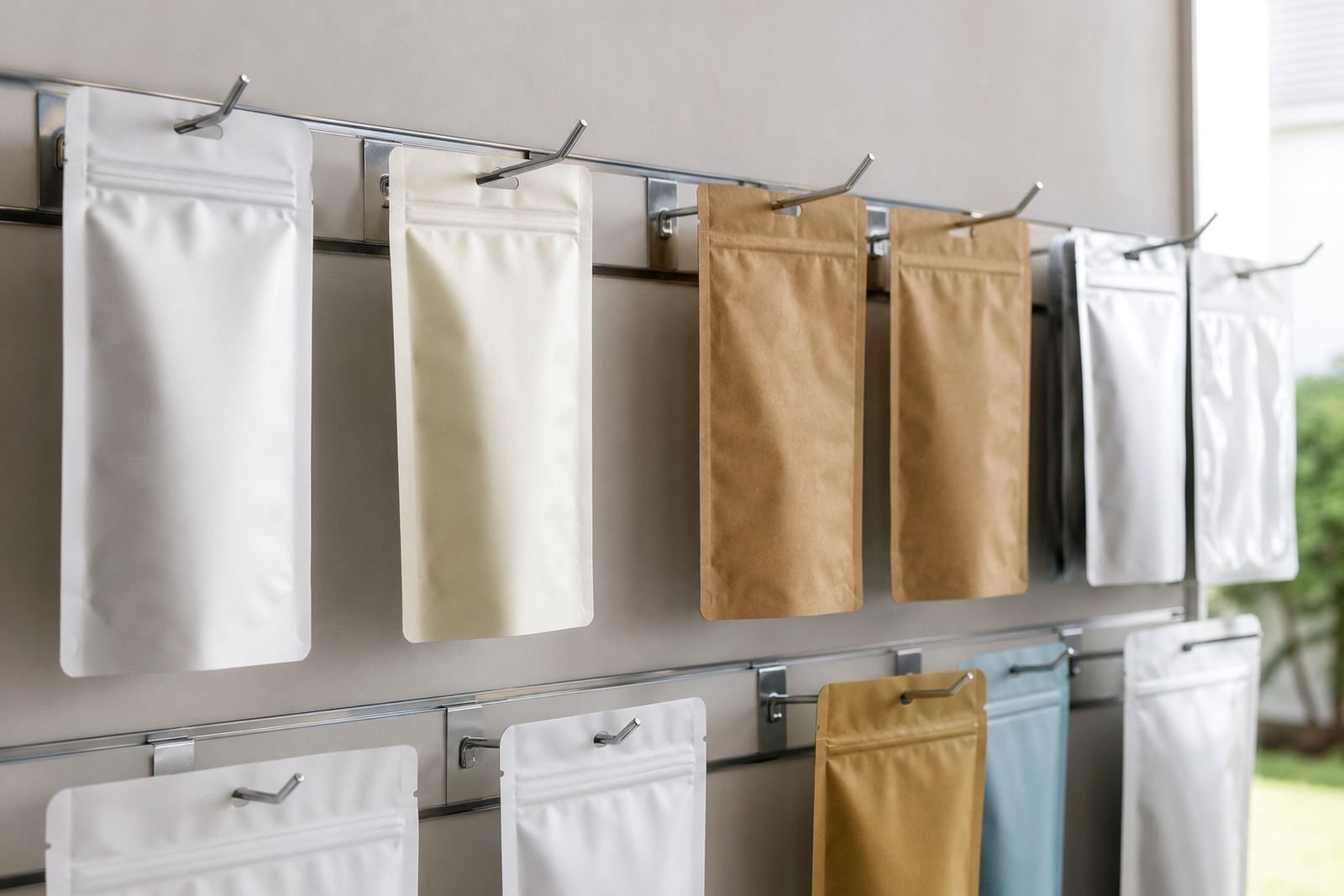
- Pouches suit products that need more shelf presence and a stronger retail front.
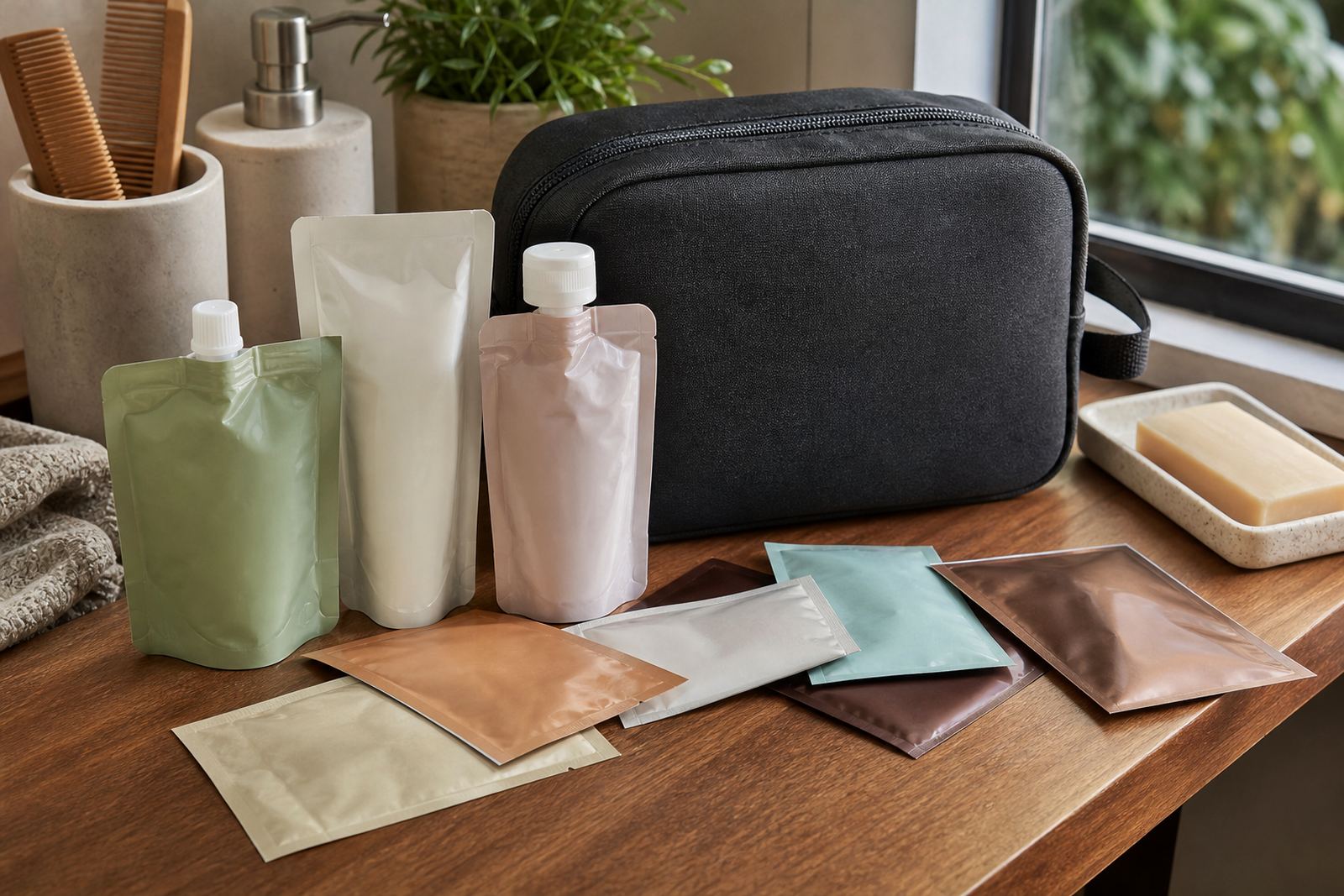
- Sachets are useful for sample sizes, sachet counts and controlled portions.
- Wraps work well when the product is narrow, light or needs quick packing on line.
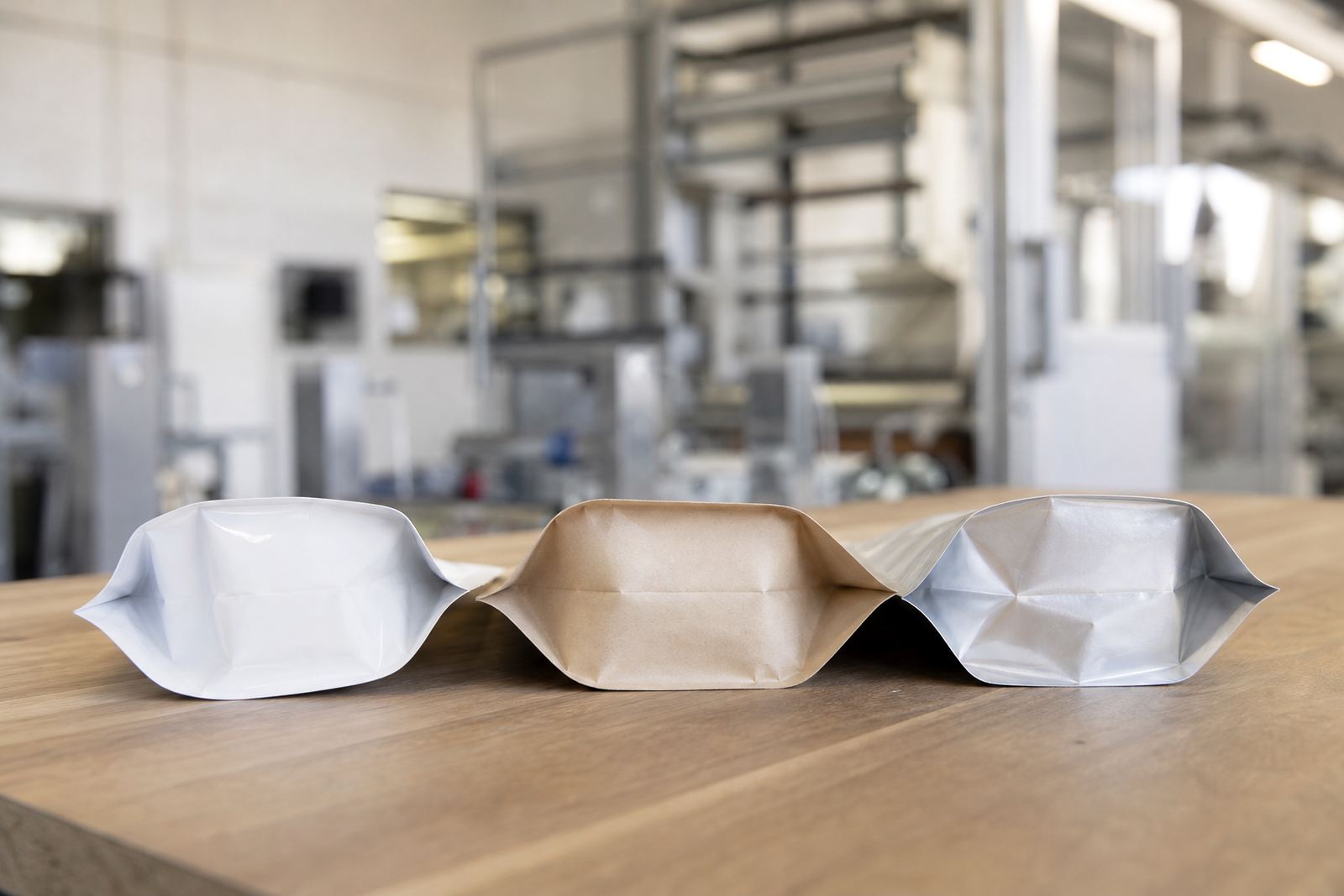
- Material selection matters where coastal humidity, handling or stacking can affect the final pack.
Flexo Printing Basics For Local Brands
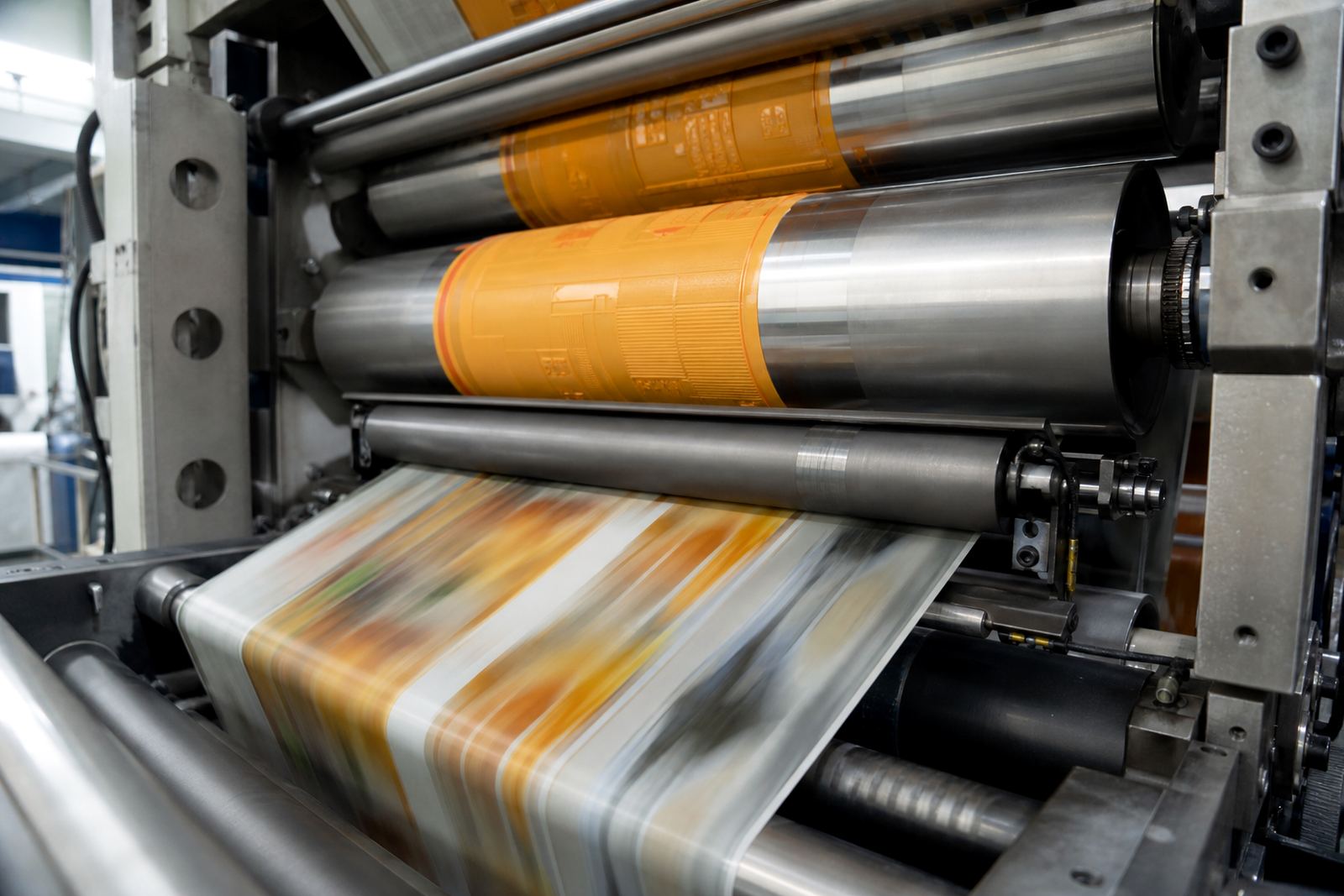
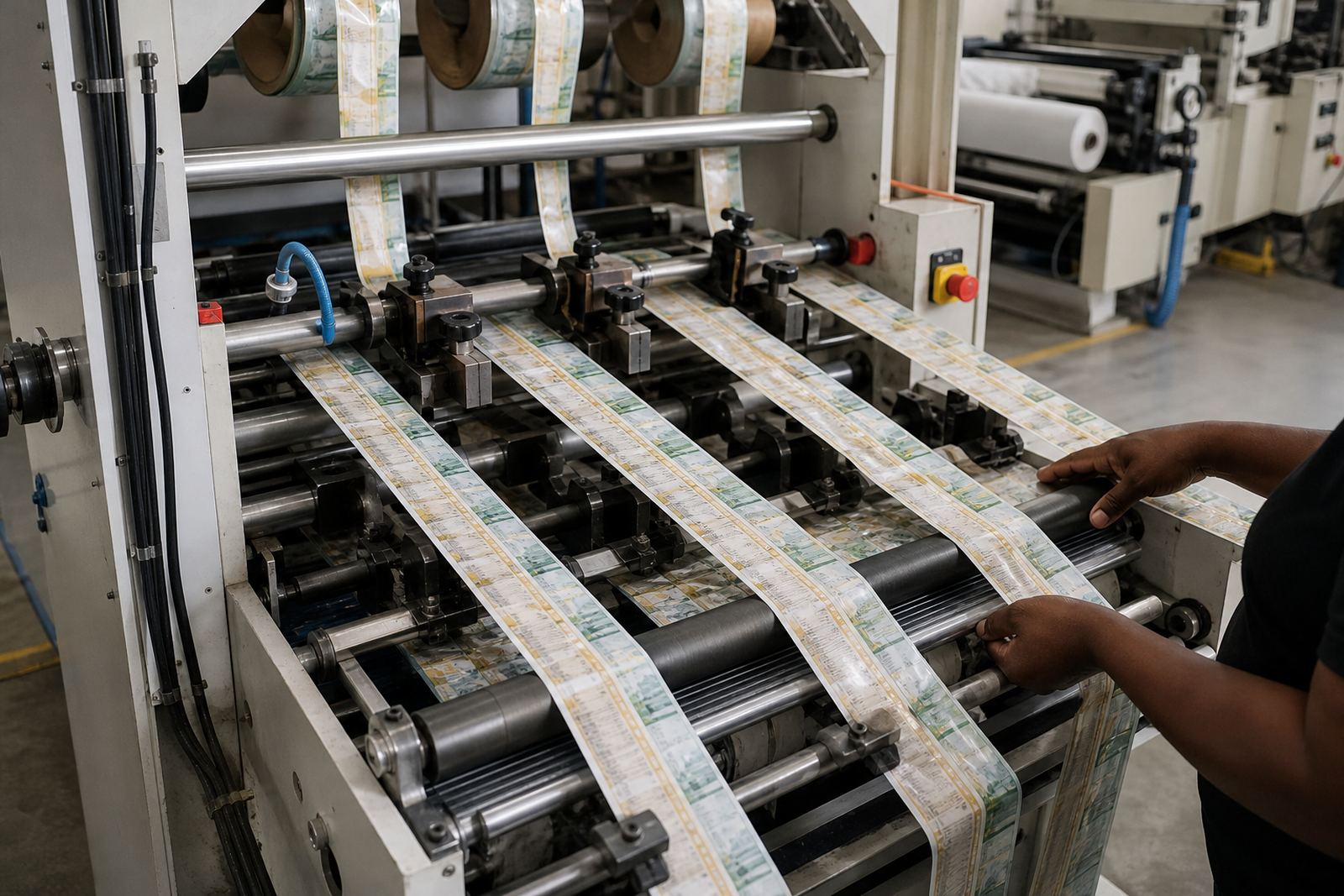
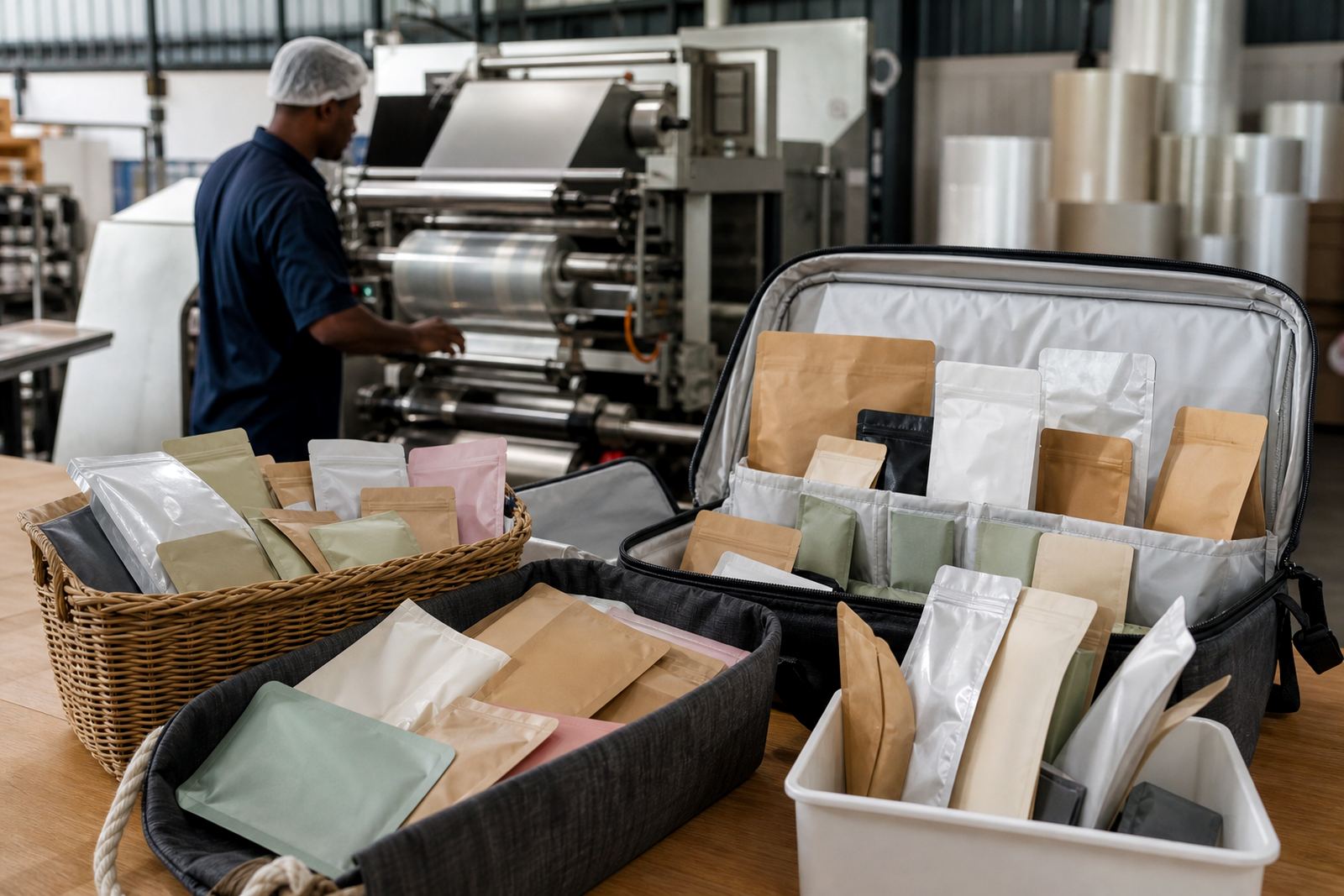
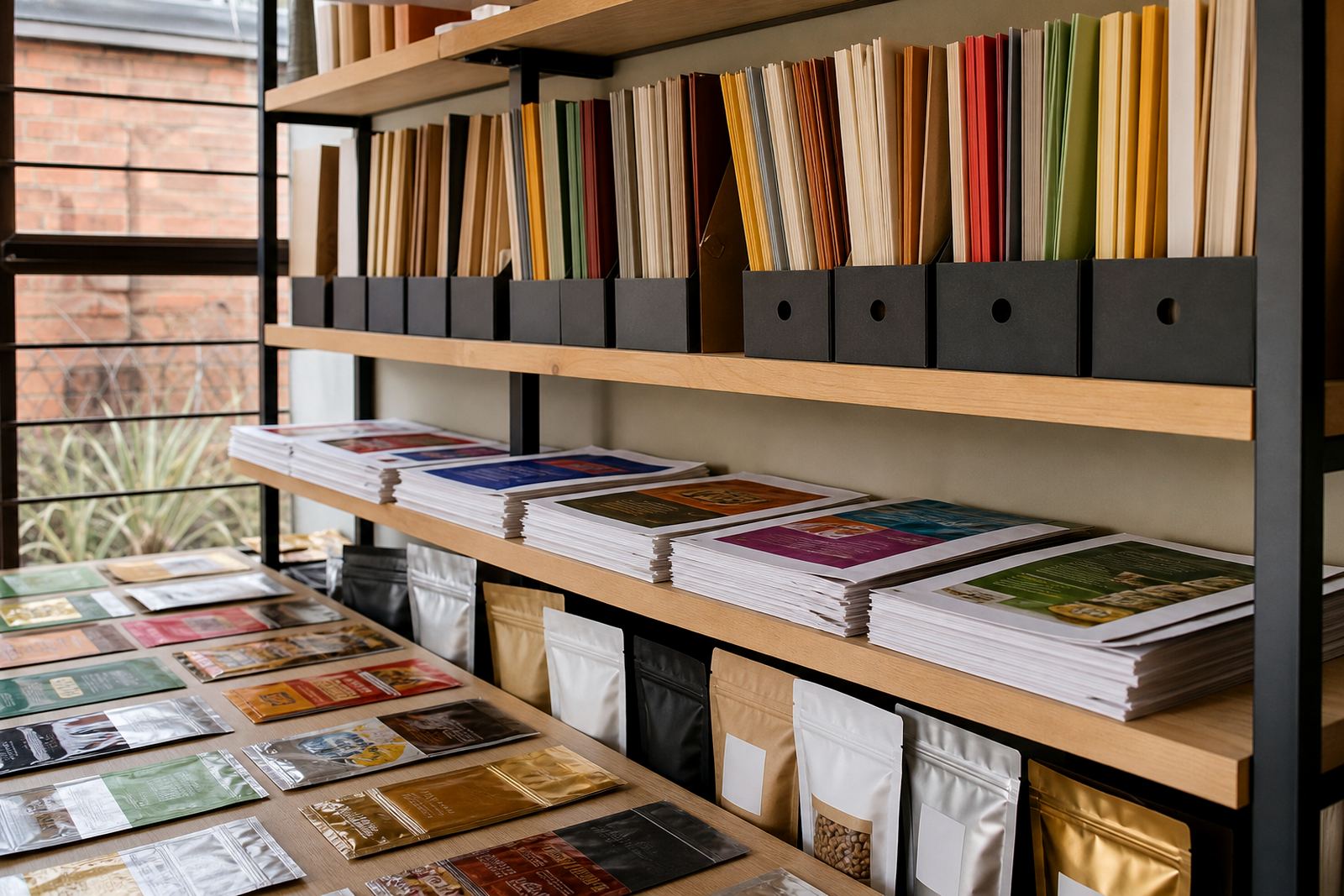
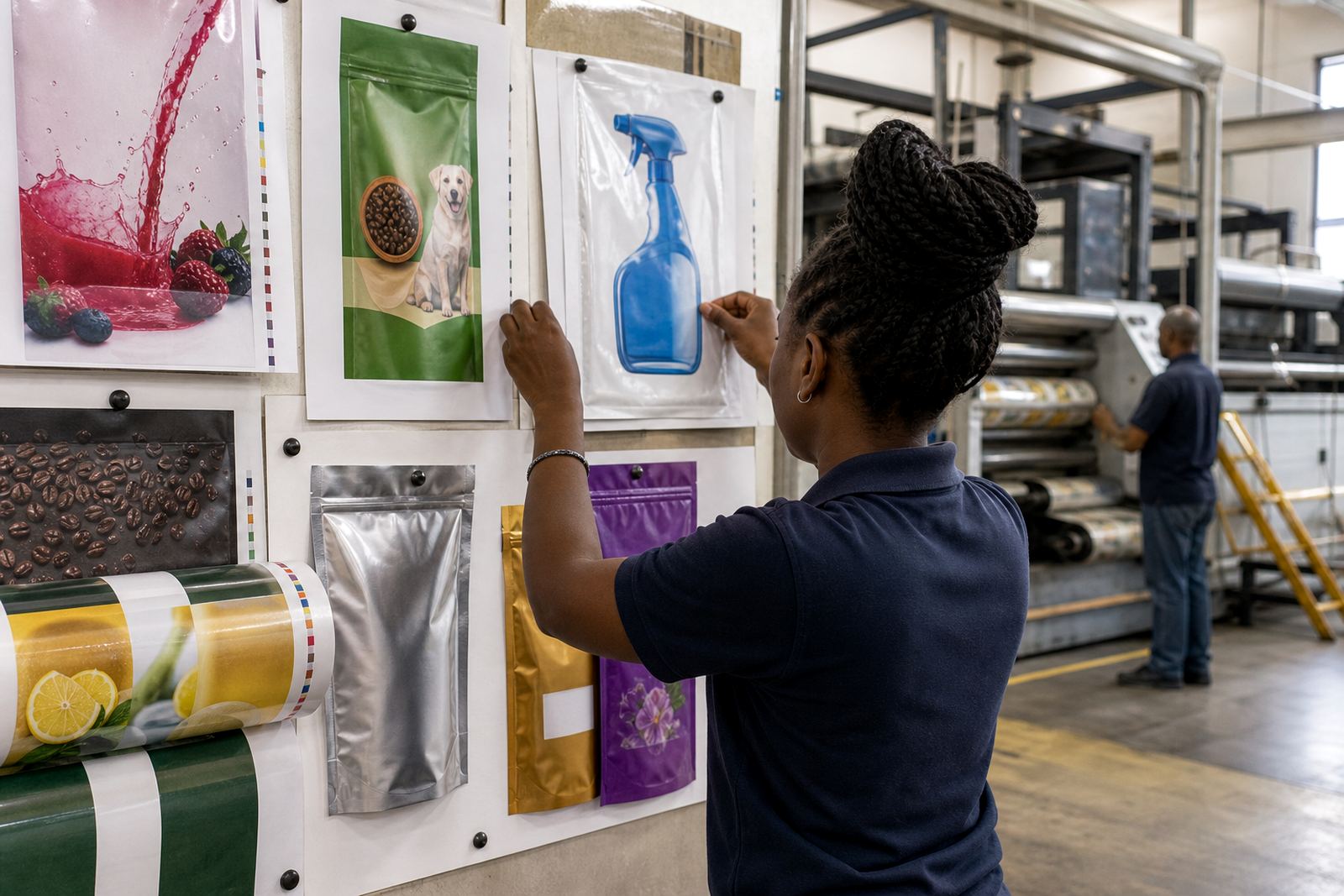
Flexographic printing is a practical choice for repeat packaging runs and many short run orders too. It is commonly used for flexible packaging because it can handle a range of substrates and print layouts with consistent results when the setup is done properly. Our journal explains the basics without overcomplicating it.
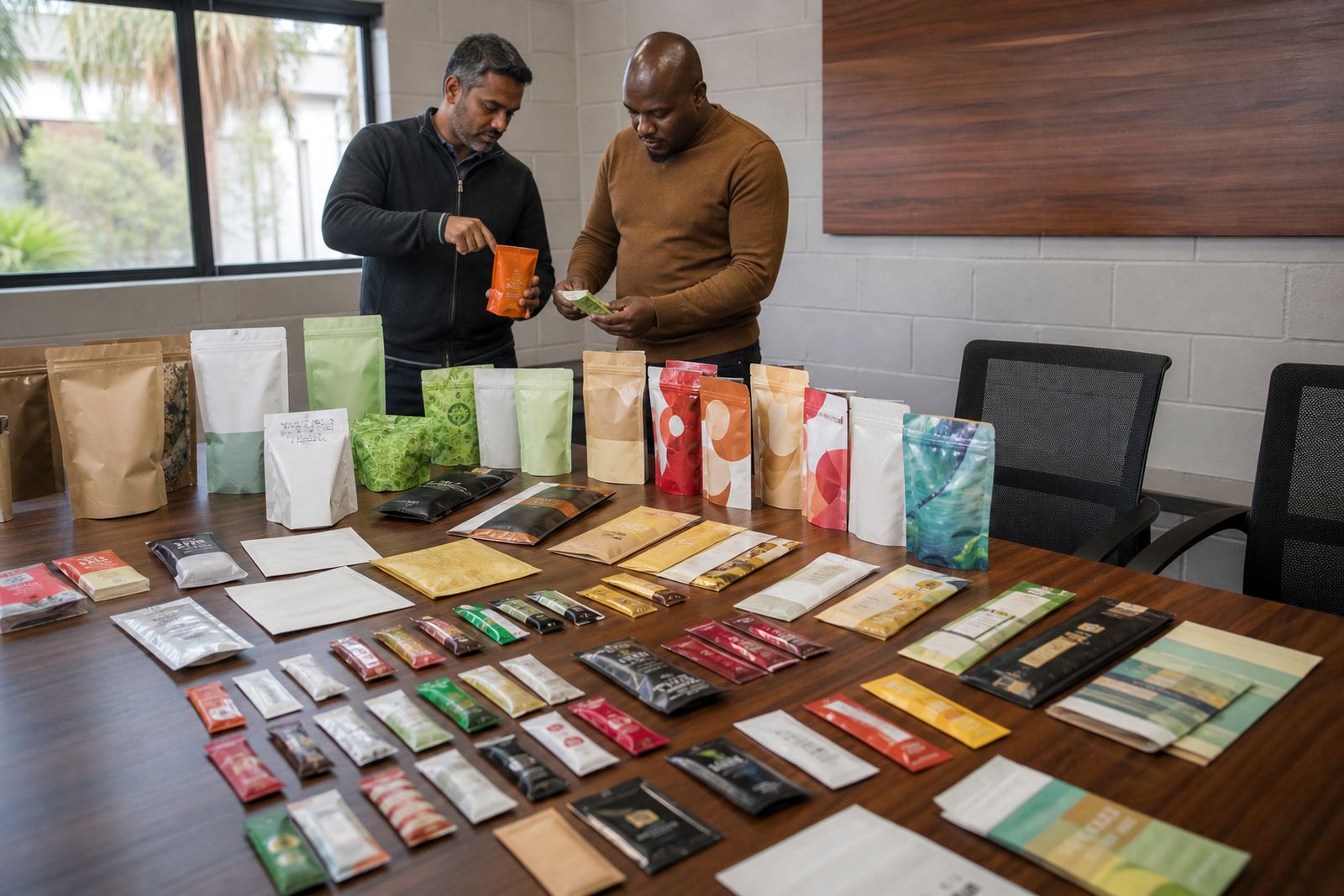
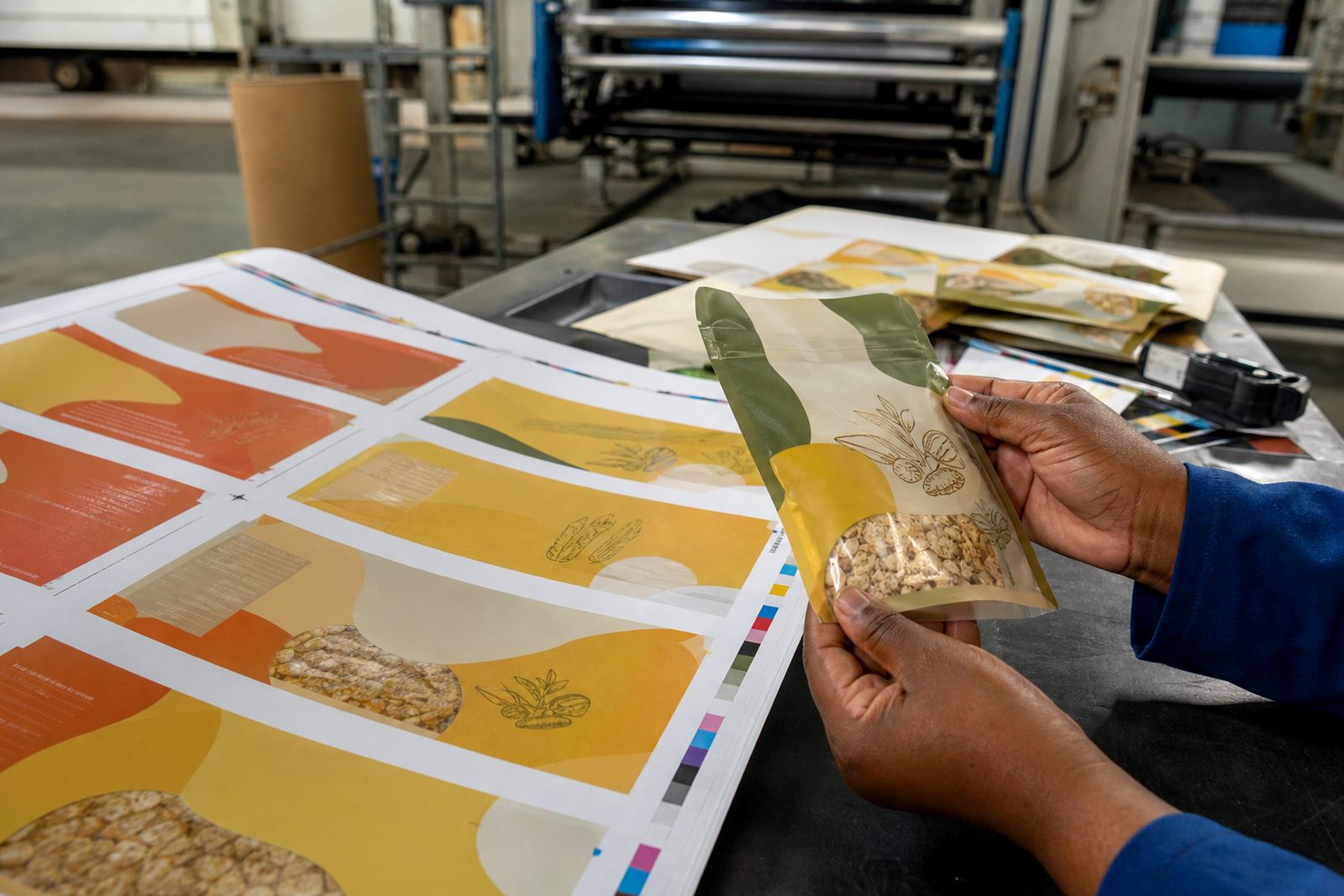
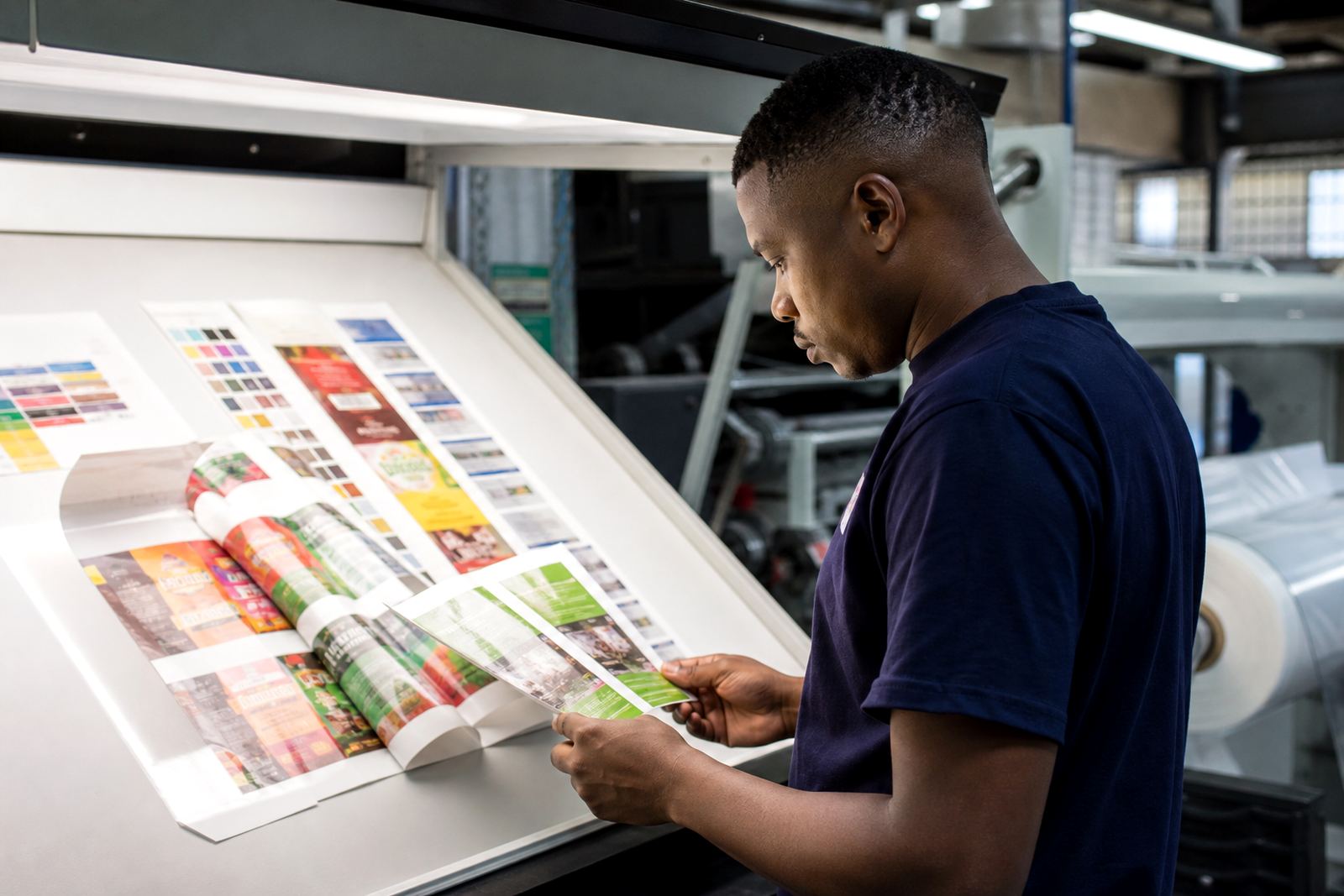
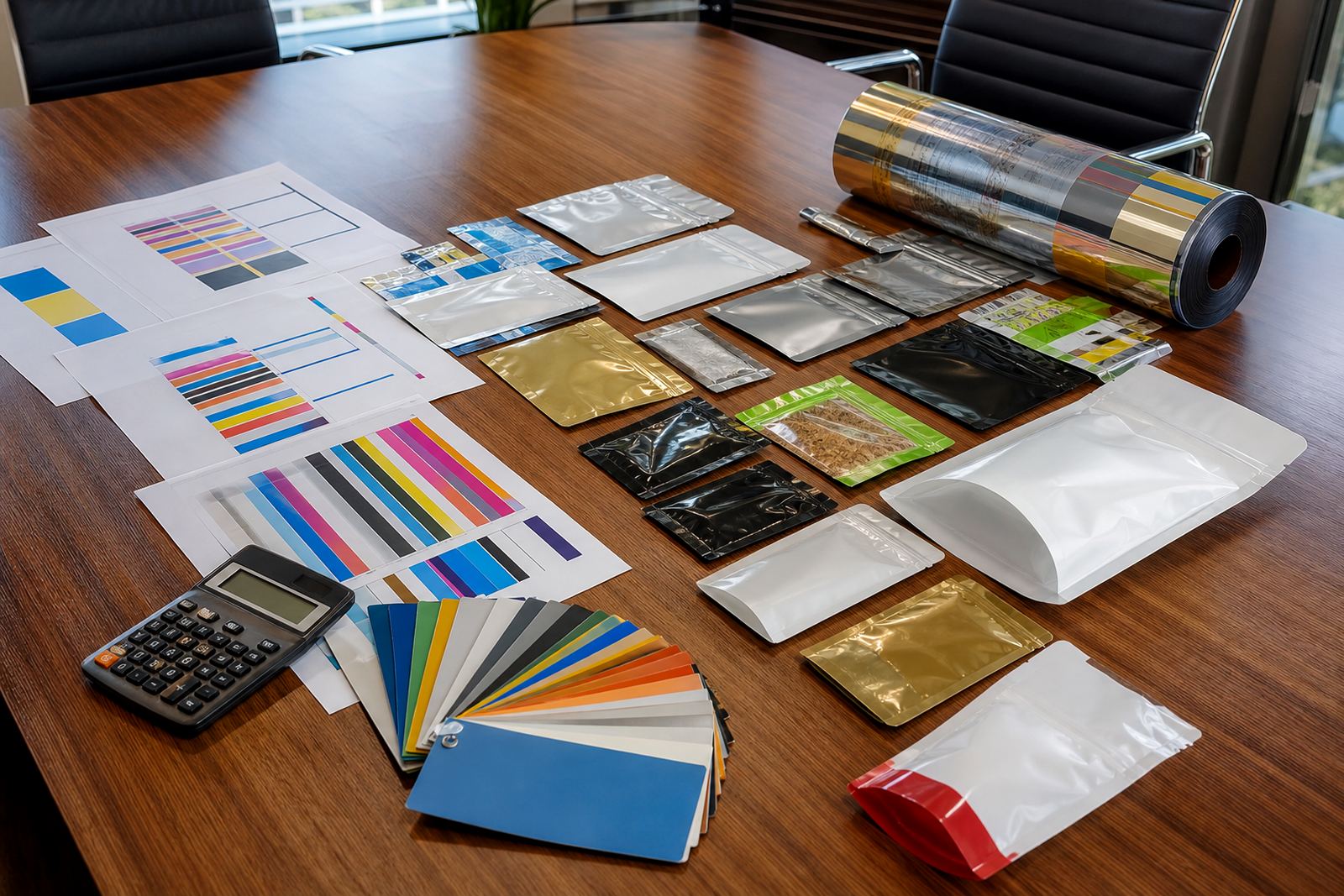
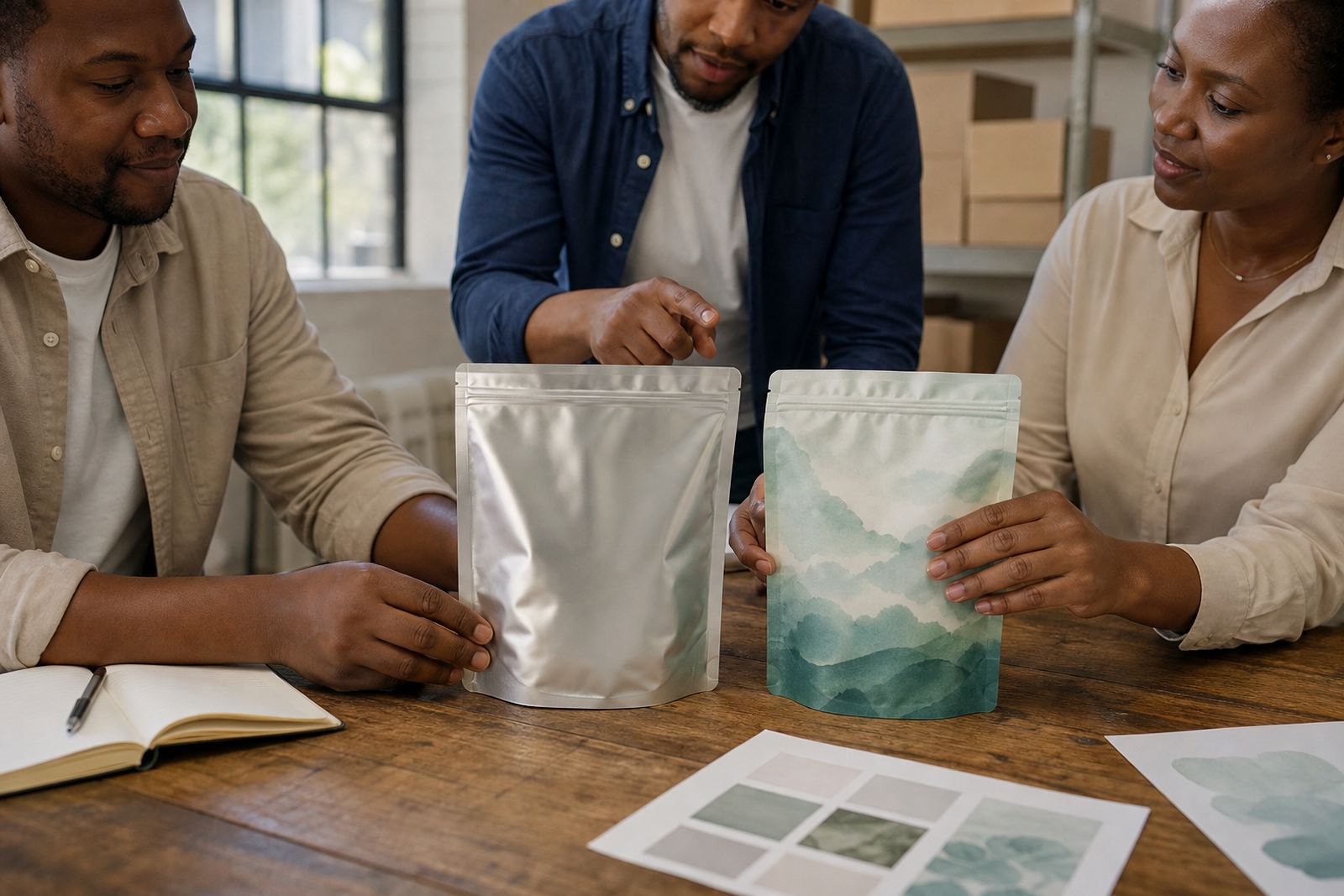
You will find notes on colour matching, artwork prep and proofing so you can understand what happens before production starts. That helps when you are comparing new artwork, revising an existing design, or trying to keep your brand colour close across different batches and delivery dates.
Buying Decisions That Save Time Later
Many packaging problems start before the first print run. Choosing the wrong material, leaving artwork too tight to the edge, or underestimating lead time can slow things down later. The articles here focus on the simple checks that reduce back and forth.
- Confirm the product size and fill weight before approving the format.
- Check where seals, tear points and openings will sit on the finished pack.
- Plan for dispatch timing if stock must move to Durban, Cape Town, Pretoria or Bloemfontein.
- Keep repeat production notes together so the next run matches the first one more closely.
What To Expect From Production And Dispatch
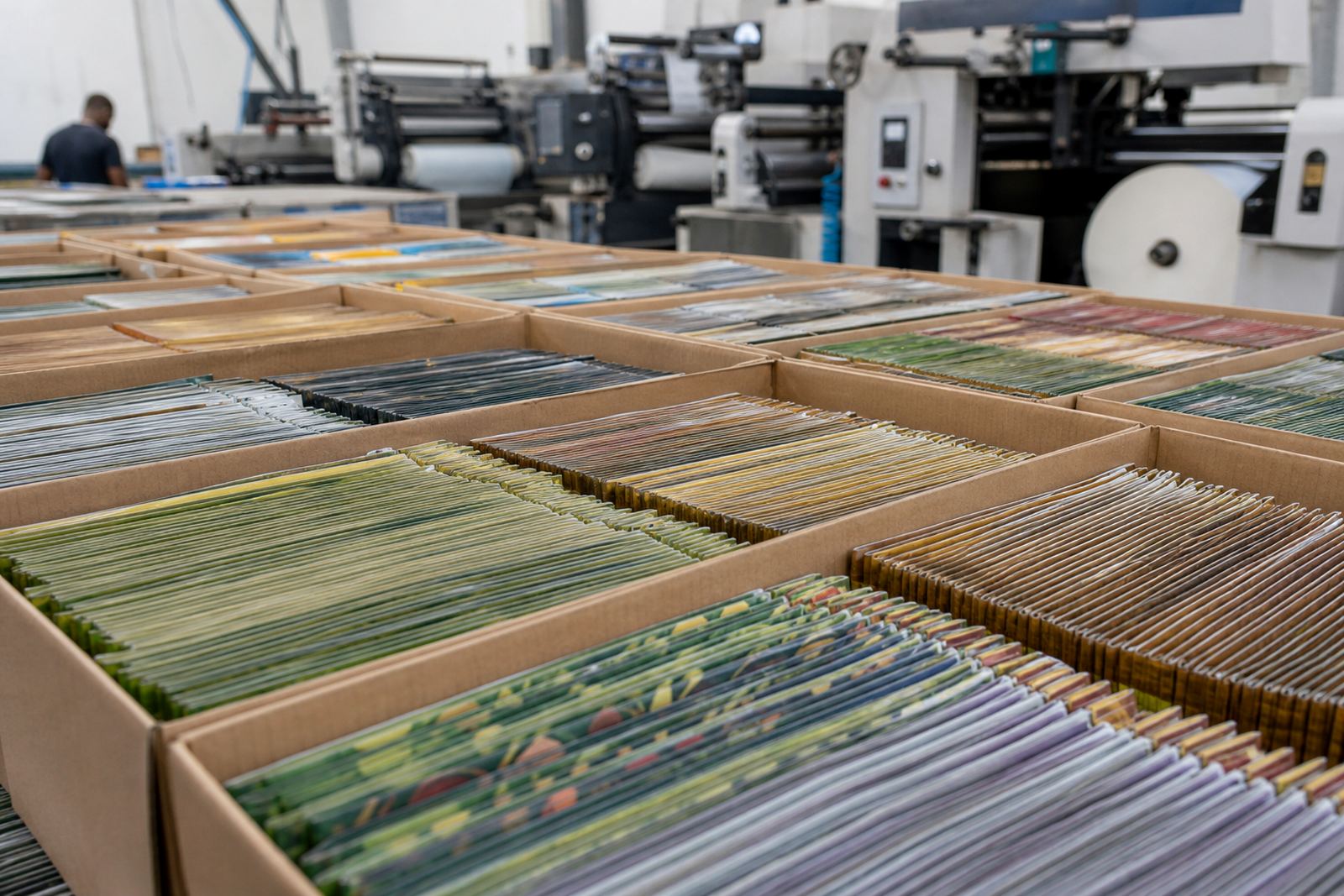
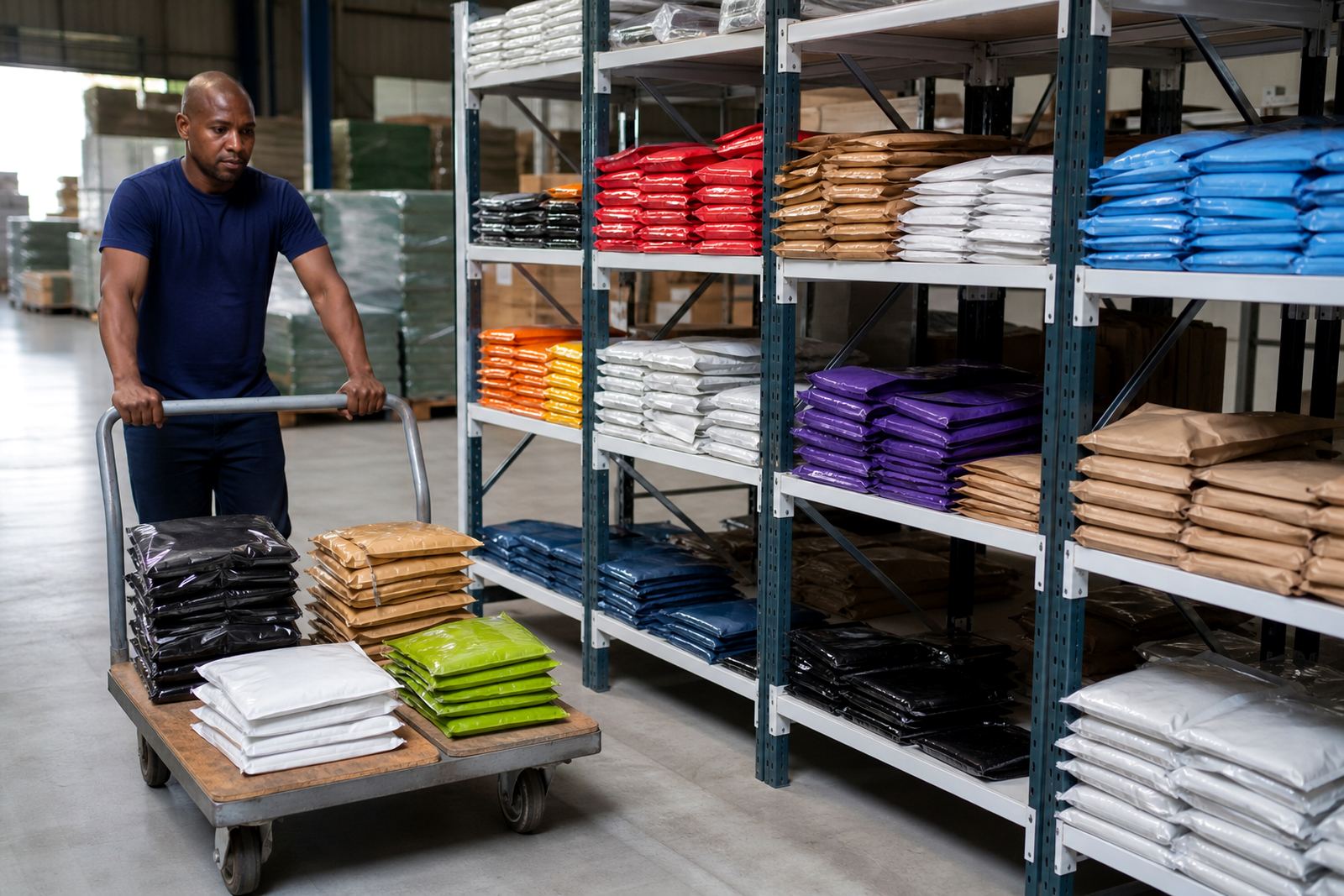
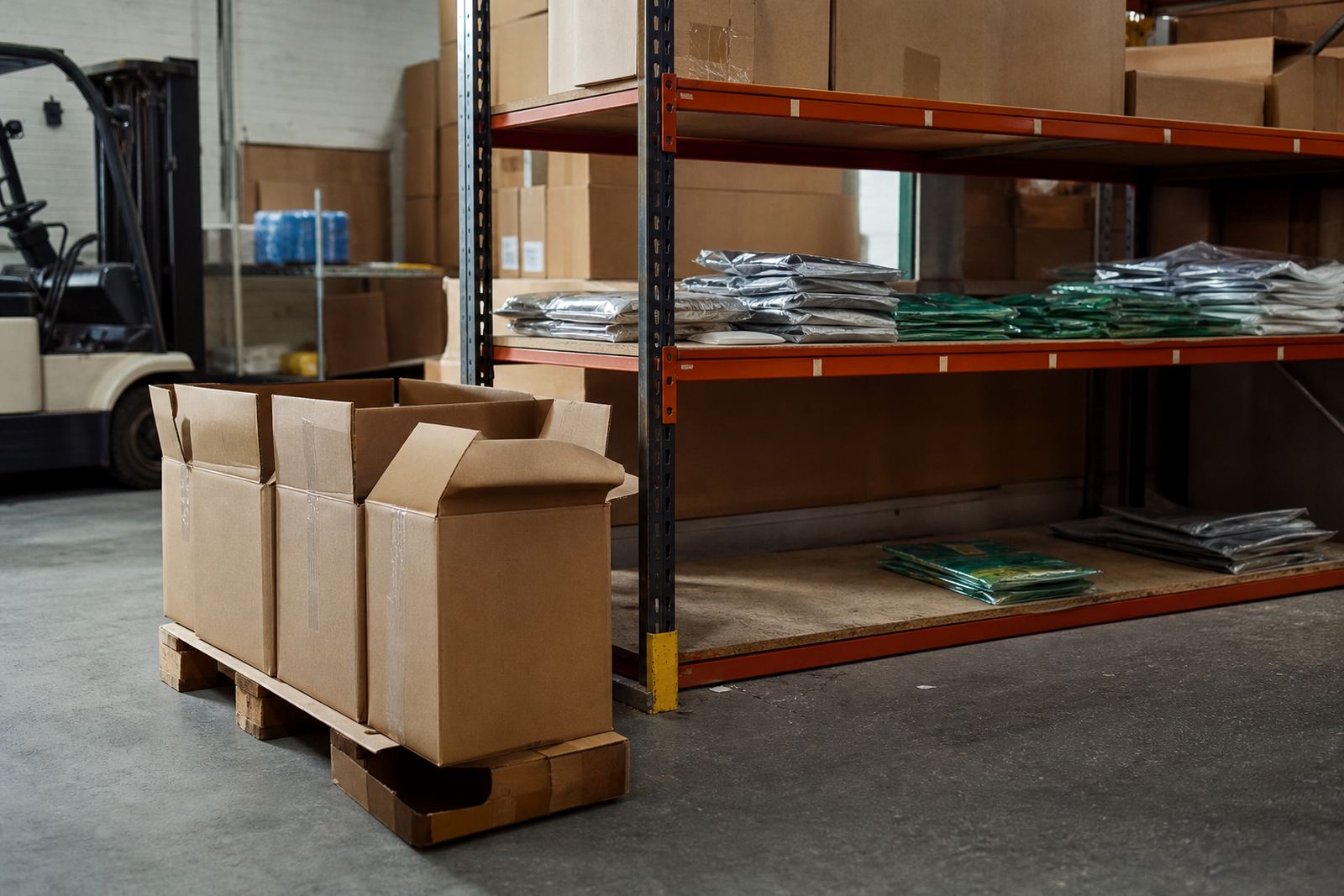
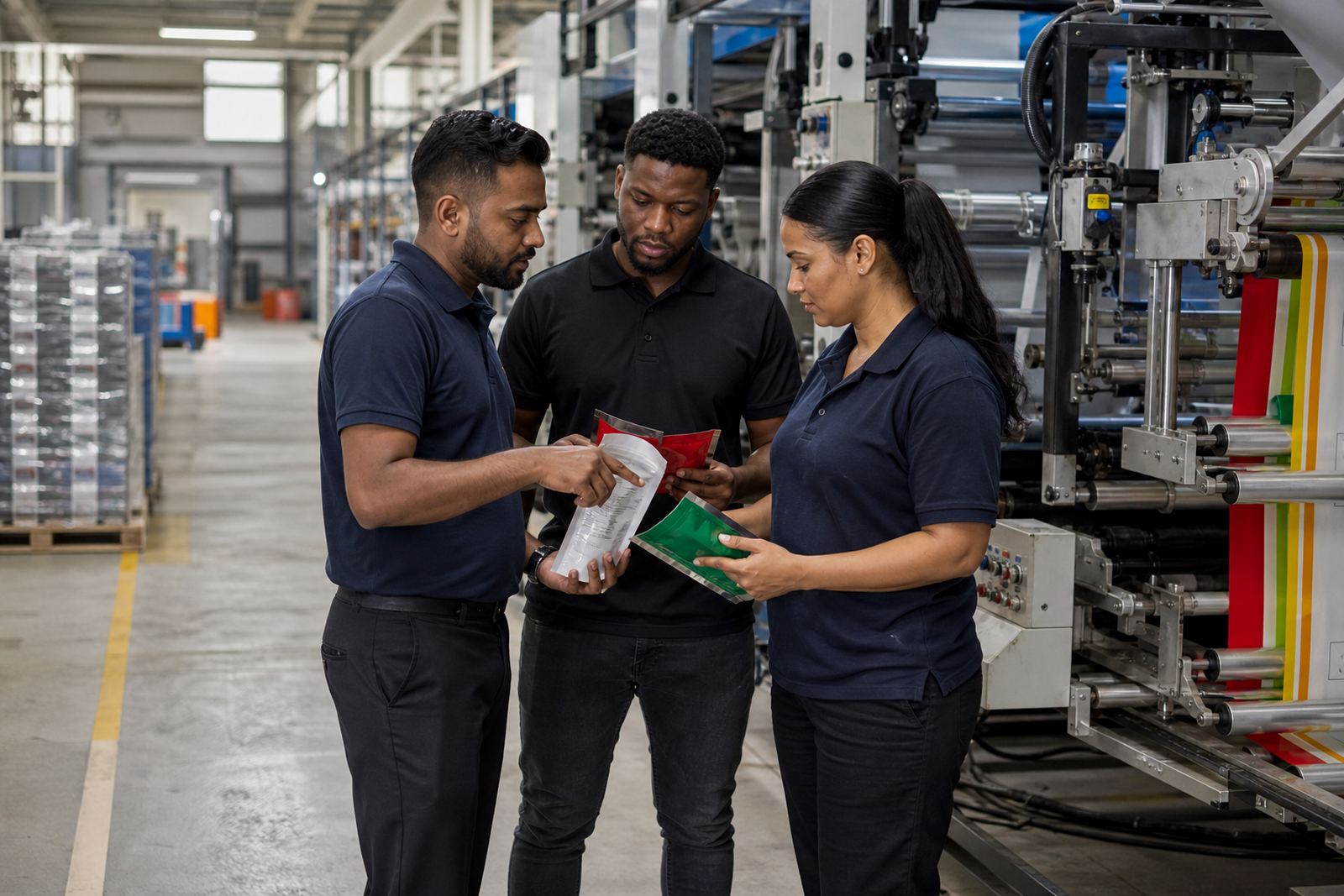
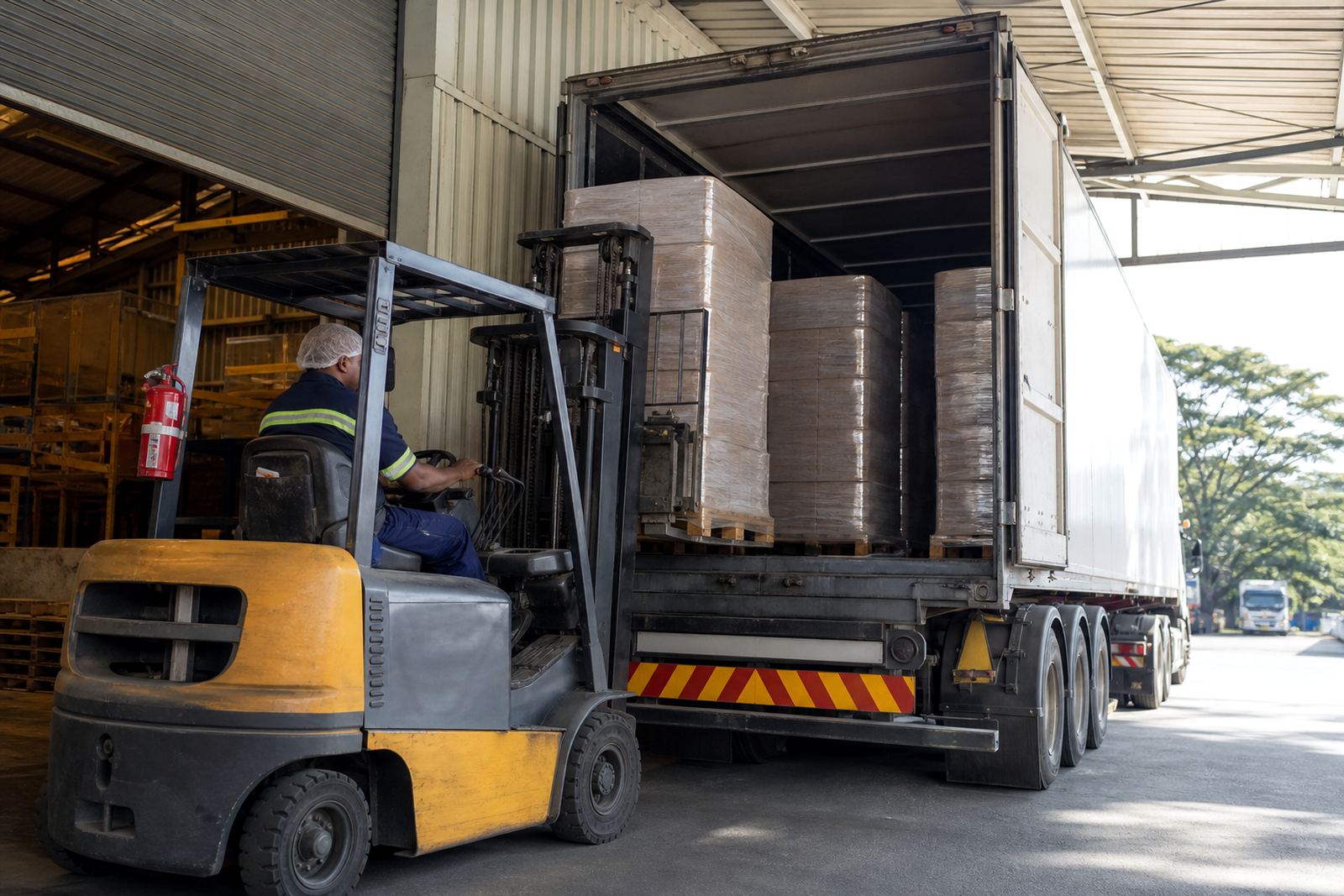
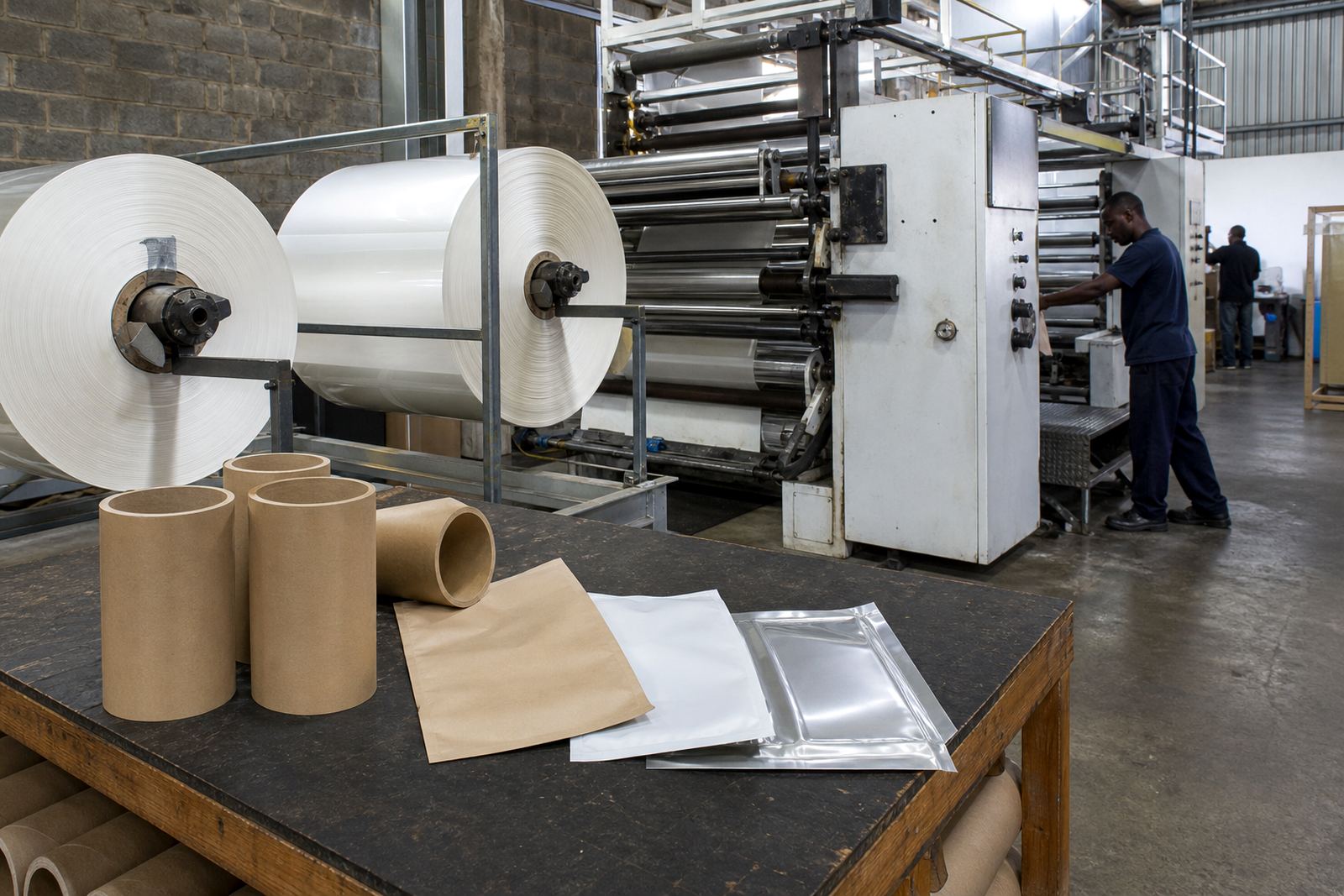
Once a job is approved, the practical side becomes production planning, colour checks and dispatch coordination. That is especially important for brands that need stock delivered across South Africa and cannot afford delays from avoidable changes. Our journal covers how production schedules are managed and what buyers should prepare in advance.
If your order needs to move quickly, it helps to understand how proof approval, material choice and delivery routing all fit together. A clear brief at the start often avoids a scramble at the end, especially when multiple locations are involved and the job must move from Pinetown out to other provinces.
Read Before You Place Your Next Order
Start with the format, then check the print requirements, then compare the buying options. That order makes it easier to decide whether a pouch, sachet or wrap is the better fit for your product and your packing line. The journal is written for local brands that want straightforward information and practical next steps.
Use the articles as a guide when you are planning a repeat order, refreshing artwork or comparing finishes. If you are unsure about the best route, the notes here should give you enough context to ask the right questions and move ahead with a clearer brief.