
Why Repeat Orders Need a Lead-Time Plan
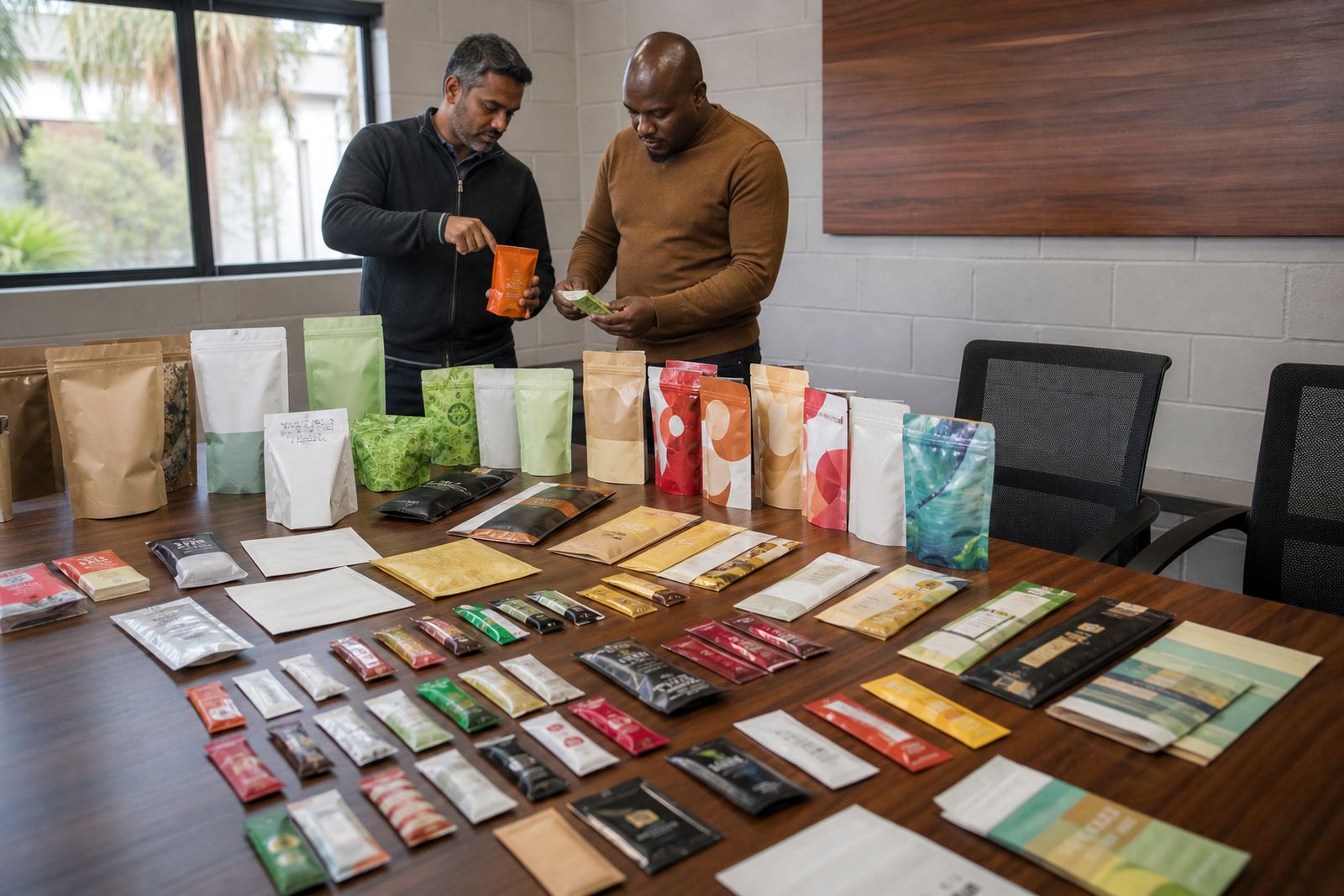
When a brand waits until the last cartons are nearly empty, the whole ordering process becomes harder. Flexible packaging usually needs more than a simple reprint. The team may need to confirm film structure, check the latest artwork, review colours and line up production slots. If a pouch or sachet size has changed, even slightly, that adds more time.
In practical terms, repeat orders should be treated as a routine planning item, not an emergency. That helps keep packaging available for filling lines, contract packers and dispatch schedules. It also reduces the risk of paying extra for rushed handling, split deliveries or unnecessary courier costs.
For local brands in Pinetown, Durban and the wider KwaZulu-Natal area, this matters even more when demand rises before holidays, promotions or seasonal product launches. A repeat order placed while stock is still healthy gives everyone room to fix details properly.
What Usually Slows Down a Repeat Packaging Run
Even when the artwork looks the same, repeat production can slow down for very ordinary reasons. A supplier may need to source the same base material again, confirm that the print file matches the last approved version, or recheck the seal area and cut size. If the previous order had a special finish or a different laminate, that should be confirmed before production starts.
- Artwork with updated ingredients, net weight or regulatory text
- Colour changes between old stock and a new print run
- Material selection for heat, moisture or handling conditions
- Different pack counts for short run orders and full production runs
- Dispatch timing for deliveries to Durban, Johannesburg or Cape Town
Load-shedding and transport delays can also affect timing. A company may have the file ready, but if the production calendar is full or power cuts interrupt a shift, the order can slip. That is why repeat orders work better when they are planned ahead of the last pallet, not after.
Stock Levels That Tell You to Reorder Early
Most brands know the pain of opening the last box too late. A better habit is to set a reorder point based on actual use, not guesswork. If a product moves faster in summer, during promotions, or through a new retailer, the next order should be triggered sooner. The same applies to products that move through several pack formats at once, such as pouches, sachets and wraps.
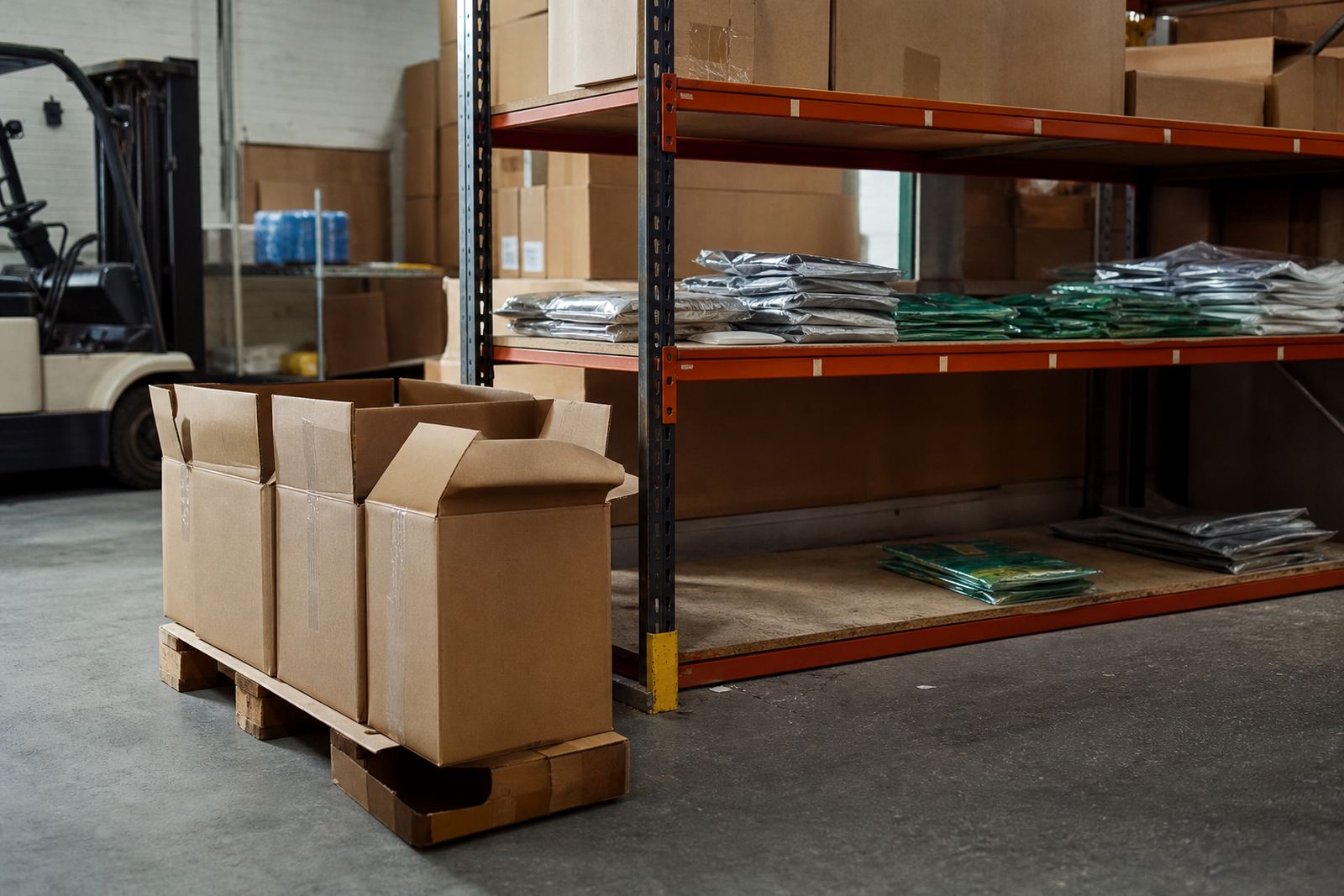
A simple rule is to check packaging stock at the same time as finished goods and raw ingredients. If only a few weeks of pack supply remain, the repeat order should already be in motion. That gives time to approve proofs, confirm quantities and keep the line running without interruption. It also avoids the scramble of having one format arrive and another still waiting.
For businesses in Pietermaritzburg, Ballito and other parts of the province, keeping a small buffer can help when deliveries are held up by traffic, weather or municipal access issues. A few extra days of planning can save a full production day later.
How Planning Ahead Protects Print Quality
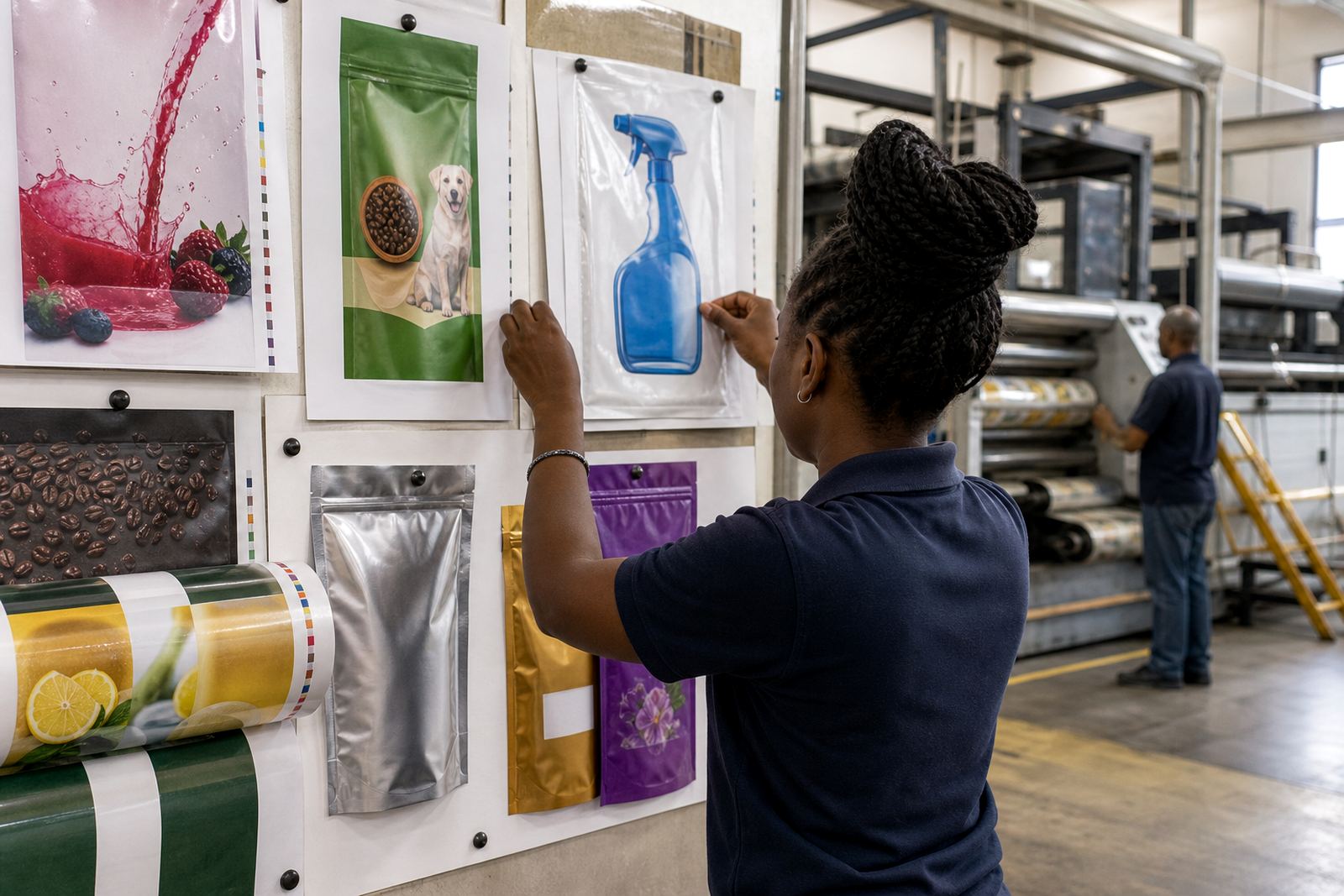
Repeat orders are not only about timing, they are also about consistency. If colour matching is done properly before the run, the new batch is more likely to sit comfortably beside the previous stock on shelf. That matters when a product has a strong brand colour, fine text or a pack that relies on a clear finish to stand out.
With flexible packaging, small changes can be easy to miss until the first filled packs come off the line. A shift in the background shade, a slightly moved seal area, or a line of text too close to the edge can create unnecessary waste. Planning ahead gives room for print proofing and careful artwork prep, so those issues can be caught early.
It also gives the production team time to check the material selection against the product itself. Some packs need more resistance to scuffing, moisture or handling, while others need a lighter structure for a sachet or wrap. Getting that right is easier when the repeat order is not rushed.
A Local Example From Pinetown to Gauteng
A food or household brand in Pinetown might start with a repeat order because sales are climbing in Durban and Johannesburg. If the next batch is only ordered when the last carton is open, there may not be enough time to match the previous colour exactly or to fit the job into the dispatch plan. That can create pressure all the way from prepress to loading.
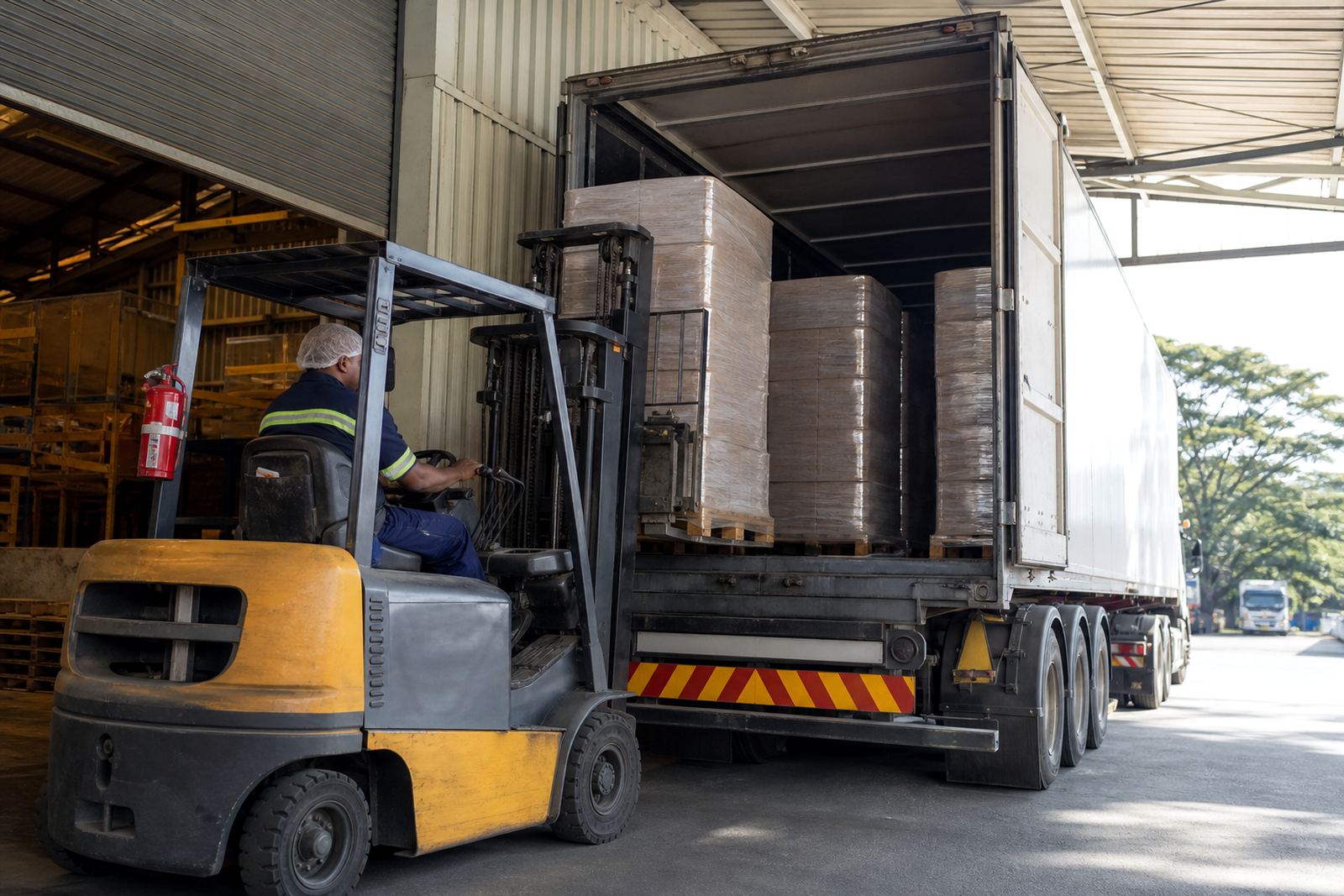
By contrast, a planned repeat order lets the team confirm quantities while the customer still has stock on hand. The artwork can be checked, the proof approved and the schedule set for delivery to Pretoria or Cape Town with less risk. The same approach works for smaller local deliveries too, including Ballito and Pietermaritzburg.
It sounds simple, but this is where many brands save time. They stop treating packaging as a last-minute item and start treating it like part of the production calendar. That one change can keep orders flowing more smoothly, especially when a second run is needed before the first one is fully finished.
A Repeat Order Checklist That Keeps Things Moving
Before placing the next order, it helps to confirm the basics in one go. That keeps the enquiry clear and cuts down on back-and-forth. A good checklist also helps the logistics side, because dispatch coordination can be arranged around the actual delivery point and the required pack count.
- Current stock on hand and estimated date of last use
- Pack format, size and quantity needed
- Any artwork changes or updated wording
- Preferred delivery area and timing
- Whether the next run is short run orders or a larger repeat batch
When these details are ready early, the order process becomes cleaner and the production slot can be secured with less pressure. It also gives the team space to handle repeat production properly instead of rushing through the last steps. For many brands, that means better planning and fewer surprises, which is often the difference between a calm month and a frantic one.