
Start with the layout, not the artwork details
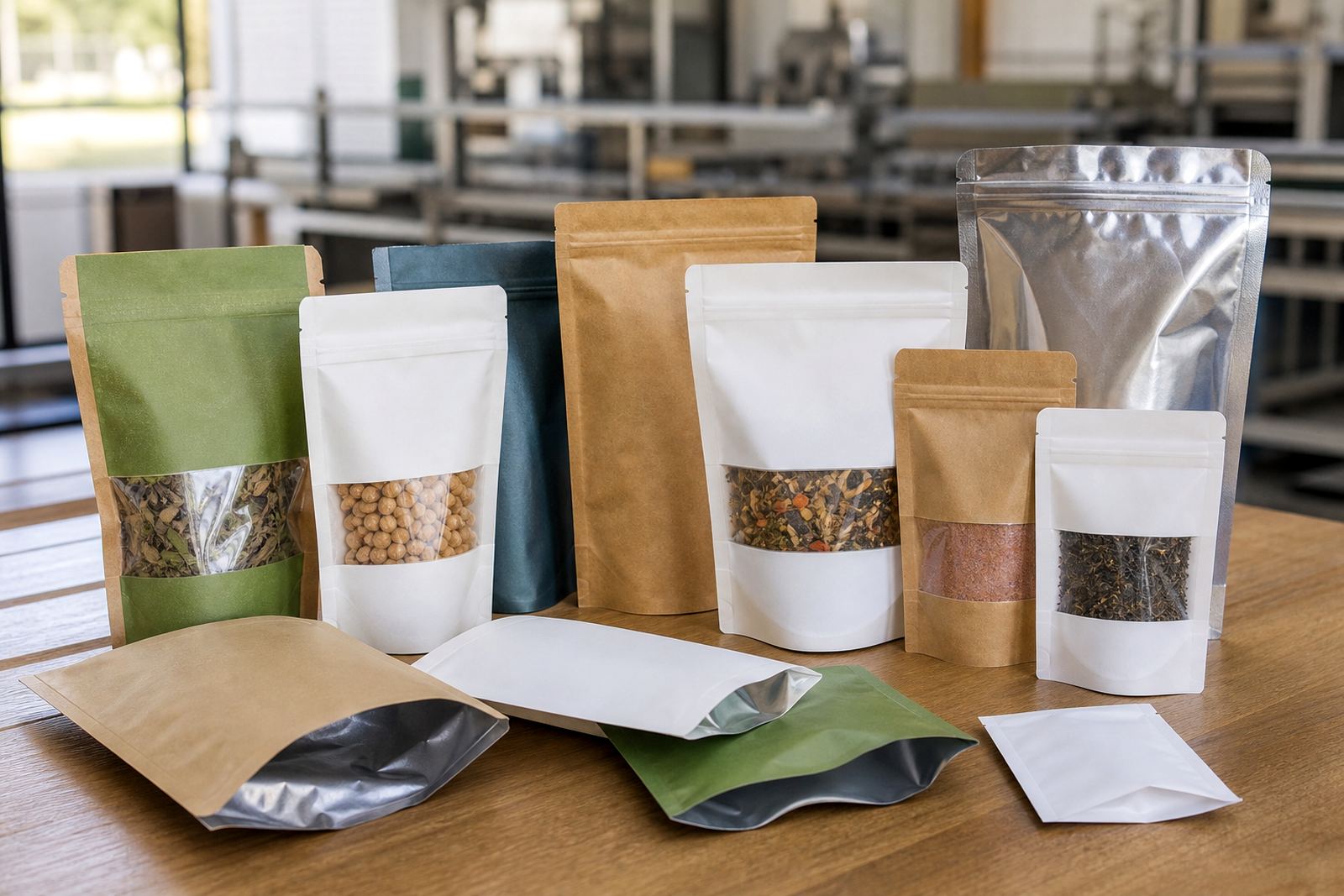
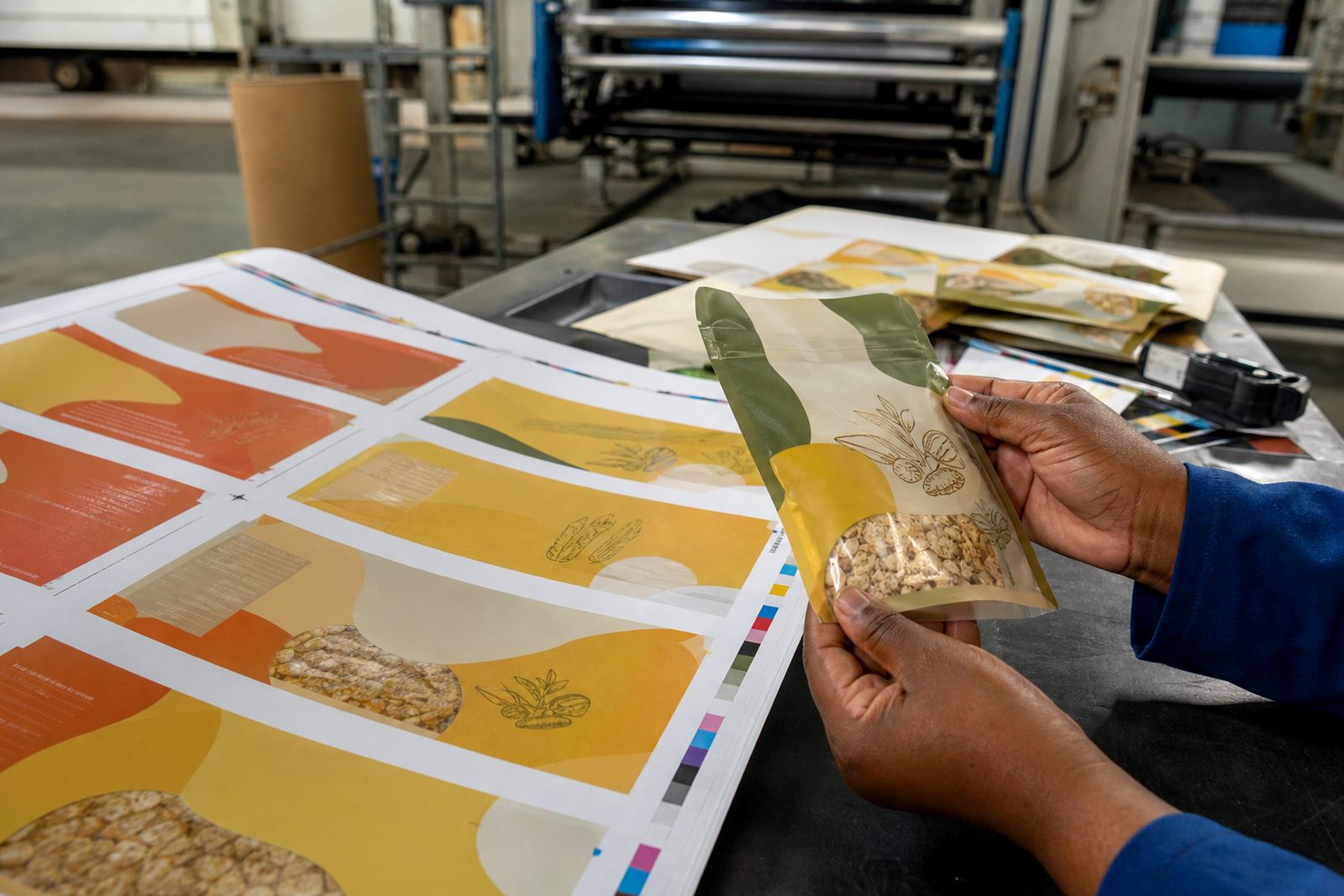
When a packaging proof lands on the table, begin by checking the basics. Confirm the format first: pouch, sachet or wrap, then make sure the flat size, repeat length and seal areas match what was agreed. If the proof shows a different pouch width or a wrap that does not leave enough margin for sealing, stop there and ask for it to be corrected.
It also helps to compare the proof against the brief line by line. Product name, pack size, flavour or variant, language, barcode position and any legal text should all be in the right place. In Pinetown we often see jobs where the artwork is correct but the pouch panel size is wrong by a few millimetres, and that can affect how the finished pack sits on the line.
Check the text like it will be read in the shop
Copy errors are often the most visible mistakes on printed packaging. Read every word out loud if you need to. Look for spelling, punctuation, unit sizes, batch panels and any claims that should be kept consistent across all pack sizes. A proof is not only for design approval, it is the last chance to catch a typo that would go straight to press.
- Product name and variant are exactly as approved
- Net content, dimensions and units are correct
- Ingredients, instructions and warnings are legible
- Barcode text and numbers match the artwork version
- Any multilingual copy appears in the right order
On a sachet run for a Durban distributor, one missing character in a flavour name can mean the whole outer carton looks wrong. It may seem small on screen but on printed film it stands out quickly.
Look closely at colour, not just the picture on the screen
Colour is one of the biggest points to check on a flexo proof. On screen, red, blue or metallic tones can look different from the final printed result. That is why you should confirm the actual colour references, the consistency between panels and whether solids, tints and skin tones are sitting where they should. If a brand colour needs to match across several packs, note that clearly before the job moves forward.
Different films and inks can also change the way colour appears. A clear wrap on a product sold in Cape Town may catch light differently from the same design on a matte pouch going to Bloemfontein. If the proof shows one colour block looking too dark or too pale, ask for a revised proof rather than hoping it will sort itself out later.
- Check for colour shift between panels and repeats
- Confirm black text is sharp and easy to read
- Look for any tint variation in large solid areas
- Ask whether the proof reflects the chosen material finish
- Compare against a previous approved pack if available
Make sure the pack structure works for filling and sealing
A good proof should do more than look neat. It must work as a pack. Check where the seals run, where the fold lines sit and whether there is enough space for the product inside without hiding important copy. Pouches need correct seal zones, sachets need tidy tear points and wraps must allow for proper alignment around the product.
This is where material choice matters too. A proof might look perfect on paper, but if the pack is meant for a humid coastal area like Ballito, the material and print layout still need to suit real handling and storage. Ask whether the proof reflects the intended film or laminate and whether any special areas for code stamping or batch marking have been left clear.
Use the proof to test practical details before approval
Think of the proof as a working document, not a decoration. Hold it up, zoom in on the barcode, check the registration marks and make sure the reverse side content is not upside down or missing. If the job has special notes for short run orders or repeat production, those should be visible on the approved version so the next run follows the same setup.
It is also worth checking how the artwork will sit next to the product name and opening features. If the tear notch, zipper or seal area is marked on the proof, confirm it lines up with the actual pack format. One small mismatch can affect the way the pack opens, and that is not something you want to discover after dispatch.
- Confirm barcode placement and scan area are clear
- Check tear notch, seal and opening features
- Make sure reverse panels match the front panel order
- Review any batch code or date stamp area
- Confirm the approved version number before sign off
A local sign off habit that saves time on repeat jobs
For many South African brands, the safest approach is to have one person review the proof for content and another check it for production details. That keeps the approval process tidy and reduces back-and-forth later. If a Johannesburg customer approves from a phone screen during load-shedding, it still helps to print or download the proof so the pack can be checked properly before sign off.
At Flexography Printing Co in Pinetown, the aim is to catch issues early so the job moves to press with less risk. Whether it is a small sachet order, a repeat pouch run or a wrap for a local brand, a careful proof review keeps the final pack closer to what was intended. It can also prevent a costly reprint, which is better for everyone.
If you are unsure about a panel, a colour, or the way a pack folds, ask for clarification before approval. That one step often makes all the difference.