Why launch packaging needs room to change
A new product rarely arrives with every detail settled. Flavour response, pack size, shelf placement and promotional timing can all shift in the first few months, so the packaging has to leave some room for adjustment. Flexible packaging formats are useful here because they can move from small trial runs to repeat production without forcing a brand into heavy print quantities too soon.
For launch work, the main question is not only how the pack looks, but how well it supports the first sales cycle. If a product is going into independent stores in Pinetown, Durban or Johannesburg, it may need a different pack size from something that will sit in a larger chain order. That is where pouch, sachet and wrap formats give practical options.
- Shorter print runs help reduce first-order pressure.
- Compact packs use less shelf space and are easier to sample.
- Artwork can be adjusted after the first market response if needed.
- Launch stock can be planned around real demand, not guesswork.
Compact formats that suit first-time market entry
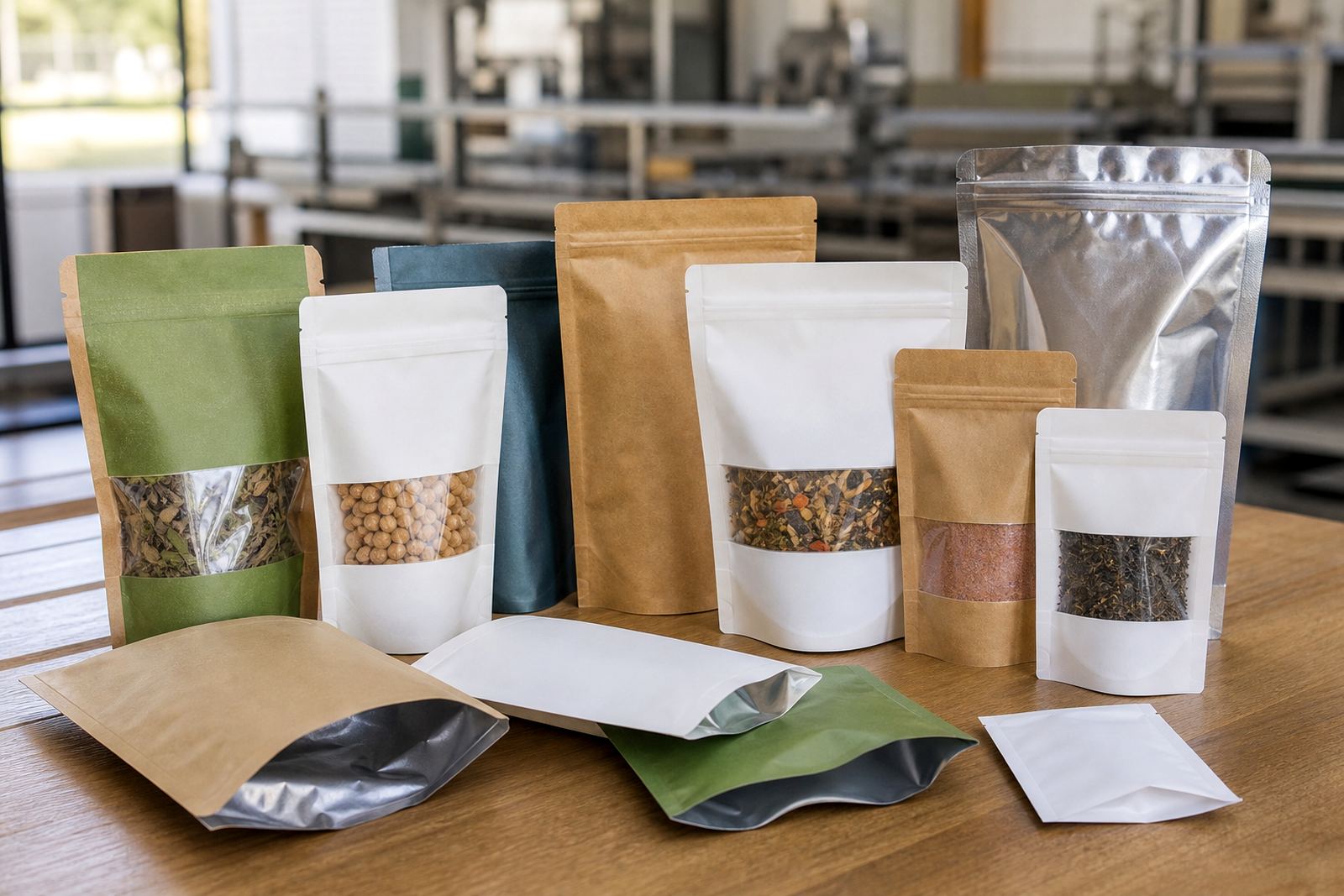
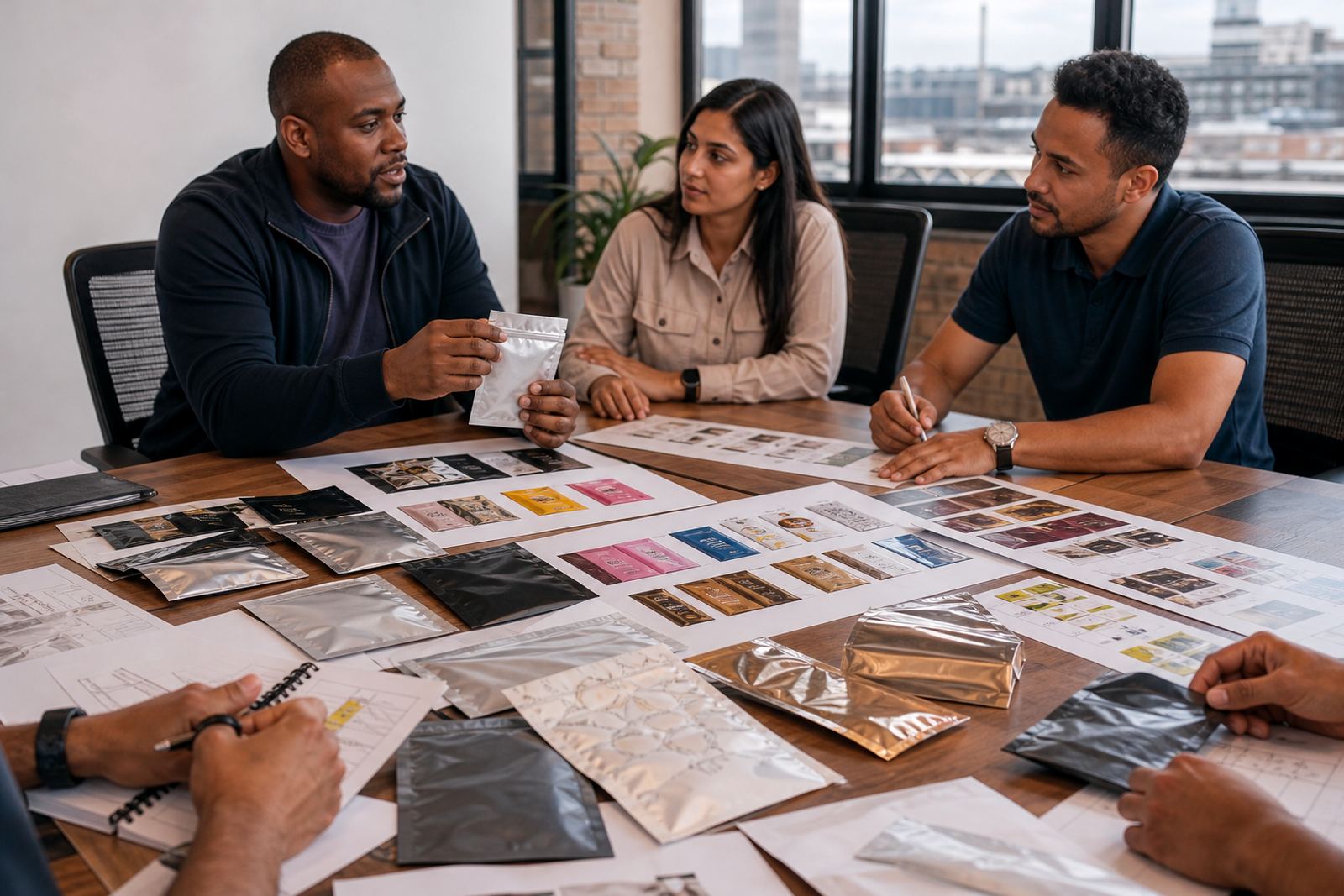
When a brand is entering the market, smaller formats often make the most sense. Sachets are useful for single-use portions, trial packs and promotional sampling. Pouches can suit product ranges that need a stronger shelf presence, while wraps remain practical for certain dry goods and convenience lines. The right choice depends on the product, the filling method and how the pack will be handled in stores and during transport.
In coastal areas like Durban and Ballito, packaging also has to cope with humidity and handling during warmer months. That does not mean one format is always better than another, but it does mean the material choice and seal quality need to be considered properly. A launch pack that looks neat in the office can still fail if it opens too easily, smudges in transit or wrinkles badly on shelf.
- Sachets suit trial sizes and price-sensitive launches.
- Pouches are better when the product needs more shelf impact.
- Wraps work well for certain streamlined pack styles.
- Material selection should match filling speed and storage conditions.
How short print runs help manage launch risk
Launching a new product is expensive enough without overcommitting to packaging. Short run orders allow businesses to start with a sensible quantity, test the response and then reorder once the market gives clearer feedback. This is especially useful for local brands selling into several cities at once, where uptake may differ between Durban, Pretoria and Cape Town.
Shorter runs can also reduce the risk of changes after launch. If a pack needs a wording adjustment, a panel change or a different colour balance, it is easier to make that shift on a smaller batch. That keeps the launch moving and avoids a warehouse full of packs that no longer match the product line. It is a simple approach, but it saves time and money.
For many smaller brands, the first order is not about maximum volume. It is about getting into trade with the right pack, at the right price point, without overstretching the budget. That matters a lot when transport, storage and promotional costs are already in the mix.
Print proofing and colour control before the first run
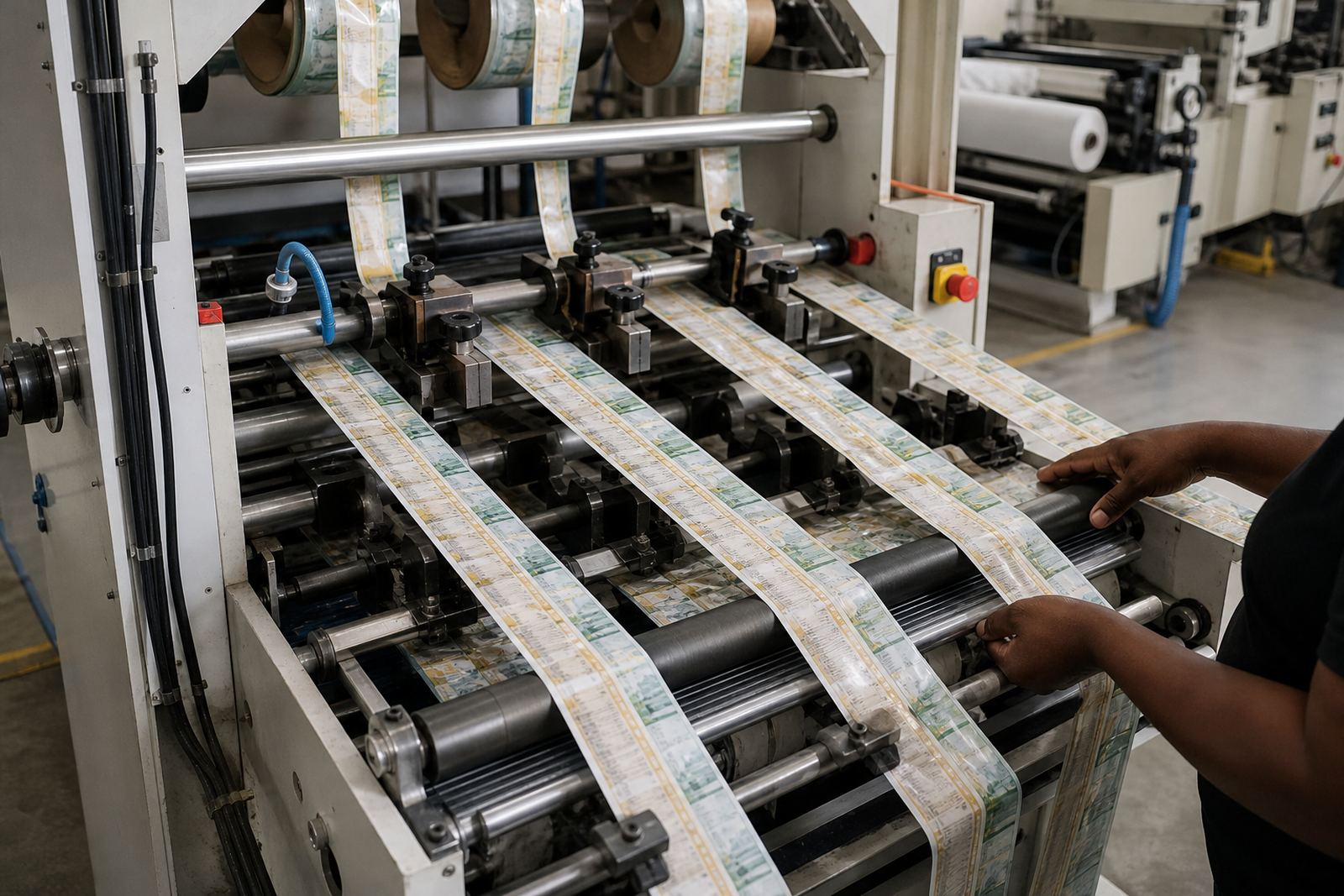
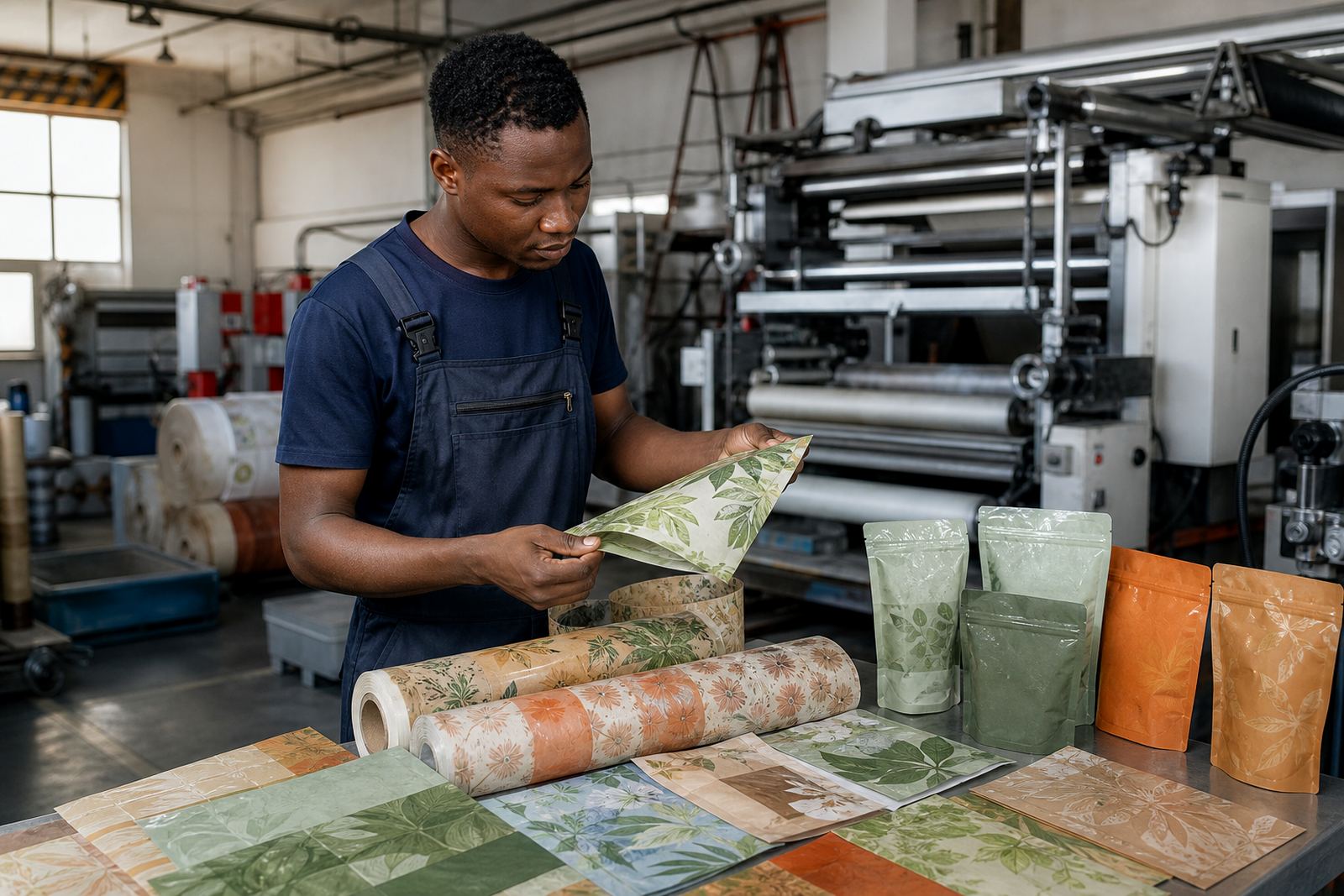
Launch packaging needs careful checking before production starts. Artwork proofing gives the team a chance to confirm copy, layout, barcode placement and the way colour sits on the chosen material. This stage matters because what looks fine on a screen can behave differently once it is printed on film or laminate. A slight shift in colour can change the whole feel of a new range.
Colour matching is especially important when a brand is building recognition across multiple pack sizes. If the sachet, pouch and outer wrap all belong to the same launch, they should look like they come from the same family. That consistency helps retailers and customers identify the product quickly, even on a busy shelf.
It also helps to keep the artwork process practical. Launches often move quickly, and the people handling approval are juggling product development, sales and dispatch at the same time. Clear proofing notes, clean artwork files and direct feedback save time and reduce mistakes, which is always useful when deadlines are tight and the load-shedding schedule is not helping.
A Pinetown example for a South African launch
Think of a new food or personal care line being prepared in Pinetown for distribution into Durban, Johannesburg and Bloemfontein. The brand may start with sachets for sampling and a compact pouch for retail sales, then follow with a repeat order once the first response is known. That approach keeps the launch practical and avoids tying up cash in a large first print.
In this kind of rollout, logistics matters as much as print quality. Packs need to be dispatched in time for store listings, sales visits and distribution drops. If the launch is planned properly, the packaging arrives ready for filling and shelf placement, instead of becoming another last-minute problem. A small delay on print can affect the whole schedule, so coordination between artwork, production and dispatch counts for a lot.
- Start with a realistic quantity for the first market entry.
- Match the format to the way the product will be sold.
- Plan the dispatch date around launch promotions and store receiving times.
- Keep a repeat order pathway open if the first batch performs well.
What launch teams should decide before ordering
Before placing a launch order, teams should settle the practical points first: pack size, filling method, quantity, storage conditions and the likely sales path. If the product will move fast, a larger pouch may make sense. If the aim is sampling, a sachet can be more suitable. If the product must travel long distances, packaging strength and seal consistency become even more important.
It helps to involve the production team early, so material options and print setup can be matched to the launch plan. A good launch pack is not only about appearance. It has to be sensible on the line, manageable in the warehouse and easy to dispatch across South Africa. When those basics are sorted early, the launch runs smoother and the brand gets a better first impression.
At Flexography Printing Co in Pinetown, launch packaging is handled with the same practical focus as repeat production. The aim is to help local brands get into market with the right format, the right quantity and a print finish that holds up once it leaves the factory.