
What a gusset does in a pouch or sachet
A gusset is a folded section built into a pouch, sachet or wrap so the pack can open out, hold more product, or sit better on a shelf. In simple terms, it is the extra working space inside the pack. Without a gusset, many formats stay flat and narrow. With a gusset, the same material can carry a fuller fill, improve presentation and help the pack behave better during packing and transport.
For South African brands, this matters because products are not all packed or stored in the same way. A dry food brand in Pinetown may need a pouch that stands neatly in a shop fridge, while a spice or snack supplier in Johannesburg may want something that fits tightly into cartons for dispatch. The gusset shape helps the pack suit the product and the way it moves through filling, sealing and delivery.
When people ask about gussets, they often want to know whether the pack will look better. That can be part of it, but the real value is functional. The right fold can help with fill volume, shelf stability, print area and product protection, all at the same time, which is why it is worth planning early.
Side gussets and where they work best
A side gusset is a fold added along one or both sides of the pack. When filled, those side panels expand outward. This gives the pouch a more box-like shape without turning it into a rigid carton. Side gussets are common where the product needs extra width but still needs to remain neat in display or in transit.
They are useful for products such as dry ingredients, powdered mixes, pet treats, snacks and small hardware items. The added width can make the pack easier to hold and easier to pack into cartons. Side gussets also give designers more space to work with on the front and back panels, though the folds must be planned properly so important text does not land in the wrong place.
In production, side gussets need careful alignment during flexo printing and converting. If the fold lines are not planned well, the printed image can end up awkwardly positioned once the pack is filled. That is why artwork prep and print proofing matter so much. A pack may look fine flat, but once folded and sealed, the image area changes. A good prepress setup avoids this problem before the job reaches the machine.
- Best for products that need extra width without a bulky base
- Useful when the pack must fit carton sizes for dispatch
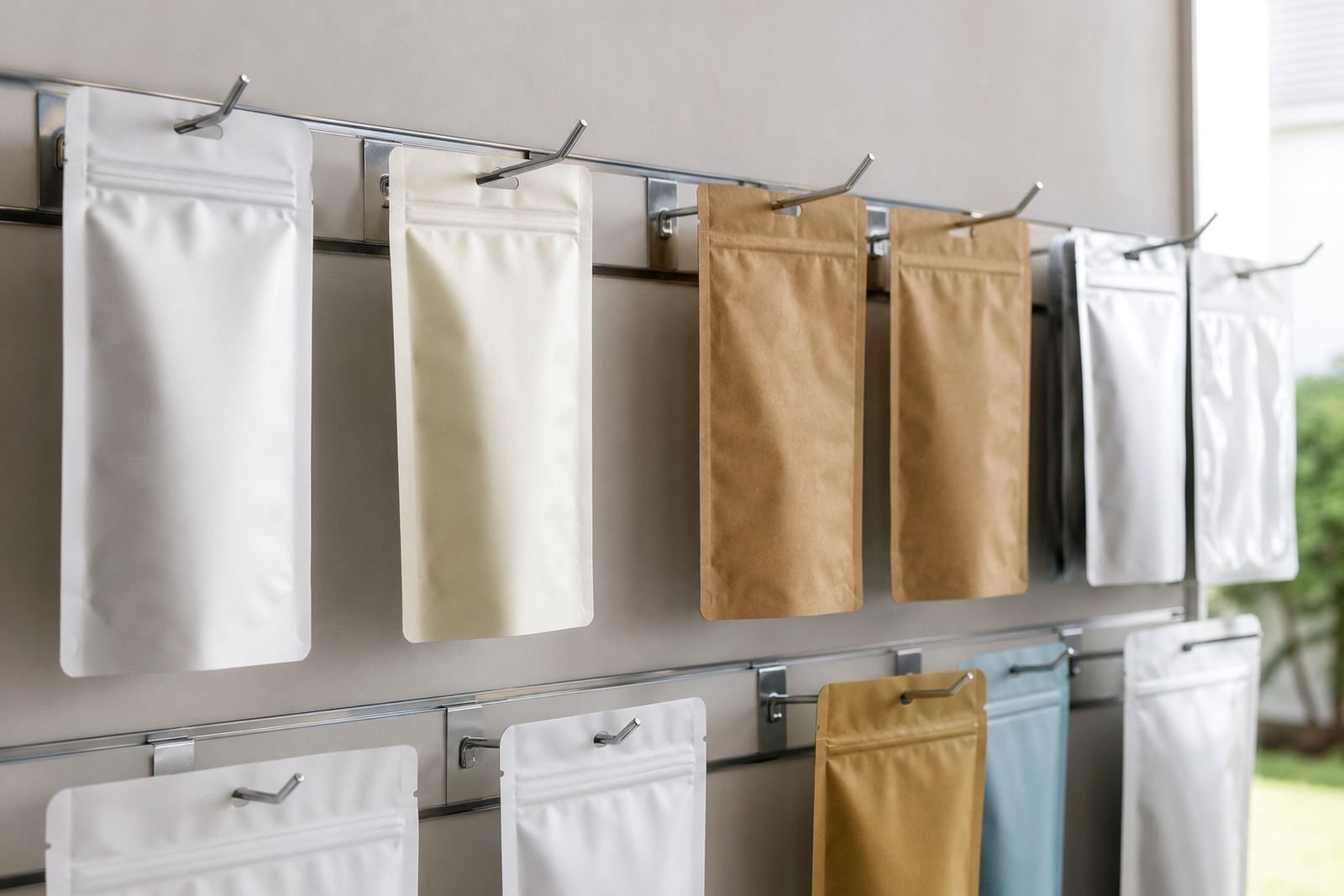
- Helps create a neat retail shape for shelves and displays
- Needs careful artwork placement around fold areas
Bottom gussets for standing packs and cleaner shelf display
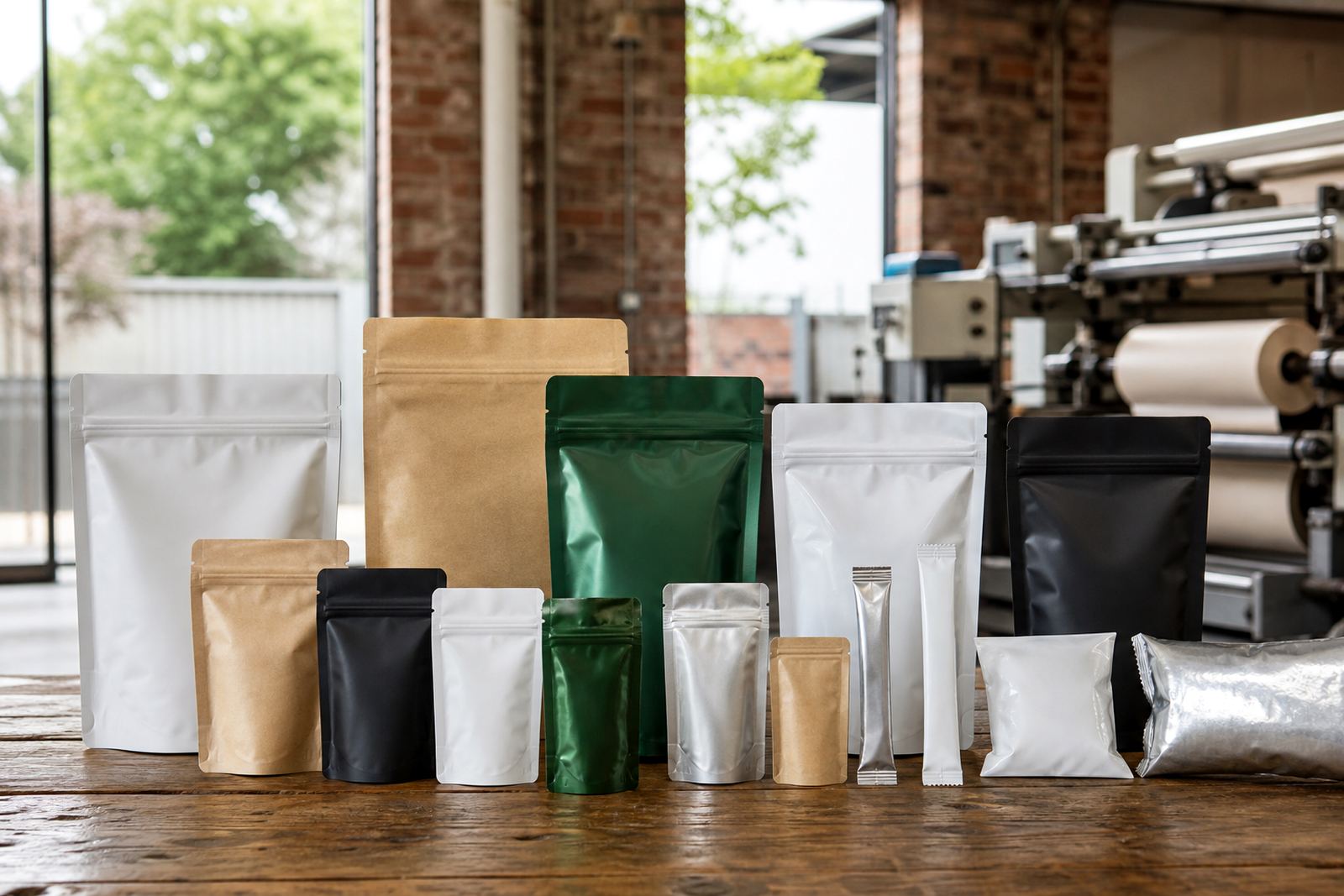
A bottom gusset is a folded section at the base of the pack. When the pack is filled, the base opens out so the pouch can stand more steadily. This is one of the main reasons why many brands choose it for retail packaging. It gives the product a more stable footprint and often makes the pack easier to display in shops, spaza stores and food counters.
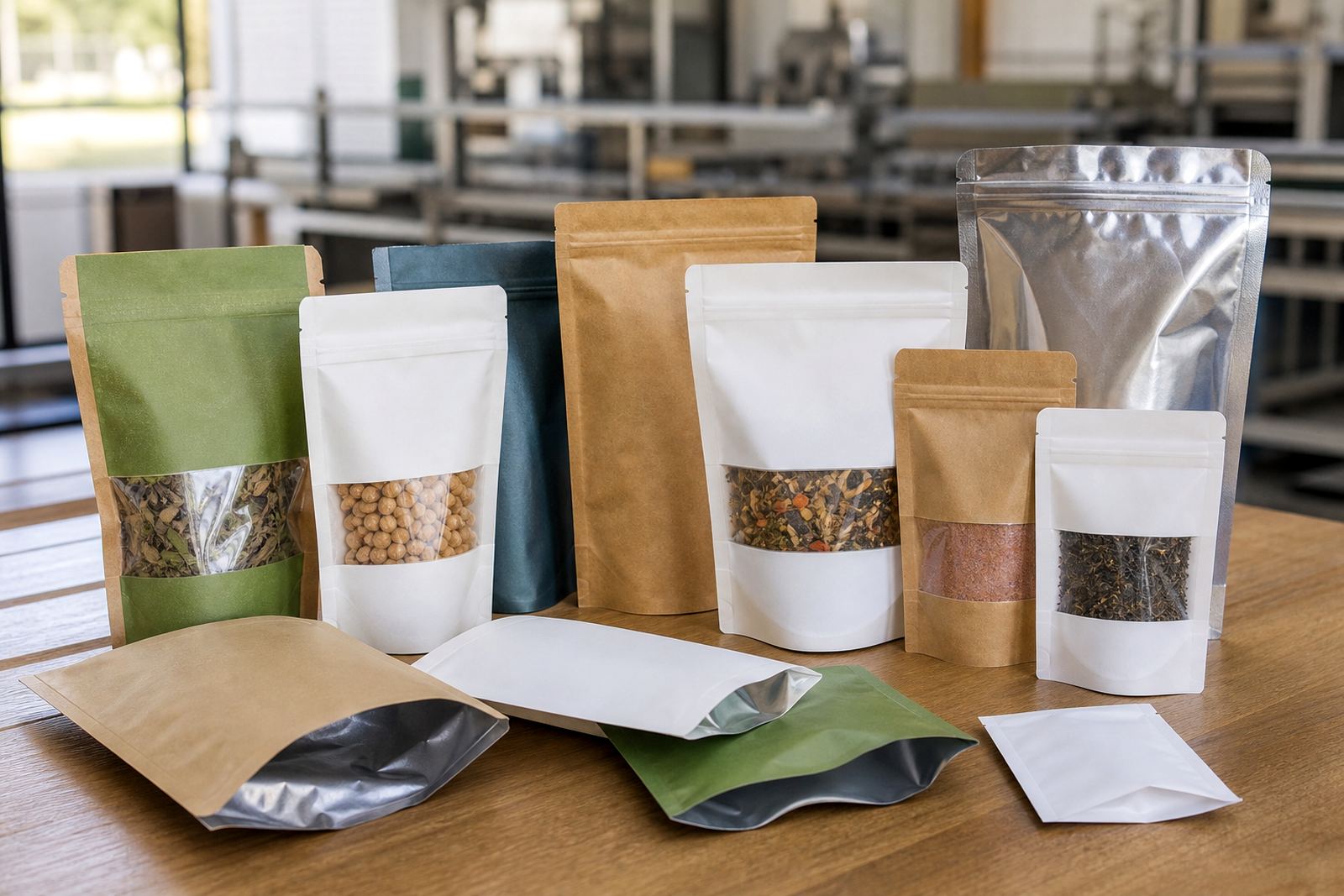
Bottom gussets are often selected for products that need a strong shelf presence, such as grains, coffee, baked goods, confectionery and dry pet food. They can also suit sachet-style applications where a short stand-up pack is needed for a sampled product or small fill quantity. The shape helps the pack feel more structured, even though the material remains flexible.
For humid coastal areas like Durban and Pietermaritzburg, the choice of film and seal quality matters just as much as the fold itself. A good bottom gusset only performs well if the material, sealing and fill process all work together. If the pack is going to travel between warehouse, retailer and customer, the base must be set up to handle stacking and movement without distortion.
- Good for standing display on shelves and counters
- Helps with stability when the pack is filled
- Often chosen for retail packs that must look tidy from the front
- Works well with products that are poured, scooped or weighed in filling rooms
How gusset choice affects printing and artwork layout
Gussets are not only a converting detail. They change the way artwork sits on the finished pack. A design that looks balanced on a flat layout can shift once the folds are added. That means logos, barcodes, legal copy and handling instructions must be placed with the finished shape in mind, not just the flat sheet.
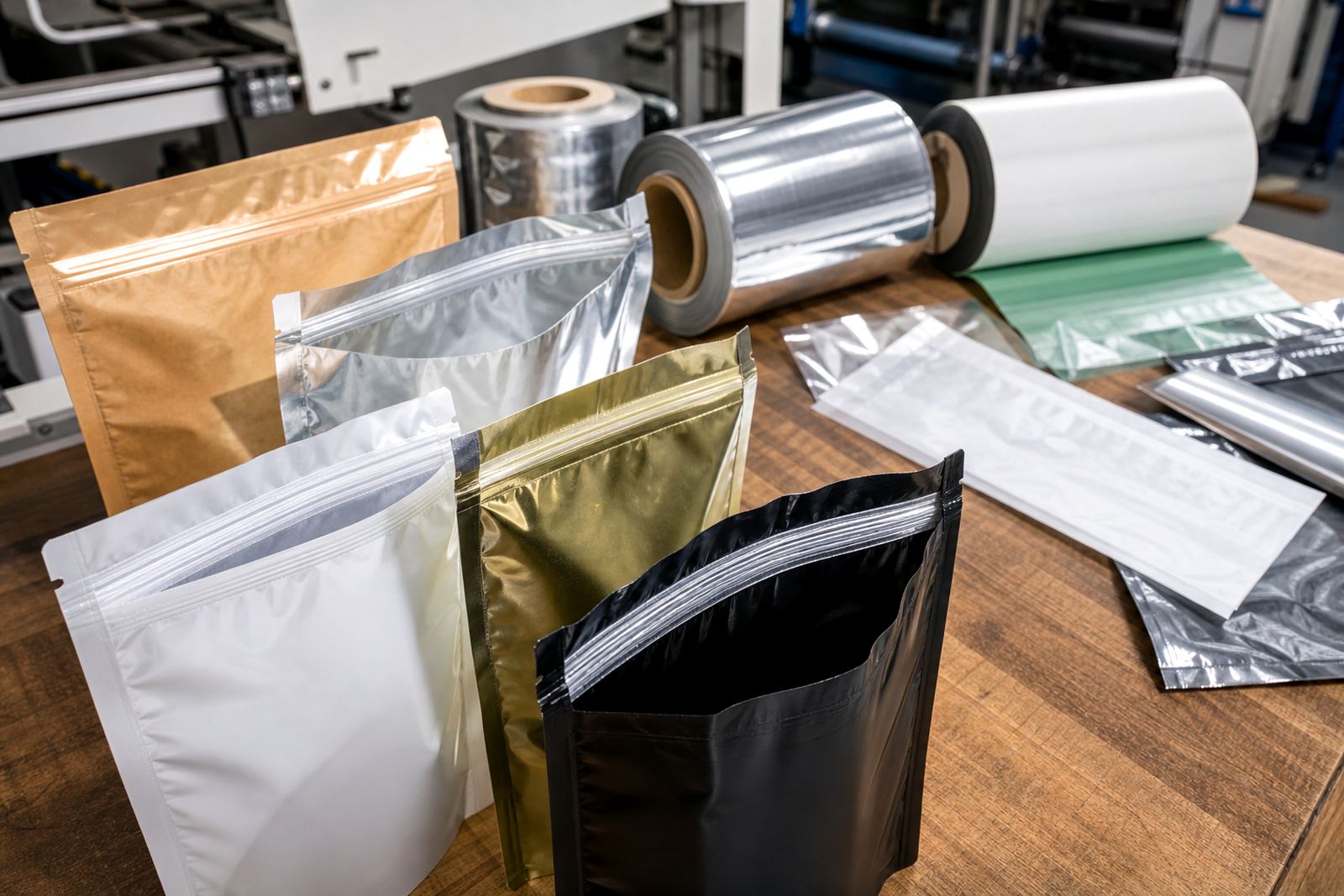
When planning flexo printing for flexible packaging, it helps to know where the fold lines fall and how the pack will be sealed. The visible panels on a side gusset pouch are not always the same as the panels you see before forming. On a bottom gusset pack, the lower section may hide or distort small text if it is placed too close to the fold. This is why proofing is worth the time.
In practical terms, artwork should allow enough breathing room around folds, seams and seal zones. Text that is too close to a fold can be hard to read after filling. Fine lines, small type and light colour blocks also need checking against the substrate chosen. On some films, print contrast is strong; on others, the finish can soften the image. Small adjustments at proof stage save trouble later.
Choosing the right fold for your product and packing line
The right gusset depends on what you are packing, how it is filled and where it will be sold. A product packed by hand at a small site in Pinetown may need a different solution from one run through a faster filling line serving Gauteng or the Western Cape. If the pack is being weighed manually, a wider opening may be more useful. If it is part of a repeat production run, consistency may matter most.
Think about these points before choosing a format:
- How much product goes into each pack
- Whether the pack must stand on shelf or lie flat in a carton
- How often the same pack will be repeated
- Whether the product is dry, powdery, oily or fragile
- How it will travel in warm weather, coastal humidity or long-distance delivery
At Flexography Printing Co, these questions help guide the packaging consultation and material selection process. The aim is to match the structure to the product, not force the product into a shape that looks good only on paper. A well chosen gusset can reduce handling issues, improve shelf order and make filling easier. That is practical value, not decoration.
A local example from Pinetown to Cape Town
Consider a KwaZulu-Natal food brand launching a dry snack line from Pinetown. The team wants packs that can be filled locally and delivered to Durban, Johannesburg, Pretoria, Cape Town and Bloemfontein. They also need the product to look tidy on a shelf and stack well in cartons. A bottom gusset pouch may be the better choice if the pack needs to stand upright. If the product is bulkier or the fill must spread wider, a side gusset may suit it better.
Now add the realities of local logistics. During load-shedding, packing schedules can shift. On hotter days, sealing conditions can also change. Long-distance transport can put stress on the base and fold areas. That is why repeat production needs the same fold dimensions, the same seal settings and the same proofed artwork each time. A small shift in the fold can change how the whole pack presents, and that is where careful production management pays off.
For many local brands, the decision is not about which fold sounds better. It is about which fold helps the pack do its job from filling to final delivery. That is the real test of a good gusset, and it is where experienced flexo printing and converting make a noticeable difference.