Why sachets work when you want a quick trial
A sachet gives a customer just enough product to try it without a big commitment. That makes it useful for new launches, seasonal offers, trade shows, roadshows and in-store giveaways where attention spans are short and the first impression matters.
For many South African brands, sachets are also a smart answer to busy stockrooms and mixed delivery routes. They are light to pack, easy to hand out and simple to store in cartons at a warehouse in Pinetown, even when load-shedding is interrupting the day and staff need to move fast between jobs.
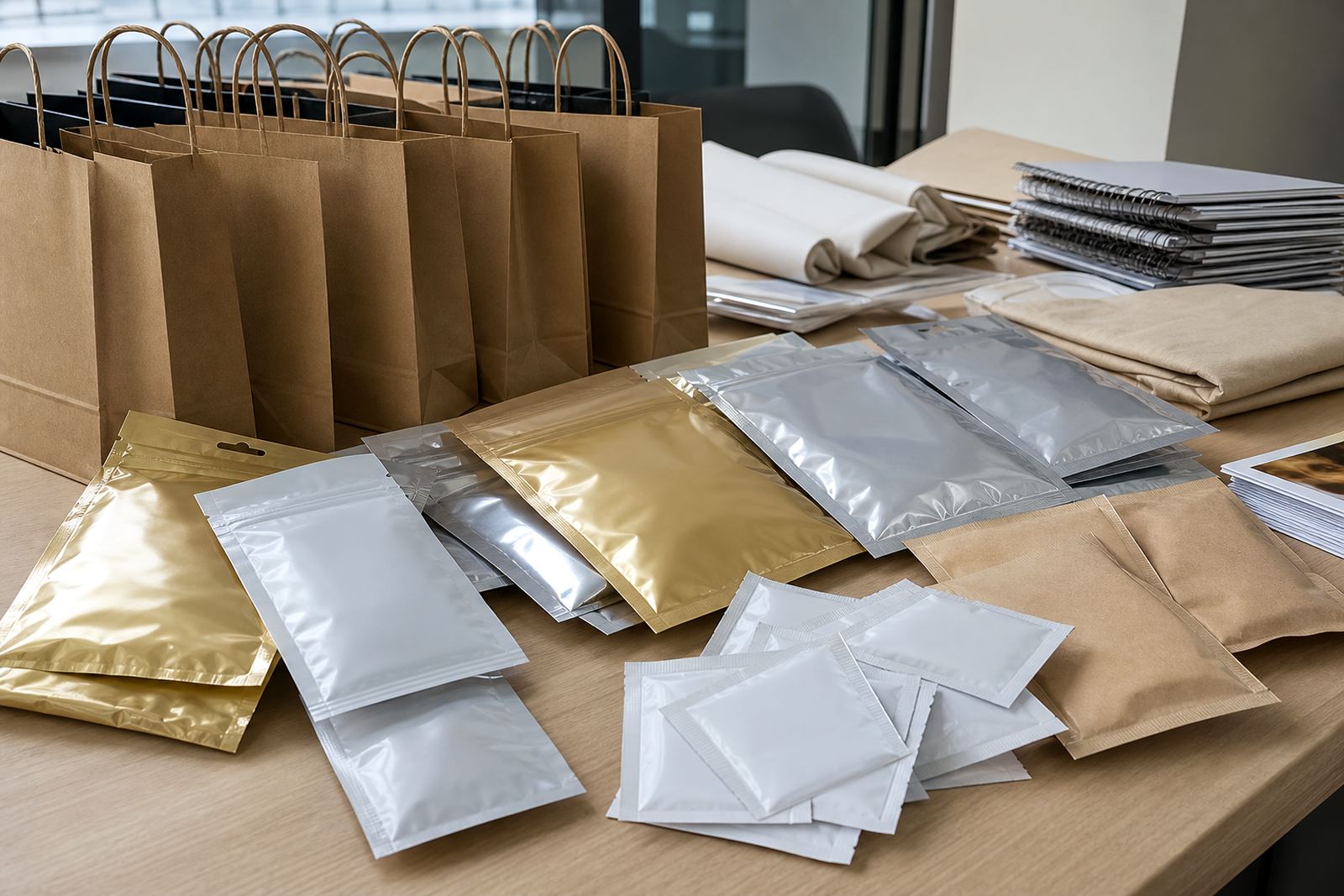
We see sachets used for liquids, powders, granules and small single-use portions. The key is to match the product to the filling method, seal strength and film structure so the sachet stays neat from packing through to delivery.
Common sample sachet ideas for local brands
Brands often start with one simple idea and then adapt it for different channels. A sachet for a retail counter does not always need the same size or finish as a sachet for a conference bag or a sales rep kit. The format should suit the product and the place it will be opened.
- Single-use condiments for food service tastings and promotional meals
- Haircare or skincare samples for salons, launches and direct mail packs
- Cleaning product trials for demonstrations in stores and markets
- Powdered drinks or nutritional samples for event handouts
- Small hardware or adhesive samples for trade buyers and installers
- Pet care samples for vet clinics, pet shops and expo stands
In practice, the best sample sachet is one that is easy to tear, easy to read and easy to carry. If the branding is clear and the instructions are short, people are more likely to keep it rather than toss it into the car footwell or bin.
How to choose the right size, shape and finish
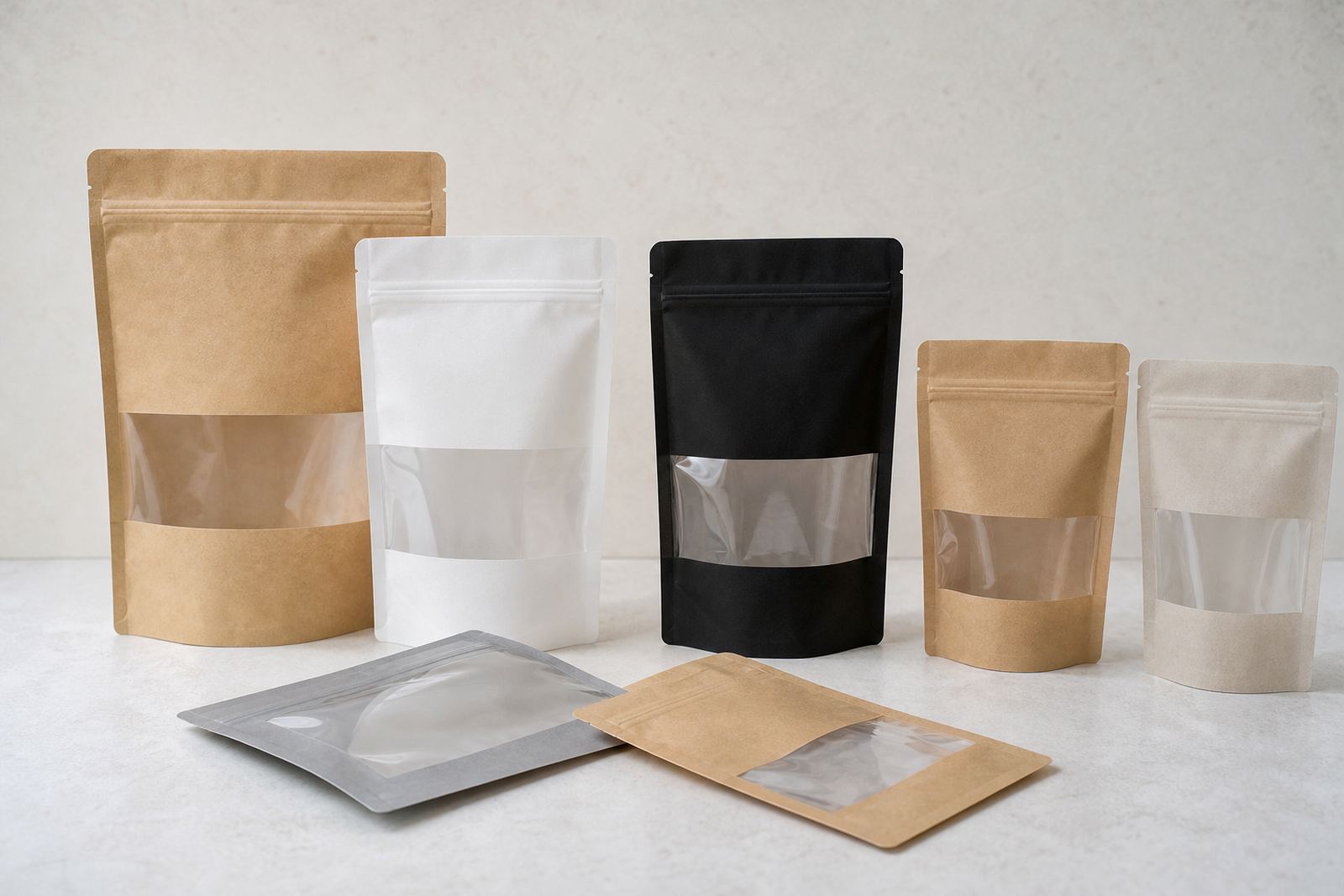
Sachets are small, but there is still a lot to decide. Size affects fill weight, handling and how much information can fit on the pack. Shape affects how the sachet opens and whether it sits flat in a box, while the finish can influence shelf appeal and the feel in the hand.
For a simple trial pack, a flat sachet is often the first choice. If you need more room for branding, instructions or regulatory copy, a longer format may be better. Some products also need a stronger barrier against moisture or odour, especially in coastal areas like Durban where humidity can be a factor in storage and transport.
Useful points to discuss early include:
- How much product each sachet must hold
- Whether the fill is liquid, powder or granules
- How the pack will be sealed and opened
- Whether it needs matte, gloss or a natural film look
- How the sachets will be boxed, counted and dispatched
Good planning at this stage saves waste later, and it keeps the line moving more smoothly during repeat production runs.
Artwork that fits a very small canvas
Because a sachet has limited space, the layout needs discipline. The product name, flavour or variant, usage details and any mandatory copy must be easy to read at a glance. Tiny text that looks neat on screen can disappear once the pack is printed and folded.
Strong sachet artwork usually has one clear focal point and one simple message. If the pack is for sampling, the front should tell people what it is and why they should try it. If it is for direct handouts, a short use case or benefit line can help make the pack feel useful, not just promotional.
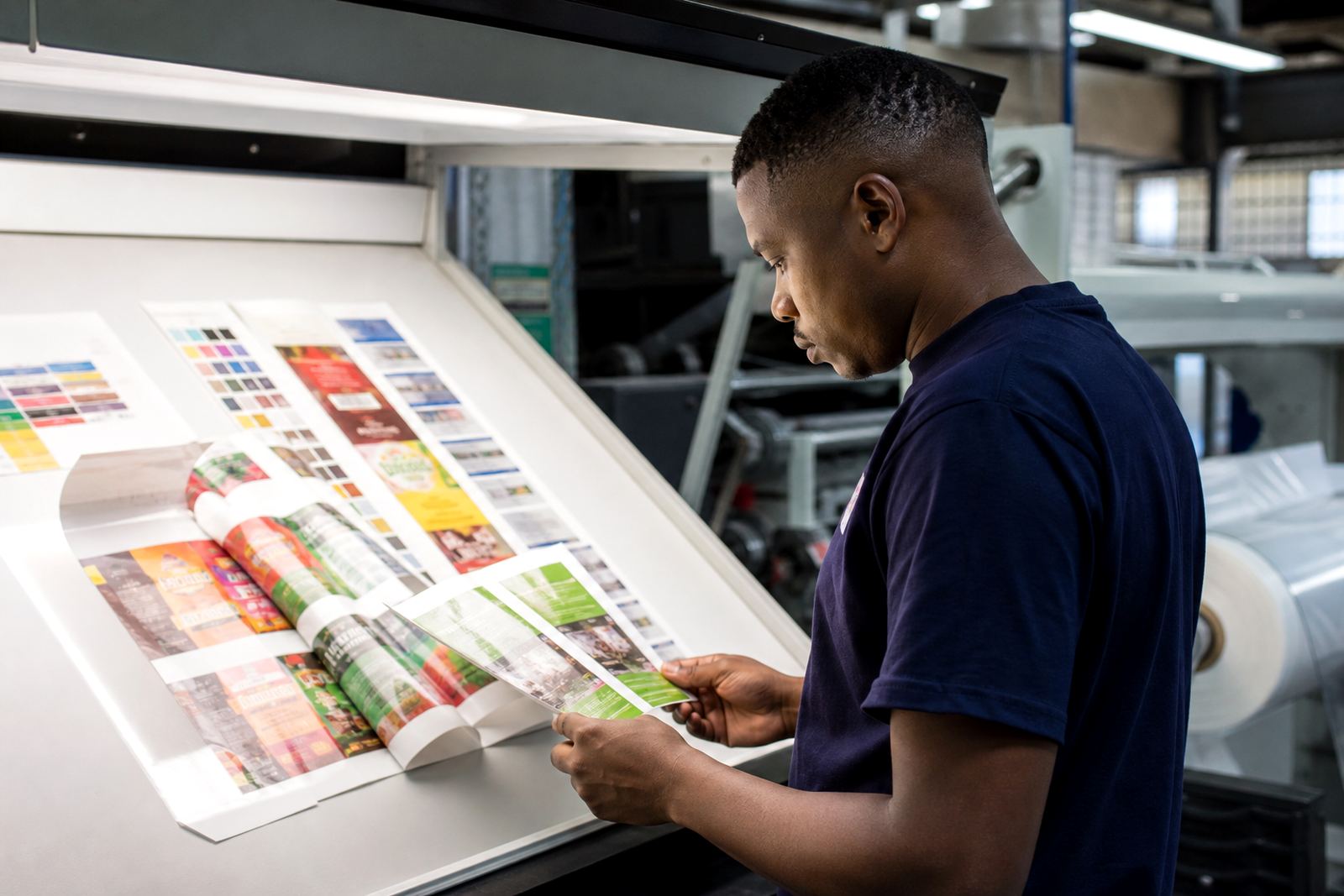
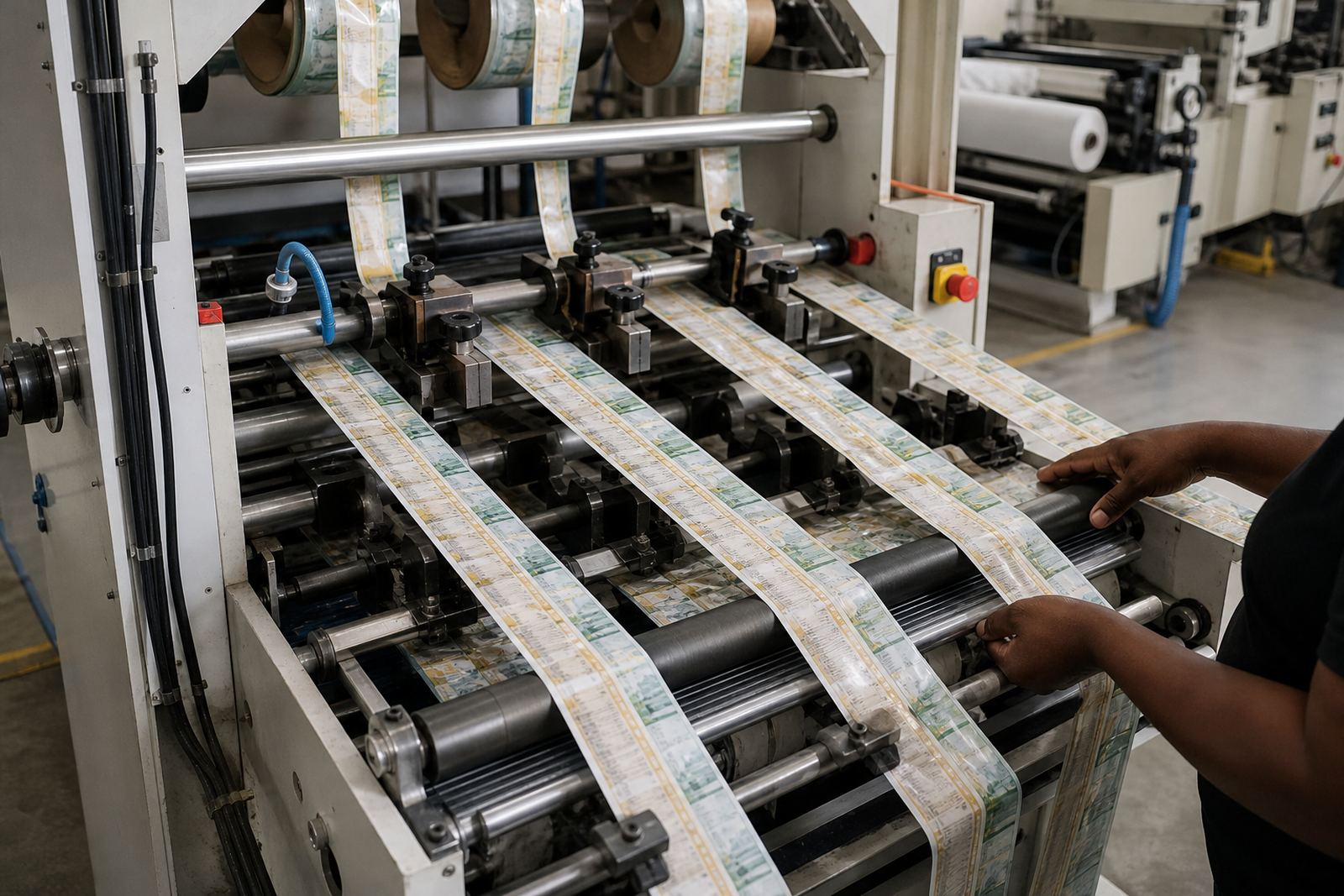
Artwork prep and proofing should happen before production starts. That gives time to check colour balance, spelling, line weights and bleed. It also helps avoid surprises with fine detail on flexo printing, where a clean file and sensible ink coverage make a real difference.
Our team often advises brands to keep one version for launch events and another for repeat orders. That way the same core design can be used across Durban, Johannesburg and Cape Town without reworking the whole file each time.
Using sachets for events and direct handouts
Events are one of the easiest places to test a sachet. People can take one, use it later and decide whether the product is worth buying again. That is especially useful at expos, retail activations, pop-up counters and sales calls where a brand needs a quick way to get into someone’s hand.
For direct handouts, it helps to think about the route the sachet will follow. A pack that will be passed out at a busy show in Pretoria may need clearer branding than one tucked into a courier parcel going to Bloemfontein. A small card or carton insert can also help explain the sample without adding much cost.
- Keep the message short and practical
- Use a format that fits into handout bags or sample kits
- Make sure the sachet survives stacking and transport
- Plan enough lead time for proofing, print and dispatch
When a sample pack works well, the customer remembers the product after the event is over, not just the stand or the sales pitch.
A local example for a Pinetown launch campaign
Picture a KwaZulu-Natal brand launching a new shower gel range from Pinetown. The team wants to place samples in salons, include trial packs in direct orders and hand out a few thousand sachets at a weekend retail event in Durban. The sachet needs to look neat, fit a small budget and hold up during delivery across different towns.
In that kind of project, the brand may choose a flat sachet with clear variant colours, short use instructions and a simple front panel. If the stock is moving to Johannesburg or Pretoria, the cartons should be packed so the sachets do not crease or slide around in transit. For coastal deliveries, the material choice needs to suit warm, humid conditions and the handling that comes with a busy distribution schedule.
Our team coordinates the practical side too, from material selection and colour matching to short run orders, repeat production and dispatch coordination. That matters when a launch goes well and the client needs more stock sooner than planned, sometimes with only a few days to spare because the promotion is already live.
For brands in Pinetown, Pietermaritzburg and Ballito, the sachet is often the first touchpoint a customer gets. If it is well thought out, it can do the job of a much larger pack at a fraction of the size.
What to ask before you place a sachet order
Before production starts, it helps to be clear about purpose, quantity and timing. A sachet for sampling is not the same as a sachet for retail sale, and the packing method may change depending on the product. The more practical detail you share, the better the result.
Ask yourself these questions before you send through an enquiry:
- Who will receive the sachets and where will they be used?
- What product will go inside, and how will it be filled?
- How many units are needed for the first run?
- Will the packs be handed out loose, boxed or inserted into another pack?
- Do you need repeat production after the first launch?
Once those basics are clear, it becomes easier to choose the right print format, the right artwork setup and the right dispatch plan. That saves time and keeps the order moving without unnecessary back and forth.