
Why smaller runs make sense when a product is still proving itself
Short run packaging is useful when you are launching a new flavour, testing a price point, or taking a limited batch to market. Instead of committing to a large quantity of pouches, sachets or wraps, you can start with a smaller order and watch how the product performs in shops, at events or through direct sales. That gives you time to check demand, pricing and shelf appeal before you lock in larger volumes.
For many local brands, the value is not only in lower upfront spend. It is also in flexibility. If the recipe changes, if the pack size needs to shift, or if a retailer asks for a different format, you are not left with thousands of units that no longer suit the product. In practical terms, short runs help you move with the market instead of sitting on old stock.
In Pinetown and surrounding industrial areas, that approach is common for brands working through launch phases and seasonal promotions. It is especially useful when stock space is limited, because stored packaging can take up room fast and older material can become a cost you did not plan for.
Choosing the right format for a short run
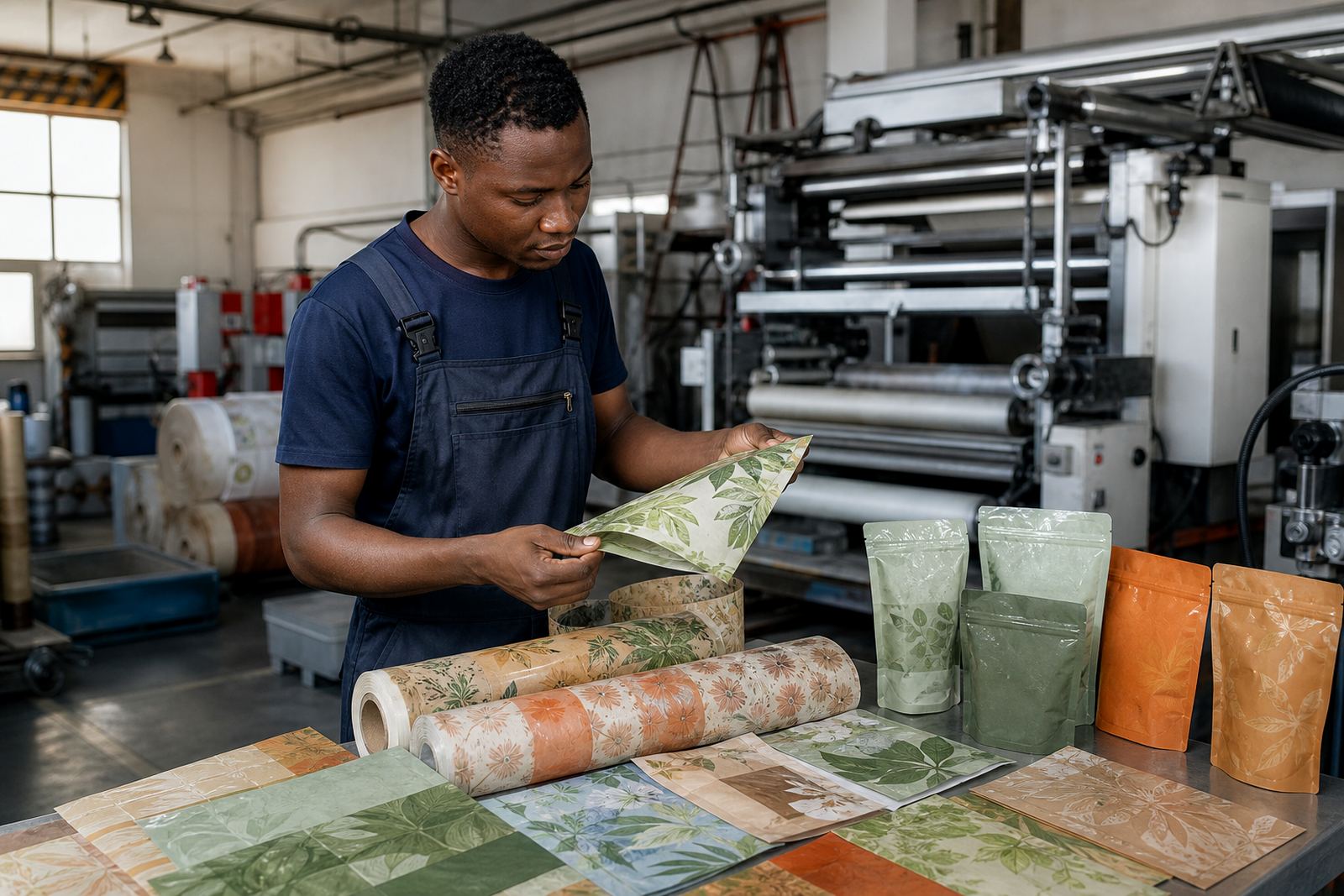
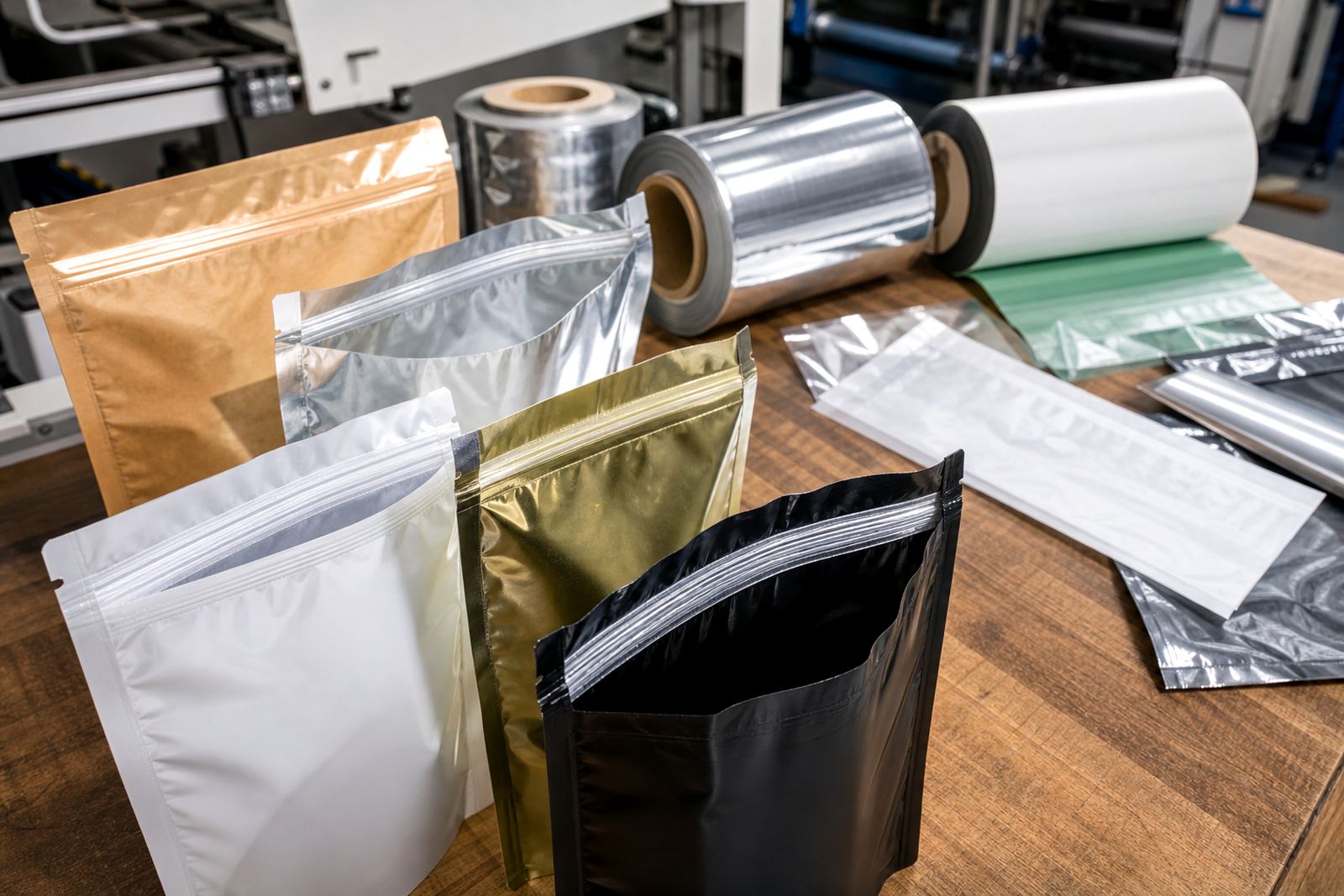
The best format depends on how the product will be used, packed and sold. A pouch may suit a refill, snack or powdered product. A sachet is often better for sample packs, single serves or trial sizes. Wraps work well for items that need a neat outer layer or a simple branded finish. The format should match the product first, not the artwork.
We usually encourage clients to think through filling, sealing and handling before artwork is finalised. A small run can still need careful planning around dimensions, seal positions and how the pack will sit on a shelf or in a box. If the pack is going into retail, spaza trade or direct distribution, those details matter because a neat pack is easier to stack, display and transport.
- Match the pack size to the actual portion or fill weight
- Allow space for required copy and barcode placement
- Check how the pack will be sealed and opened
- Consider humidity, heat and handling during transport
- Keep your artwork flexible if more than one flavour or variant may follow
What to sort out before print approval
Short run orders still need proper setup. The most useful part of the process is often the preparation before anything goes to press. That includes confirming the artwork, checking the colours, agreeing the material choice and making sure the print layout suits the final pack size. If there are several variants, it helps to group them clearly so the workflow stays efficient.
For smaller orders, corrections can be costly if they are left too late. A missing instruction, an off-centre panel or the wrong colour tone can slow things down and affect the finished result. That is why print proofing and artwork prep are worth the time, even when the order is not large. A short run should still look considered, not hurried. One missed detail can affect the whole batch.
We also find that local brands benefit from being direct about their priorities. If the main goal is shelf appearance, that may influence colour matching. If the product will face transport over long distances, material selection may need a stronger focus. If the run is for a campaign, the timing of dispatch coordination becomes just as important as the print itself.
Keeping costs under control without cutting corners
Short runs can be economical, but only if the brief is clear. Frequent design changes, unclear quantities or last-minute format shifts can quickly push up the cost of a small order. The cleanest way to manage spend is to decide what must stay fixed and what can stay open for later review.
For example, many businesses will keep the core pack structure the same and only adjust the print for flavour, campaign wording or batch details. That way the production work stays more manageable. Repeat production can also help if the same pack is reordered in stages, because the process becomes easier to plan once the main setup is settled.
- Finalise the order quantity before artwork is signed off
- Keep the base pack dimensions consistent where possible
- Group small variants into one planned production cycle
- Think ahead about storage, delivery and how fast stock will move
- Use a short run to test the market before scaling up
A practical example from launch to repeat order
Consider a Durban food brand bringing out a new seasoning blend. The first order might be a modest sachet run for tasting packs, with a few pouches for retail trial. That gives the team a chance to see how the product performs in local stores, at weekend markets and through direct sales. If buyers respond well, the next stage may be a larger repeat order with a refined colour scheme or slight copy changes.
In that kind of rollout, the packaging is doing more than holding the product. It is helping the business learn. The first run can show whether the size feels right, whether the pack is easy to handle, and whether the shelf presence is strong enough. For a brand shipping to Johannesburg, Pretoria or Cape Town, it also helps confirm how the pack copes with transit and storage over distance.
That is where working from Pinetown has its own advantage. Local manufacturing and coordinated dispatch make it easier to move quickly when a customer wants a follow-up batch. For brands with stock flowing between KwaZulu-Natal and the rest of the country, that speed can make a real difference.
How to plan a short run that can grow later
If your aim is to launch, test and then scale, plan the packaging in stages. Start with a format that can support a small batch but still hold up when volumes increase. Leave room in the artwork for future flavours, pack sizes or range extensions. Keep the technical setup tidy so repeat production can happen without a full restart every time.
It also helps to treat logistics as part of the packaging plan. Delivery timing, warehouse space and how quickly stock moves through your channel all affect the best order size. A small run that arrives too late is not useful, and a larger run that sits too long can tie up money. The aim is a balance that suits the product, the market and the pace of your sales.
For local brands, short run planning is less about doing less and more about doing the right amount at the right time. Done well, it supports launch activity, keeps risk contained and gives you a clean path into larger production when demand is proven.