
Why small-format packs still win on the shelf
When people buy for the road, they usually want less fuss. A compact pouch or sachet fits into a handbag, laptop bag, school bag or travel kit without taking up much space. That is why these formats keep showing up across toiletries, food items, samples and everyday convenience products.
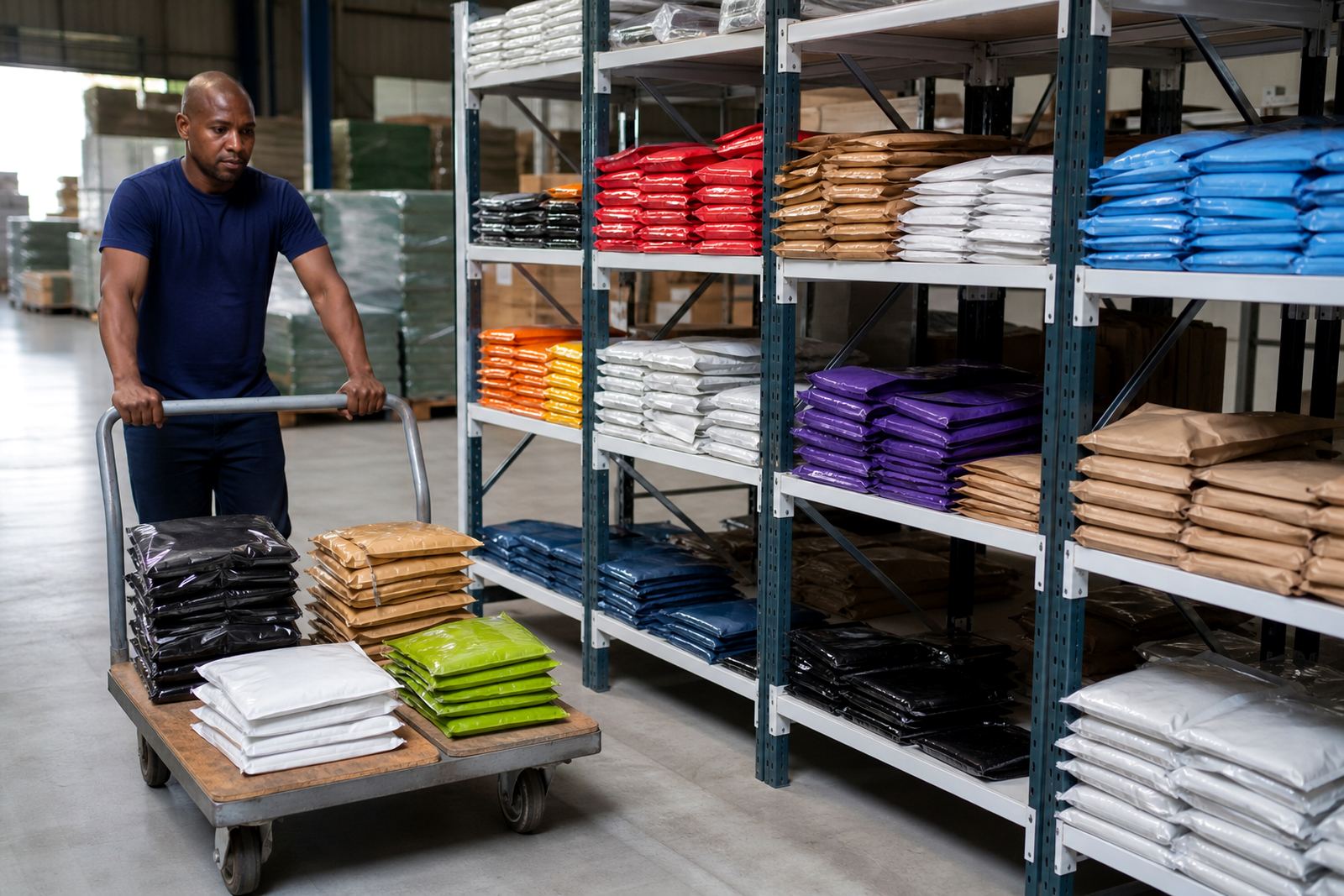
In South Africa, the practical side matters too. A product that is easy to pack, easy to open and easy to store is more likely to be used again. For retailers and local brands, smaller pack sizes can also help with price points, stock control and seasonal promotions. In a place like Pinetown, where many businesses move goods between Durban, Gauteng and the Western Cape, a lighter pack can make dispatch simpler as well.
- Compact enough for travel kits and counter displays
- Useful for single use portions and trial sizes
- Lower storage volume than rigid containers
- Good for quick turnover items and repeat orders
Pouches that suit movement, storage and daily use
Pouches work well when the product needs a neat shape, some shelf presence and enough room for practical details. They can be made for dry goods, powders, granules, liquids and pastes, depending on the material choice and fill method. For brands selling into Durban, Johannesburg or Pretoria, the pouch often has to cope with heat in delivery vans, stacking in warehouses and handling at point of sale.
The key is to match the pack to the product. A lightweight snack pouch needs different handling from a refill pouch for a wash or personal care item. If a product will be opened and closed more than once, the design should allow for that. If it is a single use pack, the tear point and seal area must be consistent so the pack opens cleanly, no one wants a sachet that splits unevenly.
- Stand-up styles for stronger shelf display
- Flat pouches for space-saving packing and mailing
- Options for tear notches and reseal features where needed
- Suitable for short runs and repeat production
Sachets for samples, portions and quick convenience
Sachets remain popular because they do one job well. They portion product neatly, reduce waste and make sampling affordable for local brands. A sachet is often the first touchpoint a customer has with a product, so the print and seal quality matter just as much as the contents.
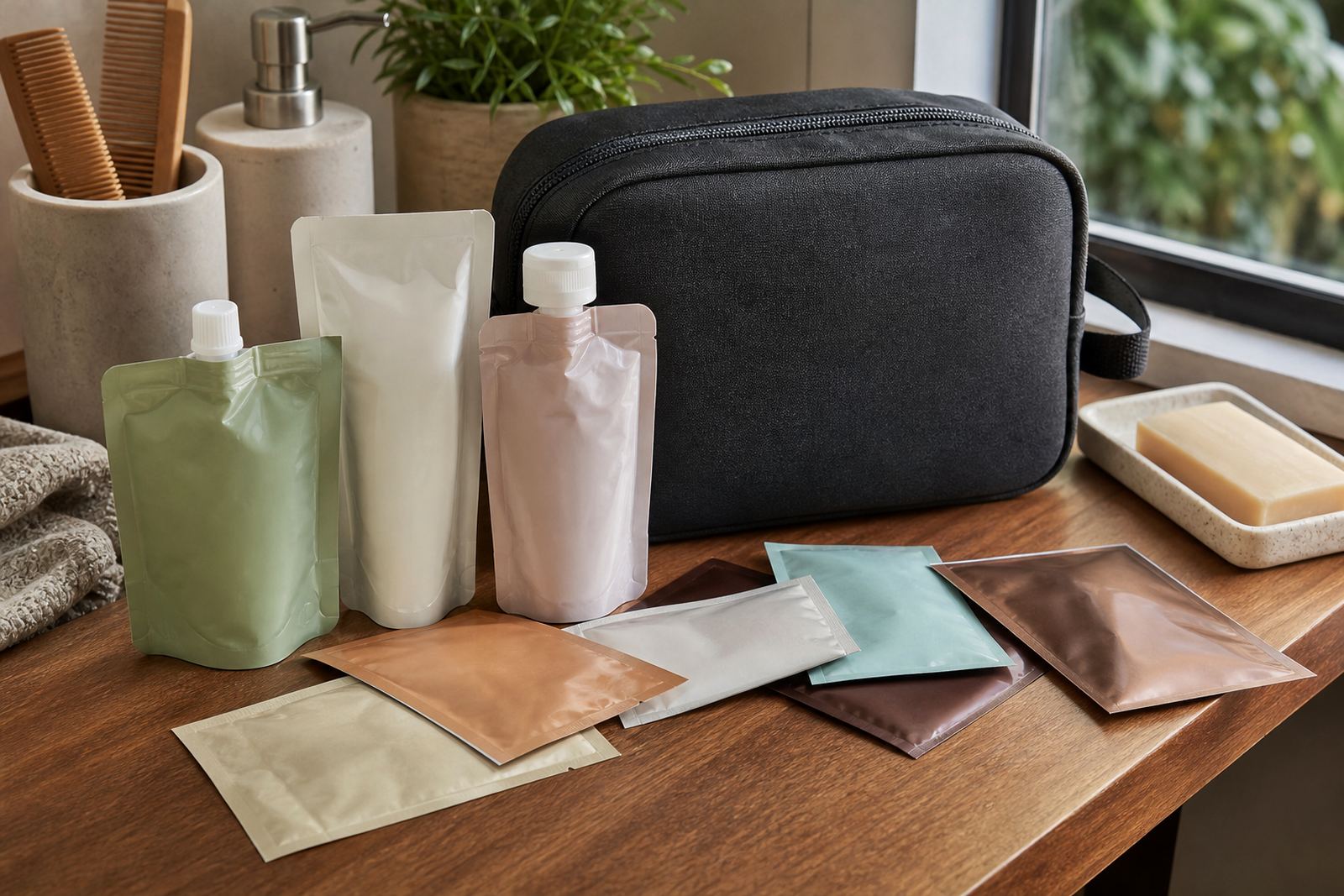
For travel packs, sachets are useful when the buyer needs just enough for one or two uses. That suits hotels, salons, personal care ranges, catering packs and promotional items. In humid coastal areas such as Durban and Ballito, the film choice and seal strength need careful attention so packs stay neat in storage and during dispatch.
- Ideal for sample packs and single serve portions
- Easy to carry in a pocket or toiletry bag
- Can be packed in cartons for bulk distribution
- Works well for campaigns that need fast turnaround
Print details that help a pack travel better
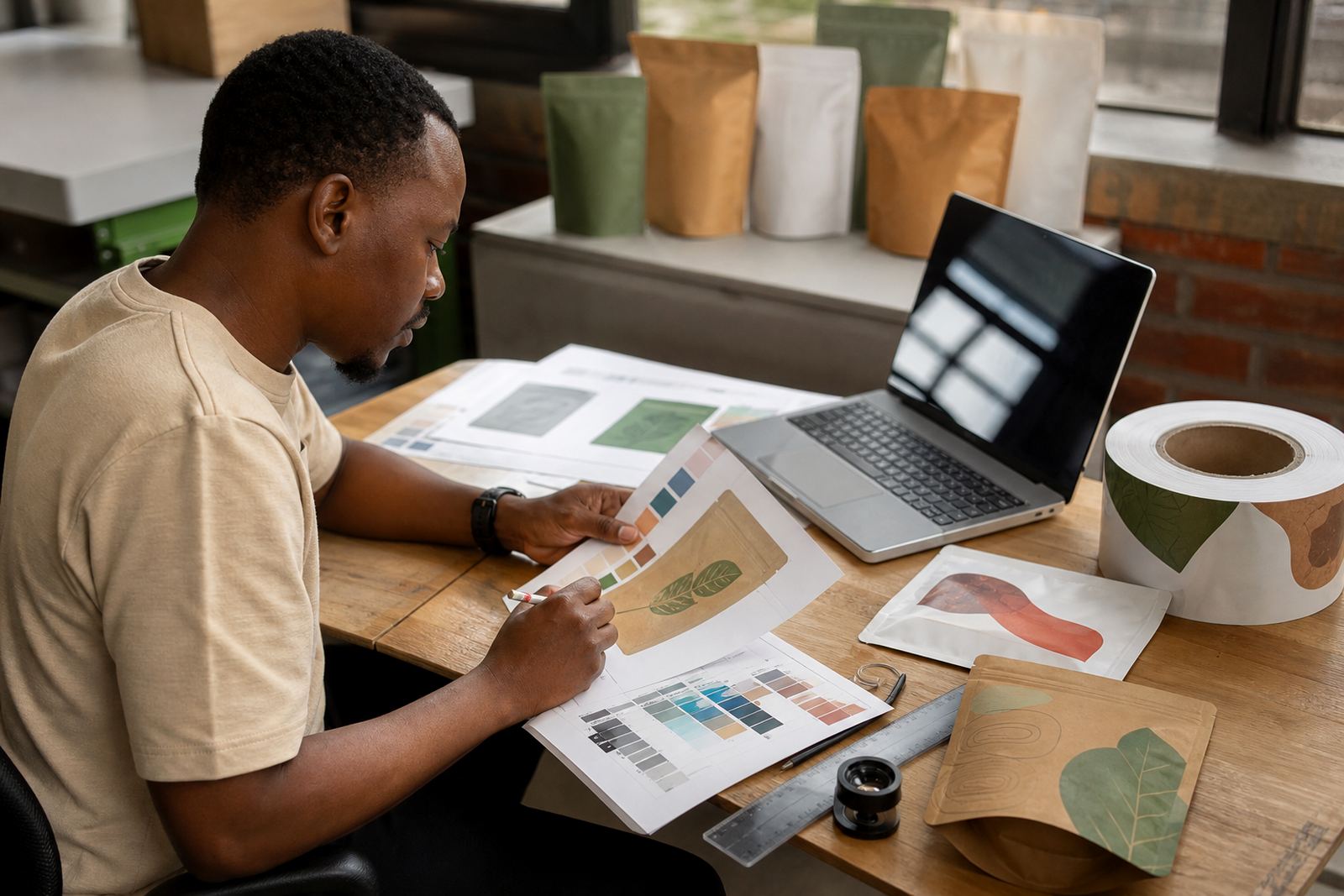
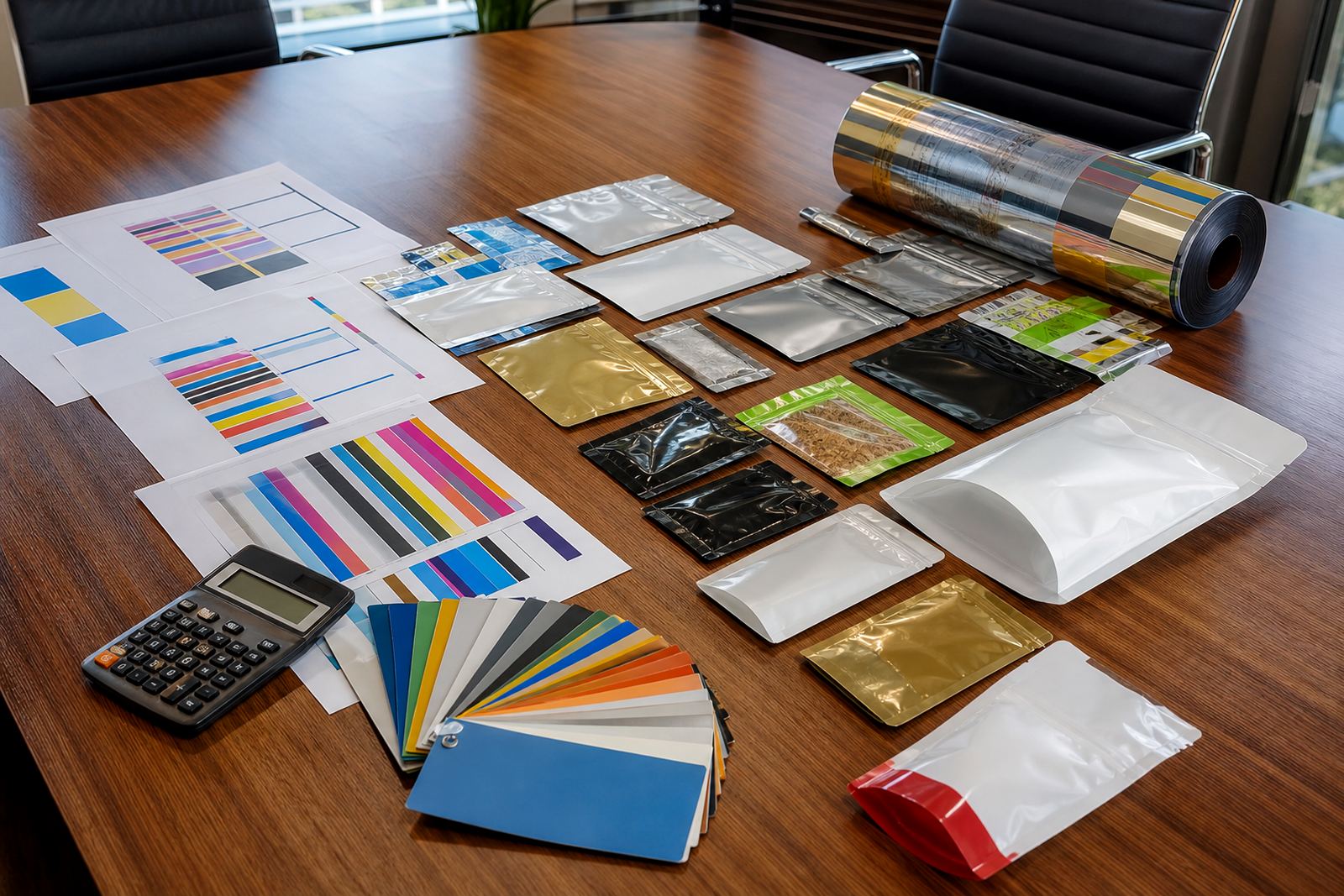
Travel packs depend on more than size alone. Print clarity, colour consistency and legible instructions all make a difference once the pack leaves the factory floor. If the artwork is too busy, the important details can get lost. If the colours shift from run to run, the pack may look uneven on shelf.
Flexo printing suits repeatable work where consistency matters across large or smaller batches. Good prepress work, proofing and colour matching help keep packs readable and tidy. For brands serving different regions, this matters because a product moving from Pinetown to Cape Town may spend extra time in transit and handling before it reaches the end user.
- Clear product names and simple use instructions
- Readable batch, fill and date areas
- Consistent colour across repeat orders
- Artwork that still works at small pack sizes
Material choice for South African conditions
Choosing the right substrate is not only about looks. It affects shelf life, handling and the way a pack behaves in transit. South African conditions vary a lot, from dry inland areas to humid coastal towns, so the same product may need different pack behaviour depending on where it is sold. A travel pack for Bloemfontein may face different storage conditions from one sent to Durban.
That is why material selection should be part of the planning stage. Some products need a stronger barrier, some need better fold memory, and some just need a cleaner finish for presentation. The best choice depends on the product type, the filling process and how the pack will be displayed or transported. A practical pack saves product and reduces complaints later on.
- Match the film to the product and storage conditions
- Allow for heat, moisture and transport vibration
- Choose a finish that suits the shelf and the hand feel
- Check how the pack seals on the actual filling line
What local brands should ask before ordering
Before placing an order, it helps to think through the full use case. Will the pack be sold as a sample, a travel size or a retail unit? Will it be hand-filled or machine-filled? Will it need repeated production or only a short run for a launch? The answers shape everything from format to dispatch planning.
At Flexography Printing Co in Pinetown, the practical approach is to work through the product, artwork and supply route together. That can include pouch converting, sachet production, wrap printing, proofing, colour matching and dispatch coordination. For local brands, this matters because delays often come from small details that were not settled early enough, like closure type, pack dimensions or delivery timing. A short planning call can save a lot of back and forth.
- Confirm pack size and fill quantity early
- Decide whether the pack must stand, hang or lie flat
- Set the artwork zones before proofing starts
- Plan dispatch to Durban, Johannesburg, Pretoria, Cape Town or Bloemfontein in good time