
Why flat pouches suit compact product packs
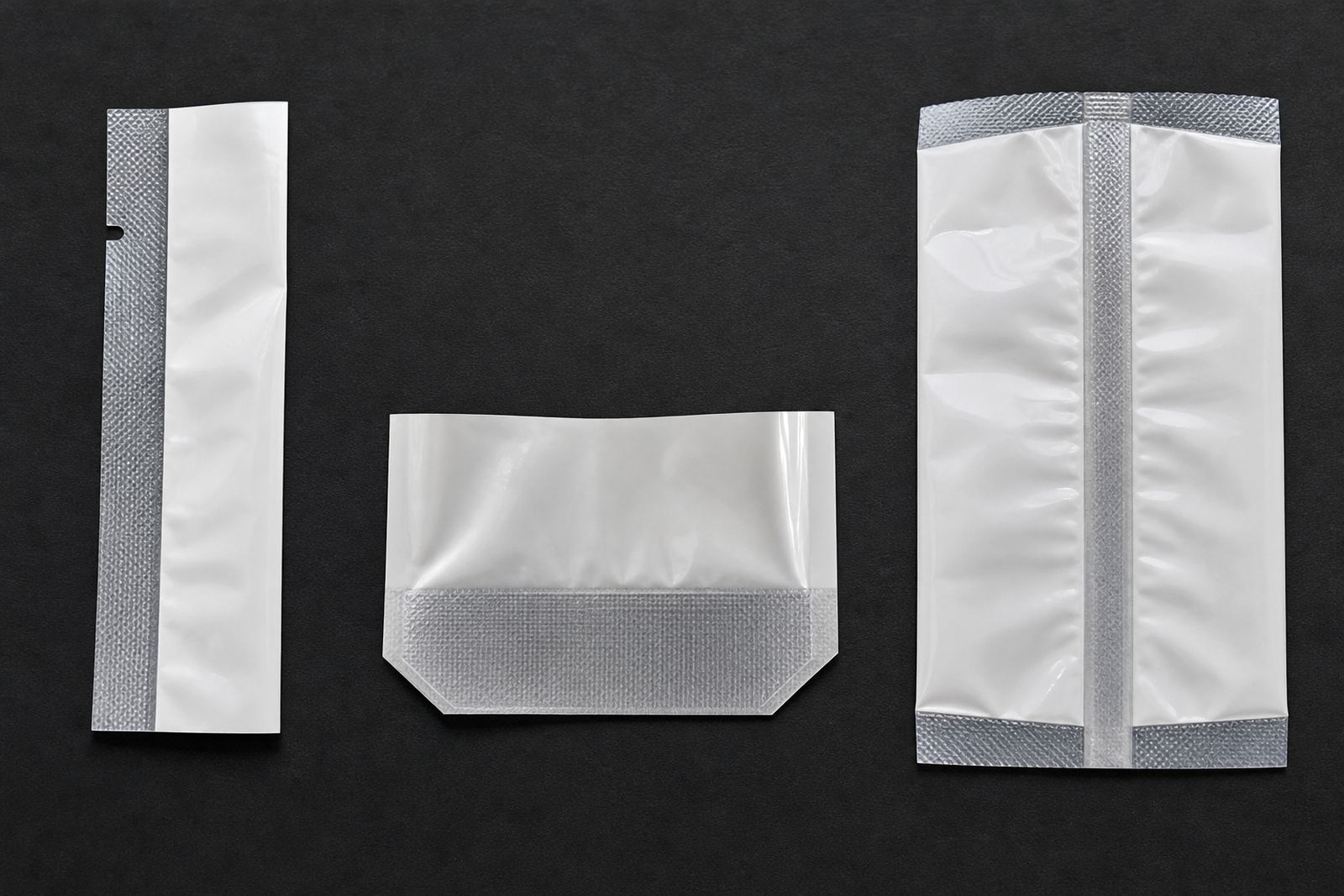
Flat pouches are one of the simplest flexible packaging formats to work with because they lie flat, stack neatly and use less shelf depth than bulkier packs. That matters for brands selling through retail counters, farm stalls, pharmacies, hardware counters and online orders where every centimetre of space counts. In Pinetown and across KwaZulu-Natal, many businesses also choose flat pouches because they are easier to store in smaller warehouses and can move through dispatch faster when orders are packed in batches.
For products that are measured by weight or portion, the flat shape gives a tidy pack with a clear front and back panel for product information. It can suit dry goods, powders, small components, personal care items and sample sizes. The format also makes it easier to bundle into cartons for delivery to Durban, Johannesburg, Pretoria, Cape Town and Bloemfontein without taking up unnecessary room.
- Uses less shelf and carton space than many shaped packs
- Easy to stack for storage and dispatch
- Works well for portion-controlled packs
- Leaves room for branding, instructions and barcodes
Common product types packed in flat pouches
Flat pouches are used across several sectors because the format is practical rather than fussy. Food producers often use them for dry ingredients, seasoning blends, snack portions and trial packs. Non-food brands use them for laundry additives, garden products, tablets, sachets grouped into outer packs and small promotional items. The shape is especially useful when a business wants a cleaner presentation without moving into a more expensive stand-up style pack.
For local brands in KwaZulu-Natal the compact pack can help with smaller production runs too. If a business is testing a new flavour, fragrance or size, flat pouches make it easier to print a moderate quantity and then adjust the artwork or fill weight later. That kind of flexibility matters when stock is moving through several towns and the market response is still being checked.
- Dry foods and seasoning mixes
- Powders, granules and tablets
- Promotional samples and trial packs
- Small hardware or accessory items
How flat pouches help with packing and delivery
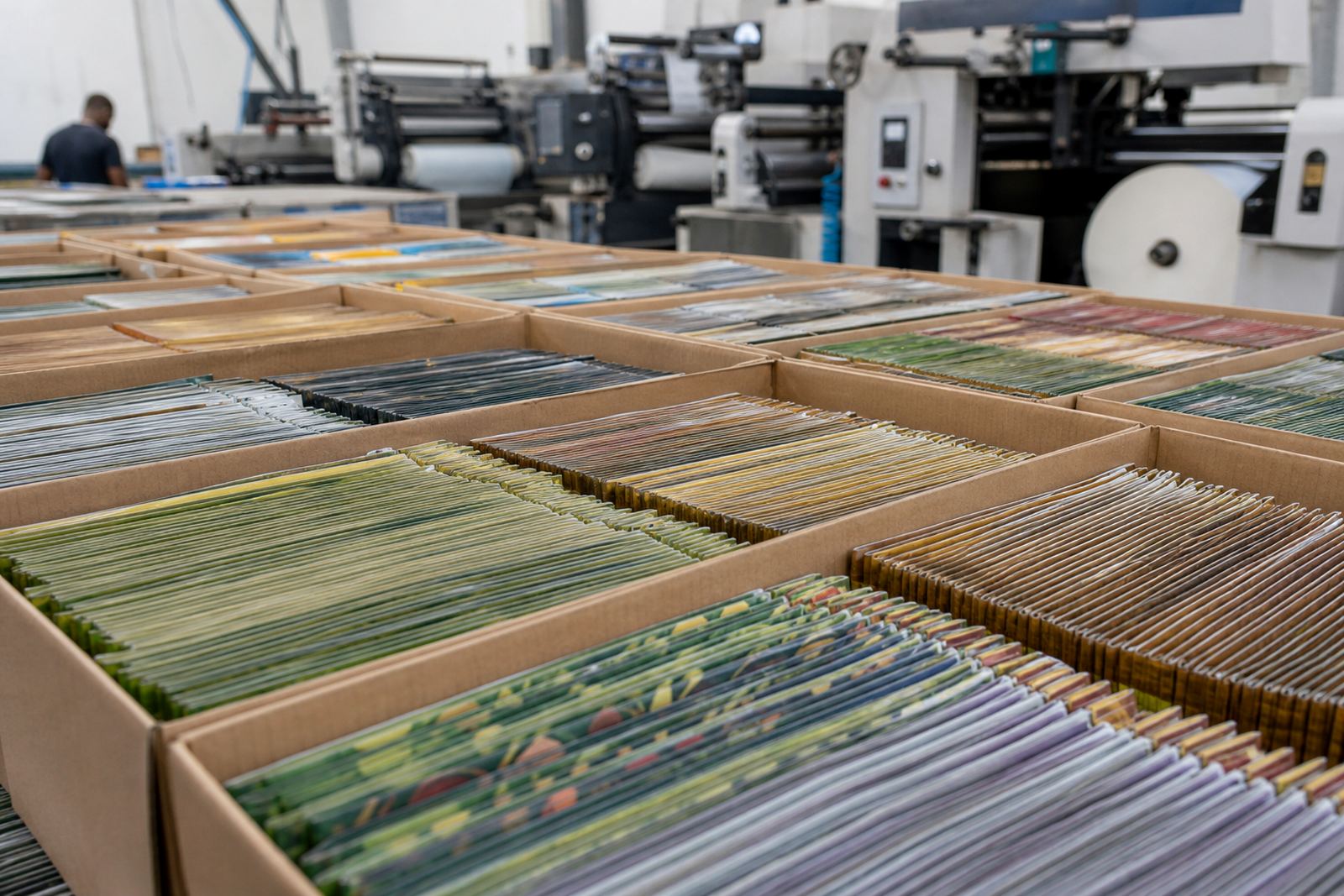
A flat pouch is practical because it travels well. The slim profile allows more packs to fit into a carton or outer case, which can reduce wasted space during transport. For businesses sending orders between Pinetown, Pietermaritzburg and the coastal areas, that can make a real difference to handling and dispatch planning. It also helps when stock has to be moved in stages because of load-shedding or limited production windows.
From a packing line point of view, flat pouches are straightforward to fill and seal when the machine settings and material selection are matched to the product. The pack sits evenly on trays or in cartons and is easier to count, sort and label. If the product is sensitive to dust or moisture, the material choice and seal quality need close attention, especially in humid coastal conditions where packaging can pick up moisture during storage if it is not handled properly.
- More packs per carton for efficient courier movement
- Simple to count and batch during dispatch
- Good for short runs and repeat production
- Suitable for coastal storage if handled correctly
What to check before choosing a flat pouch format
Before deciding on a flat pouch, it helps to think about the product itself, the fill size and the way the pack will be displayed. Some products need a stronger film structure, while others only need a simple sealed pouch for short shelf life or sample use. The print layout should also match the available panel size so that ingredients, directions, batch codes and branding remain readable. If the pack is too busy, the benefit of the neat format is lost.
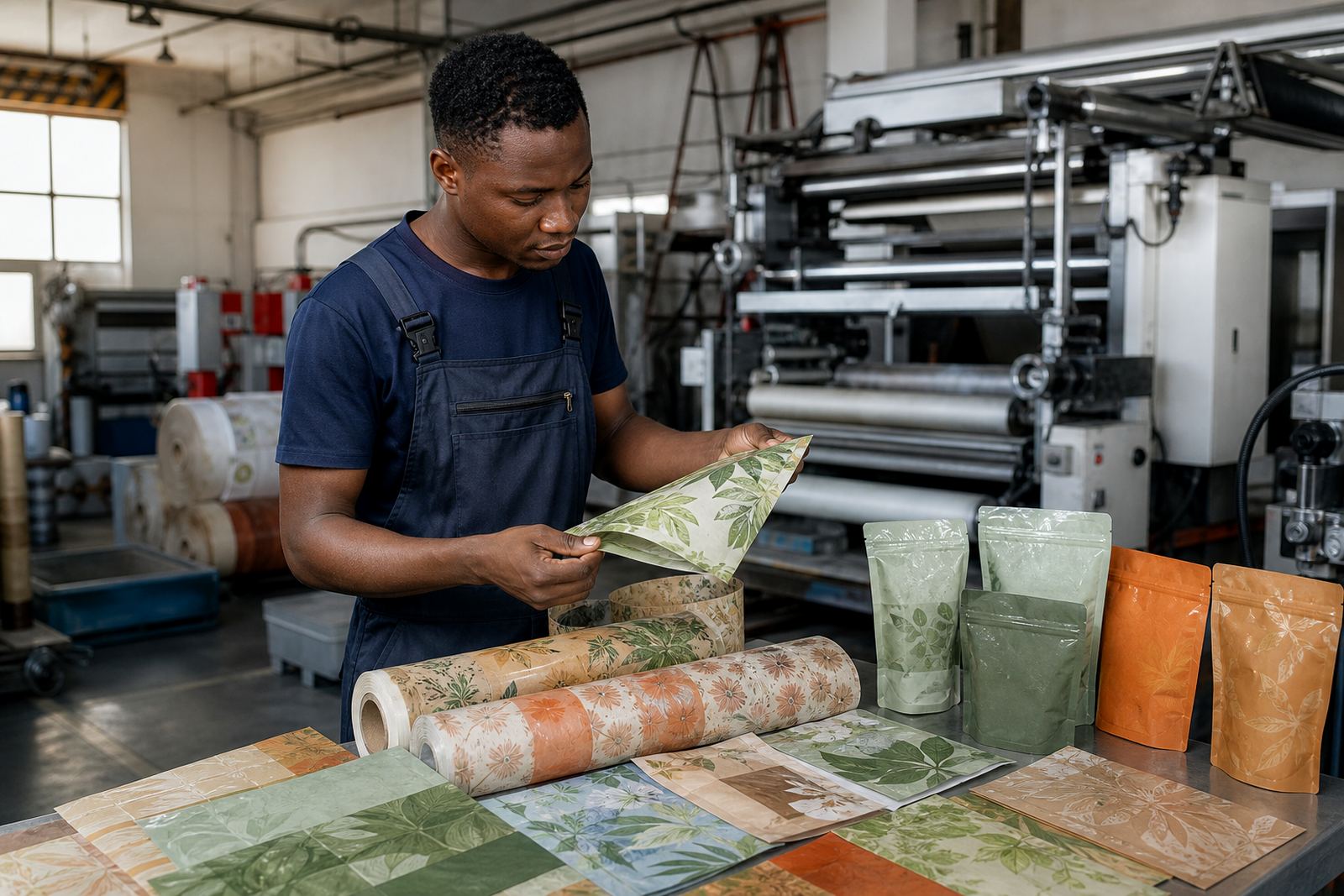
Artwork prep matters here because flat pouches do not leave much room for poor layout. A clear hierarchy keeps the front panel easy to read, while the reverse can carry handling notes and product information. Colour matching should be checked against the printed sample so the final run stays close to the approved proof. In practice this saves time later, especially when repeat production is due and the brand needs consistency across new batches.
- Product weight and fill volume
- Display requirements on shelf or counter
- Artwork space for text and barcodes
- Material choice for moisture, grease or puncture resistance
A practical local example from Pinetown to the coast
A small KwaZulu-Natal brand making dry seasoning for retail counters might start with flat pouches for 50 g and 100 g packs. The packs can be stored in Pinetown, dispatched to Durban outlets and sent further inland to Johannesburg and Pretoria without taking much room in the vehicle. Because the format is compact, the business can keep a tidy range of stock sizes and still manage repeat orders without overfilling the warehouse. That matters when the team is balancing artwork changes, seasonal demand and transport schedules.
For coastal deliveries, the pack also needs to hold up in warm and humid conditions. A clean seal and suitable material selection help keep the product presentable on arrival. If a brand is sending smaller quantities to shops in Ballito or Pietermaritzburg, the same pack style can be used across regions while the outer carton count changes. That keeps the range simple for staff and the retailer, and it reduces the risk of mix-ups during picking.
When a flat pouch is the better choice than a larger pack
Flat pouches are worth considering when the product is light, the portion size is controlled and the brand wants a neat, economical pack. They are also useful when a business wants to test demand before moving to a larger run. If the product is already selling well and the main goal is keeping logistics simple, the flat format can stay in use for a long time without needing to change the rest of the supply chain.
At Flexography Printing Co in Pinetown, the focus is on practical packaging advice that suits the product, the print run and the delivery route. Our team can help with pouch converting, artwork prep, print proofing, colour matching, material selection and dispatch coordination so the final pack works in the real world not just on paper.
- Good for samples and smaller retail sizes
- Useful where shelf space is limited
- Helps keep courier and storage costs under control
- Suitable for repeat production once the format is set