



Choosing the Right Format for the Product
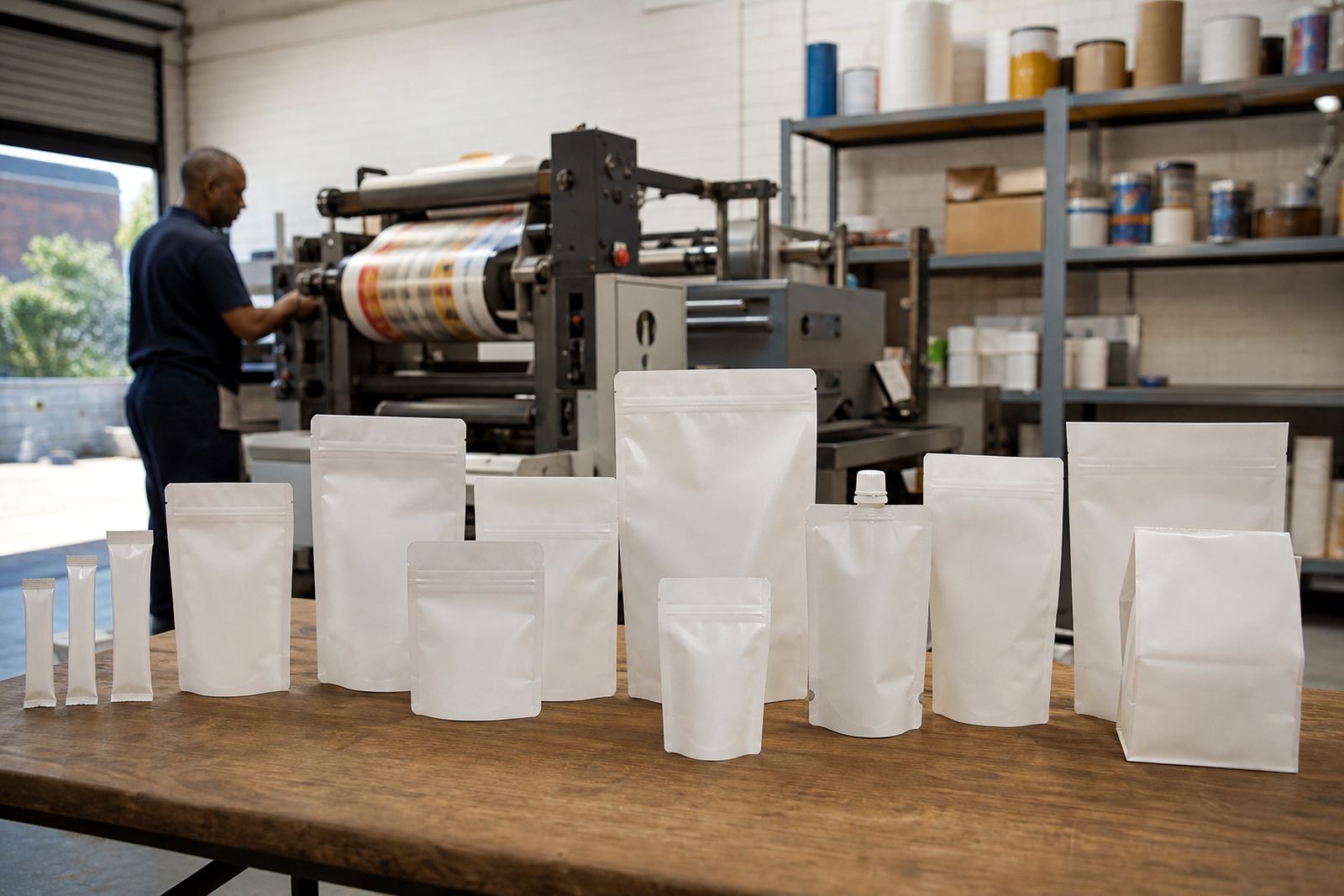
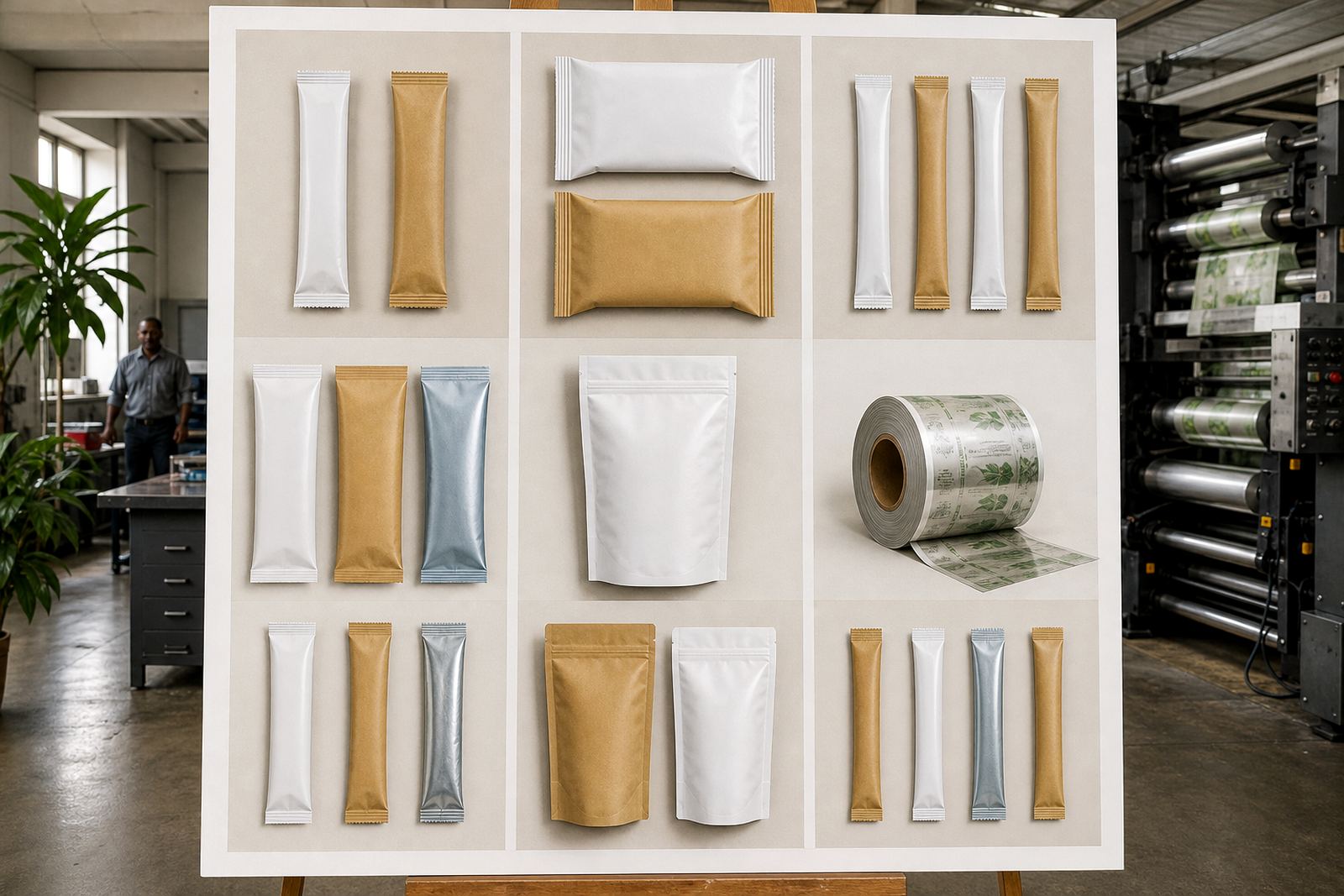
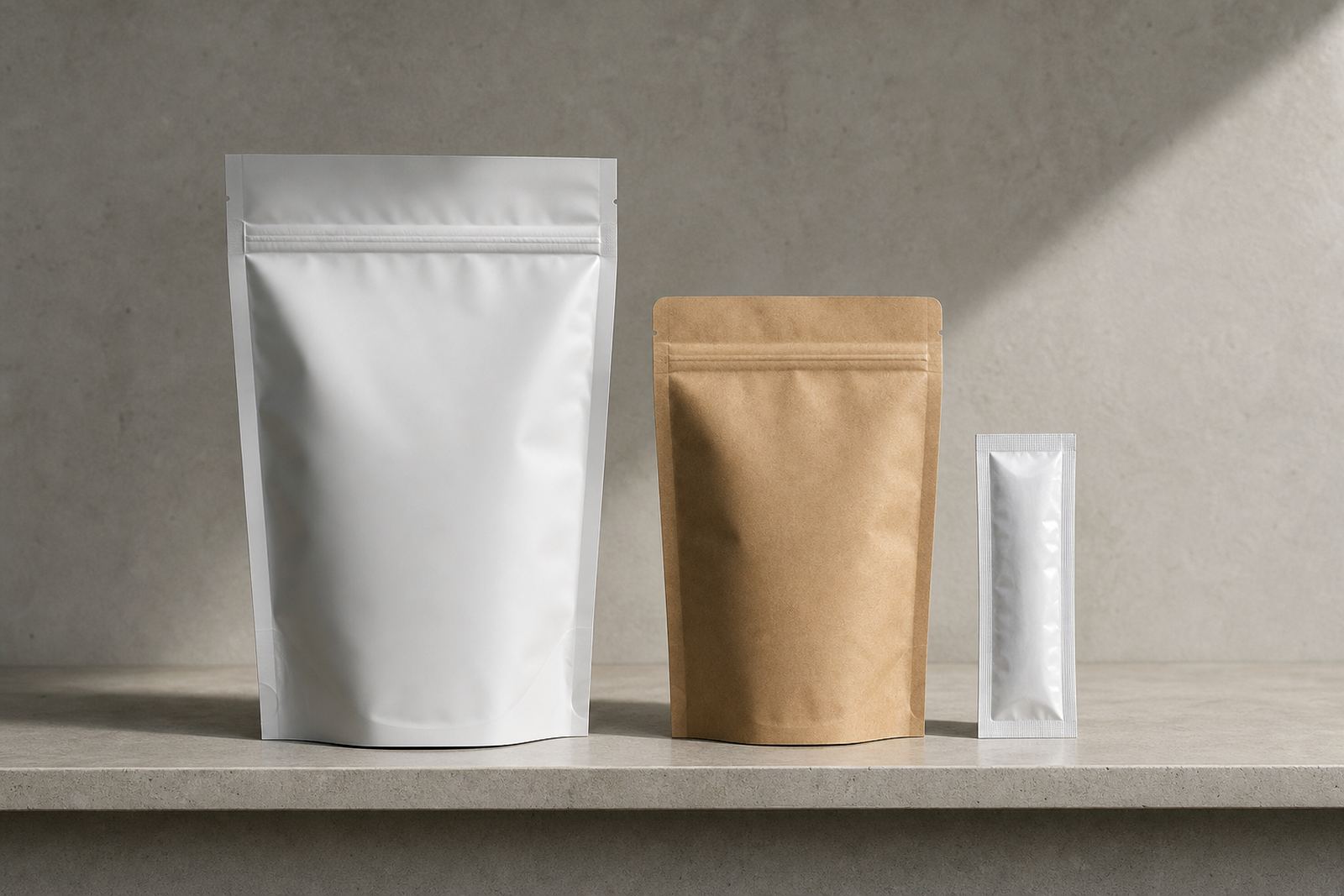
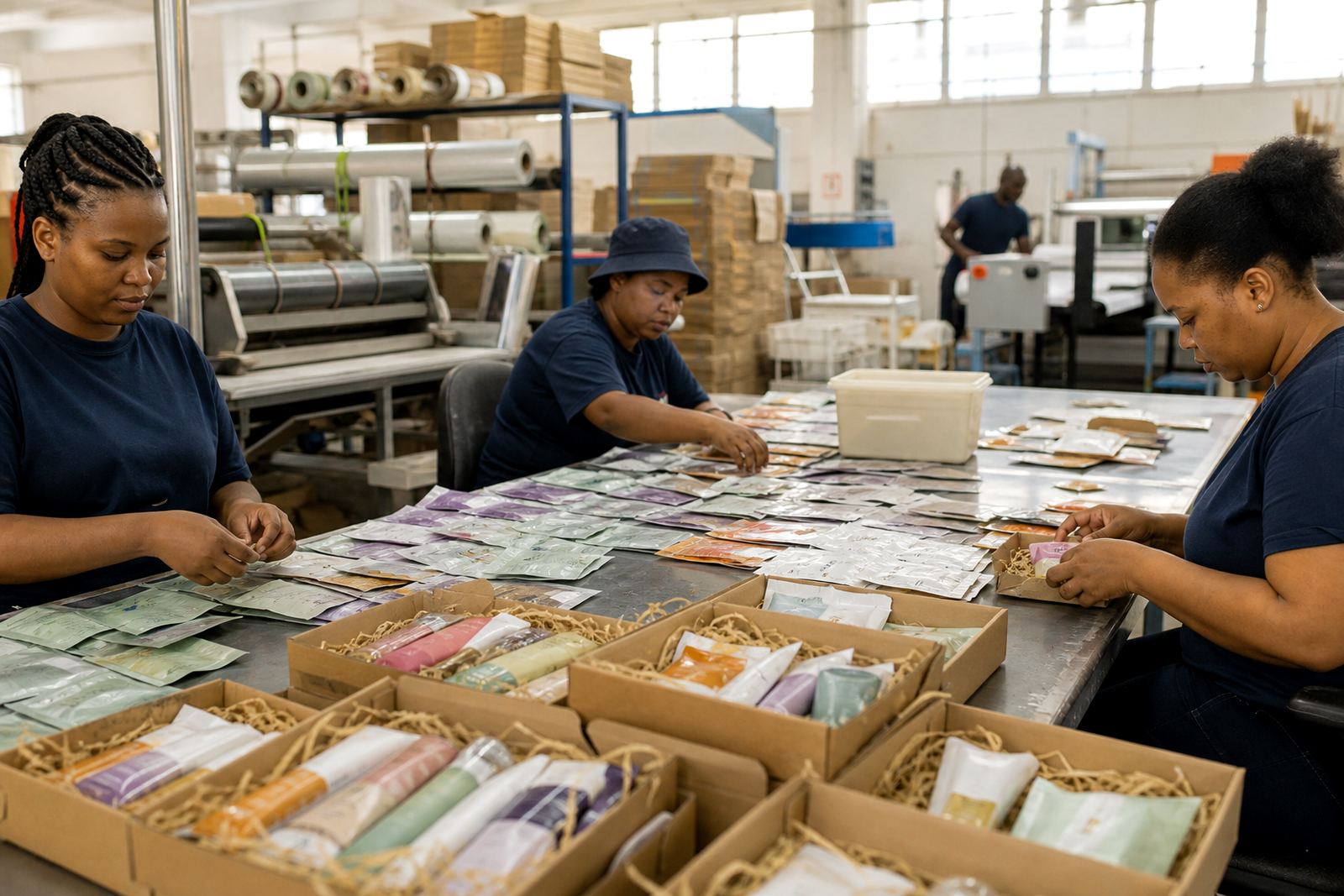
Different products need different packaging behaviour. A pouch may suit a dry mix, a sachet may suit a single-use portion, and a wrap is often better for flow-wrapped items or branded outer layers. The right choice depends on fill weight, shelf life, handling on the line and how the pack must open in store or at home.
For buyers in Durban, Johannesburg, Pretoria, Cape Town and Bloemfontein, it helps to start with the product itself before talking print. Coastal humidity, transport time and warehouse stacking can all affect what material structure and finish will work best.
- Check the product size, weight and whether it settles or shifts inside the pack.
- Decide if you need a stand-up pouch, flat sachet or printed wrap format.
- Think about opening method, reseal needs and how the pack will be displayed.
How to Prepare Artwork Before Printing
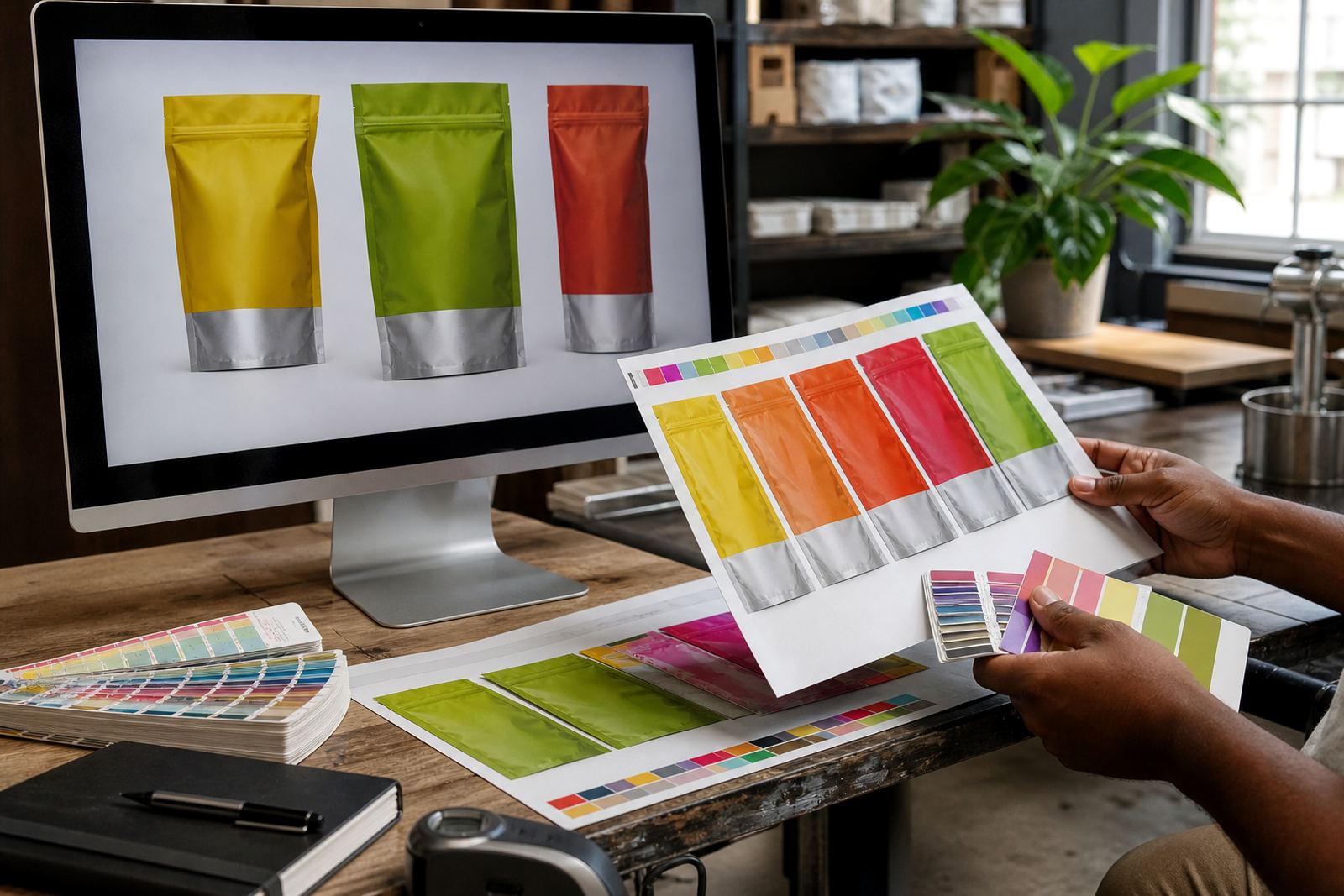
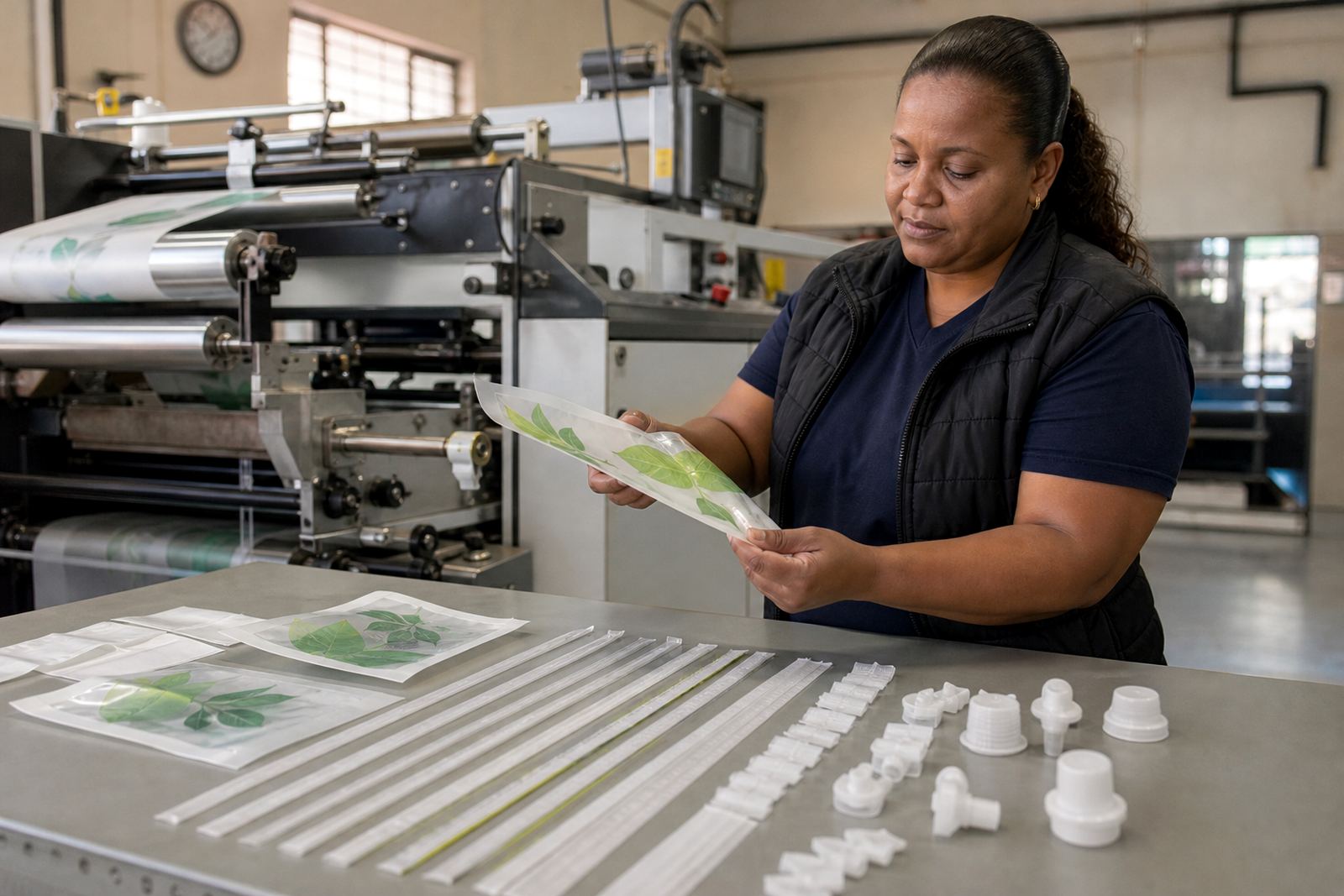
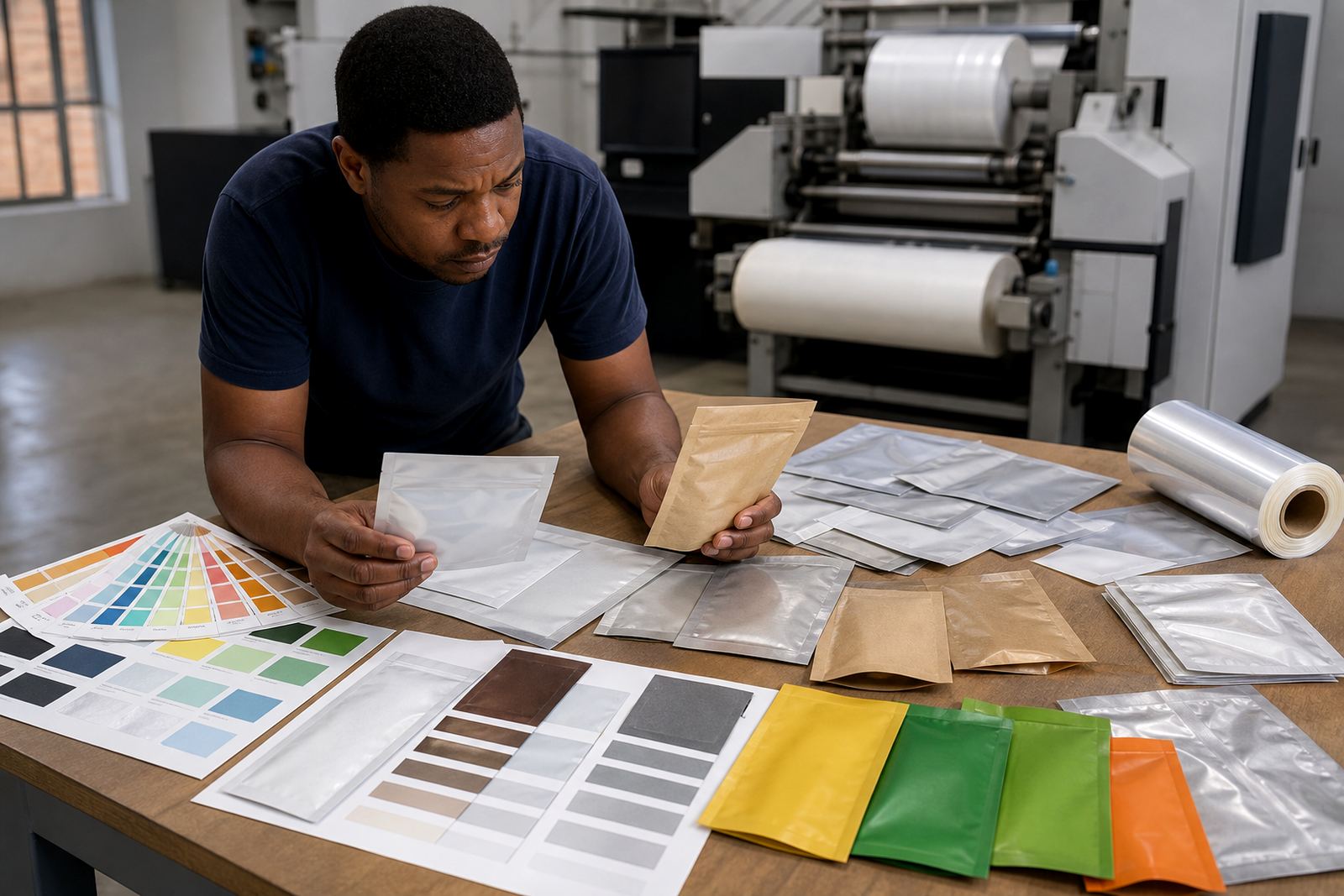
Good artwork saves time and helps avoid extra proof rounds. Keep text readable, allow enough space for barcodes and batch areas, and make sure the artwork fits the final pack size. Flexo printing works best when the print areas are planned with the format in mind, especially where panels curve or seal areas reduce usable space.
Ask your team to confirm the final pack dimensions, colours, version count and any legal text before release. If you are moving quickly on a new launch, it is better to slow down at the artwork stage than to correct problems after production has started.
- Provide final pack dimensions, not rough guesses.
- Allow for seal zones, edge trim and barcode quiet zones.
- Keep colour names and versioning clear for repeat production.
Material Selection and Print Finish Decisions
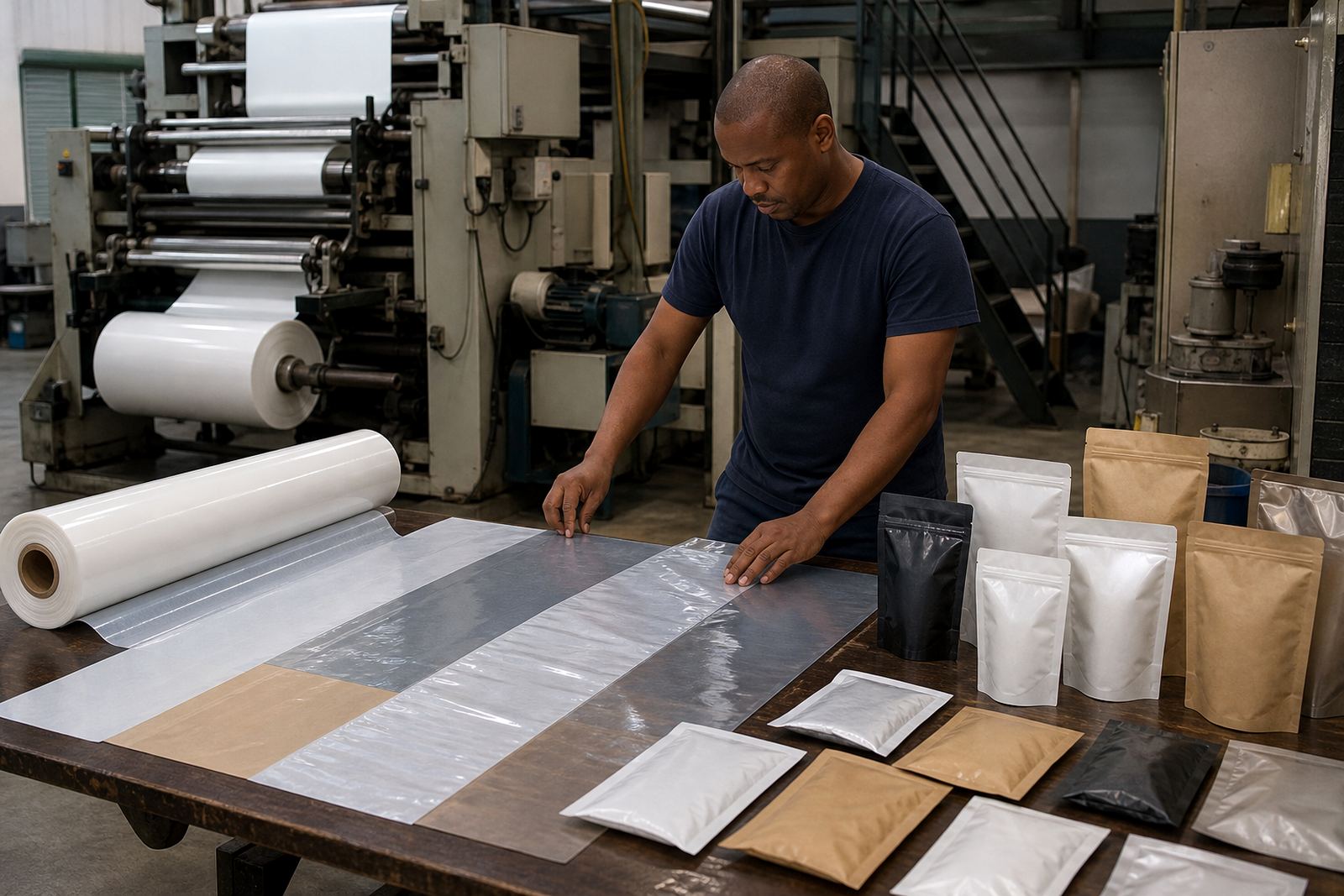
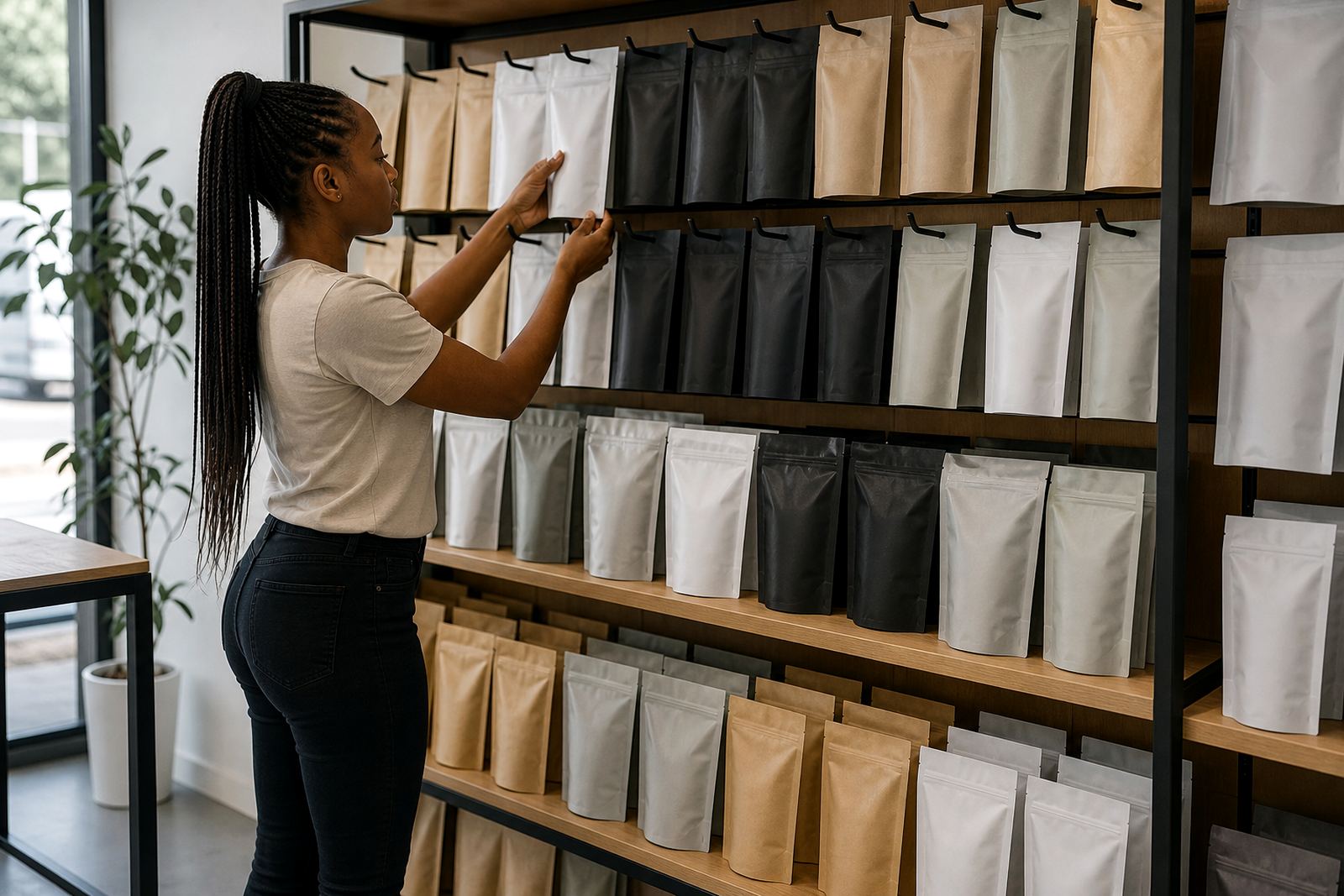
Material choice affects handling, appearance and protection. Some products need a stronger barrier approach, while others simply need a practical printed outer with dependable sealing performance. The surface finish also matters, since gloss and matt effects change how colour reads under shop lighting and on a pallet in transit.
In coastal areas like Pinetown and Durban, packaging must be handled with care during storage and dispatch because heat and humidity can affect wrapped stock if it sits too long before use. A short discussion early on can save a lot of rework later, especially when you are balancing cost, appearance and line speed.
- Match the material to the product and storage conditions.
- Choose a finish that suits your brand and the way the pack will be viewed.
- Ask how the chosen structure will perform during filling, sealing and transport.
Short Runs, Repeat Orders and Stock Planning
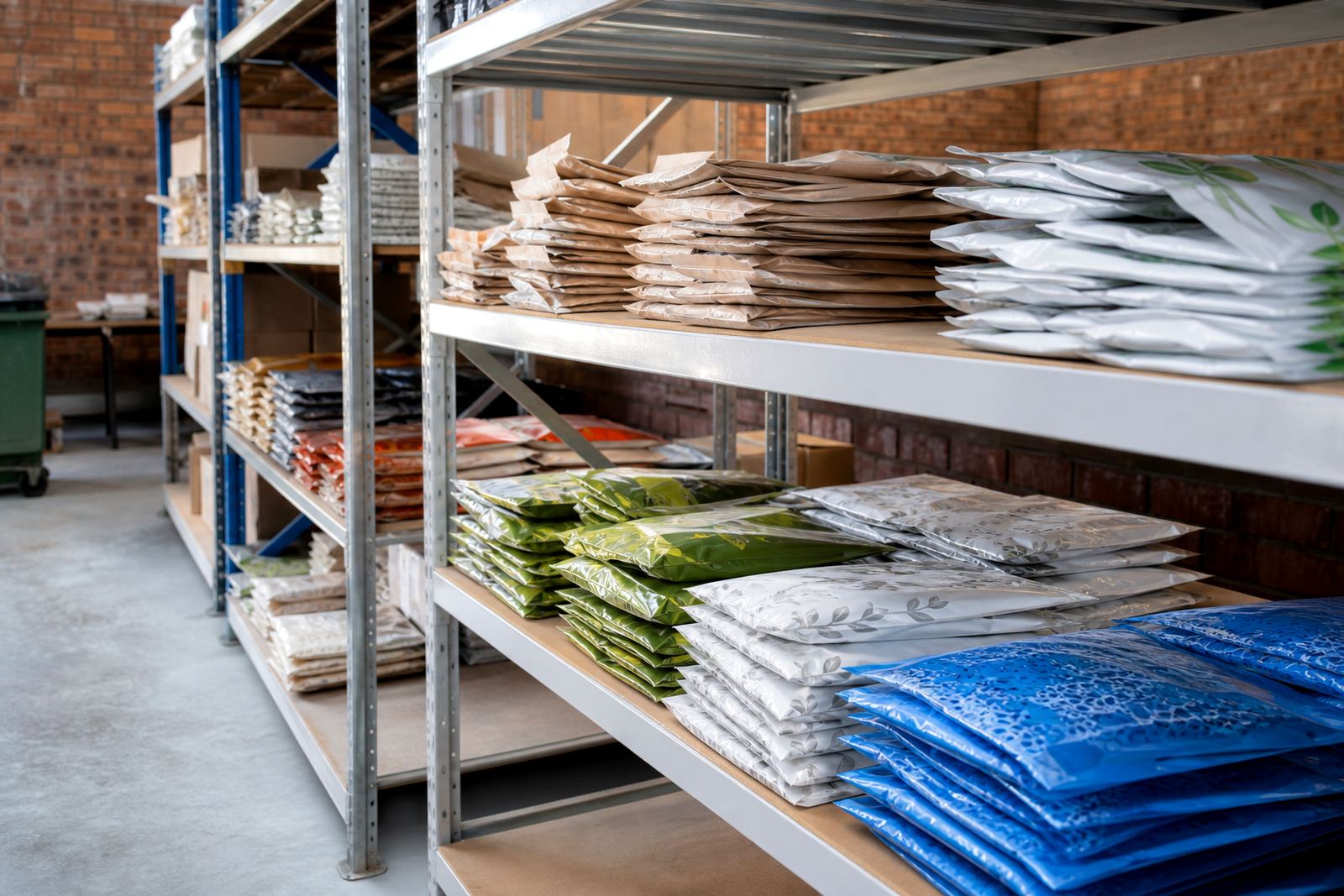
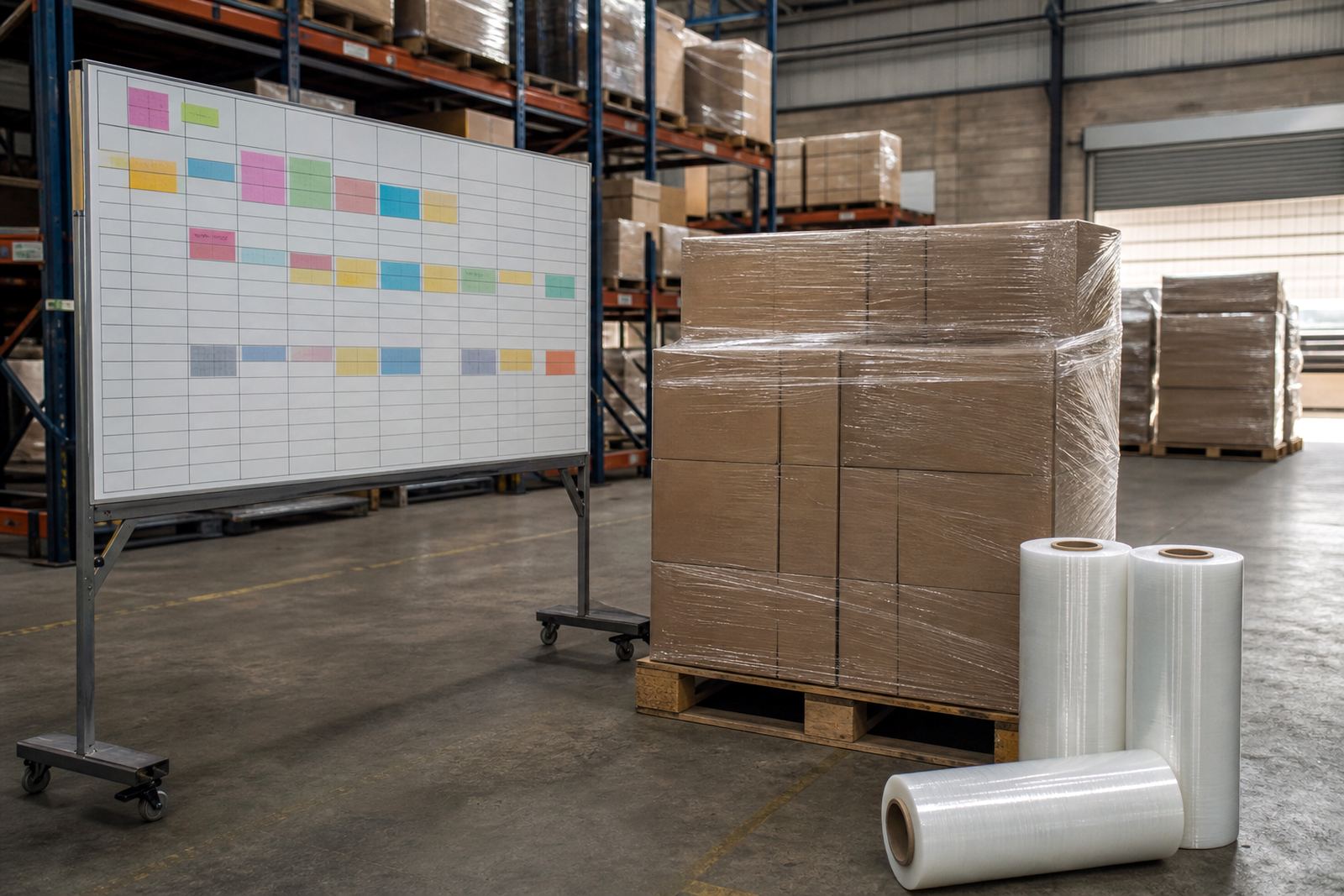
Some brands need smaller quantities for a new flavour, seasonal offer or test market. Others need repeat production on a steady cycle so they do not run short during busy periods. The best ordering plan depends on lead time, storage space and how often the design changes.
For businesses running from Pinetown or sending product nationwide, repeat orders are easier when pack sizes, version codes and dispatch timing are kept consistent. Load-shedding, transport delays and municipal cut-offs can all affect planning, so it helps to order with a little breathing room.
- Use short runs when you are testing demand or releasing a limited edition.
- Keep repeat items on a clear reorder list with approved artwork.
- Plan stock against seasonality, route times and warehouse space.
What to Bring to a Packaging Briefing
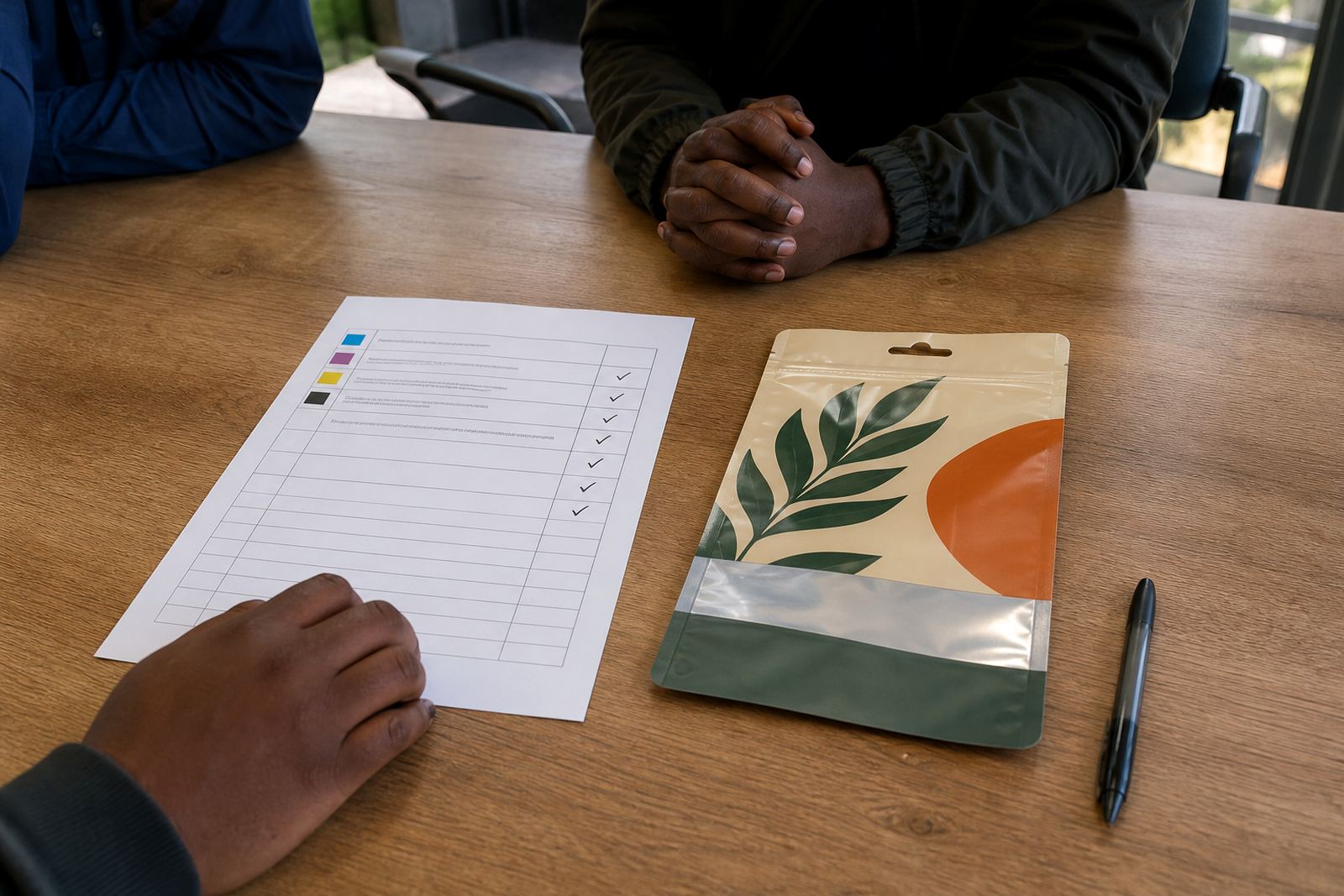
A good briefing makes the whole job easier. Bring the product description, pack size, target quantity, preferred format and any reference samples you already use. If you have market-specific needs for Durban, Johannesburg, Pretoria, Cape Town or Bloemfontein, mention them early so the pack can be planned for the route and retail environment.
It also helps to name the people involved in approval, from the production side to the client service side. Clear contact points mean fewer delays when artwork, proofing or dispatch details need a decision.
- Product name, fill weight and pack format.
- Artwork files, colour expectations and version count.
- Delivery city, timing needs and any storage limits.
How to Use These Guides When Ordering
These guides are meant to make ordering simpler, not more complicated. Read the relevant section before you request a quote, then use it to narrow down the format, finish and schedule that suits your product. That way your team can compare options on the same basis, instead of starting from scratch every time.
Whether you need pouches, sachets or wraps, the main goal is the same: a printed pack that fits the product, prints cleanly and moves through production and dispatch without avoidable problems. Good planning at the start usually means fewer changes later on, and fewer surprises when stock is needed on the shelf.