How flexo printing works on flexible packaging
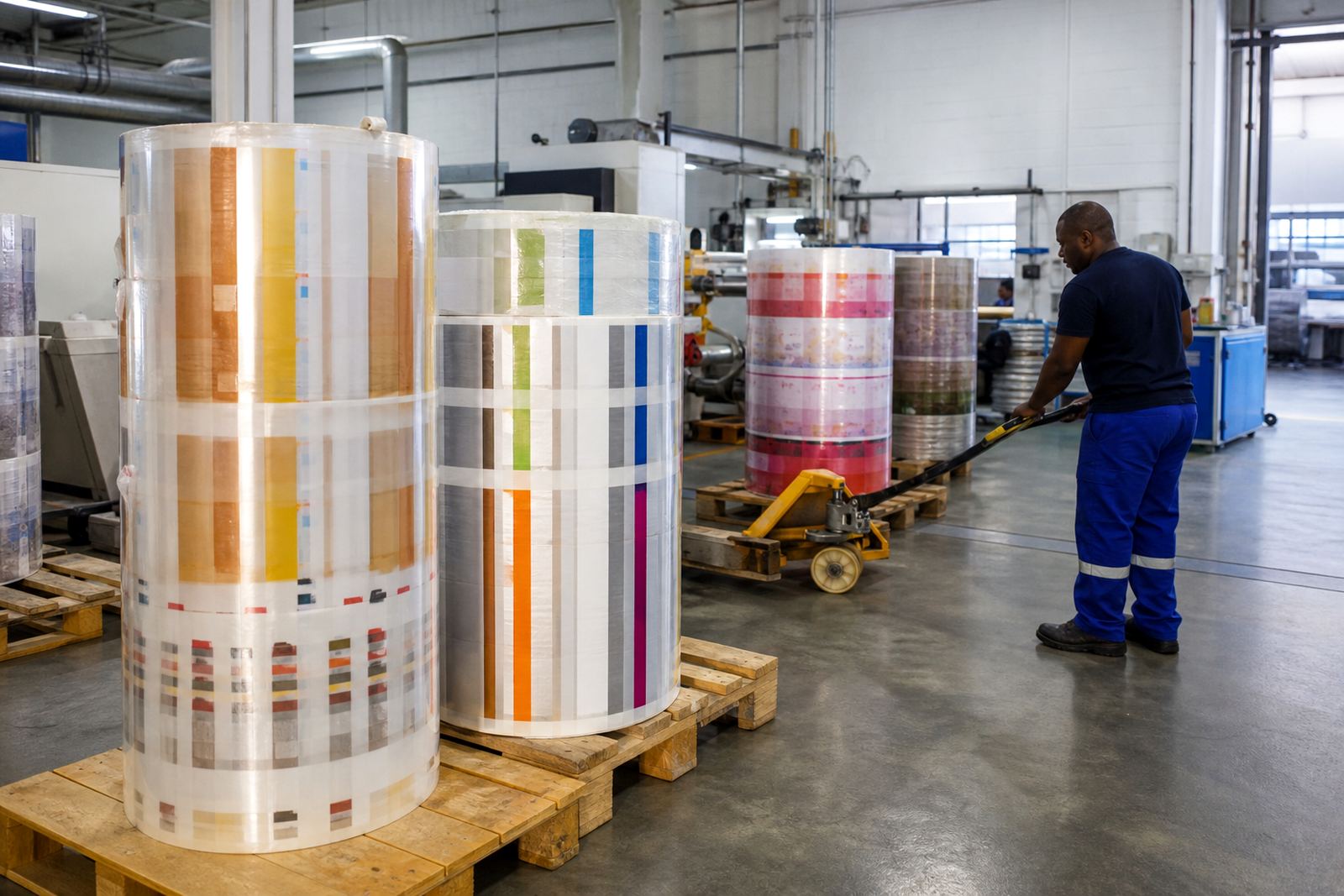
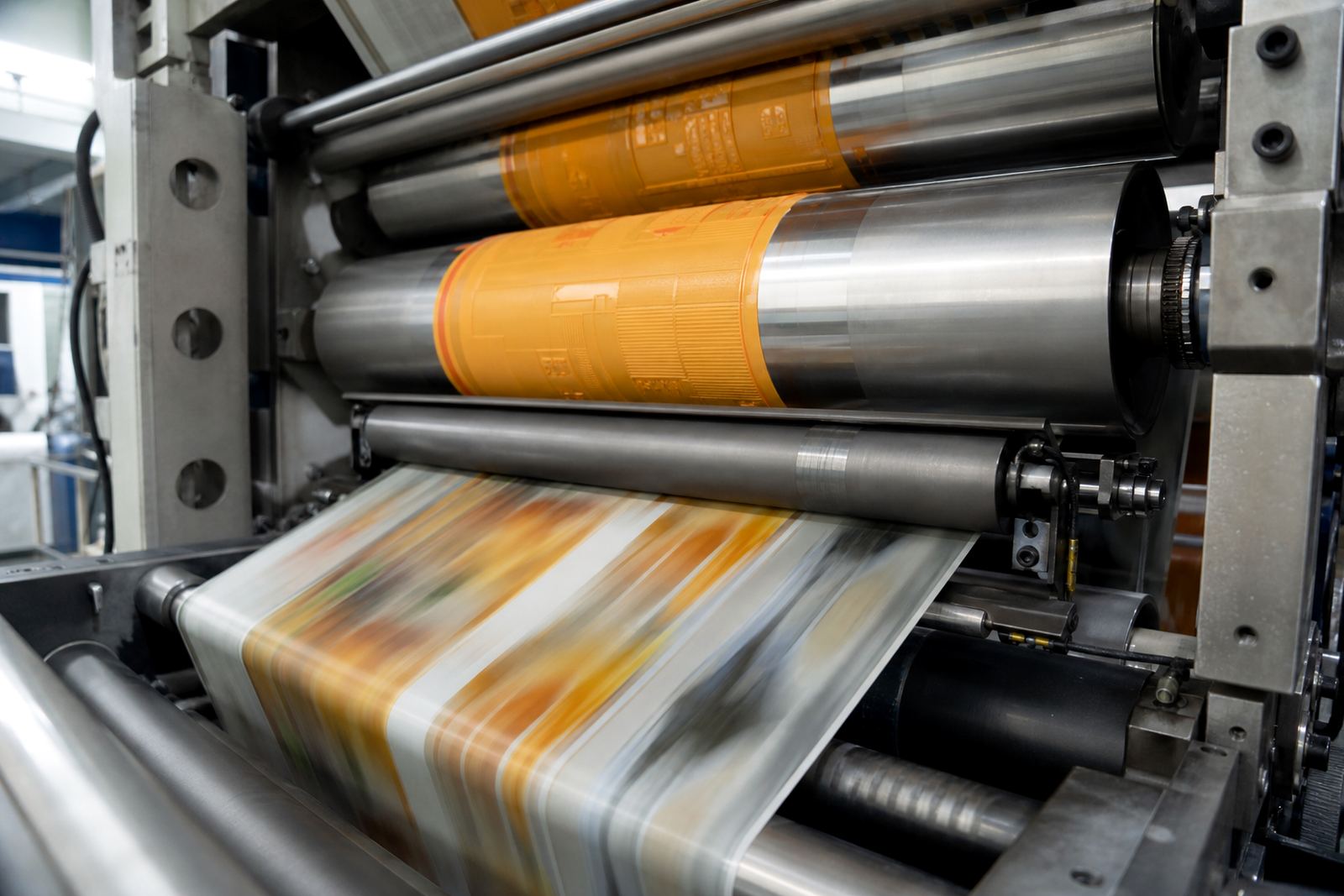
Flexo printing uses raised printing plates to transfer ink onto a moving web of packaging film or paper. The substrate runs through the press, the image is built up colour by colour, and the print is then prepared for converting into pouches, sachets or wraps. In plain terms, it is a method suited to repeatable production where the same artwork needs to run cleanly across a lot of packs.
This method is widely used for flexible packaging because it handles long runs well and can be set up for different materials used by South African brands. Depending on the product, a job may need a matte look, a gloss finish or a more restrained print style for a premium feel. The important part is that the print, film choice and sealing requirements all work together from the start, not after the job is already on press.
Why local brands use flexo for pouches, sachets and wraps
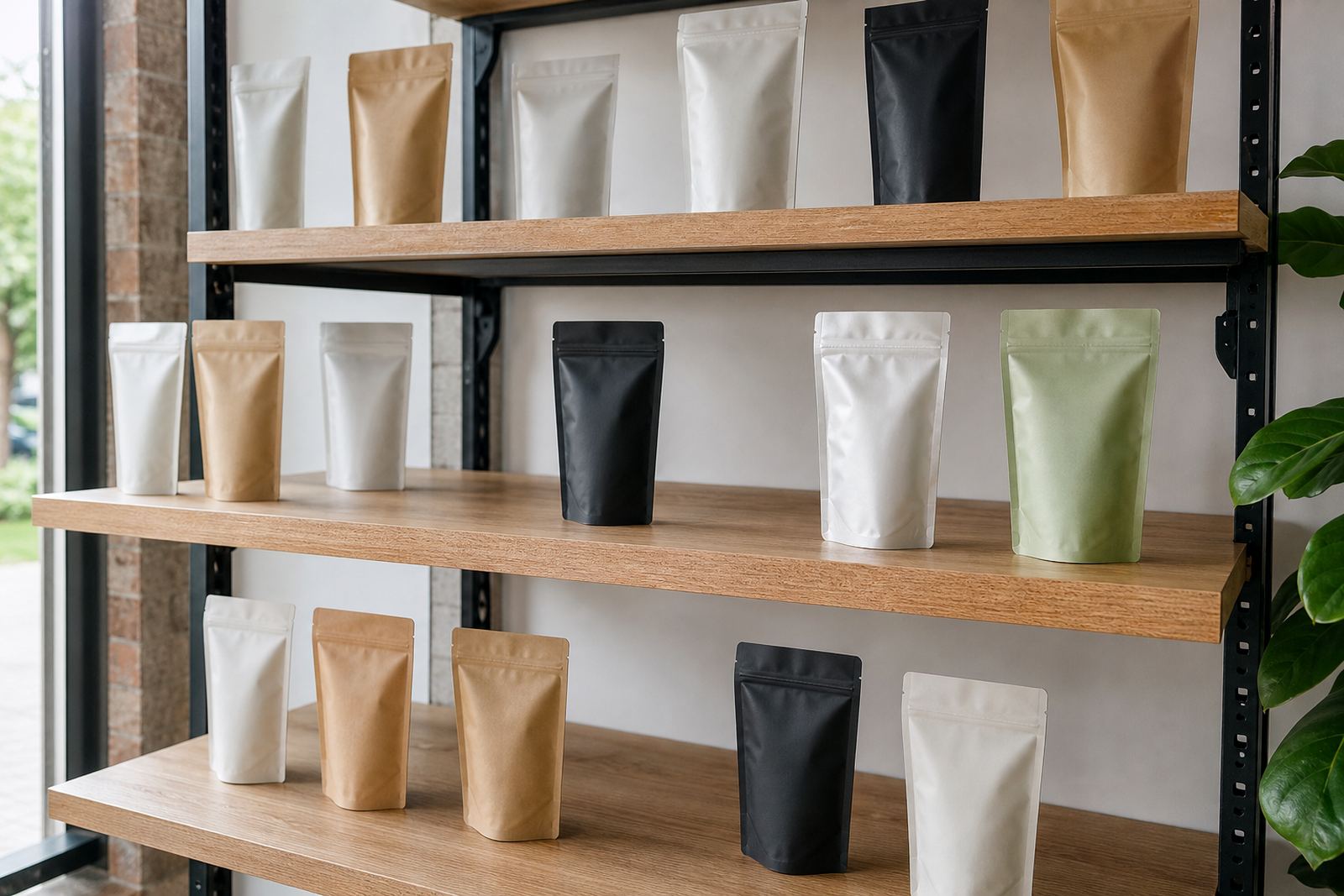
Many businesses in KwaZulu-Natal and beyond choose flexo because it suits everyday packaging needs without making the process overly complicated. It is a practical option for snack packs, powders, dry goods, condiments, sachets and flow wraps. If a brand needs a packaging format that moves well through filling and dispatch, flexo is often on the shortlist.
- It supports repeat production when the same pack must be ordered again later.
- It works across a range of film and laminate options used in flexible packaging.
- It is suitable for smaller local runs as well as larger scheduled orders.
- It helps keep colour and layout consistent across multiple batches.
- It can be planned around different pack sizes and sealing requirements.
For a Pinetown business supplying stock to Durban, Gauteng or the Western Cape, that kind of consistency matters. Retail shelves, warehouse handling and transport all place pressure on the pack, so the print has to stay readable and the seals have to hold up in real conditions.
What to check before you approve artwork
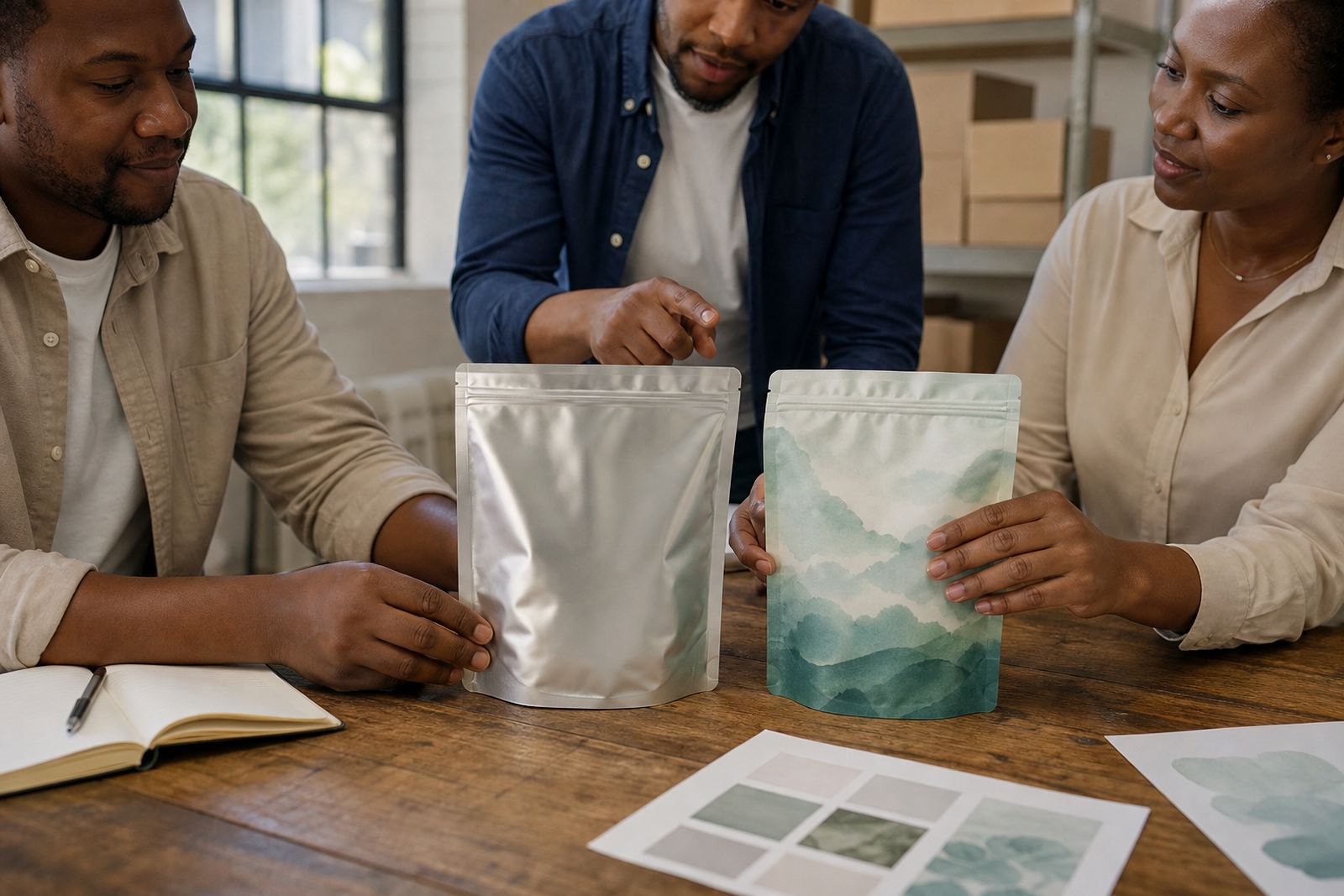
Good flexo work starts before the press ever runs. Artwork must be prepared with the correct dimensions, bleed, barcode space and text size for the final pack. Small type can disappear on a sachet, and poor contrast can make ingredient text or instructions hard to read. That is why proofing is not just a formality, it is part of making sure the finished pack does what it should.
At this stage, the packaging team should also look at the material being used and how the colours will behave on it. A film with a light tint may shift the appearance of a brand colour, and metallic or white areas may need careful handling. A practical review saves time later, especially when a client wants a short run first and then a repeat production order after that.
- Confirm the final pack size and any fold or seal areas.
- Check wording, spelling, barcodes and product details carefully.
- Make sure the colour target suits the film being printed.
- Allow enough room for cuts, seals and machine movement.
- Ask for a proof before the job is released to production.
Material choice matters in South African conditions
Packaging in South Africa has to cope with heat, humidity, transport vibration and storage in mixed conditions. In coastal areas like Durban and Ballito, moisture can be a bigger concern, while inland routes to Johannesburg or Pretoria can involve temperature swings and long haul times. The wrong material choice can lead to curling, scuffing or poor seal performance.
That is why material selection is part of the conversation, not something to leave until the last minute. A good packaging spec takes into account the product inside, shelf life needs, how the pack will be filled, and whether the goods will be stacked, boxed or displayed loose. Flexo printing is only one part of the job, but it has to sit properly on the chosen substrate if the pack is going to do its work.
Load-shedding also affects production planning. Jobs need to be scheduled with care, and dispatch coordination has to match customer timing. For a local brand, a missed delivery window can upset a retail order or a factory pack-out. That is why practical planning and clear communication matter as much as the print itself.
Short runs, repeat orders and production planning
Not every brand needs the same order pattern. Some need a short run for a seasonal product, while others need repeat production on the same design month after month. Flexo can suit both, provided the artwork is set up correctly and the production team knows what the client expects from the start. It is often the detail in the planning that makes the difference between a smooth job and a rework.
For example, a food producer in Pinetown may need sachets for a trial launch, then a larger pouch order once the product gains traction. A distributor in Bloemfontein may need a wrapper format that packs neatly, handles handling during transport and arrives ready for filling. In both cases, the process is about matching the format to the job, not forcing one standard answer onto every product.
- Short runs can help test market response before scaling up.
- Repeat production works best when files, colours and specs are kept consistent.
- Dispatch timing should be built around filling dates and warehouse intake.
- Packaging consultation can help avoid costly changes later.
A practical Pinetown example of flexo in action
Consider a local brand based near Pinetown that supplies packaged goods across Durban and the wider province. The product needs a sachet for retail sampling, a pouch for shelf stock and a wrap for grouped units. The business wants the same visual identity on all three formats, but each pack has different sealing points and different space for copy. That is where flexographic printing earns its place.
The artwork is prepared with the right layout for each format, colour matching is checked against the chosen film, and the print proof is reviewed before production starts. Once the job runs, the packs can be converted, packed and dispatched in line with the filling schedule. It is a straightforward approach, but it only works when the process is managed with care from the first brief to the final load-out.
That is the real value of flexo for flexible packaging: it gives South African brands a practical way to print clearly, package neatly and repeat the same standard when the next order comes through. For businesses that need pouches, sachets or wraps delivered across Durban, Johannesburg, Pretoria, Cape Town or Bloemfontein, it remains a dependable production method when handled properly.