What Rollstock Film Actually Means
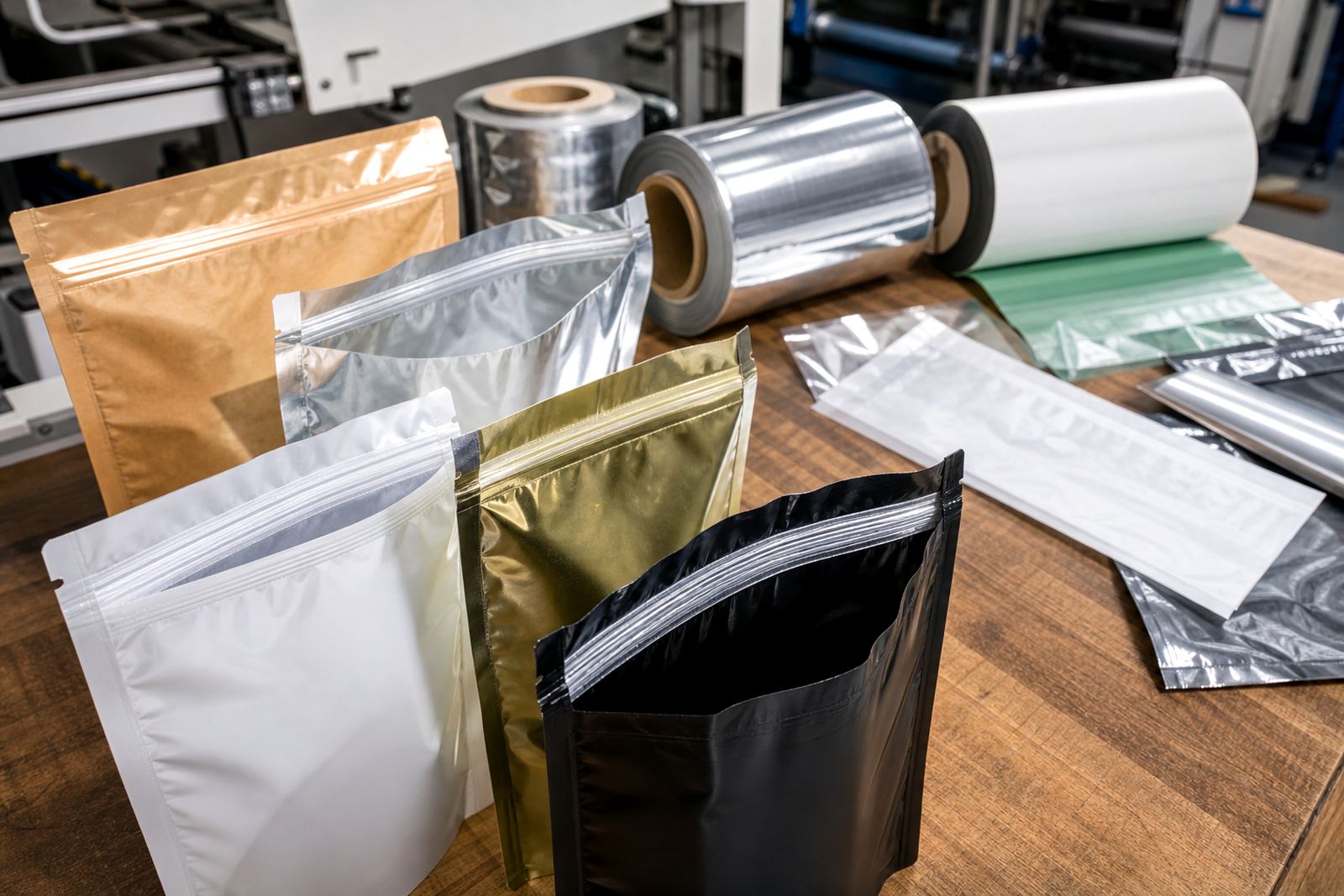
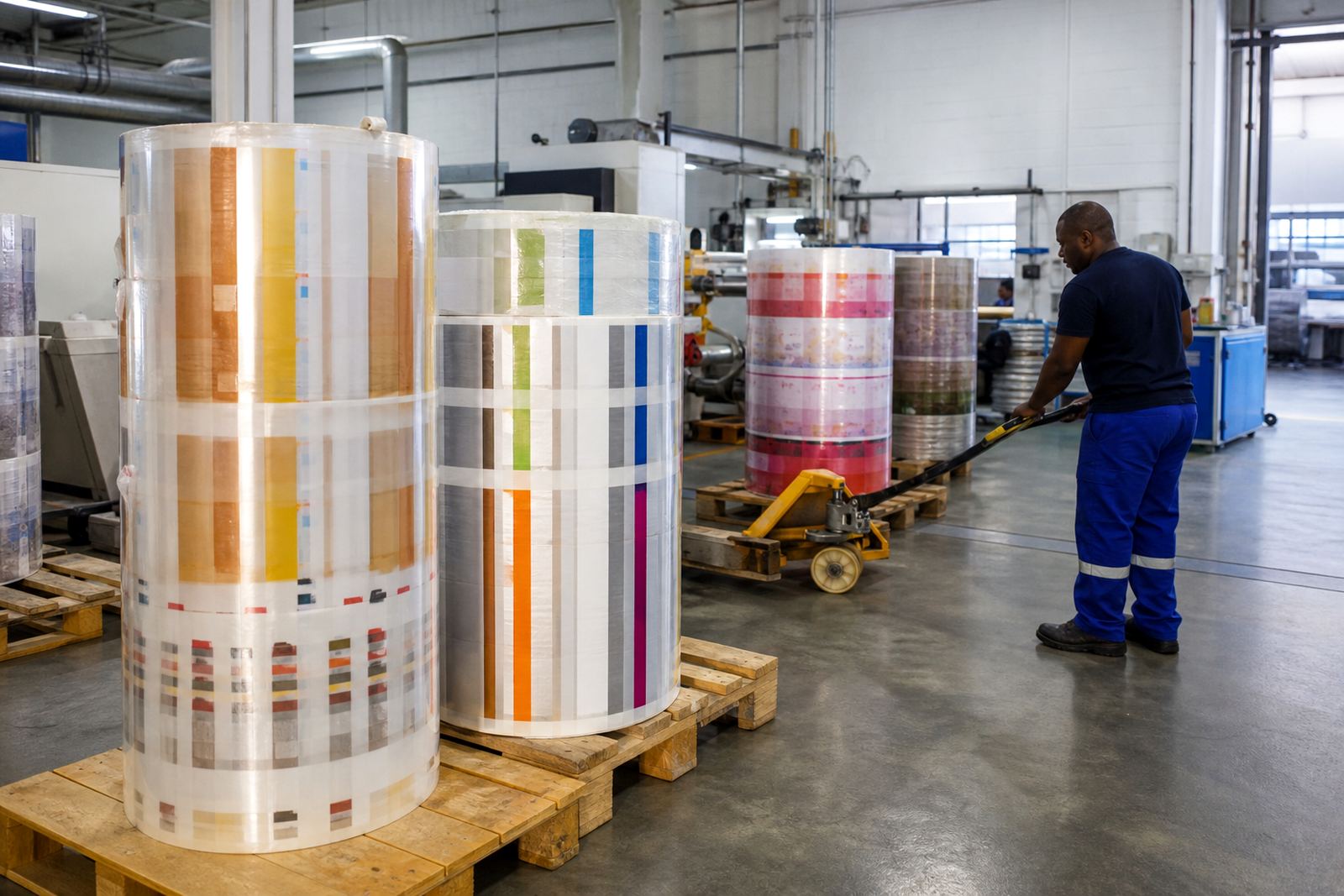
Rollstock is flexible packaging material supplied in a continuous roll rather than as finished packs. In practical terms, the film is printed, slit and then fed through packing machinery or converted into finished pouches, sachets or wraps. For many local brands in food, personal care and household goods, this format makes sense because the same printed reel can be used across more than one pack size if the machinery is set up for it.
In flexo printing, the artwork is applied onto the film before it is sent for converting or packing. That means the pack design, batch details and product information are already in place on the reel, which helps keep production moving. It is a familiar option for businesses that need consistent print across repeat orders and want to avoid handling finished stock in multiple pack sizes at once.
Why Some Businesses Choose Reels Over Finished Pouches
Finished pouches are useful when a business wants packs ready to fill and ship, but rollstock gives more flexibility on the production floor. A packer can run the film on a vertical form fill seal or horizontal pack line, depending on the product and speed required. That can help with shorter lead times, less handling and easier storage because reels usually take up less space than cartons of finished pouches.
For a brand in Pinetown sending product to Durban, Johannesburg or Cape Town, rollstock can also make dispatch planning easier. Instead of holding large volumes of pre-made packs, the business can receive reels in the order needed and use them as demand changes. This is especially handy for seasonal products, trial sizes and repeat lines where only the printed details need to stay constant.
- Less storage space than bulky finished packs
- Better fit for packing machines that run from reel to pack
- Useful for short runs and repeat production
- Can support multiple pack formats from the same artwork family
What Affects Print Quality On Rollstock
Rollstock printing needs good artwork prep, steady colour matching and the right material choice for the product. The film surface, barrier needs and seal performance all matter. A sachet for a sauce, for example, will need different handling from a wrap used for dry goods or a pouch for granola. If the film is too thin or the seal window is not right, the pack may not run well on the machine and that can slow production down.
At flexo press stage, small details count. Registration must stay accurate, colours need to stay within tolerance and text must remain readable after slitting and sealing. Load-shedding and humidity can affect plant conditions in KwaZulu-Natal, so production planning has to take that into account. If reels are stored badly or handled roughly, the edges can damage or the film can mark, which creates waste later on.
- Artwork that suits the repeat length and print layout
- Film selection matched to the product and sealing method
- Colour control for repeat orders
- Careful winding, slitting and packing for transport
How Rollstock Supports Pouches, Sachets And Wraps
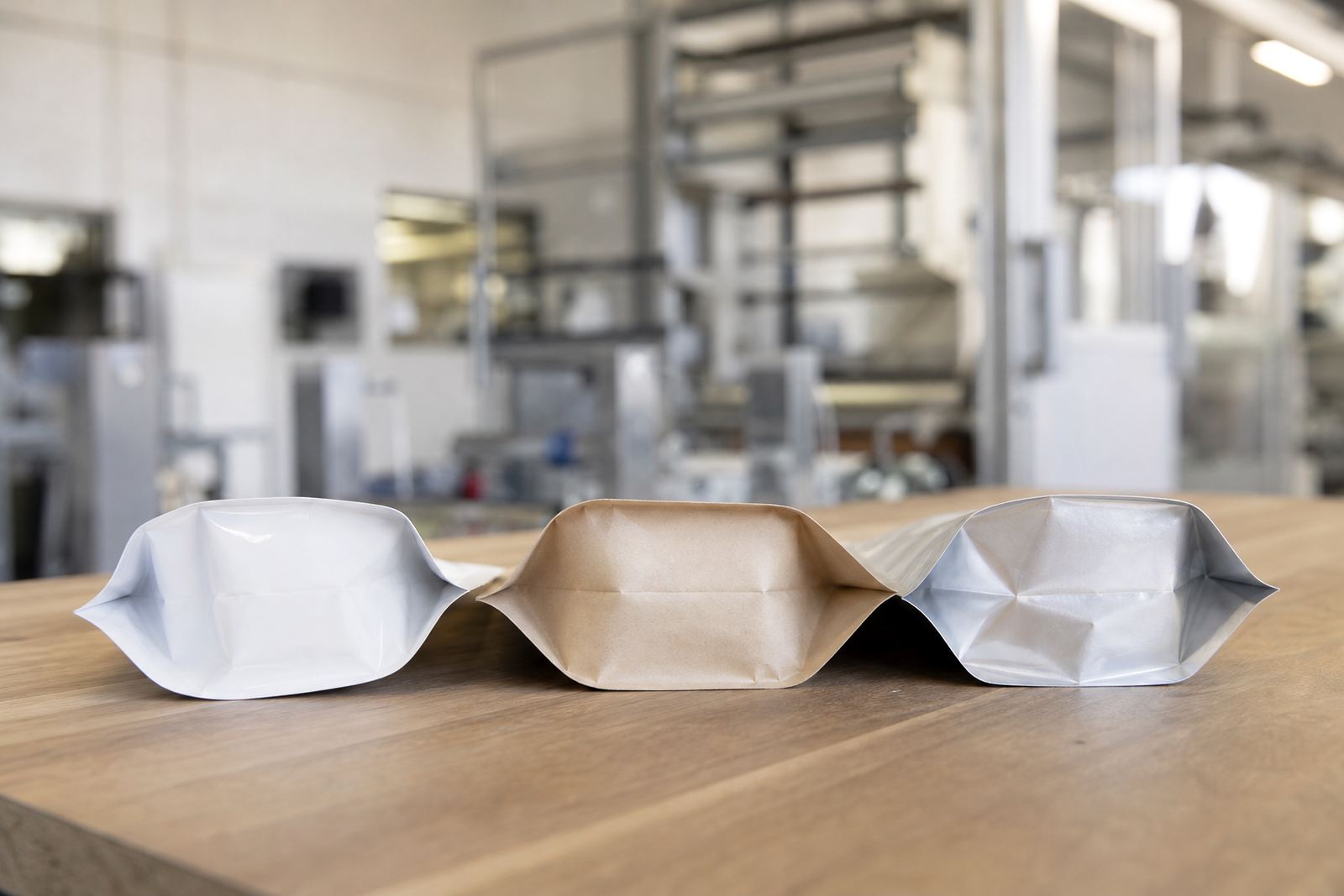
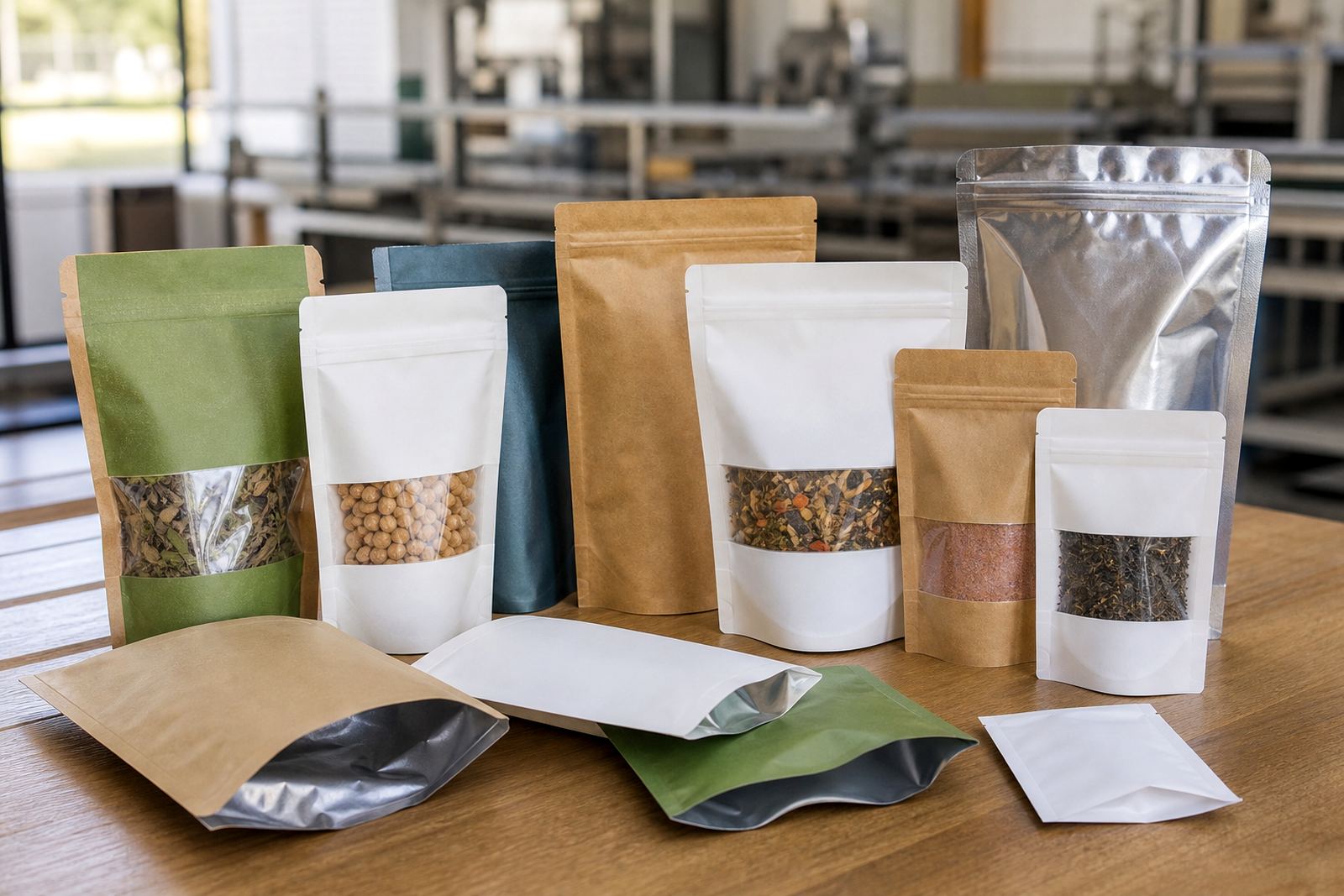
Many people think of rollstock as one product, but it is really the starting point for several flexible packaging formats. A pouch line may take printed film and form it into a stand-up pack or flat pouch. A sachet line uses narrower reels and cuts them into small single-serve packs. Wrap printing uses wider film for flow wraps or protective outer wraps around goods. The same basic print method can serve different pack types, provided the material and machine setup are suitable.
This is useful for local brands that want one visual identity across a range. A coffee brand may use one design family for small sachets, larger pouches and a printed wrap for promotional packs. A spice maker may need the same colour palette on different pack sizes, but with the text adjusted for each format. That consistency helps on shelf, while the reel format keeps production practical.
A Pinetown Example: Planning For Distribution Across South Africa
Picture a snack producer based in Pinetown supplying retailers and wholesalers in Durban, Pretoria and Bloemfontein. They may need one pack size for local trade, another for national distribution and a small trial pouch for promotions. Rollstock can help them manage those needs without committing to large numbers of finished packs in every format. The reels can be printed, checked, then held for converting as stock moves.
Because the business is shipping across the country, dispatch planning matters. Reels need to be packed well, labelled clearly and handled in a way that protects the edges and print. If the product will be packed later, the reels also need to be stored in a dry area away from heat and direct sunlight. That sort of practical setup saves time when an order has to move quickly, especially when customers are expecting repeat production with little notice.
- Local production helps reduce transport time to Durban and Pietermaritzburg
- National delivery planning supports repeat orders to Johannesburg and Cape Town
- Careful storage protects printed reels before converting
- Clear pack records make reordering simpler
When Rollstock Is The Better Option
Rollstock is often the better choice when the business already has packing machinery, needs flexible run lengths or wants to control converting in house. It also suits brands that order often but not always in the same quantity. If your product line changes through the year, or if you want to test a new size before scaling up, reel film can be a practical route.
It is not always the answer. Some businesses prefer fully finished pouches because they do not have packing equipment or they need a pack that is ready to fill straight away. The best option depends on the product, the order size and the way the goods are dispatched. A proper packaging consultation should look at the film structure, seal needs, artwork, and the machinery you use. That way the reel works for your operation instead of causing problems later.
What To Ask Before You Order Rollstock
Before placing an order, it helps to think beyond the artwork. Ask what pack size you need, how the reels will run on the machine and whether the same design will be repeated often. Also check the storage space, dispatch schedule and whether your packing line can manage the film width and core size. These details matter, especially when orders are moving between Pinetown and other centres like Durban, Johannesburg and Cape Town.
Good packaging planning is usually simple, but it has to be specific. The better the brief, the fewer surprises once production starts. If the reel needs to run at speed, the film and print layout should support that. If it is for short runs, the setup should still allow clean colour and neat registration. That is what turns a printed reel into packaging that works on the floor and in the market.
- Product type and pack format
- Machine setup and reel specifications
- Expected run length and repeat order plan
- Storage and delivery requirements