
What multi-lane sachets do on the filling line
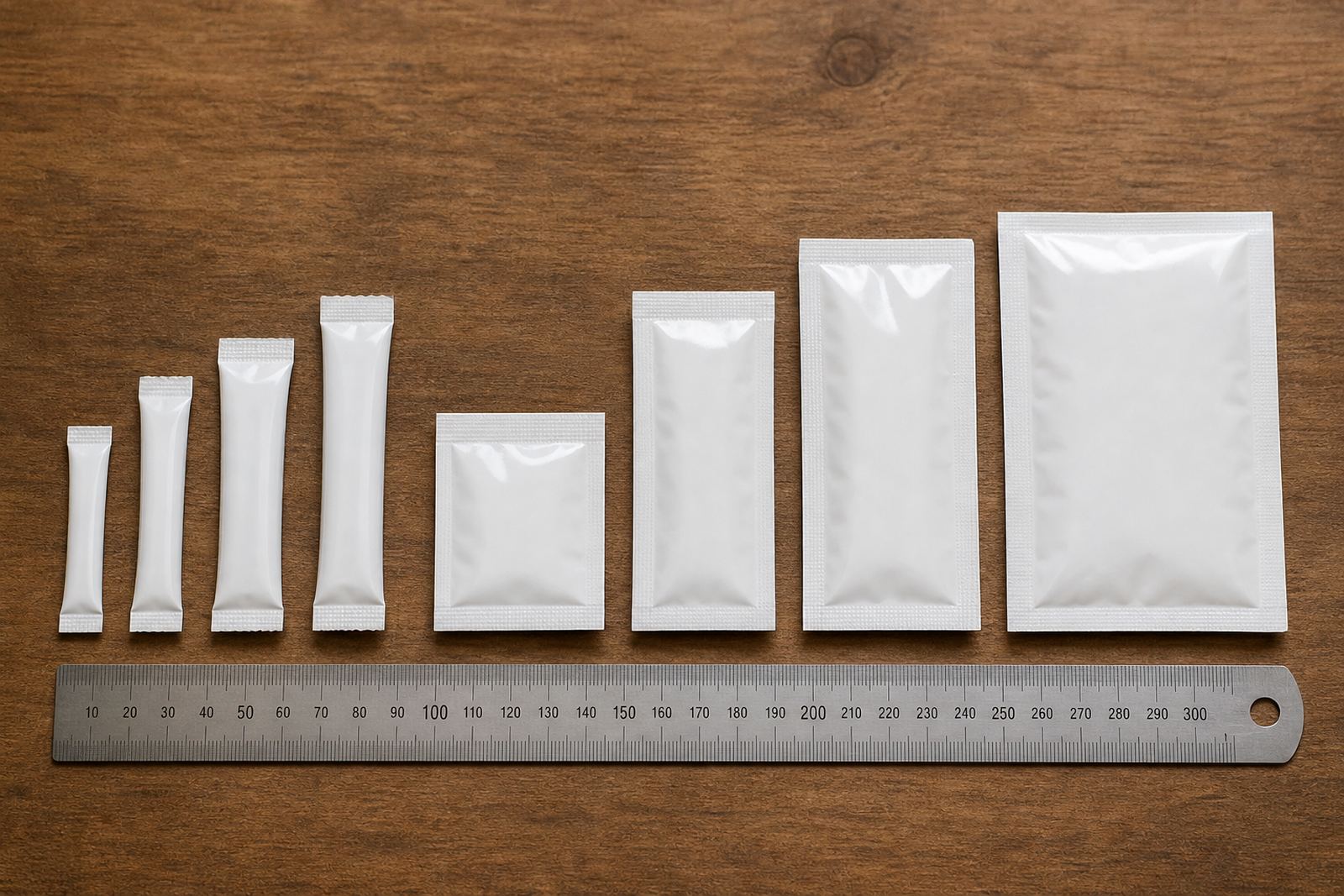
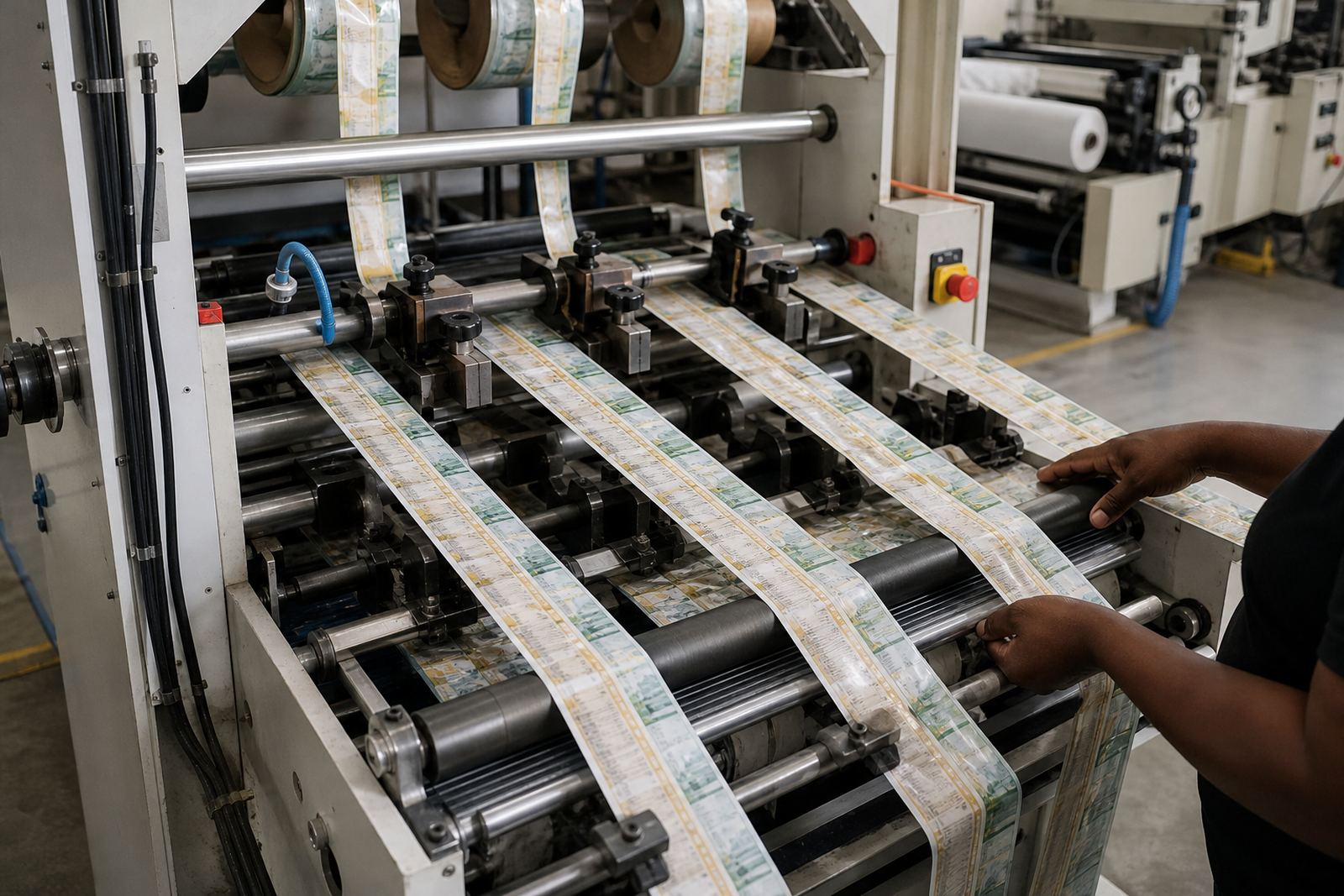
Multi-lane sachets are arranged so more than one sachet is formed and filled at the same time. Instead of a single line moving through the machine, the web carries several lanes side by side. That setup suits products that need small, repeatable portions, especially where a packing line must keep moving at a steady pace.
For a brand in Durban or Pinetown supplying sauce, seasoning, sugar substitute, powder mix or sample packs, multi-lane formatting helps reduce bottlenecks. The operator is not waiting on one sachet at a time, which can lift output and keep the line more consistent during a shift. It also helps when labour is tight or when power interruptions and start-stop running can make slower systems less practical.
When a higher lane count makes sense
Not every sachet product needs the same layout. Some fill cleanly with two or three lanes, while others suit a wider web and more lanes. The choice depends on the product behaviour, the fill speed, seal width and how much room is needed for print, cut marks and registration. A thicker product may need more space between lanes, while a free-flowing powder can often run with tighter spacing.
- Dry goods that need fast portioning
- Samples for retail or trade promotions
- Hospitality packs for condiments and condiments blends
- Industrial sachets for powders or additives
- Small-volume fills that must stay neat and consistent
In practice, the best lane count is the one that supports the filling equipment and the carton or shelf pack that comes after it. If the sachets are too wide or too many lanes are squeezed in, the line can become harder to control and the seals may suffer.
Print layout, registration and seal control
Multi-lane sachets need careful artwork setup because every lane must line up correctly across the web. Registration marks, seal areas and cut positions all need to work together. If the print is off by even a small amount, the sachet can show uneven panels, poor branding or a weak seal edge. That is why artwork prep and proofing matter before production begins.
Flexo printing is well suited to repeat sachet work because it handles steady runs and consistent colour well when the setup is correct. For brands that order the same layout again and again, repeat production becomes easier once the artwork, colour references and material choice are properly recorded. It saves time at the next run and helps reduce the risk of variation from one batch to another.
Materials that suit sachet volume and handling
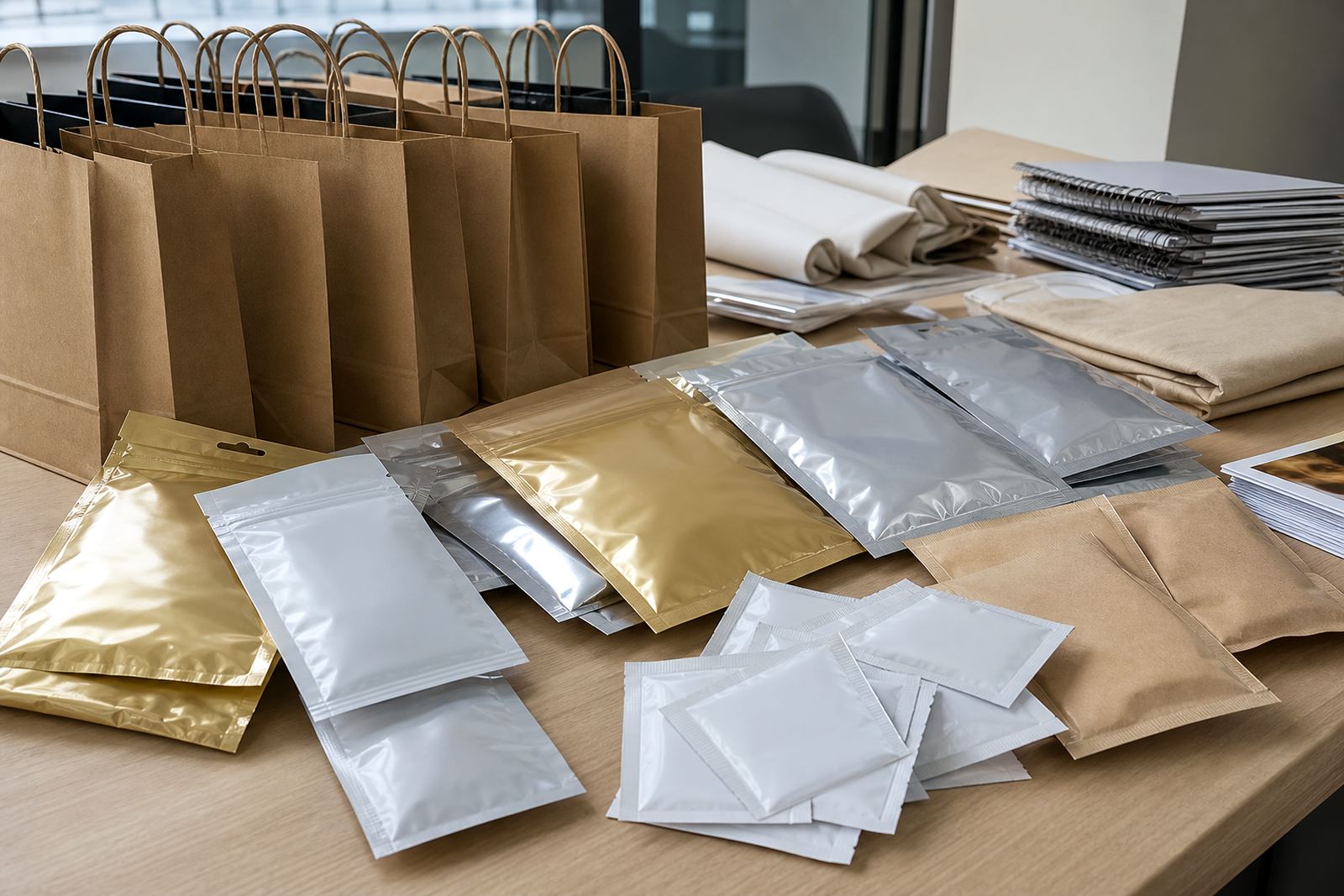
The film or laminate chosen for a sachet affects how it runs through the machine and how the final pack performs in transit. In humid coastal areas like Durban, materials need to be chosen with handling and storage conditions in mind. A pack that looks fine at dispatch can still curl, scuff or seal badly if the structure is not suited to the product and the route it travels.
For multi-lane sachets, the material has to support the speed of filling and the pressure of sealing across several lanes at once. A supplier in Pinetown may prefer a structure that runs cleanly on the machine and stacks well after packing. For inland deliveries to Johannesburg or Pretoria, the packaging also needs to handle longer transport times and warehouse movement.
- Film that feeds evenly through the line
- Seal structure that suits the product type
- Surface that carries print clearly
- Thickness that holds shape during packing and dispatch
Short runs, repeat orders and practical planning
Multi-lane sachets are often linked to higher volume work, but short run orders still matter. A new flavour, seasonal promotion or trial pack may only need a limited quantity before the brand commits to a larger schedule. That is where short run planning is useful, especially if the customer wants to test demand in Cape Town, Bloemfontein or Pietermaritzburg before scaling up.
The key is to plan the sachet layout around the filling target, the minimum order practical for the line and the need for repeat production later. Good planning also helps when dispatch dates are tight and transport needs to leave from Pinetown on a fixed schedule. If the pack format is stable, reorders are easier and the print stays consistent from one batch to the next.
A local example from the KwaZulu-Natal supply chain
Consider a Durban-based supplier packaging small condiment sachets for food service outlets, with stock also moving to Johannesburg and Cape Town. A single-lane format may be too slow for the weekly demand. A multi-lane layout can allow several sachets to be produced together, then packed in cartons for trade counters, takeaway chains or distribution centres. The result is a more workable line and less downtime between batches.
In that sort of job, the print needs to stay legible, the seals need to stay consistent and the cartons need to close neatly for transport. If the product is going into the hands of customers every day, a small fault gets noticed quickly. That is why the layout, material choice and proofing stage matter as much as the final print.
How we support sachet projects from Pinetown
From our Pinetown base, we support local brands with flexo printing, sachet production, artwork prep, colour matching and dispatch coordination. The process usually starts with the product requirements, then moves through material selection, proofing and repeat planning so the sachet layout fits the filling line. We also help with packaging consultation when a brand is trying to decide between a single lane, a wider web or a revised repeat layout.
Our team includes Siyabonga Ndlovu, Priya Naicker, Marius van Wyk, Thandiwe Mkhize, Jason Petersen and Lerato Molefe, and each part of the job is handled with the next step in mind. That matters when packs must travel across South Africa and still arrive ready for filling, labelling or cartoning. Clients reach us through the enquiry form on our contact page, and from there we work through the practical details one by one.