How to use these packaging story examples
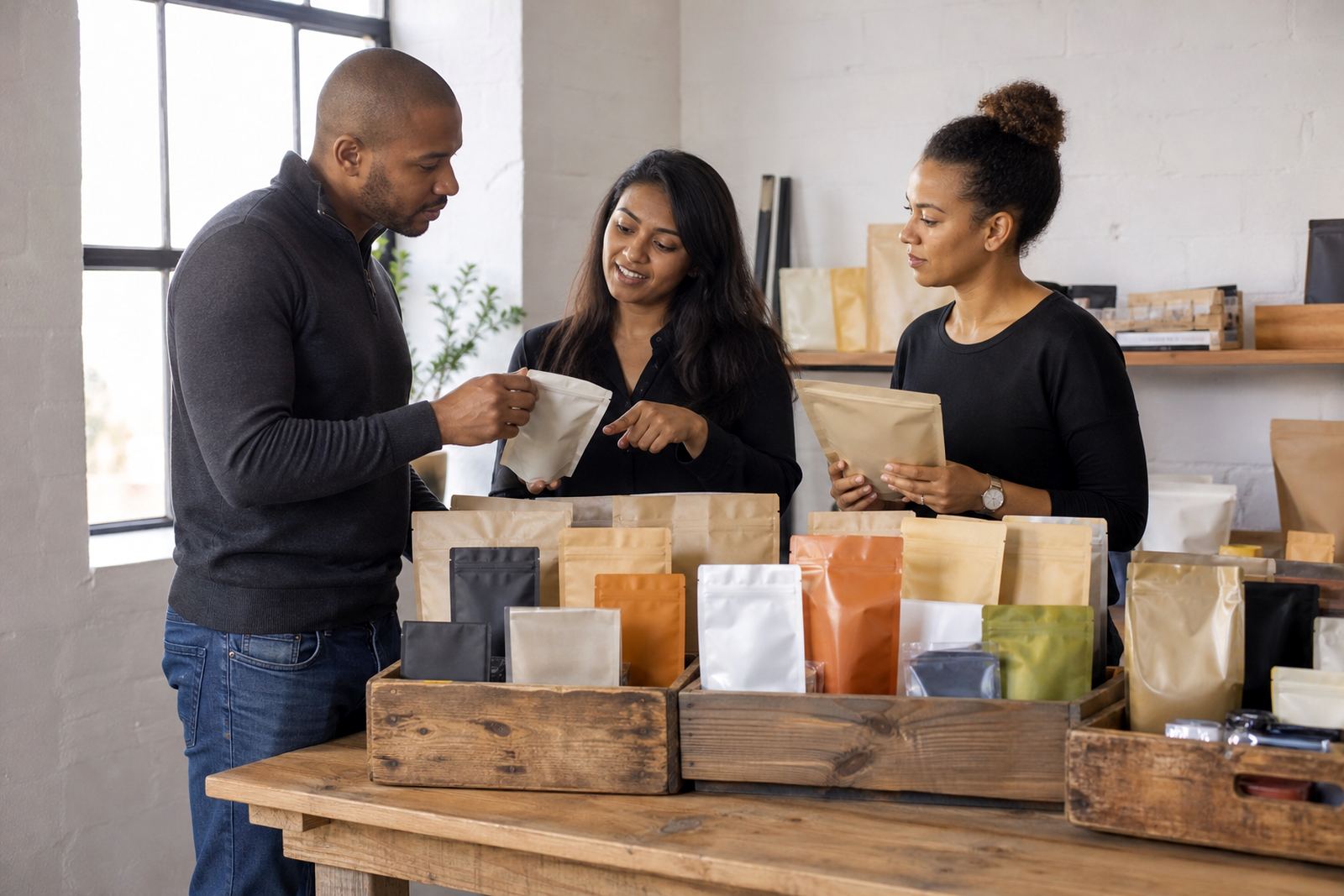
Start by looking for a project that matches your product, your pack size and where you sell. A food pack moving through Durban heat, a retail pouch going into Johannesburg stores, or a small run for a start-up in Pietermaritzburg will each need a different mix of film, print detail and finishing. These examples help you compare those choices without having to sort through every service on the site at once.
When you are choosing a story to read first, pay attention to the format, the order volume and the finish. A sachet page will tell you more about sealed edge detail, while a wrap example may show how artwork carries around a product on shelf. If you are not sure where to begin, use the town, the material and the type of brand as your guide.
What each story page usually covers
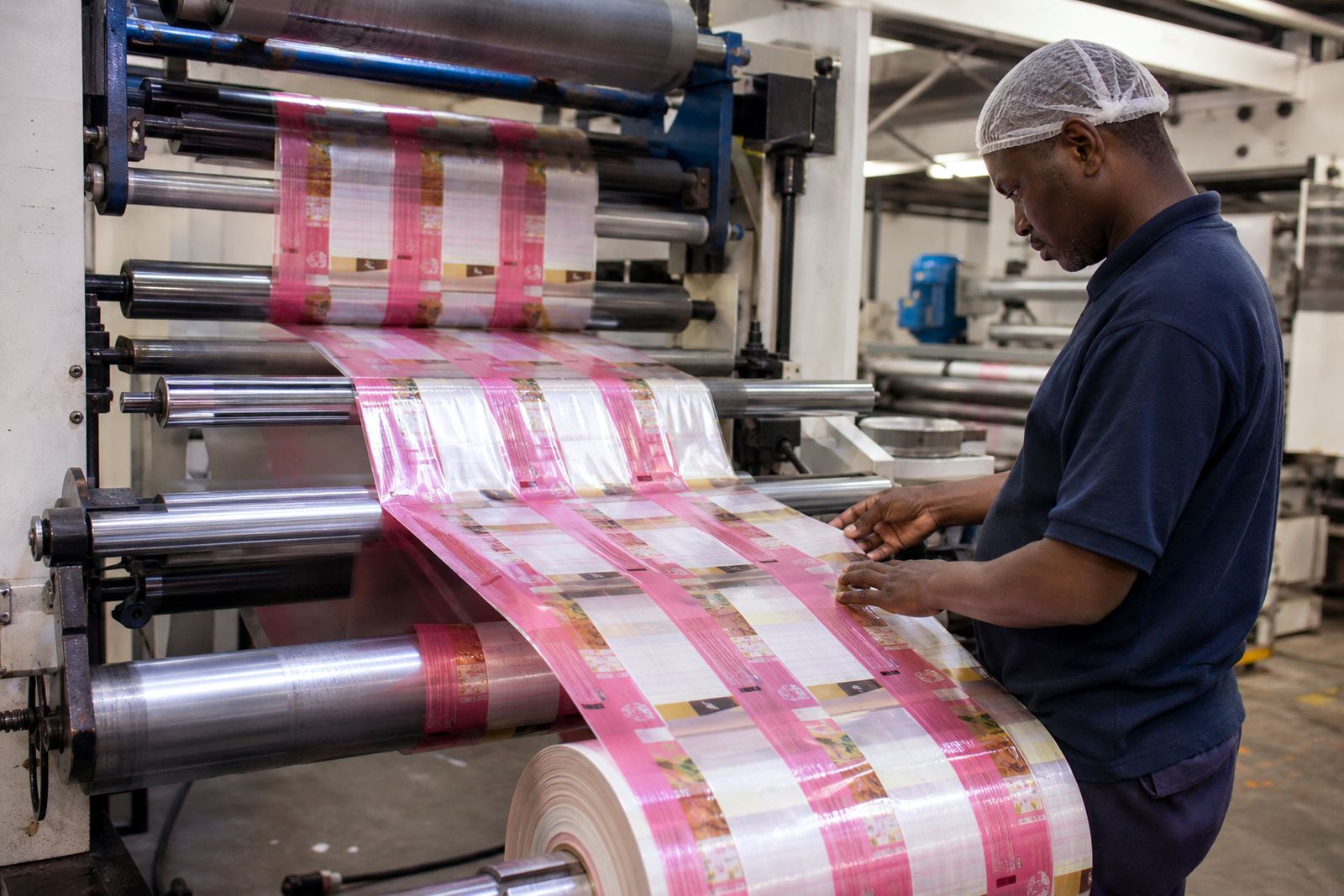
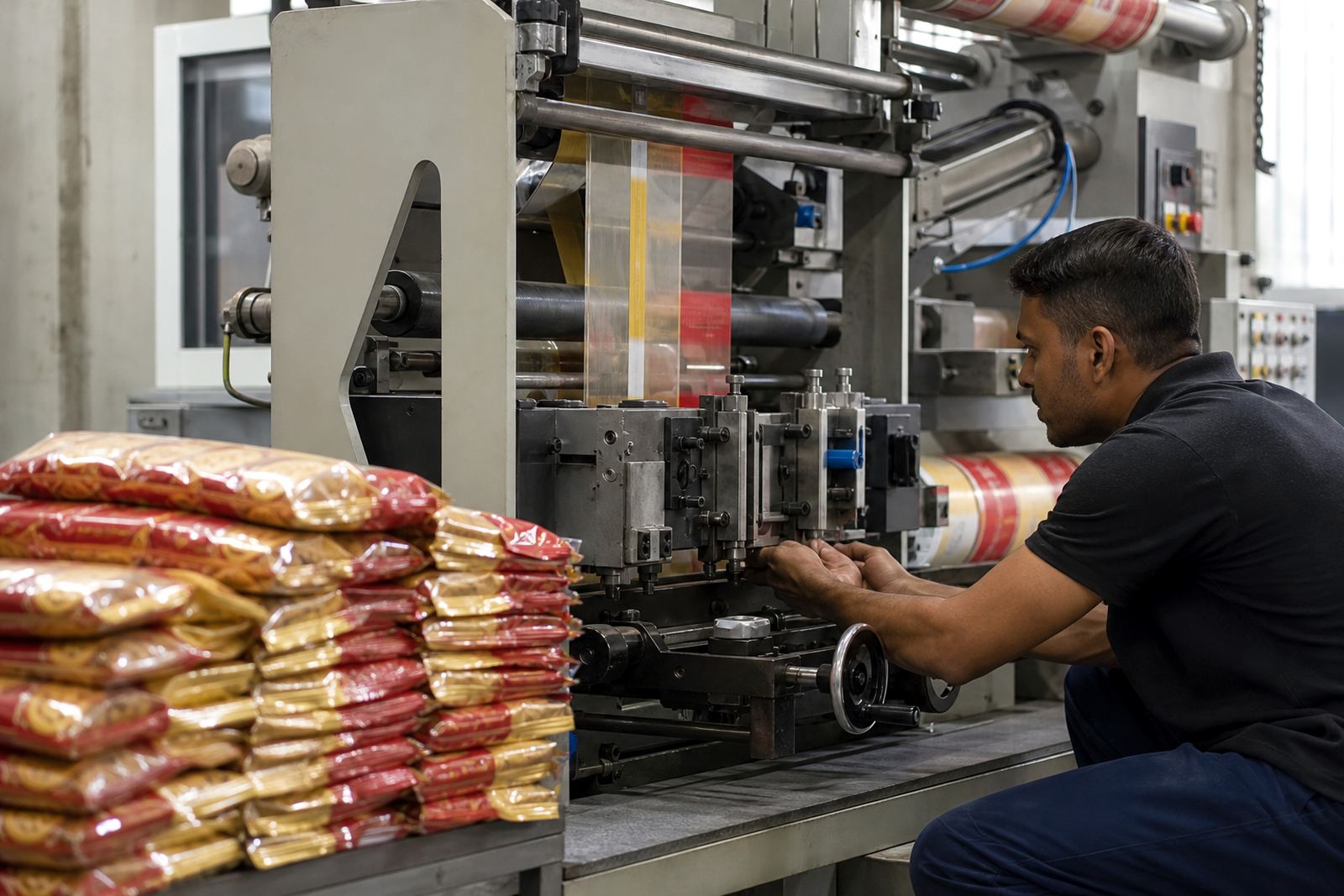
Every story page gives a simple picture of the job from first enquiry to final dispatch. You will usually see the product type, the print method, the artwork approach and the final format. That makes it easier to understand how flexo printing works for real packaging needs, not just in theory.
- Town or suburb linked to the order
- Client type such as food, retail or promotional packaging
- Format such as pouches, sachets or wraps
- Artwork prep, proofing and colour matching notes
- Dispatch planning for local or national delivery
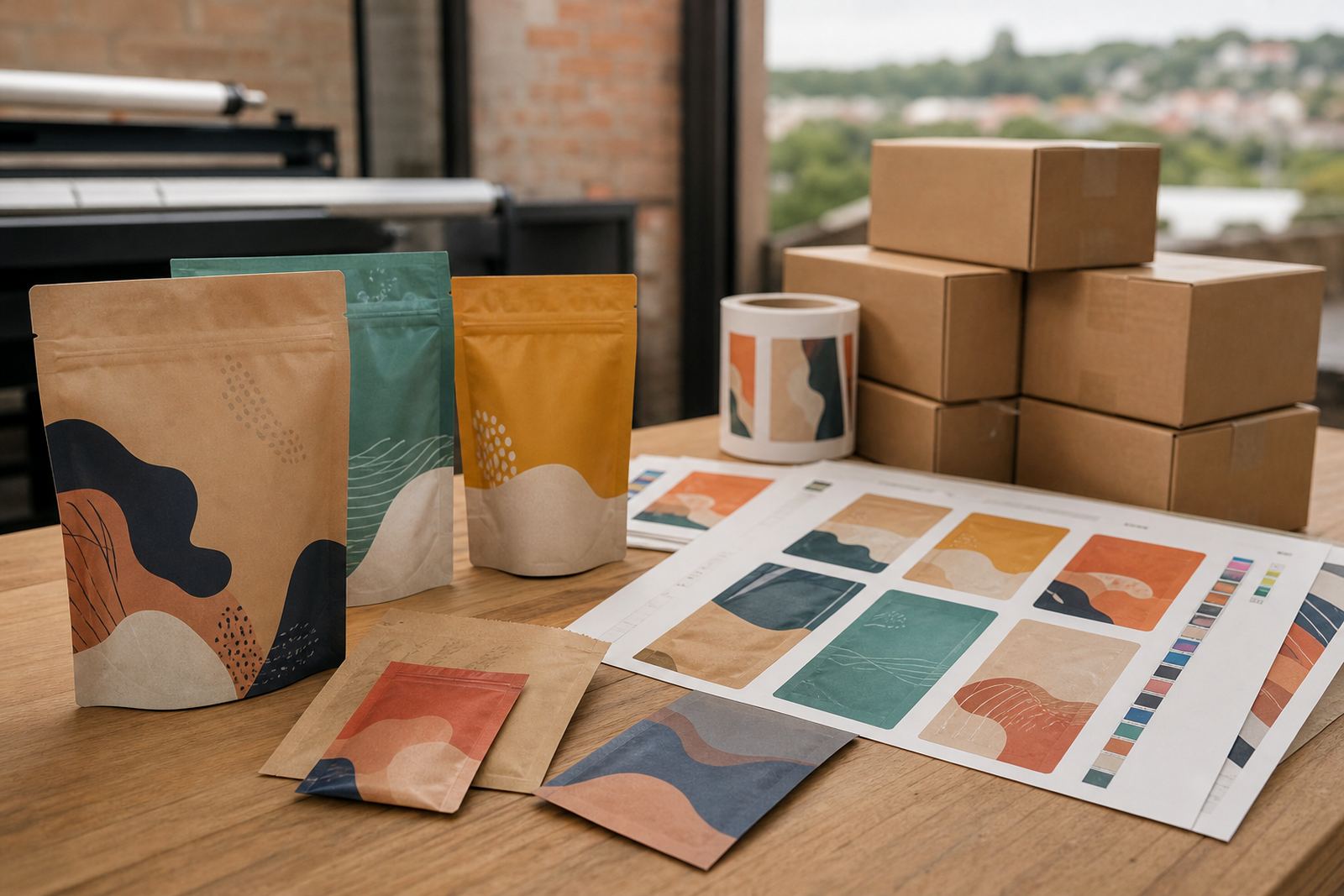
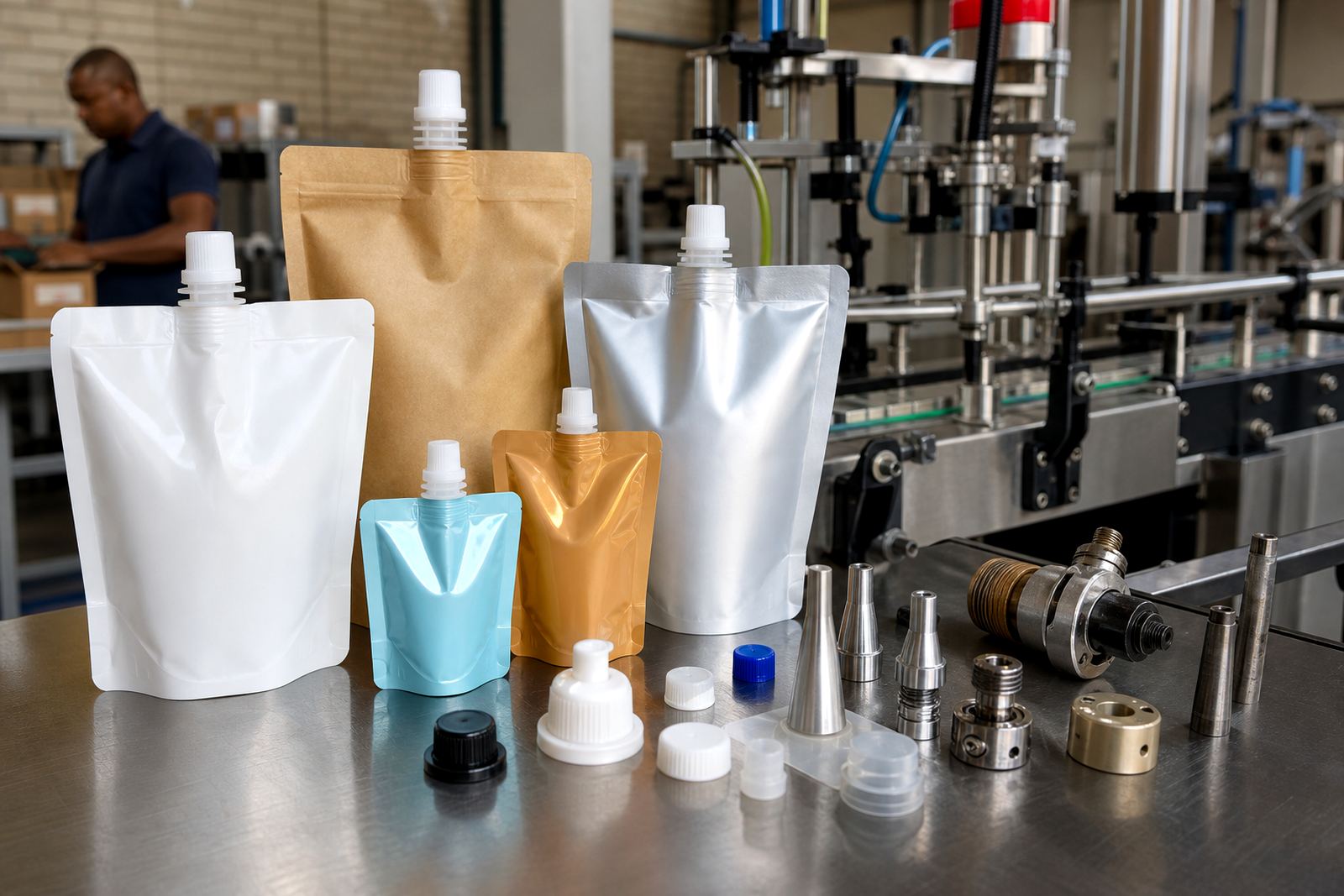
Pouches for local brands that need shelf presence
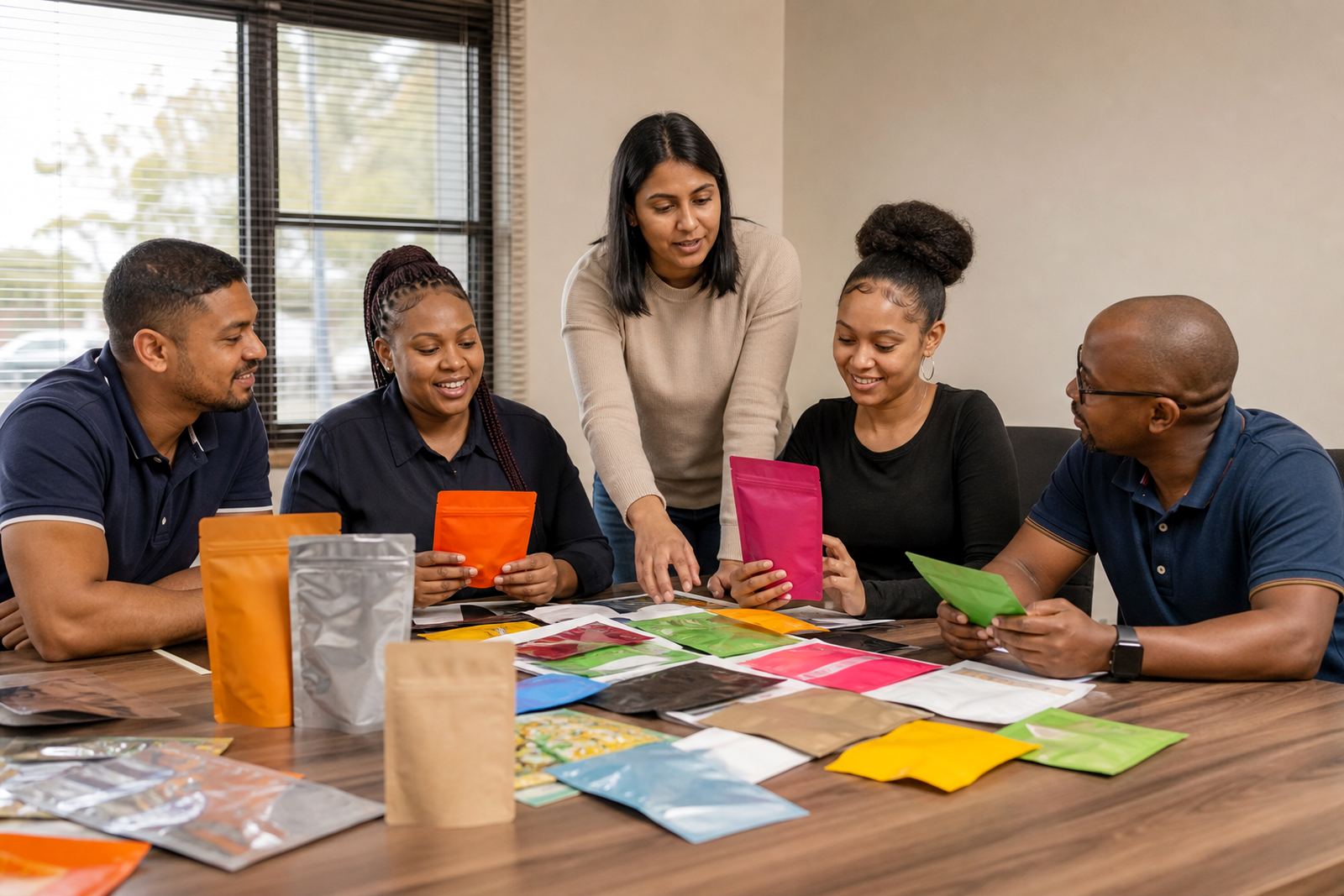
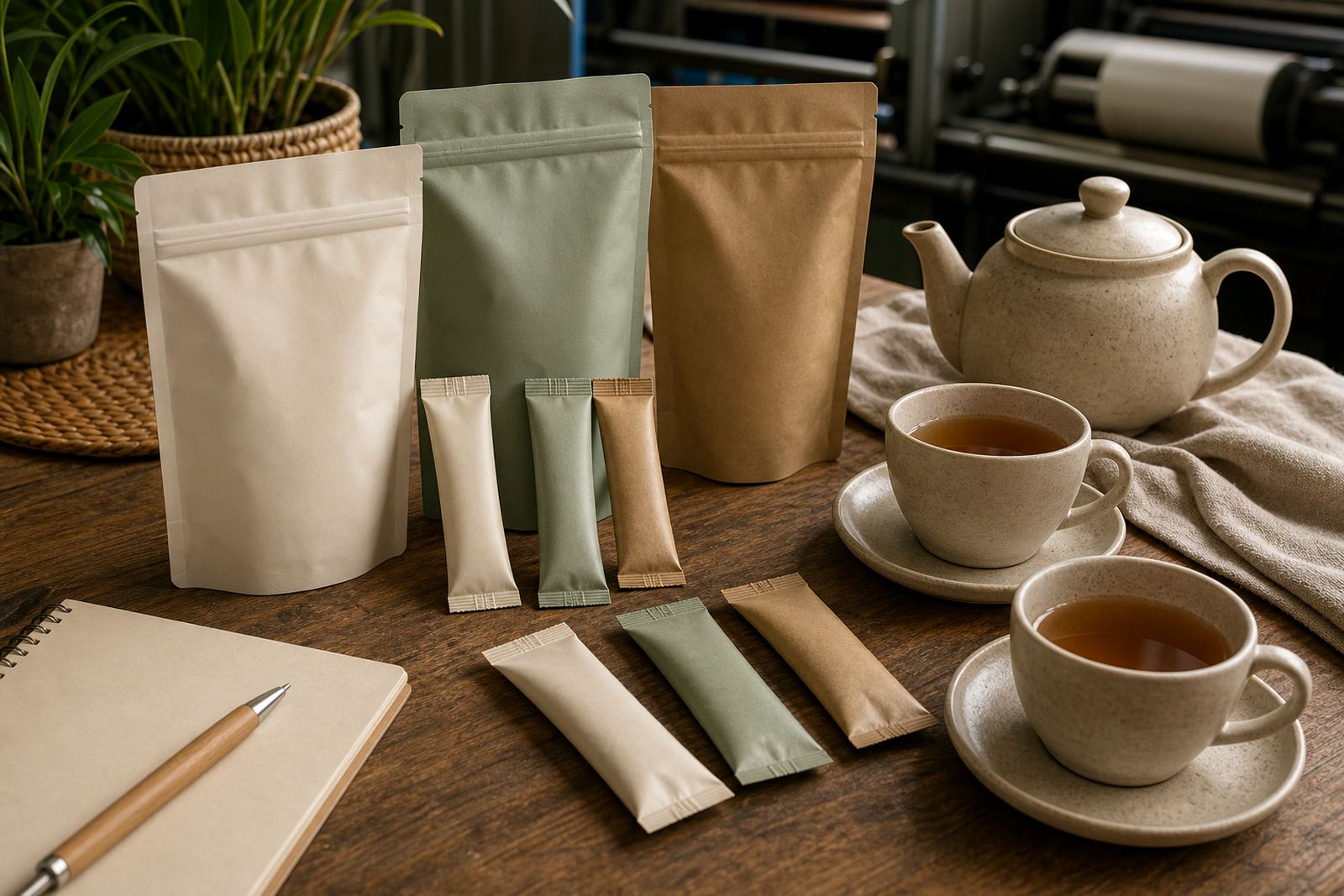
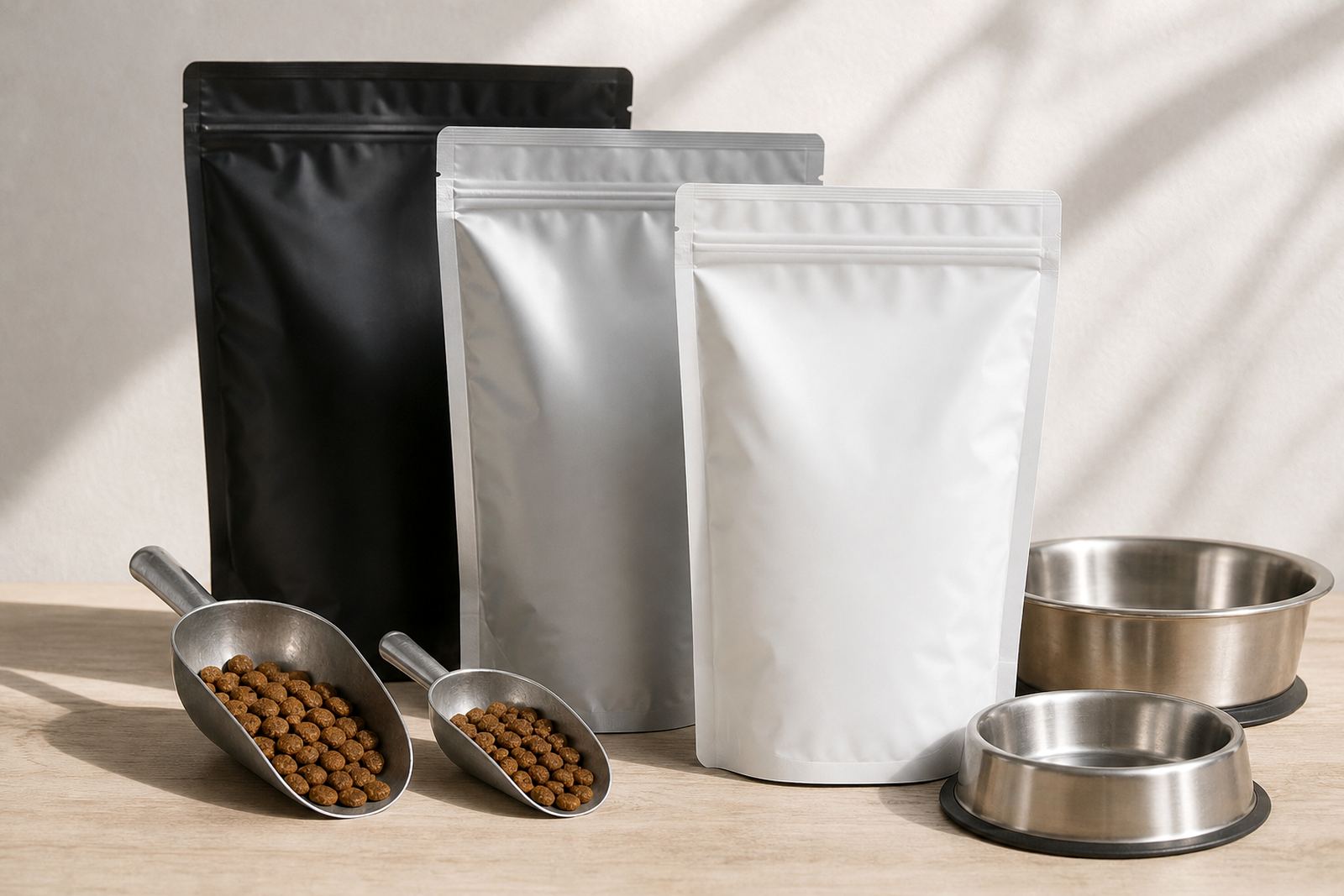
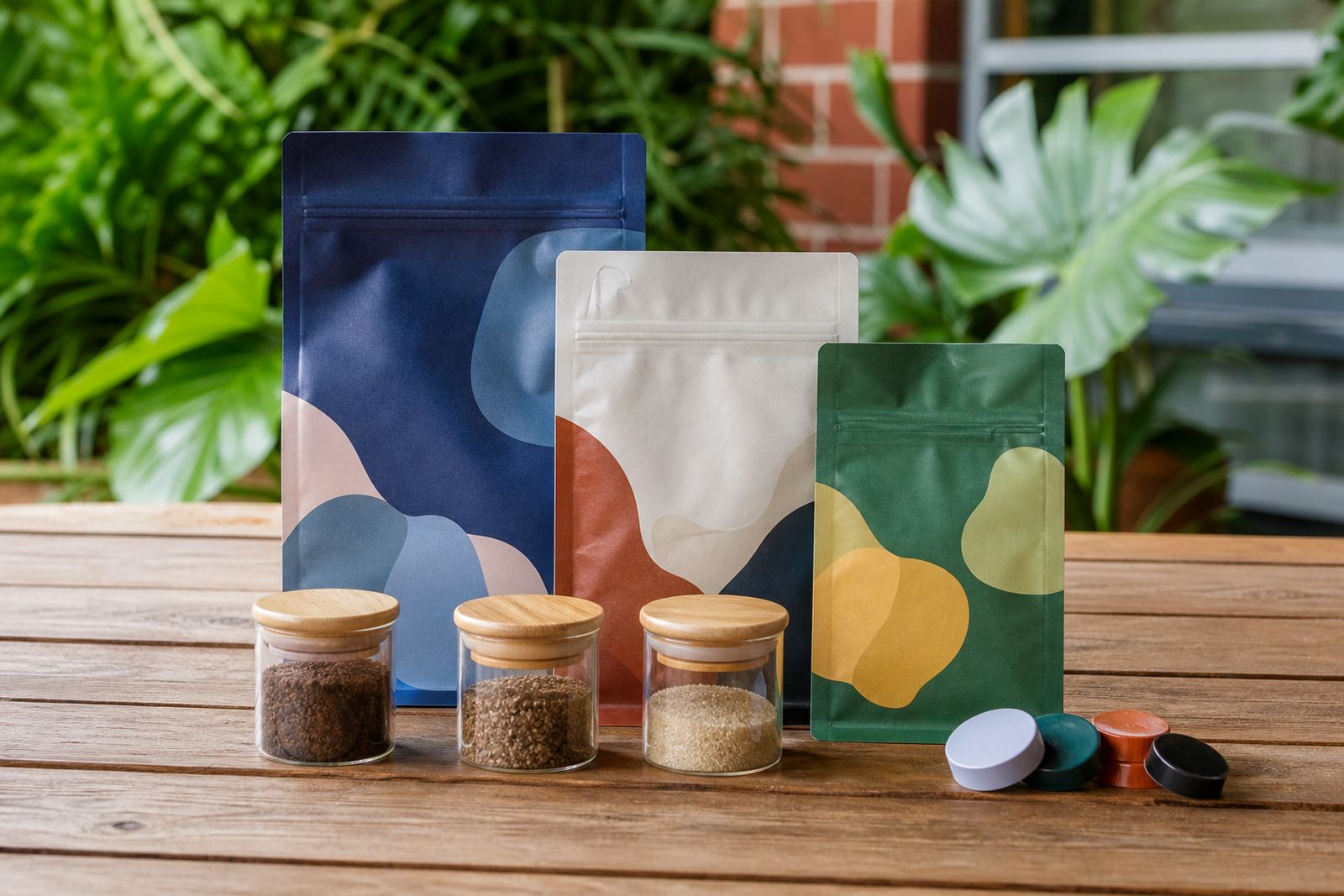
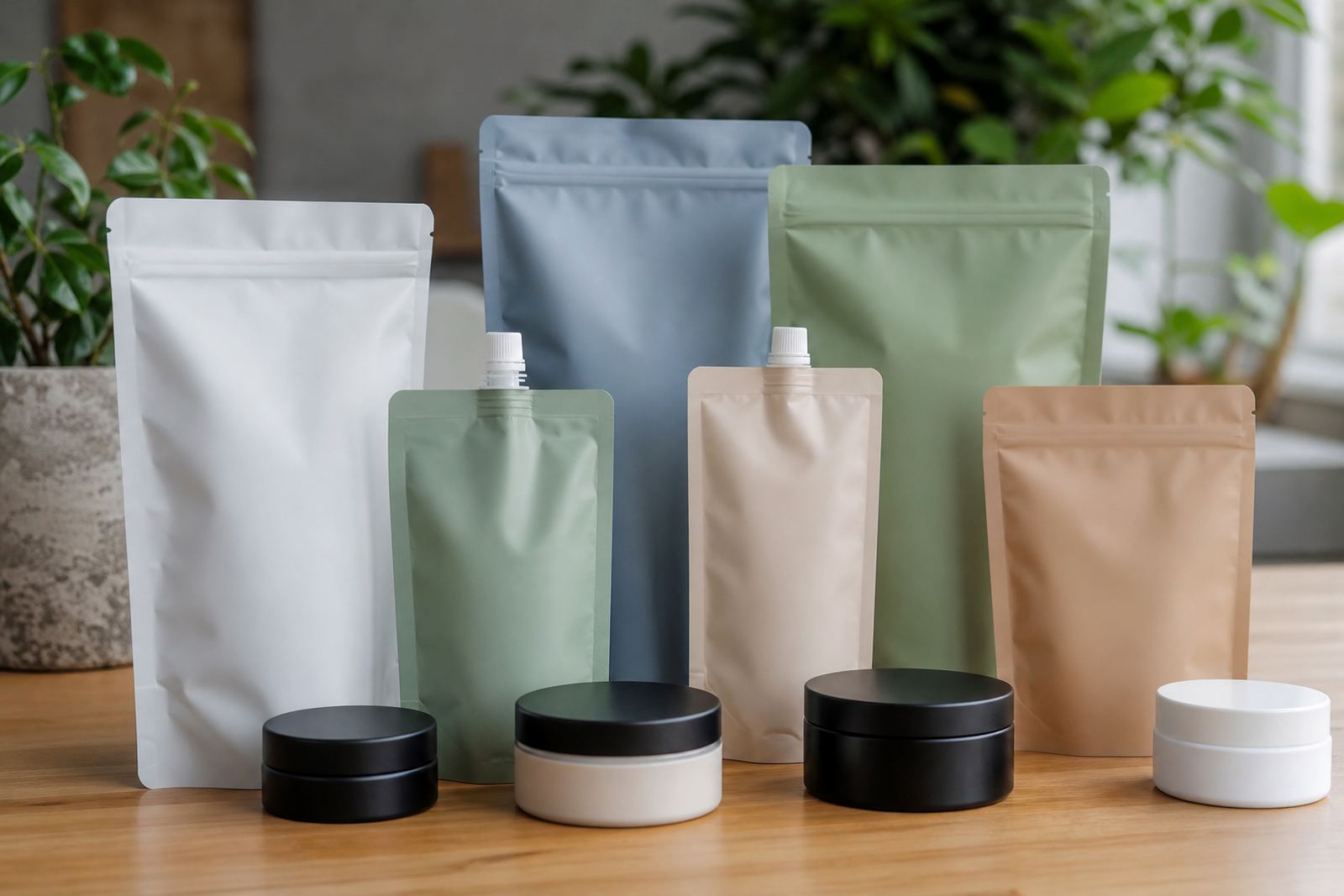
Pouch stories usually suit products that need a neat stand-up look and a practical seal. These examples may show how a brand in Pinetown or Durban selected film type, closure style and printed detail for a pack that had to hold shape in transit. For coastal areas, material choice matters because humidity can affect handling and storage, so the pack has to work in real conditions not just on paper.
Some pouch examples also cover shorter runs for trial products or seasonal stock. That is useful for smaller brands that want to test demand before committing to larger volumes. The packaging may change between repeat runs as the product settles into the market, and that is normal.
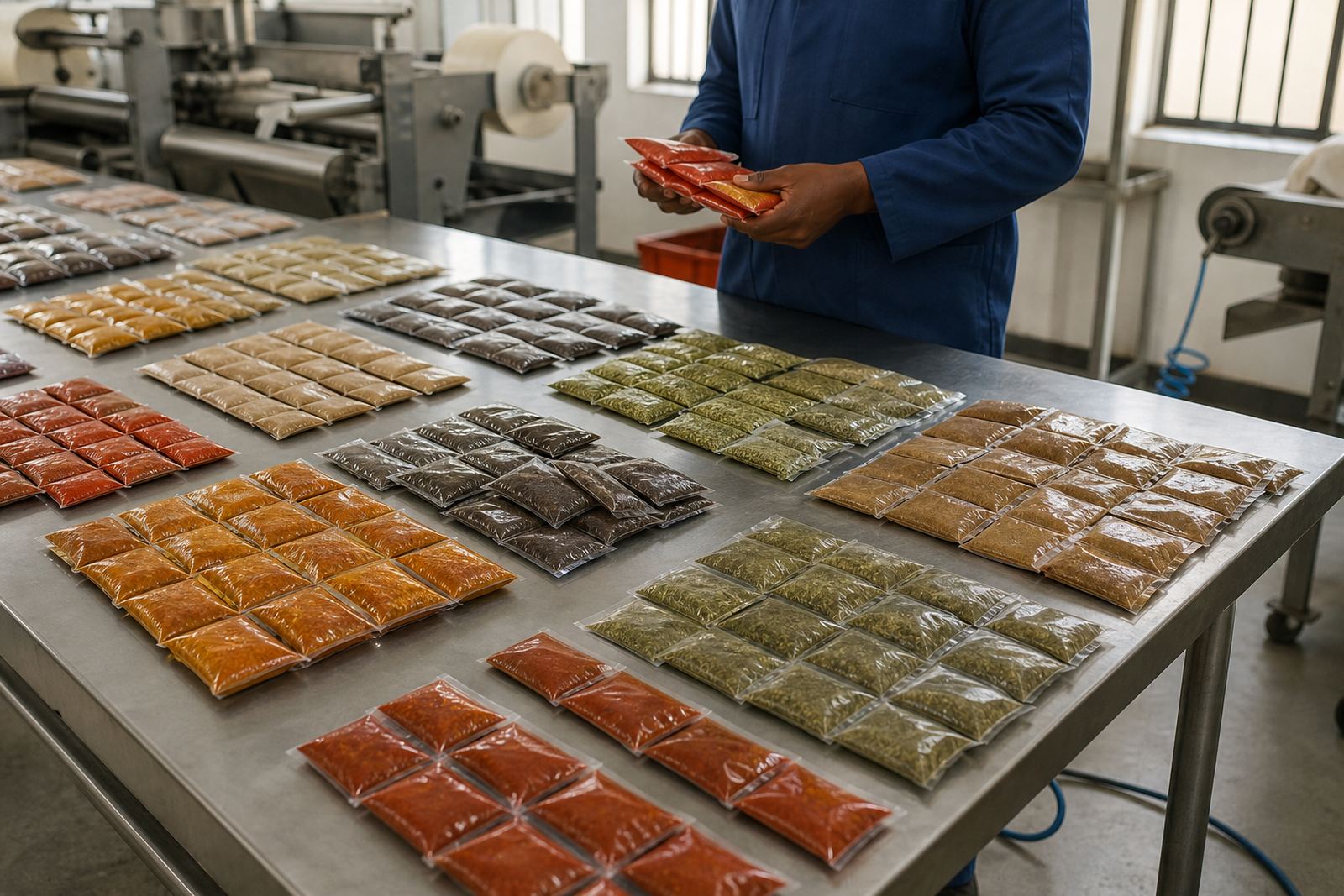
Sachets that suit samples, single serves and promotions
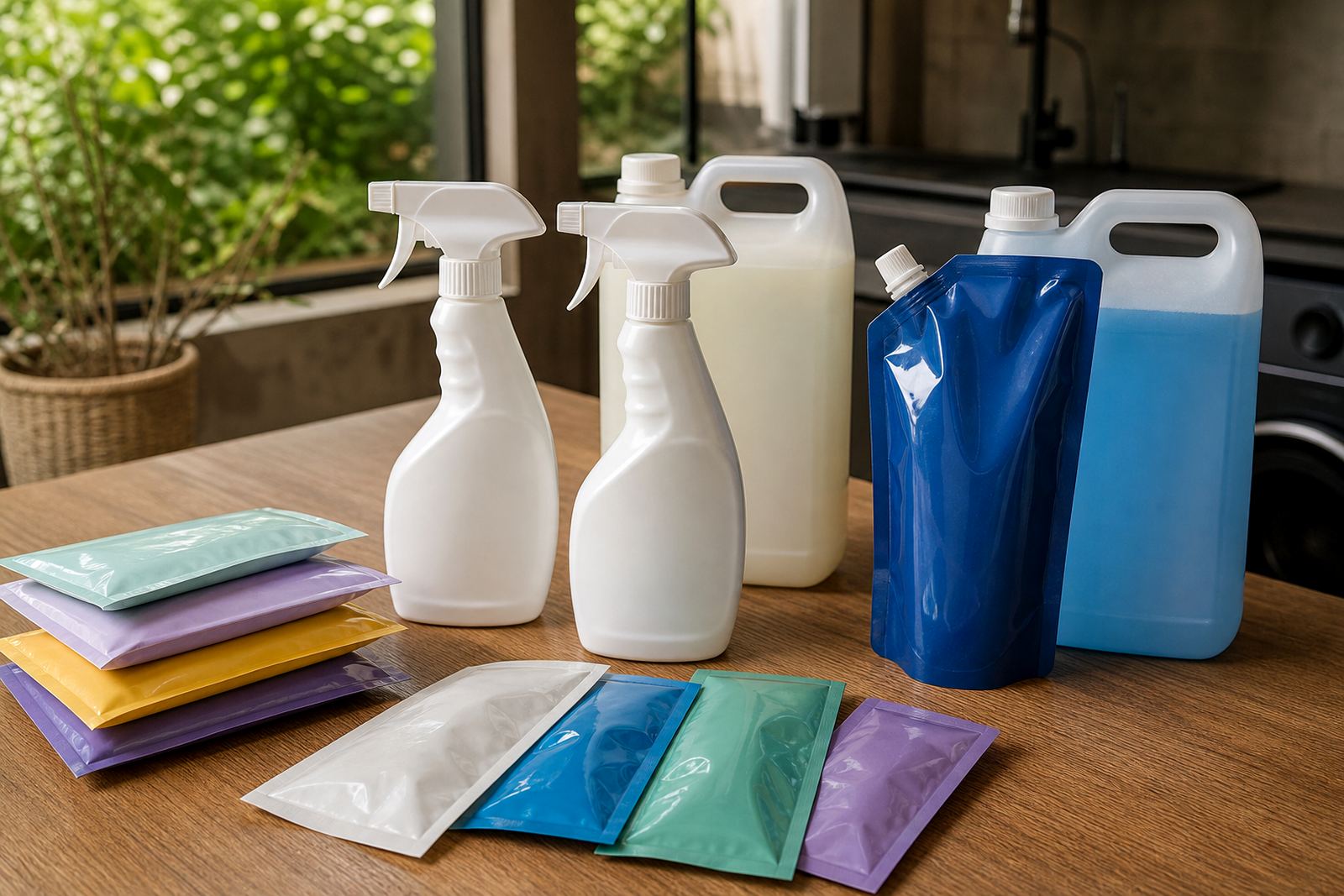
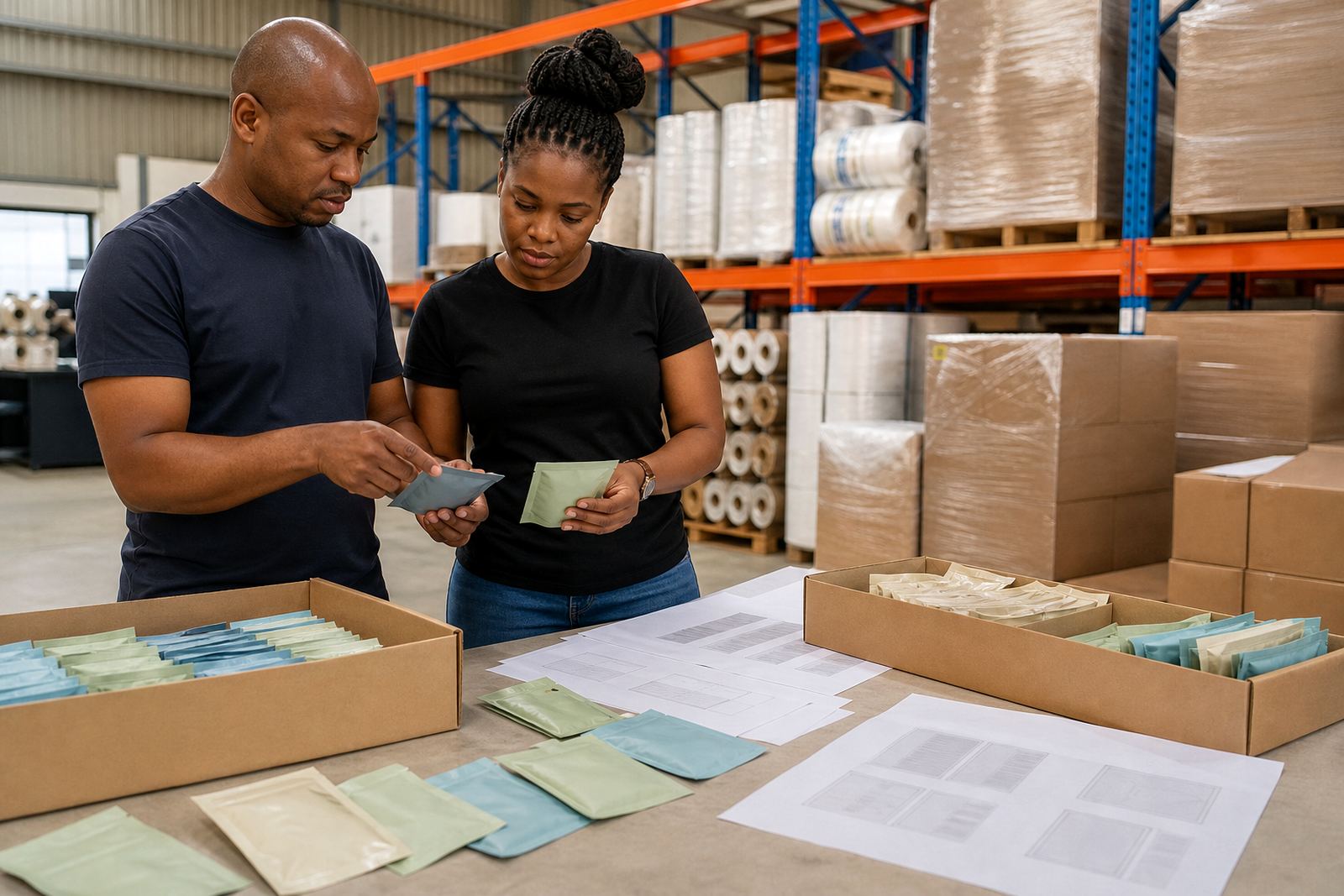
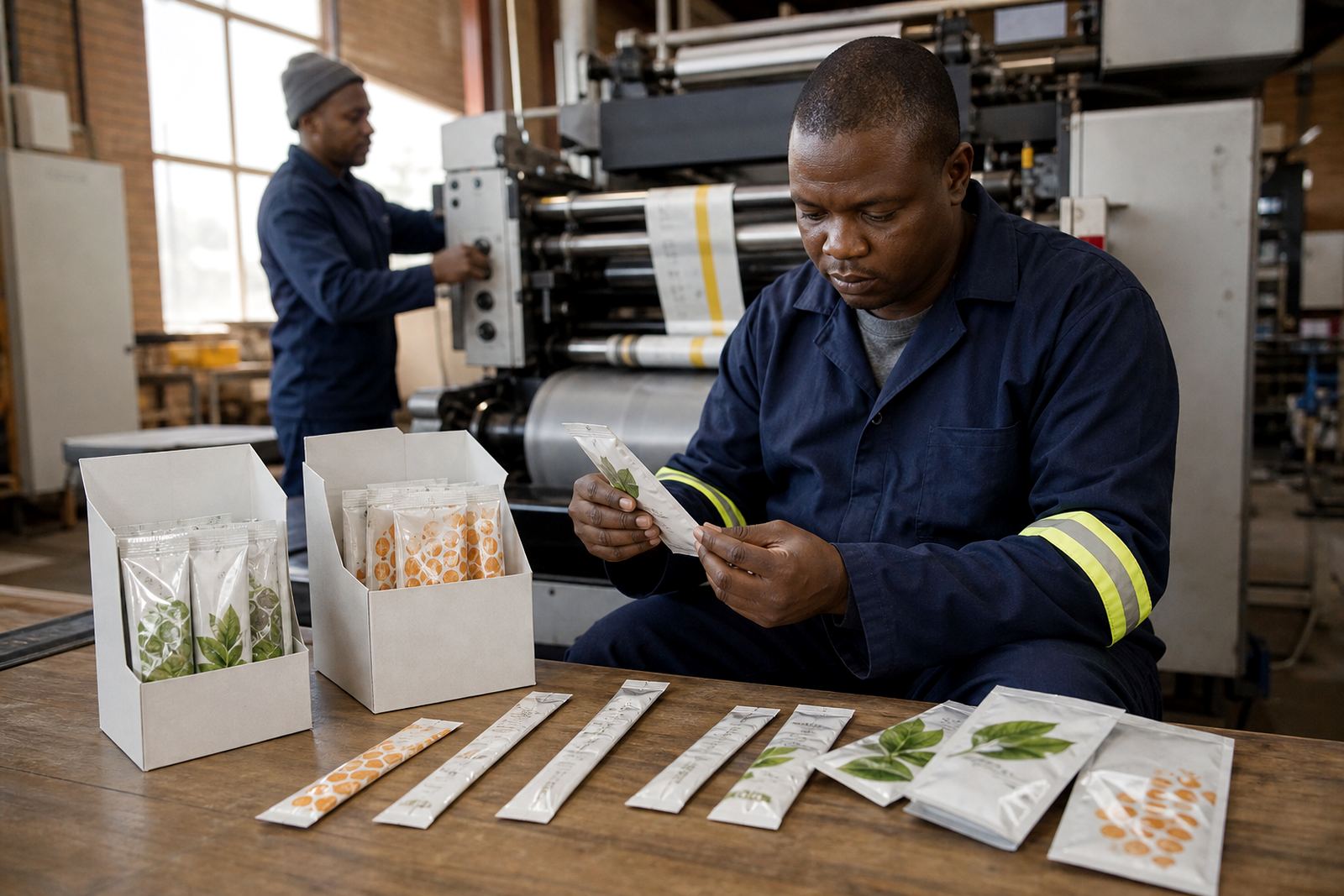
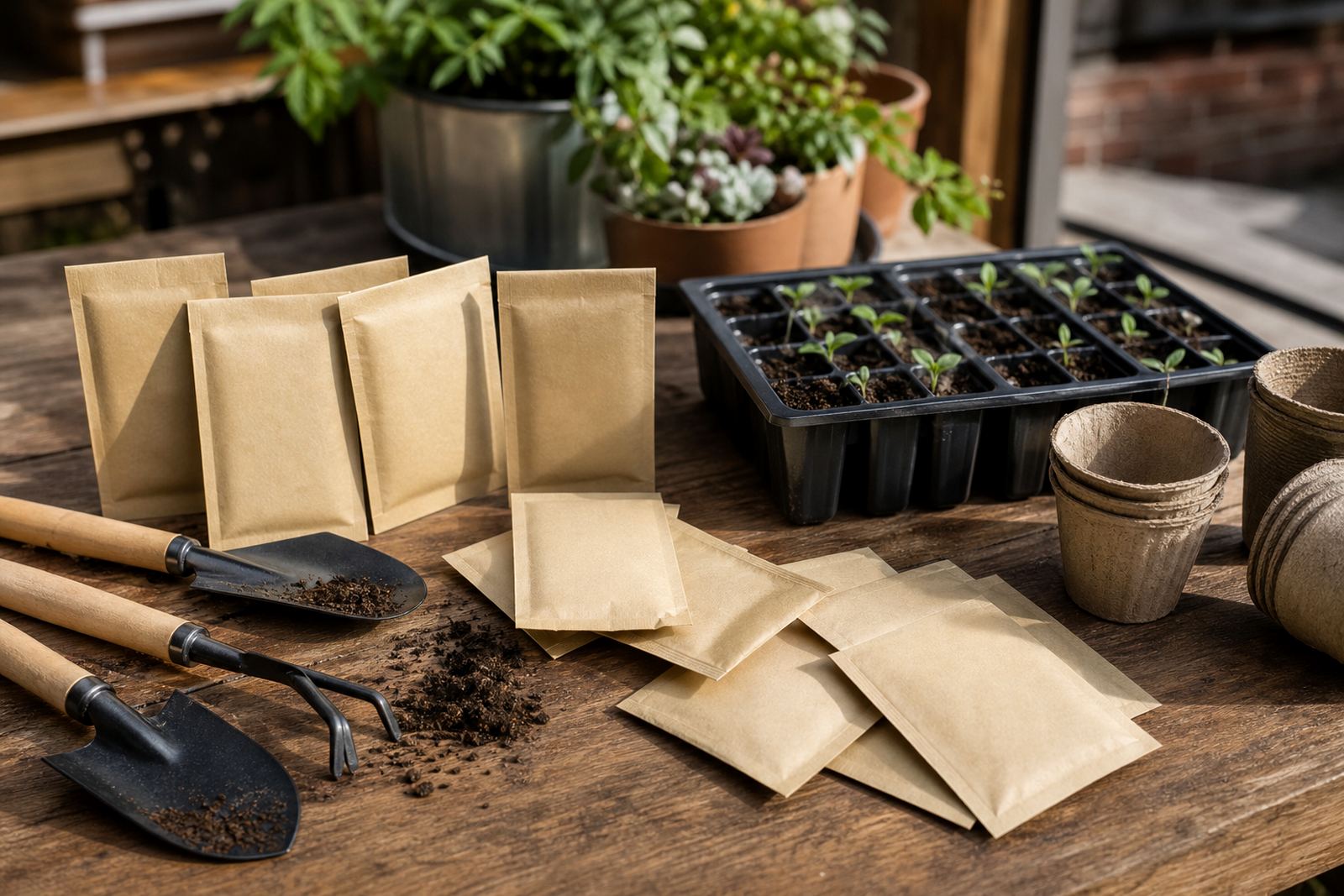
Sachets are often chosen for measured fills, sampling campaigns and single serve portions. A story page in this group may focus on clean edge sealing, clear batch separation and print that stays legible at small size. In many cases the artwork has to carry a lot of information in a tight space, so prep is important from the start.
- Good for trial packs and product introductions
- Useful where portion control matters
- Common for promotional or event use
- Requires careful type size and colour handling
If you are comparing options, these examples show how a sachet can be planned for fast packing and practical distribution. They also show how repeat production can keep the same look across multiple orders, which saves time when a brand gets busier.
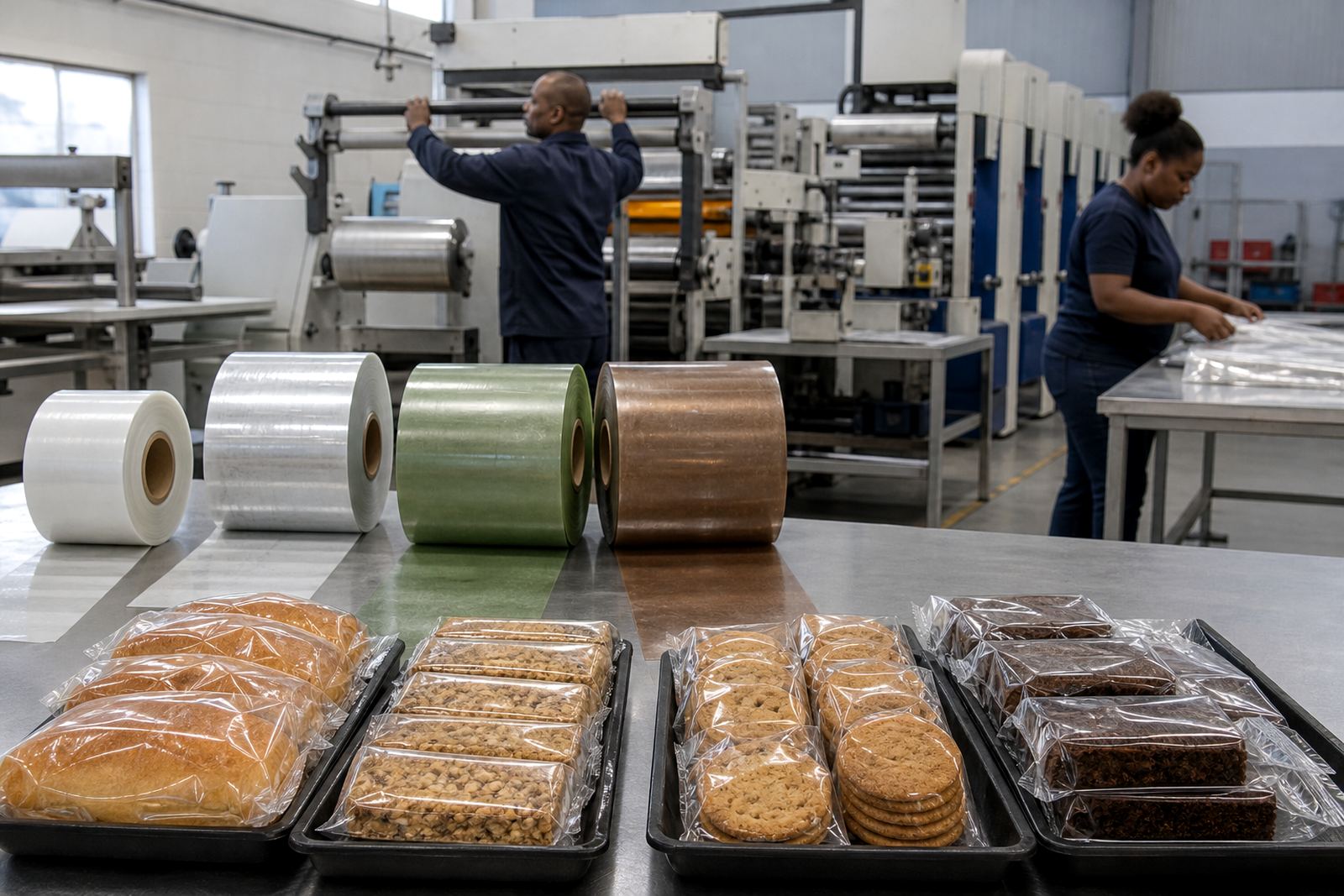
Wraps for products that need strong shelf visibility
Wrap printing stories are useful for brands that need a simple outer layer with clear product identity. These pages often cover snack items, dry goods or retail packs that are wrapped around a tray, pouch or bundle. The aim is to keep the message clear and the finish consistent across a full run.
In this section you may see examples from Cape Town, Bloemfontein or Pretoria where the pack needed to travel far before reaching stores. That means the wrap has to look tidy after handling and cartage, and the artwork needs to stay readable when the pack is stacked or displayed in a busy shop.
Artwork, proofing and colour matching in practice
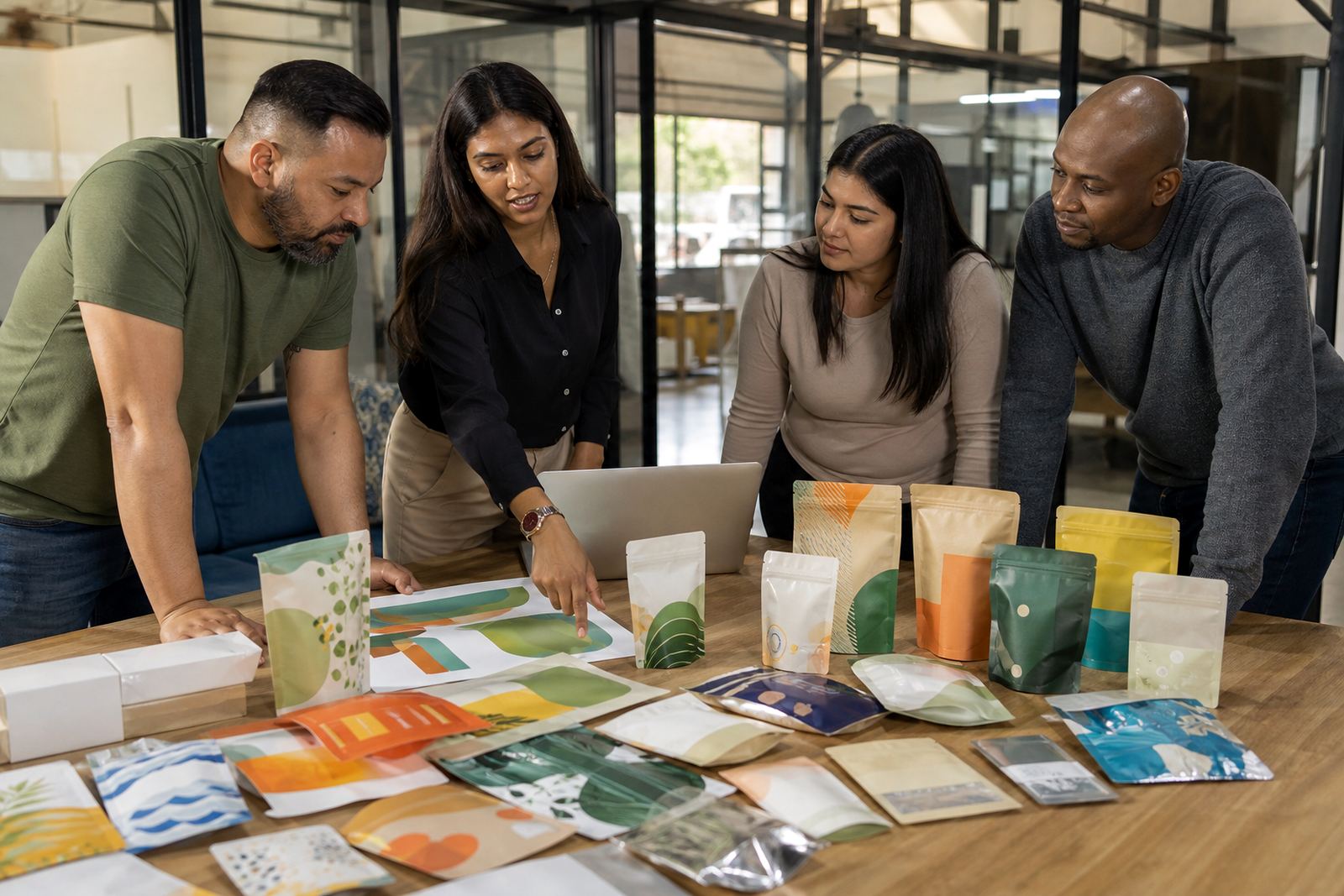
Good packaging starts before print. These examples show how artwork prep, proofing and colour matching are handled for local brands that need a reliable result. A page may note where the customer supplied artwork, where files needed adjustment, or where a colour sample was used to keep the print close to the intended tone. Small changes here can save a lot of back and forth later.
For brands working across different towns, consistency matters. A pack supplied in Durban should still look like the same pack when it lands in Johannesburg. That is why these story pages often mention the prepress step as much as the final printed roll or finished pack.
Delivery routes and repeat work across South Africa
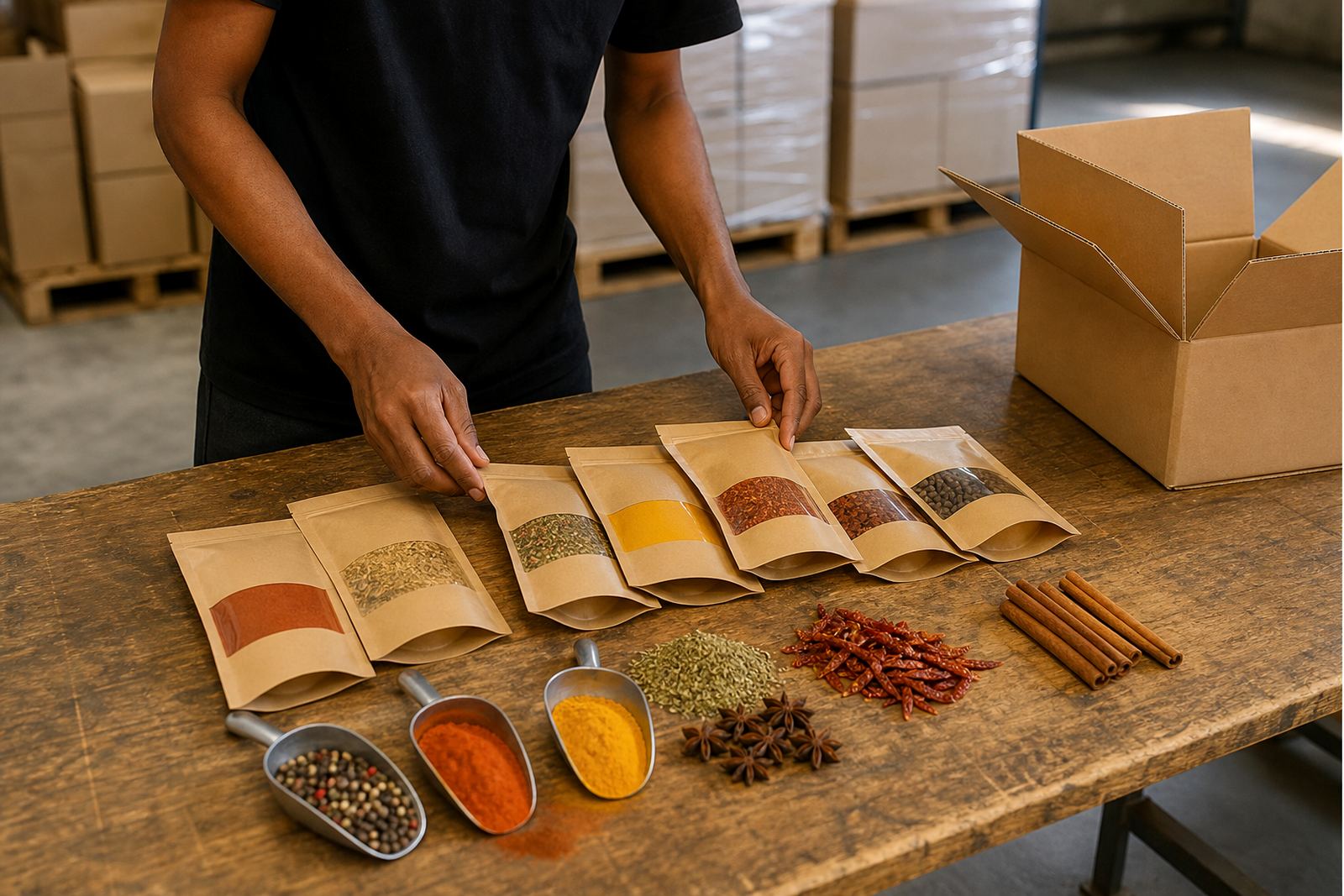
These examples also show how packaging moves after production. A local brand may order from Pinetown and need delivery into Durban, Johannesburg, Pretoria, Cape Town or Bloemfontein. Some orders go out quickly for a launch, while others are scheduled for repeat production and planned dispatch. Both can be managed when the order details are clear from the start.
- Pinetown and Durban for local turnaround
- Johannesburg and Pretoria for inland distribution
- Cape Town and Bloemfontein for wider national coverage
- Pietermaritzburg and Ballito for nearby regional delivery
If your business needs a practical packaging partner in KwaZulu-Natal, these stories will help you see how different formats fit different product needs. The examples are there to give you a clear starting point, not to force you into one option.