
When a short run makes sense
Shorter packaging runs are useful when you are not ready to commit to large volumes. Many local brands use them for first releases, seasonal products, trial sizes and limited product lines. They also suit businesses that need to move quickly after a recipe change, a new barcode, or a revised pack size.
In practice, a small run helps you gather real sales feedback before you scale up. If the product is selling in Pinetown, Durban or further afield in Johannesburg, you can review demand before placing a bigger repeat order. That keeps stock under control and reduces the risk of holding boxes of old artwork or expired labels.
- New product launch with uncertain demand
- Niche flavour, scent or format
- Seasonal or promotional packs
- Trial packaging before a wider rollout
- Fast update after a regulatory or artwork change
Choose the right format for the product
Not every product suits the same pack style. Pouches work well where the product needs a neat retail shelf presence and a reseal option. Sachets are often chosen for single serves, samples and on-the-go use. Wraps are suitable for items that need close contact packaging around a product shape or a bundle.
The format should match the way the product is sold, stored and opened. In humid areas along the coast, packaging choice matters even more because moisture can affect contents and handling. If the pack is going into inland distribution to Pretoria or Bloemfontein, heat during transport should also be considered.
- Pouches for retail presentation and portion control
- Sachets for samples, condiments or single-use packs
- Wraps for bars, bars-in-bulk, or shaped items
- Consider seal strength, filling method and shelf handling
We also look at whether the pack will be hand-filled or filled on a machine, since that affects the format and finish you should choose.
Plan artwork before you commit to print
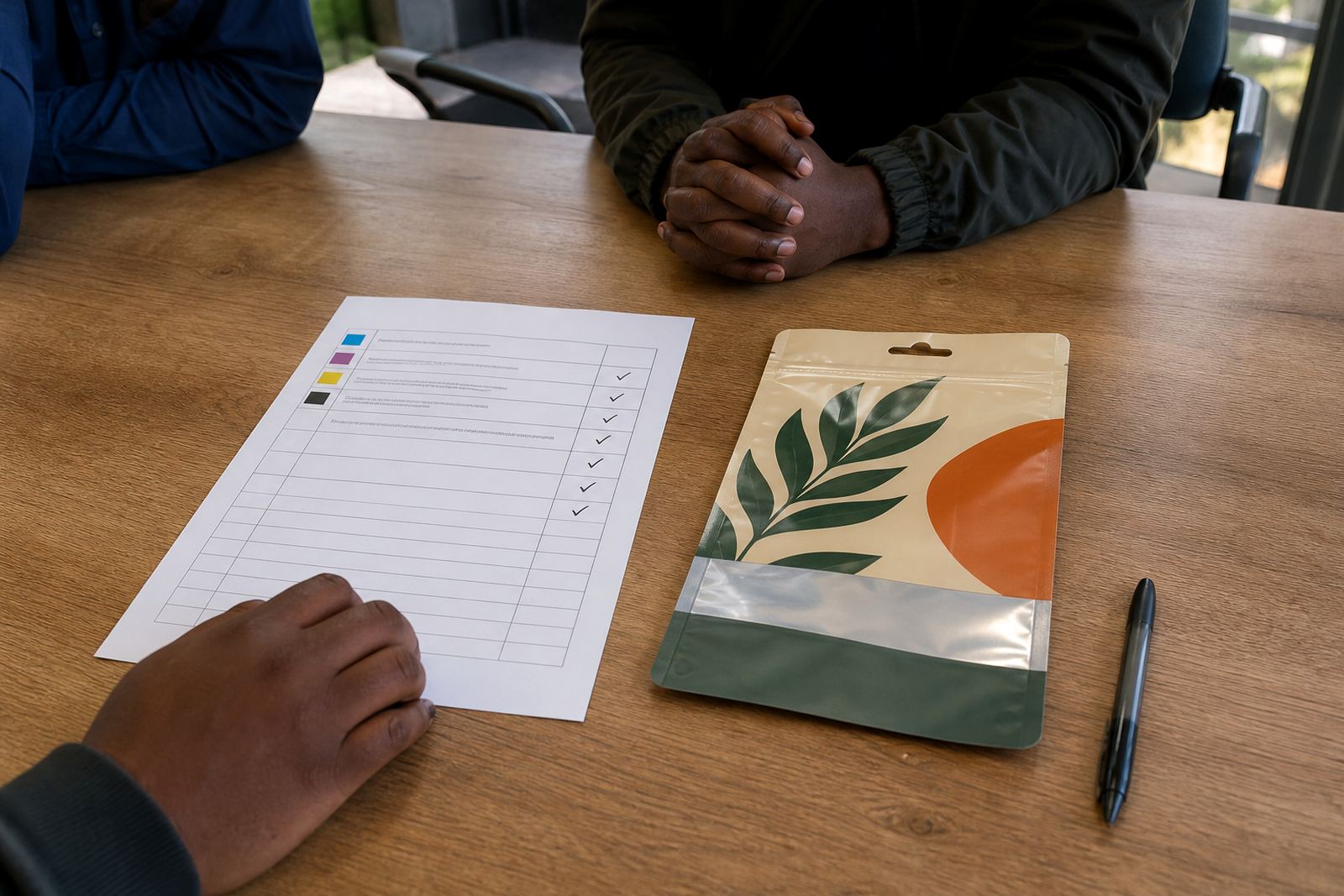
Artwork preparation is one of the biggest points to get right on a short run. With fewer units, a small artwork error can be expensive because there is less stock to spread the cost across. Check that all wording, sizes, ingredient details, barcodes and contact information are final before print approval.
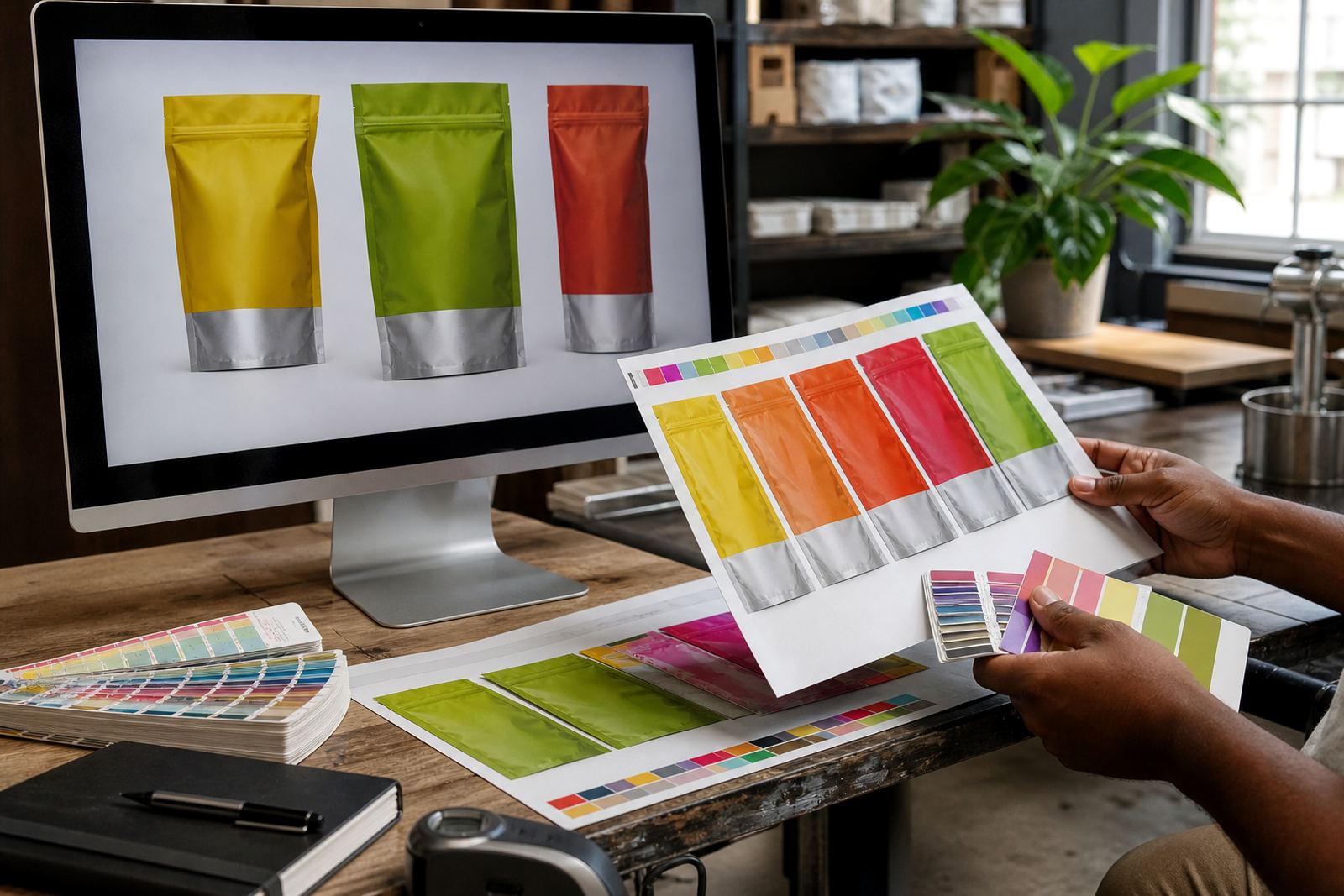
Colour also needs attention. Flexo printing can hold a clean result, but colour matching should be confirmed against your approved reference. A small run is the right time to check how the inks sit on the chosen material, especially when the pack has a dark background or fine type.
- Confirm all pack text before proofing
- Check dimensions against the actual pouch, sachet or wrap size
- Allow space for seals, folds and cut lines
- Keep artwork files clean and properly named
- Approve a print proof before production starts
If the artwork is rushed, small runs can become more costly than expected because rework on a short order affects the whole batch.
Material choice affects cost and performance
For shorter runs, material selection is not just about appearance. It affects print behaviour, sealing, shelf life, and how the pack performs during transport. Some materials are better for a dry inland route, while others cope better with coastal humidity and cooler storage. Your supplier should talk through the options before production begins.
Thicker materials may give a better feel in hand, but they can also increase cost. Lighter structures may keep the order more affordable, though they need to be suitable for the contents. If the product is fragile, oily or moisture-sensitive, the material choice should reflect that from the start.
- Match material to product weight and filling method
- Ask how the pack will seal and open
- Check if the material suits storage in warm or humid conditions
- Balance appearance with practical handling
A short run is often the best moment to test a material before committing to a larger repeat production.
Keep quantities realistic and useful
The main mistake on a small run is choosing a number that is too low to support actual sales. A launch pack may move faster than expected once it reaches retail shelves in Durban, Cape Town or Johannesburg, and then the business is left waiting on the next production slot. On the other hand, ordering too many units defeats the purpose of a short run.
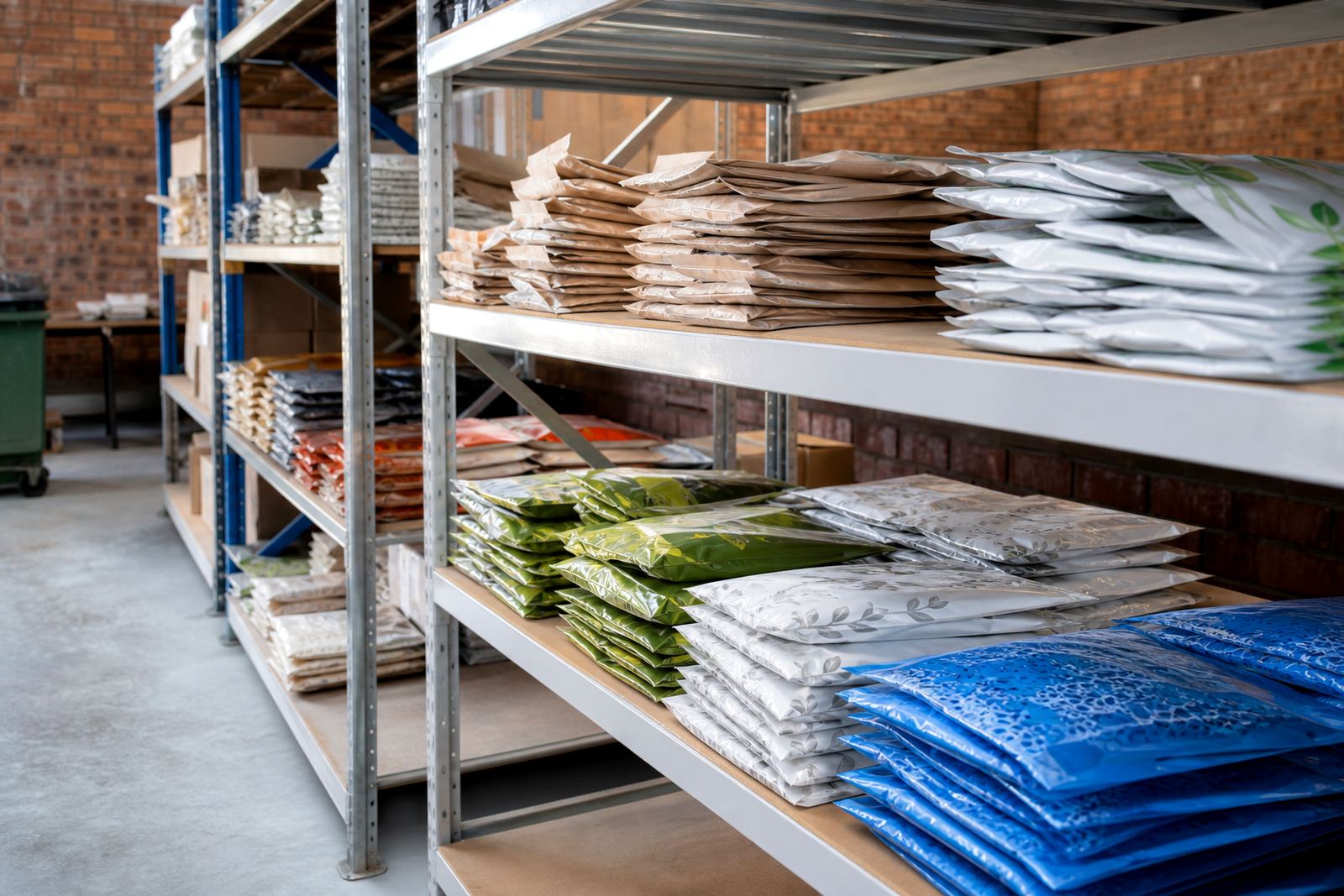
Work back from your expected sell-through period. Count how many packs you need for launch, trade samples, local deliveries and a buffer for reprints. If the product is going into multiple towns at once, include extra stock for damaged cartons, spoilage and promotional use. It is worth planning for repeat production from the start, so the artwork and specifications can be stored correctly for the next order.
- Estimate launch stock separately from sample stock
- Include a buffer for damages or dispatch errors
- Plan for repeat production once demand is proven
- Keep pack sizes consistent if you expect to scale later
How to move from quotation to dispatch
Once the format and artwork are settled, the rest of the process should be straightforward. Clear communication saves time at each step, especially when a small order has a tight deadline. For local brands, the best results usually come from keeping one contact point responsible for sign-off, pricing and delivery details.
Before production starts, confirm the final quantity, material, size, print colours and delivery destination. Then allow time for proofing, printing, converting and dispatch coordination. If the order needs to go to Pietermaritzburg, Ballito or another branch area, it helps to confirm access and receiving hours early so the delivery lands without delay.
- Send final artwork and pack measurements together
- Approve the proof without delay
- Check delivery address and receiving times
- Keep one person responsible for final sign-off
Short run orders work best when the process is tidy from the start. That way the product can move from concept to packed stock without unnecessary stoppages, and the next repeat order is easier to manage.