
Start With the Product, Not the Film
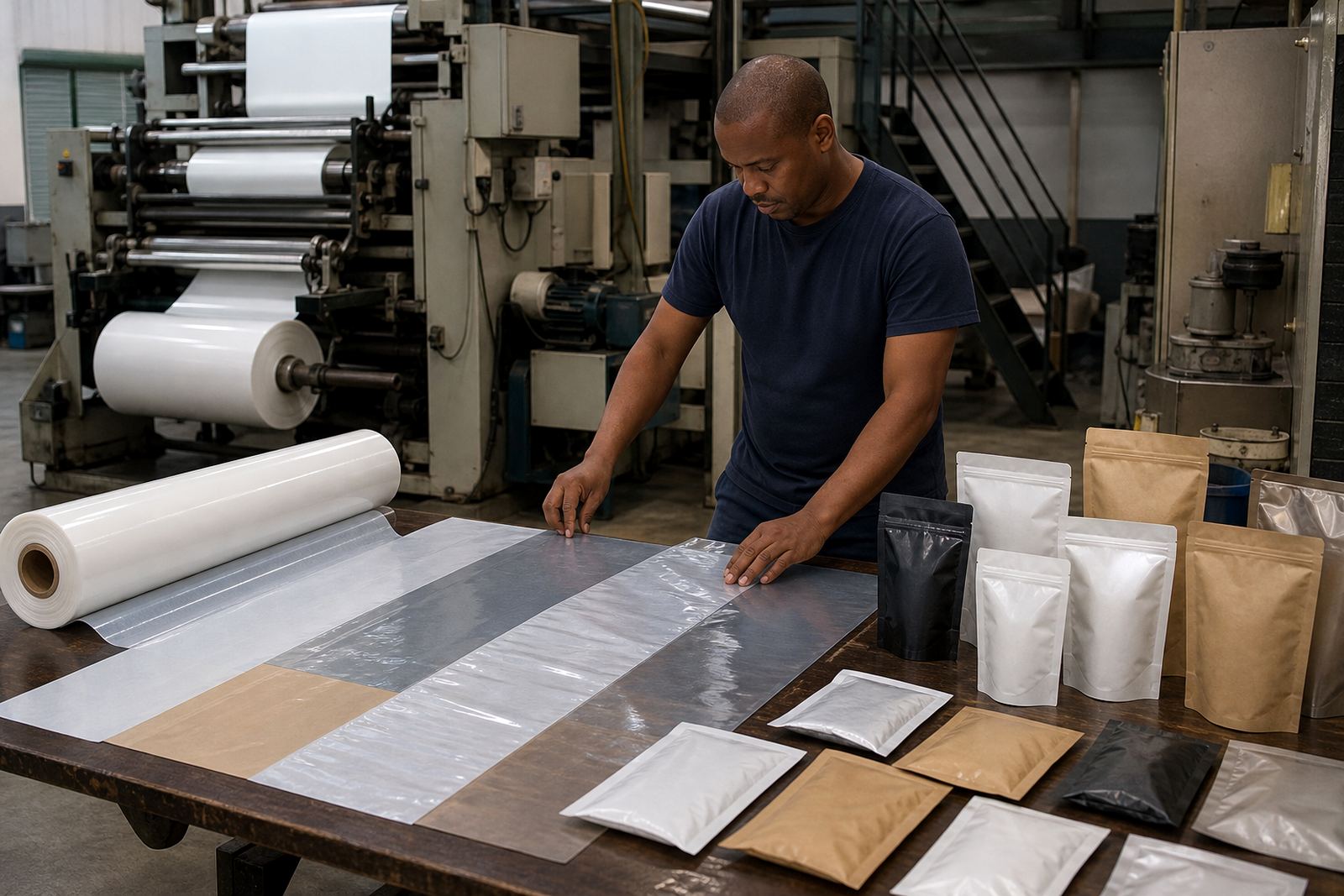
Before you choose a wrap style, define what the pack must do. A single bar, a multipack of sachets, a bundle of wipes or a small retail set all need different levels of stiffness, clarity and seal performance. The film should suit the product shape, the fill process and how the pack will be handled after packing.
For local brands in Durban, Johannesburg or Cape Town, the right choice also depends on storage conditions. Coastal humidity, hot loading bays and long courier routes can change how a wrap behaves. A film that looks fine in the print room may not hold up well once it is packed, stacked and moved through distribution.
- Is the product sharp, soft, oily, dusty or moisture sensitive?
- Will the pack sit on shelves, in cartons or in shrink wrapped bundles?
- Does the unit need a strong seal, easy opening or clear visibility?
- Will the pack be handled manually or on faster packing lines?
Match the Wrap Style to the Pack Format
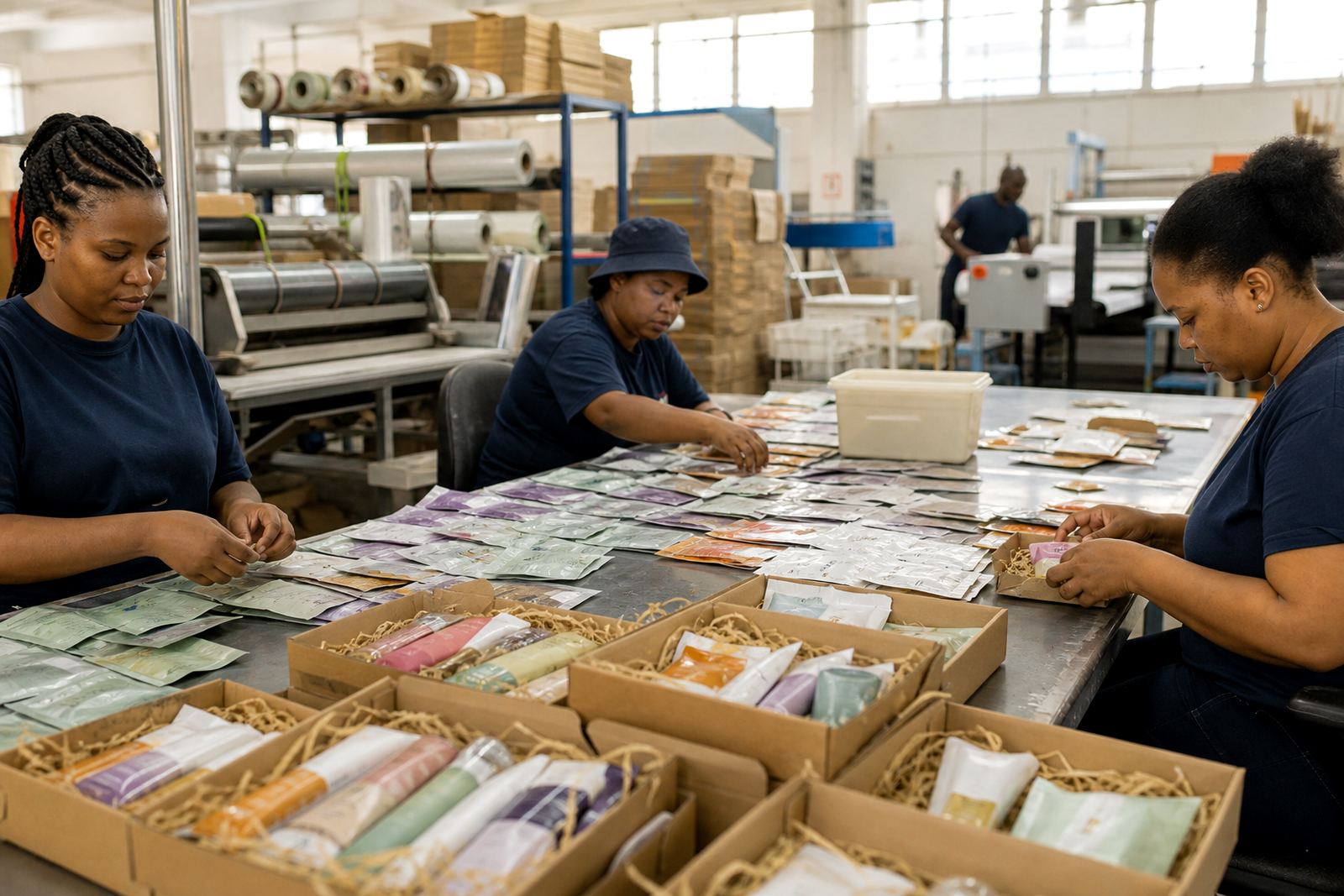
Wraps are used for more than just appearance. They help hold a product together, show printed information and protect against dirt and handling damage. A lighter film may suit individual items, while a thicker or more structured film can be better for grouped units that need a neat finish.
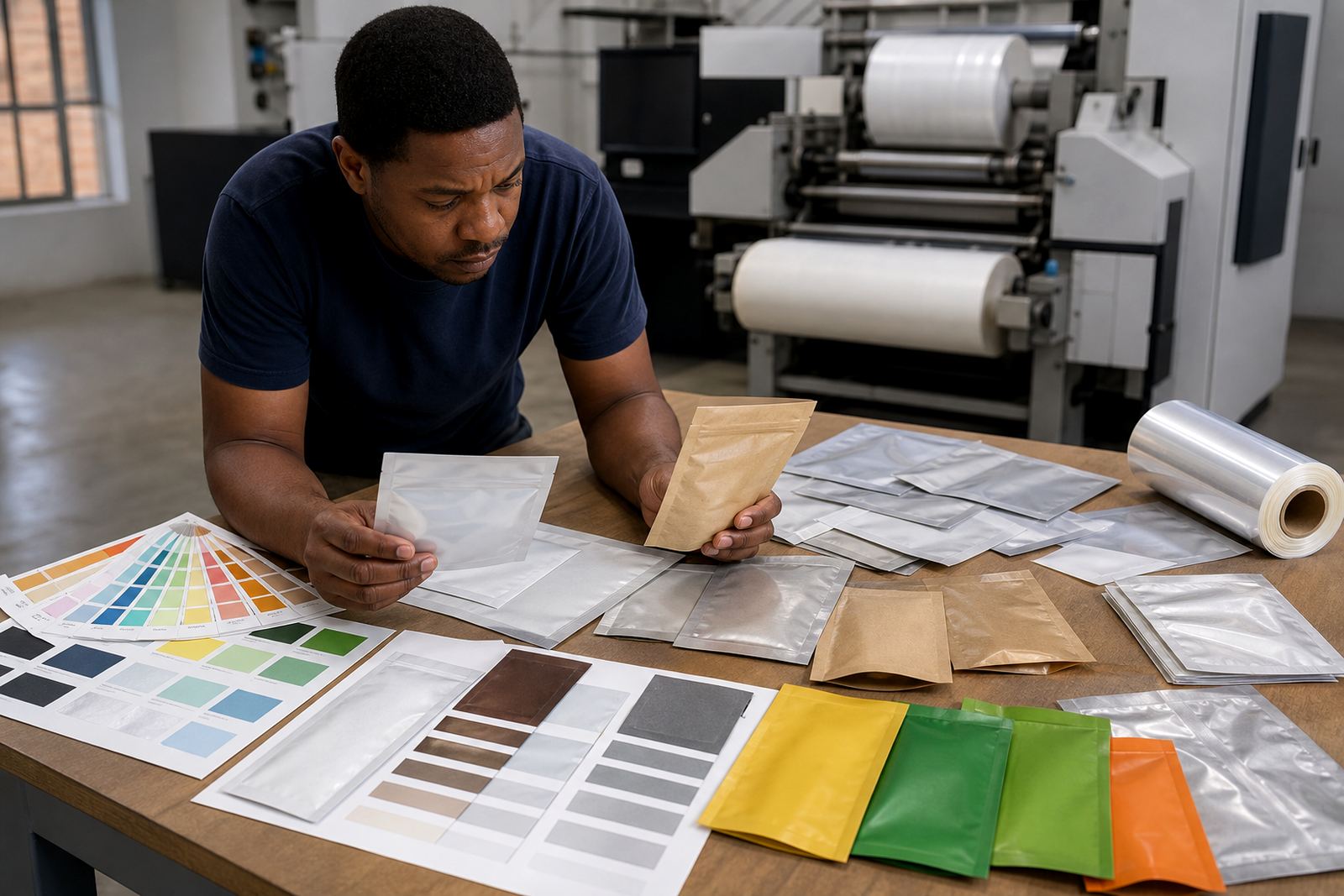
When selecting a wrap style, think about the final presentation and the way the item sits on shelf. If the pack needs to show the product clearly, transparency may matter most. If the packaging carries a full brand message, a printed wrap with strong colour control may be better. In many cases the best choice is a balance between visibility and print area.
- Clear or lightly tinted films suit display driven packs.
- Printed films suit branded retail packs and grouped units.
- Higher slip films help with machine feeding and faster packing.
- Matt or gloss finish can change how artwork reads under store lighting.
Check Seal Needs and Line Speed
Good wrap selection is not only about how the pack looks. It must seal cleanly and run well on your equipment. If the film seals too slowly, wrinkles too easily or slips in the wrong place, production slows down and waste goes up. That matters whether you are running short orders in Pinetown or repeat production for national distribution.
Heat, dwell time and seal strength all need to match the product and the packing method. A film that works on a slower line may not perform the same way when the output increases. Ask how the wrap behaves on sealing jaws, how it responds to temperature shifts and whether the finished pack stays closed during transport.
- Confirm seal range before placing a full order.
- Ask for proofing on the actual artwork and pack size.
- Check for curling, blocking or poor edge alignment.
- Test packs after 24 hours, not just straight off the line.
Make Artwork Work on a Narrow Surface
Wraps often carry more information than people expect. Ingredients, barcodes, batch space, usage notes and brand marks all need to fit on a narrow surface. Good artwork prep makes the printed result easier to read and keeps the pack tidy. Small details matter, especially on sachets and tight wraps where text can crowd the edges.
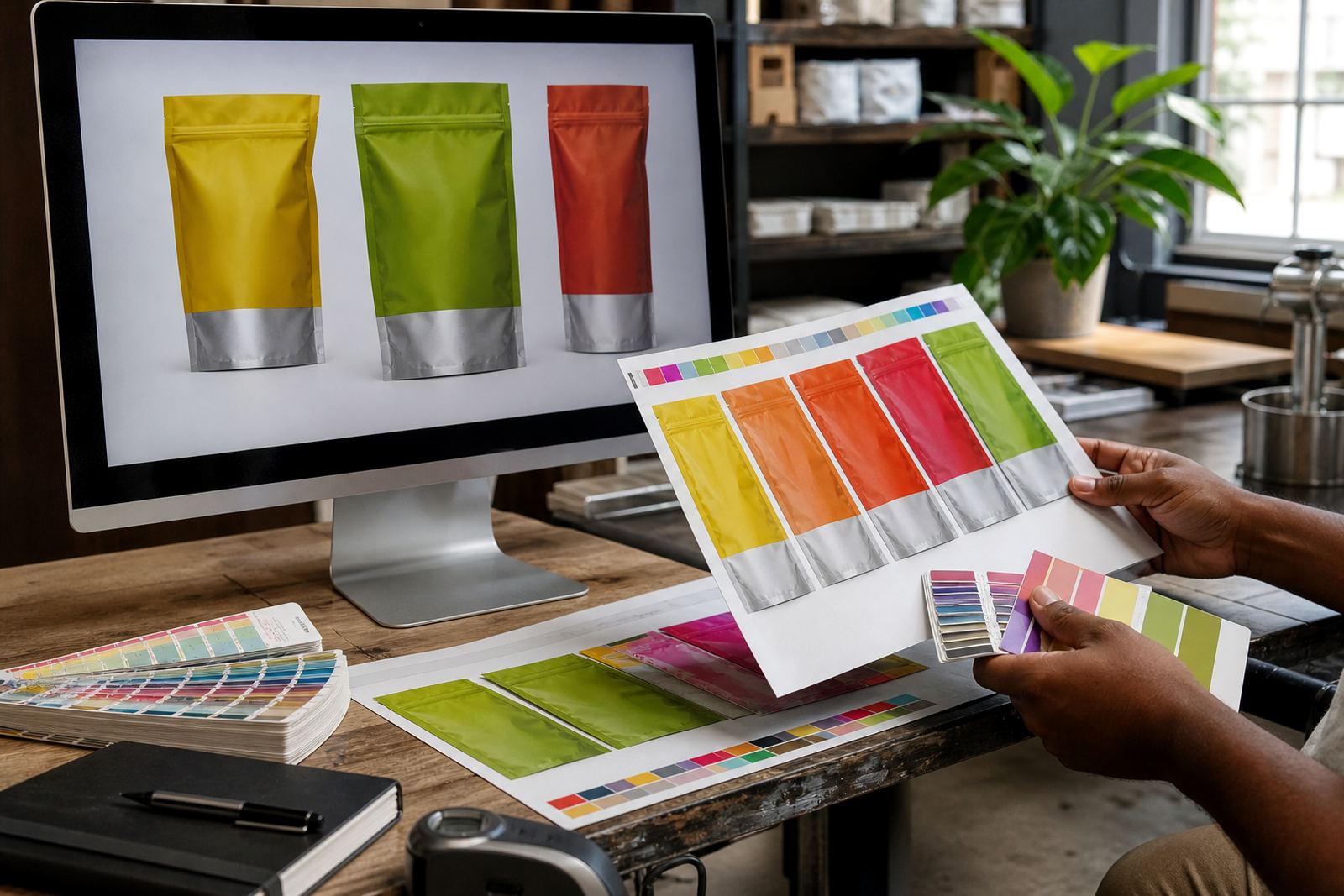
Keep key information away from fold lines and heat seals. Leave room for cut tolerances and registration movement. If the design has fine lines or very small type, check whether it will still print clearly at production speed. Colour matching is also important because a strong colour on screen may print differently on film if the file is not prepared properly.
- Use clear type that still reads after sealing and cutting.
- Allow safe margins around logos, text and barcodes.
- Keep dark solids and small reverse text under control.
- Match artwork layout to the actual pack dimensions.
Choose Materials That Suit South African Conditions
Packaging in South Africa has to cope with heat, humidity, storage changes and transport over long distances. A wrap that works for a small run in Pietermaritzburg may need a different material choice if it is going to Cape Town, Pretoria or Bloemfontein. Materials should be selected for the product and the route, not only for the first sample.
Think about how the pack will behave in summer heat, near the coast or in a warehouse with variable air flow. If the pack will travel in a hot truck or sit under store lights, the wrap needs to remain stable. Material selection should also take production practicality into account, including waste levels, machine set-up and repeat order consistency.
- Ask how the film handles humidity and warm storage.
- Check whether the finish suits retail lighting and shelf display.
- Consider the effect of transport vibration and carton stacking.
- Use the same material specification for repeat orders where possible.
Use Short Runs to Test Before Full Production
Short run orders are useful when you are trialling a new product or adjusting a pack for a new market. They let you check print clarity, sealing behaviour and pack appeal before committing to larger volumes. This is helpful for seasonal items, promotional packs and products moving into new regions.
A good trial run can save time later. It gives your team a chance to check the artwork, confirm the film choice and test how the wrapped product looks in cartons and on shelf. Repeat production then becomes easier because the practical issues have already been sorted out.
- Use short runs for new sizes or revised artwork.
- Check packs in real lighting, not only under print room lights.
- Review handling by packing staff and dispatch teams.
- Keep notes on seal settings, print position and waste levels.
A Simple Wrap Selection Checklist
When you need to choose a wrap quickly, keep the decision practical. Start with the product, then the line, then the route to market. That order makes it easier to choose a film style that performs well and keeps the pack looking right from production through to delivery.
For local brands working from Pinetown and supplying Durban, Johannesburg, Pretoria, Cape Town or Bloemfontein, the main aim is consistency. A wrap should be easy to run, clear to read and suited to the product in the pack. If those boxes are ticked, the final result is usually more dependable.
- What is being wrapped, and how delicate is it?
- Does the pack need display clarity or full print coverage?
- Will the film run on your current sealing and packing setup?
- Is the order a short run, repeat order or a new launch?
- Will the product face heat, humidity or long transport?