
Start With the Right Dispatch Details
Useful dispatch details to confirm:
- Delivery address and local area
- Receiving contact name and number
- Required delivery date or week
- Site access notes and unloading rules
- Whether the order is going to one site or several
Prepare Packaging for Storage Before It Arrives
Flexible packaging needs clean, dry storage once it reaches your site. Pouches, sachets and wraps should be kept off the floor, away from direct sunlight and clear of damp walls or leaking pipes. In Durban and other coastal towns, humidity can affect stored packaging if the area is not well managed. In inland centres such as Johannesburg and Pretoria, dust and heat are often the main concerns, so sealed storage and tidy stacking matter.
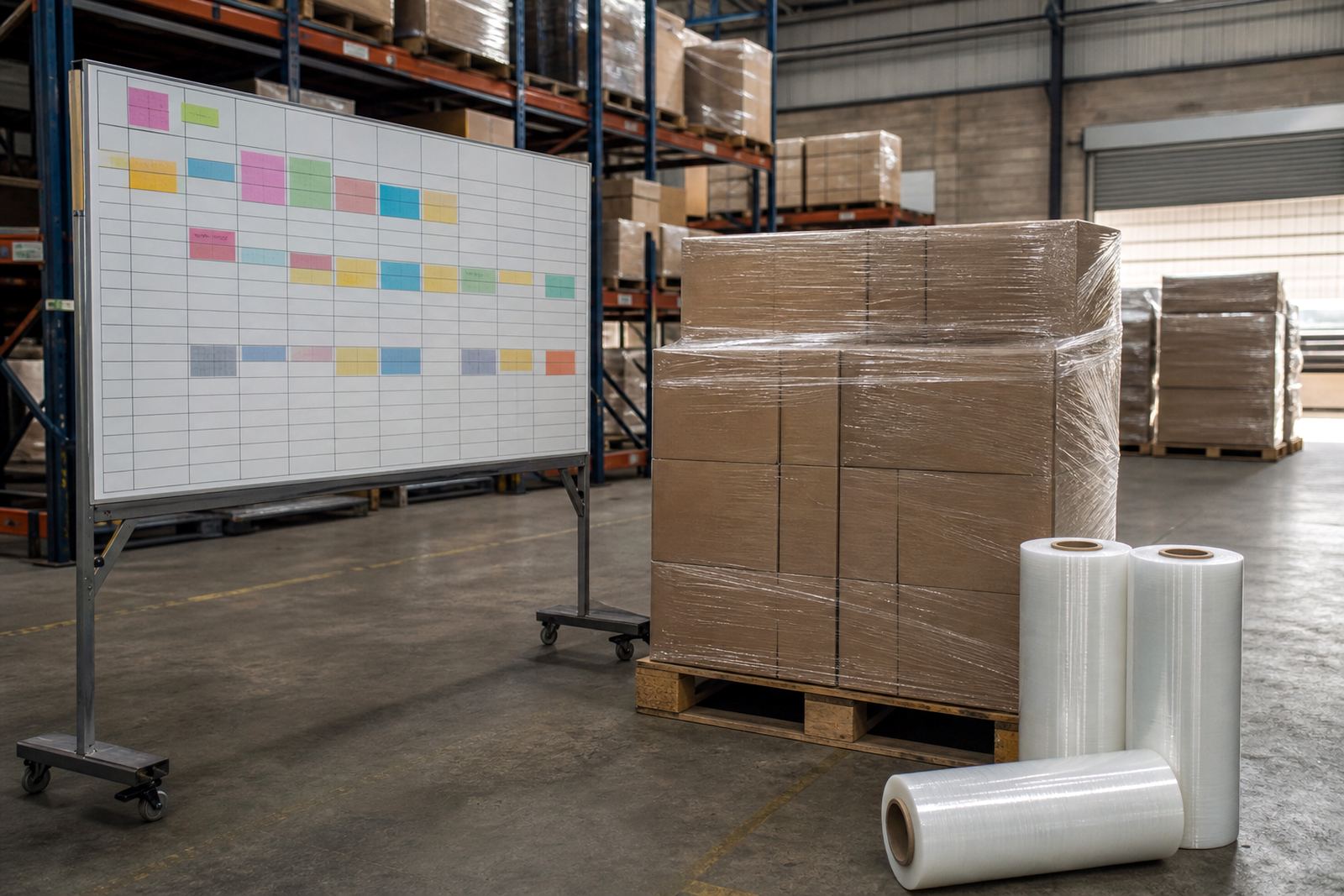
Keep each order identified by product, size and date received. If you are holding stock for repeat production, use first in, first out rotation so older material is used before newer stock. This is especially useful when you are planning staggered releases to branches or seasonal promotions. A neat receiving area also makes it easier to spot damaged cartons, missing cartons or signs of moisture before the stock is put away.
- Store cartons on pallets, not directly on the floor
- Keep away from heat, water and strong odours
- Leave space for inspection and counting
- Label each pallet or carton clearly
- Check for damage as soon as stock arrives
Plan for South African Route Conditions
Delivery timing in South Africa is rarely just about distance. Load-shedding can affect warehouse operations, gate access and receiving times, while traffic congestion can delay collections and final drop-offs. That is why dispatch planning should include a realistic buffer for loading, route changes and offloading. If stock is going to multiple locations, we may split deliveries so that urgent branches receive stock first and remaining loads follow once receiving teams are ready.
For orders going to Durban, Ballito or Pietermaritzburg, we often factor in peak-hour traffic and weather-related delays. For Johannesburg and Pretoria, access control, industrial park rules and heavy traffic can add time. Cape Town routes may require tighter planning around central delivery windows. We also recommend checking if the receiving site needs a signed delivery note, forklift access or manual unloading support, because that can affect how the vehicle is loaded at origin.
- Build in extra time for traffic and site delays
- Confirm whether the receiver needs documents in advance
- Check if loading equipment is available on site
- Allow for weather, roadworks and security checks
- Keep one contact person available on dispatch day
Match the Order to the Right Production Run
- Approve artwork and proofing before dispatch is booked
- Confirm pack sizes and quantities per branch
- Separate urgent orders from routine replenishment
- Group similar items together for easier receiving
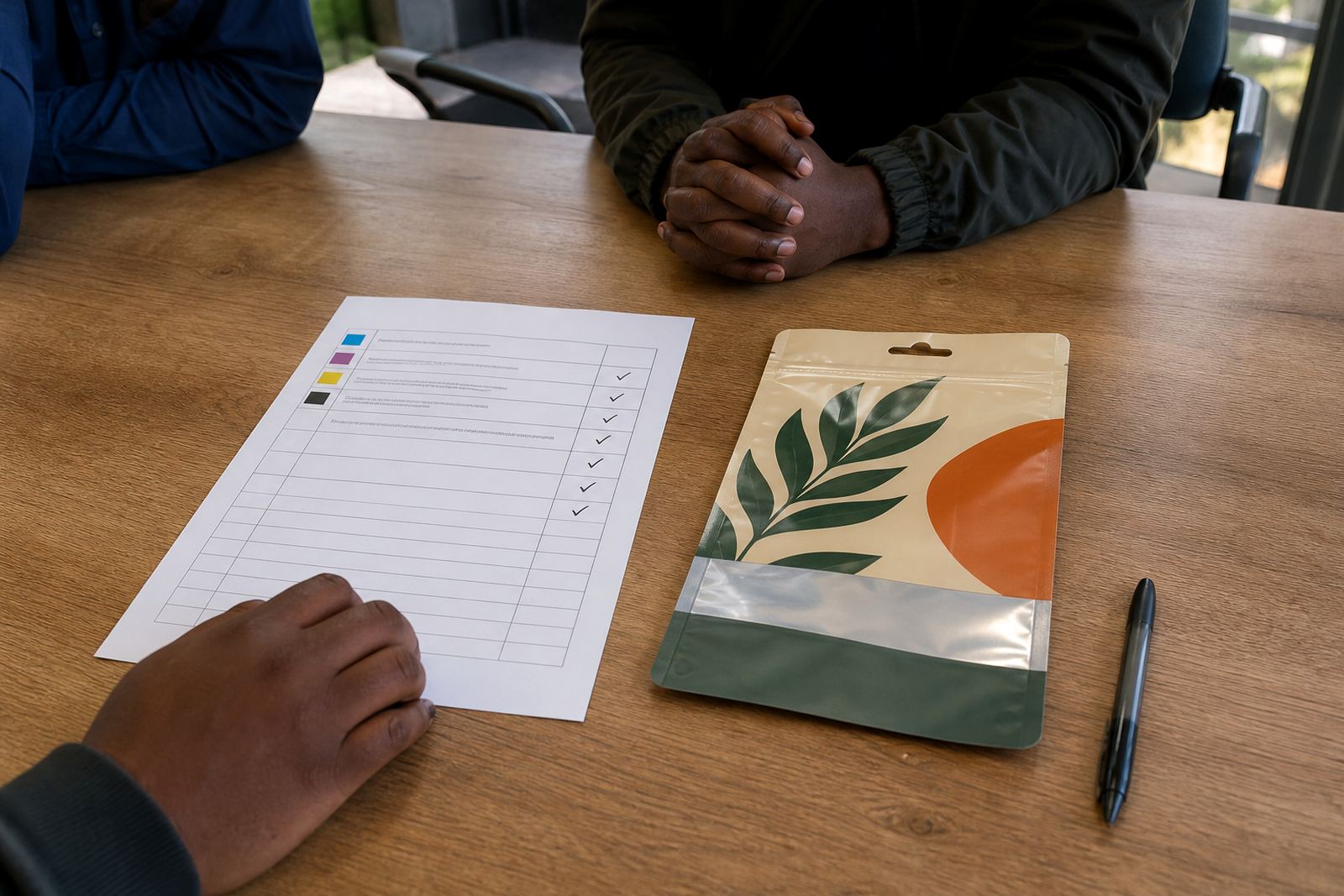
Use a Clear Receiving Checklist on Site
Once the delivery arrives, the receiving team should know exactly what to look for. Count the cartons, check the labels, inspect for visible damage and confirm that the order matches the delivery note. If there are any issues, they should be recorded immediately while the driver is still on site. That makes it easier to sort out missing items, damaged outer cartons or questions about quantities.
We suggest appointing one person to receive packaging stock and sign off the delivery. This reduces confusion when a busy warehouse has more than one person handling incoming goods. It also helps if the site keeps a small record of what arrived, when it arrived and where it was stored. For businesses with several branches, a simple internal checklist saves time and keeps stock movement under control.
- Check carton count against the delivery note
- Inspect for crushing, tears or moisture
- Sign only after the goods have been checked
- Log the storage location and date received
- Report any issue right away
Keep Reorders Simple and Predictable
If you are planning flexible packaging dispatch in South Africa, keep your receiving notes updated and your storage area ready. Clear instructions, proper handling and timely communication make every delivery easier to manage.