
Start With the Portion You Need to Give Away or Sell
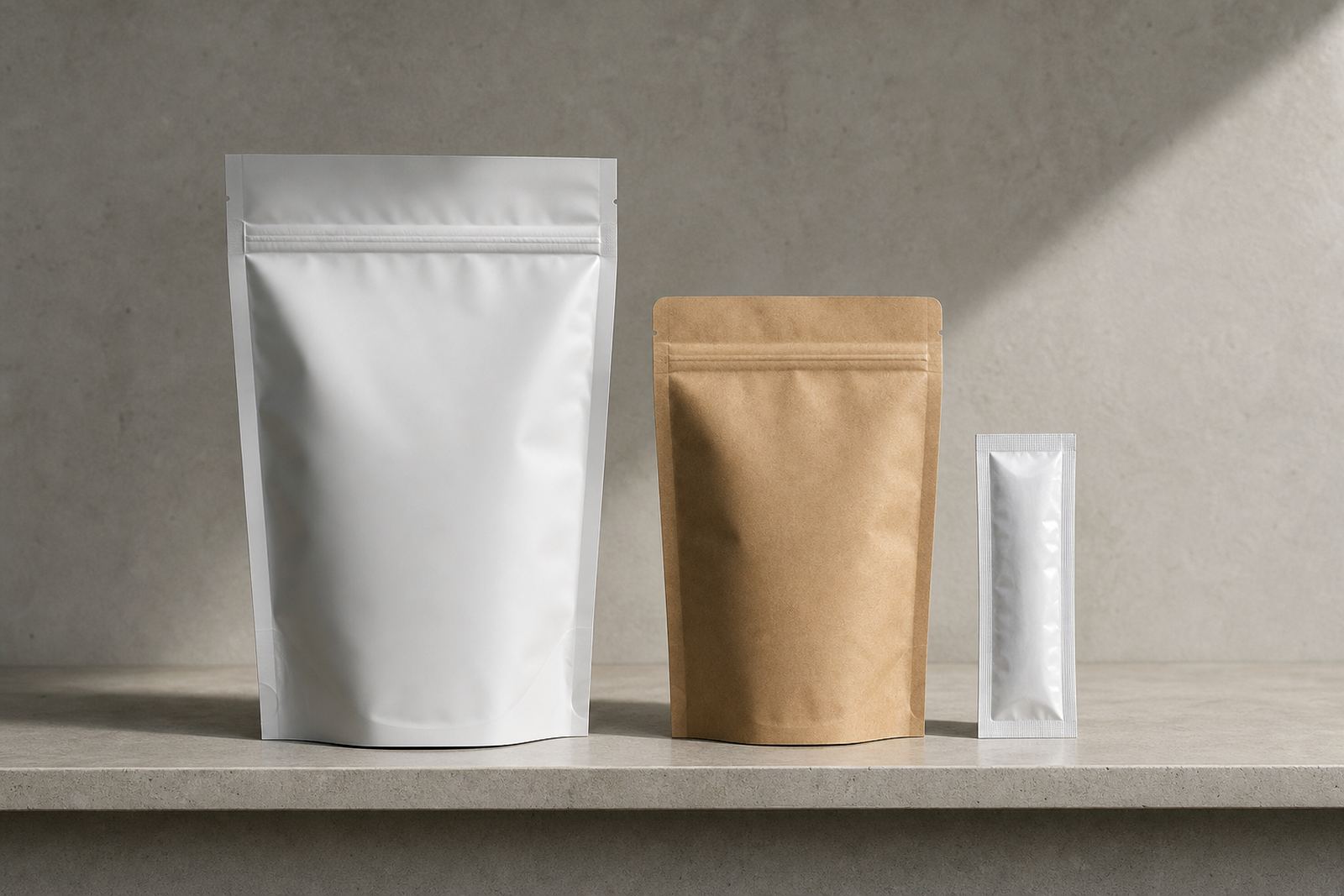
The first question is simple: what must each sachet hold? Sachets are usually chosen for single-use or controlled portions, so the fill weight or fill volume should come before any other decision. A 5 ml sauce sachet, a 10 g powder sachet and a larger sample pack all need different material use, seal space and filling behaviour.
When you define the portion, think about how your customer will open it and use it. A narrow sachet works well for small liquid or paste portions, while a wider format can suit powders and granules that need more room to settle. If the product is oily, sticky or uneven in texture, allow for extra headroom so the seal area stays clean.
- List the exact fill weight or volume.
- Check whether the contents are liquid, paste, powder or granular.
- Decide if the pack must be torn open by hand or cut open neatly.
- Allow space for headspace and clean sealing margins.
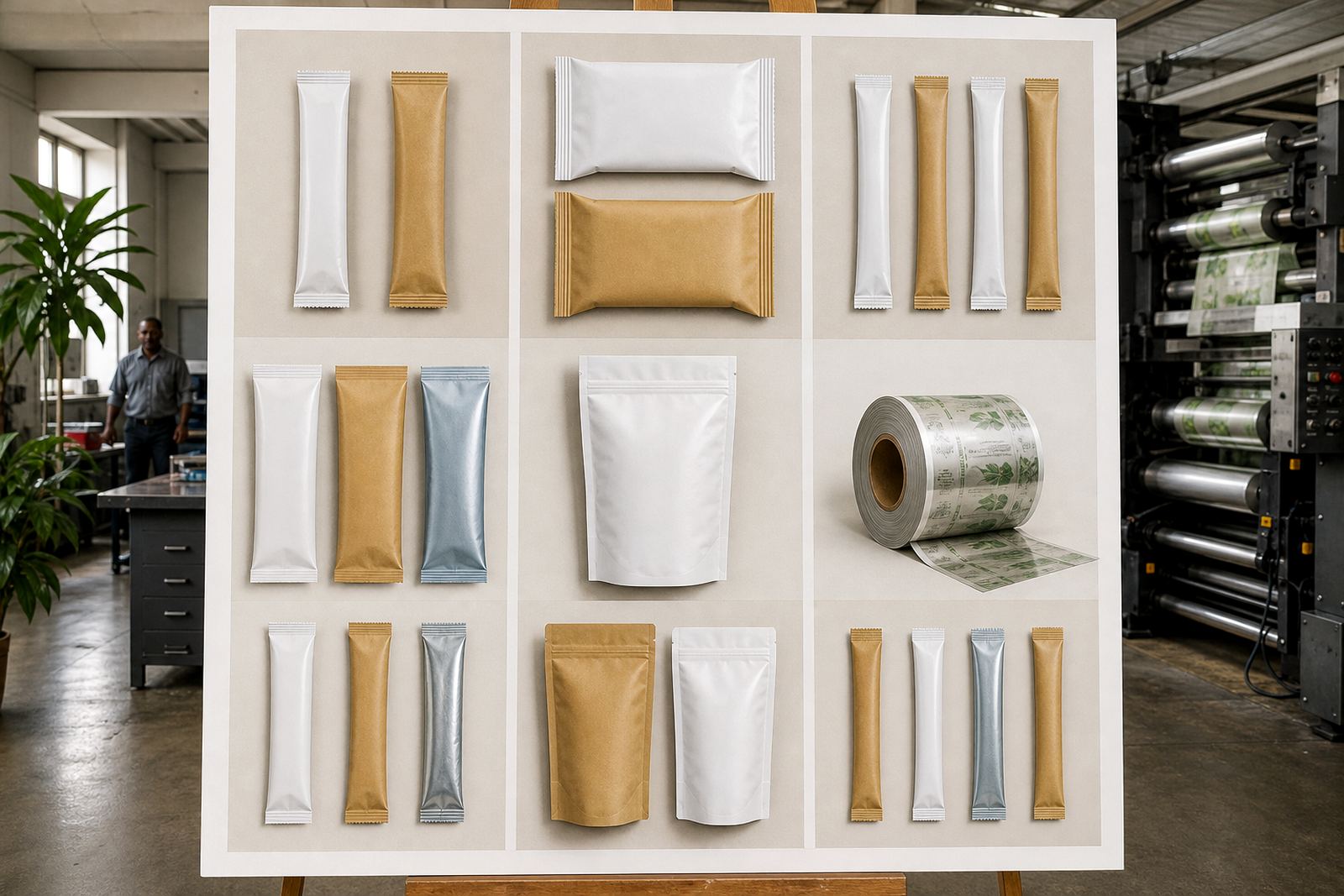
Match the Sachet Shape to How It Will Be Handled
Pack handling matters just as much as size. A sachet that is meant to sit in a retail carton faces different demands from one that will be packed into a sample box, meal kit or wholesale bundle. If the sachet is likely to be handled many times before use, the print and the seals need to cope with rubbing, stacking and transport.
Think about grip and opening. A slim sachet may be easier to portion, but if it is too narrow it can be awkward to hold when tear open points are small. Wider sachets can be simpler for consumers to tear, yet they may use more material and take up more space in transit. In hot or humid conditions, especially along the coast, material choice and seal quality become more important because packs can soften or show curl if the wrong film is used.
- Will the sachet be handled by machine, hand or both?
- Is the pack for retail shelves, sampler boxes or direct distribution?
- Does it need easy tearing, or a stronger seal for transport?
- Will stacking, boxing or loose packing change the pack shape?
Choose the Distribution Method Before Finalising the Print
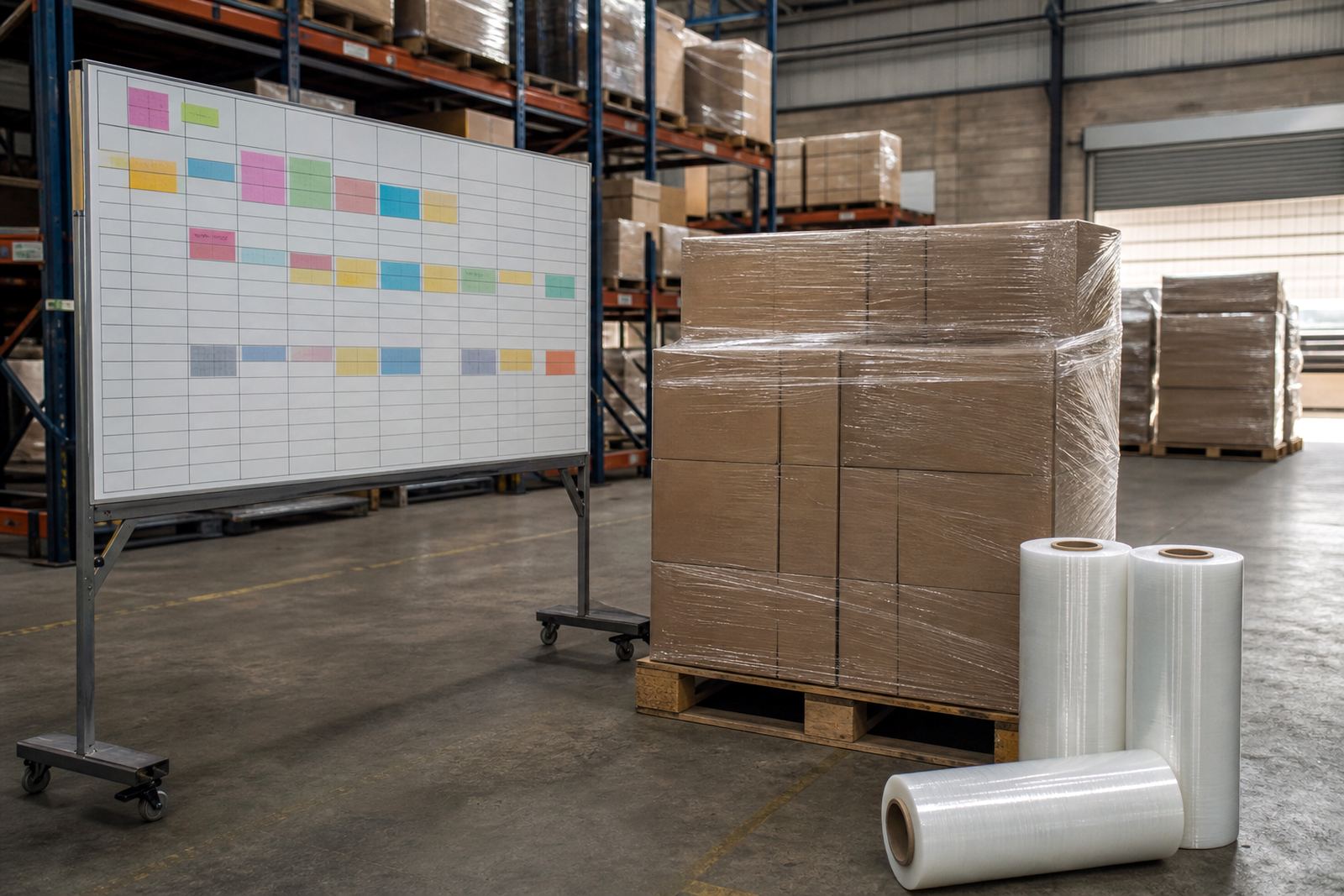
The way you plan to distribute the sachets should guide the format. A national delivery run from Pinetown to Johannesburg is not the same as local handout packs in Durban or smaller repeat orders for Bloemfontein. Courier bags, cartons, pallet loads and retail boxes all place different pressure on the pack.
If sachets are going into mixed cartons, the format needs to be compact and consistent. If they are being posted in small quantities, the pack should resist bending and puncture during the trip. For event sampling, neat packs with clear branding and easy-open features are often more useful than a very high-barrier format. For wholesale supply, repeatability matters more, because every batch must fold, seal and dispatch in the same way.
- Retail shelf display
- Courier and postal distribution
- Sample packs and promotions
- Wholesale cartons and pallet dispatch
Check the Material, Barrier and Seal Requirements
Sachet format is only part of the decision. The material structure, barrier level and seal area must suit the product and the route it will travel. If the contents are sensitive to moisture, odour or light, the film choice becomes more important. If the sachet is for a dry product, the pack may not need the same level of protection, which can help keep costs under control.
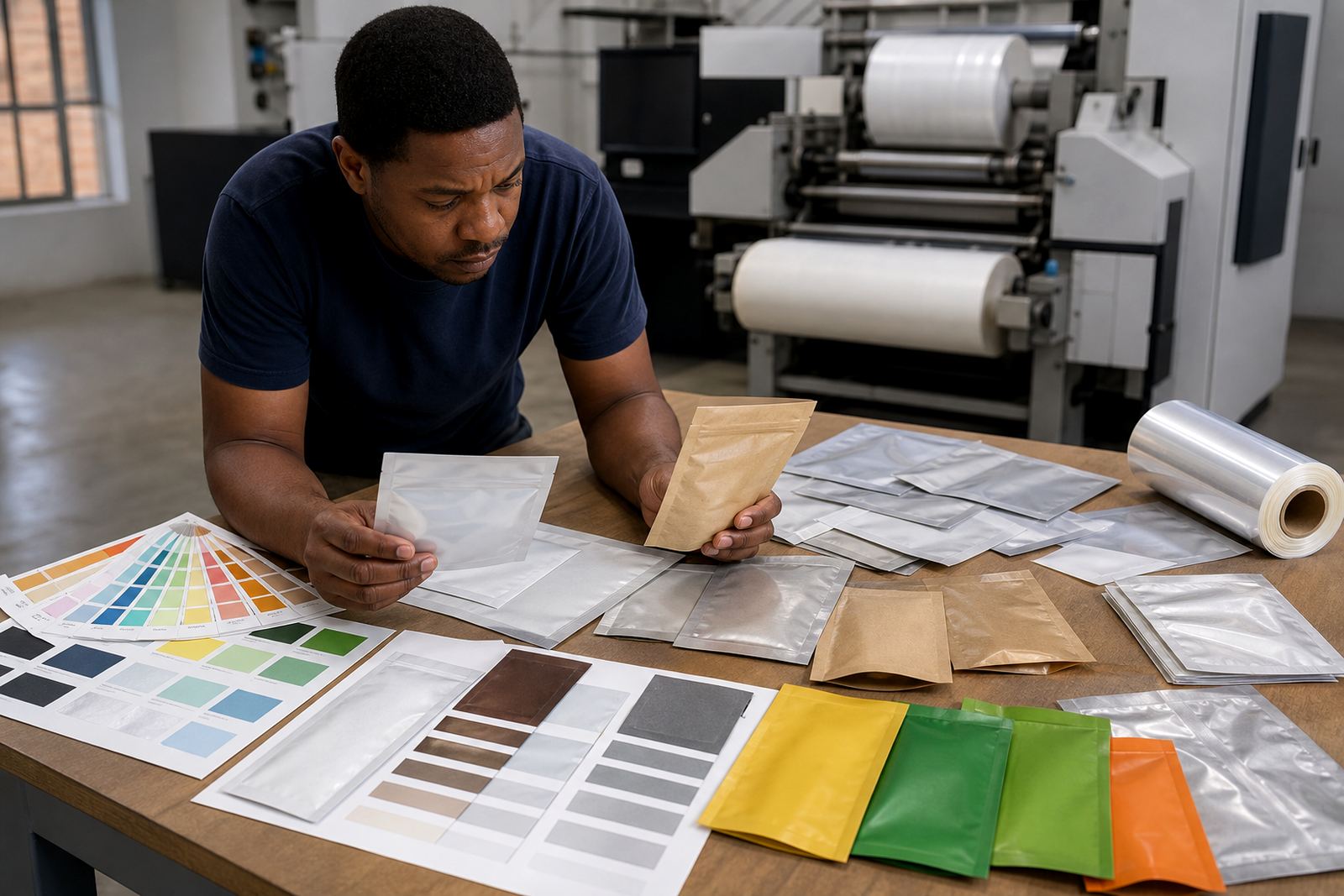
Seal integrity should also be checked against your filling method. Fine powders can get into the seal line and cause leakage if the pack is not prepared properly. Liquids need consistent seals all the way across the pouch. We always recommend proofing the artwork against the chosen format so text, barcodes and panel spacing sit correctly and nothing falls too close to the seal edge. A small error here can cause problems later, so it is worth getting right first time.
- Ask whether the product needs moisture, light or odour protection.
- Confirm that the seal area will stay clean during filling.
- Check that barcode and small print stay clear of the seal margin.
- Review whether the film suits hot storage, cold storage or mixed conditions.
Use Artwork and Colour to Support the Format
The sachet shape should support the artwork, not fight it. A narrow format gives less room for copy, so the layout must be tight and well planned. Wider sachets allow more room for ingredients, instructions and legal copy, but only if the panel structure is mapped properly before printing begins. Colour matching matters too, especially when a brand has to hold the same look across short runs and repeat production.
Good artwork prep helps avoid problems at press. Bleeds, safe areas and panel breaks all need to be checked before the first proof is approved. When several sachet sizes are used under one brand, it helps to keep a clear visual system so customers recognise the pack quickly, whether it is sold in Durban, delivered to Pretoria or sent out in Bloemfontein. A neat layout also makes the pack easier to read in shops with mixed lighting.
- Keep the main message visible at a glance.
- Allow room for panel breaks and seal margins.
- Use a font size that still reads clearly on small packs.
- Check colour consistency across repeat orders.
Use a Simple Pre-Order Checklist Before You Go to Print
Before placing a sachet order, run through a final checklist with your production and distribution teams. This helps reduce rework and avoids delays when stock must move quickly. If the pack is for a campaign, product launch or repeat supply, the same checks should be done every time so the format stays consistent.
Ask these questions: Is the fill size correct? Is the tear point practical? Will the sachet travel well in the chosen distribution method? Does the artwork fit the chosen panel count? Is the material suitable for the product and climate? Once those answers are clear, the order can move into proofing, production and dispatch with fewer surprises. That is often the difference between a pack that looks fine on screen and one that performs properly in real use.
- Confirm portion size and pack dimensions.
- Approve artwork against the final panel layout.
- Check material choice for product and handling.
- Plan repeat production if the format will be ordered again.
How We Help Local Brands Decide on the Right Sachet
At Flexography Printing Co in Pinetown, we work with local brands that need practical sachet advice before a print run starts. Our team handles flexo printing, sachet production, artwork prep, proofing, colour matching, material selection and dispatch coordination, so the format is checked from the first enquiry through to delivery. We also handle short run orders and repeat production for brands that need consistency across batches.
Clients in Durban, Johannesburg, Pretoria, Cape Town, Bloemfontein, Pietermaritzburg and Ballito can reach us through the enquiry form on our contact page. From there, we help assess the sachet size, handling needs and delivery method so the pack suits the product and the route it will take. One small decision at the start can save a lot of trouble later, especially when stock must move on time and in good condition.