
Brief from a Bloemfontein Seed Supplier
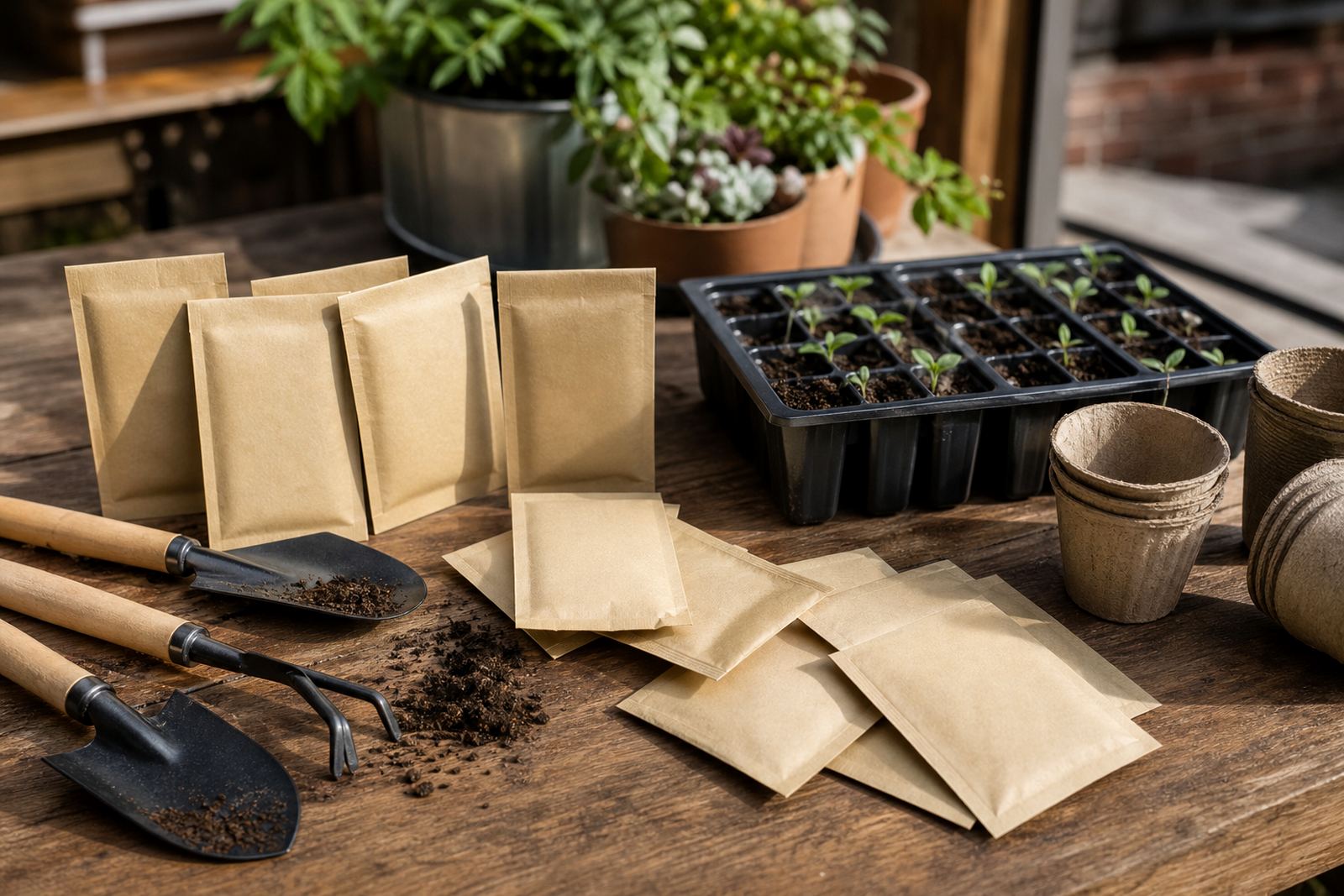
The client was a seed and garden product line based in Bloemfontein, supplying small packs for retail and reseller orders into the Free State and beyond. Their existing sachets varied in feel and print consistency, which made the range look uneven on shelf and in mixed cartons. The brief was to standardise the packs, improve the printed finish, and keep the format practical for fast packing at source.
They wanted a clean seed range that could carry product information, batch detail and basic handling instructions without crowding the artwork. The packs also had to work in ordinary warehouse conditions, where cartons can sit for a while in heat, dust and dry air before they move out. That meant the print needed to hold up well and the material had to be suitable for frequent handling, not just a neat first impression.
- Client type: seed and garden product line
- Town: Bloemfontein
- Format: small printed sachets for retail and trade supply
- Need: one consistent pack style across the range
What Had to Be Solved Before Print
The main constraint was keeping several seed varieties visually distinct while using one family of sachet sizes. That needed sensible colour separation, clear naming, and a layout that stayed readable on a small face area. We also had to allow for normal production variation, because small packs can lose clarity quickly if the artwork is too busy or the type too fine.
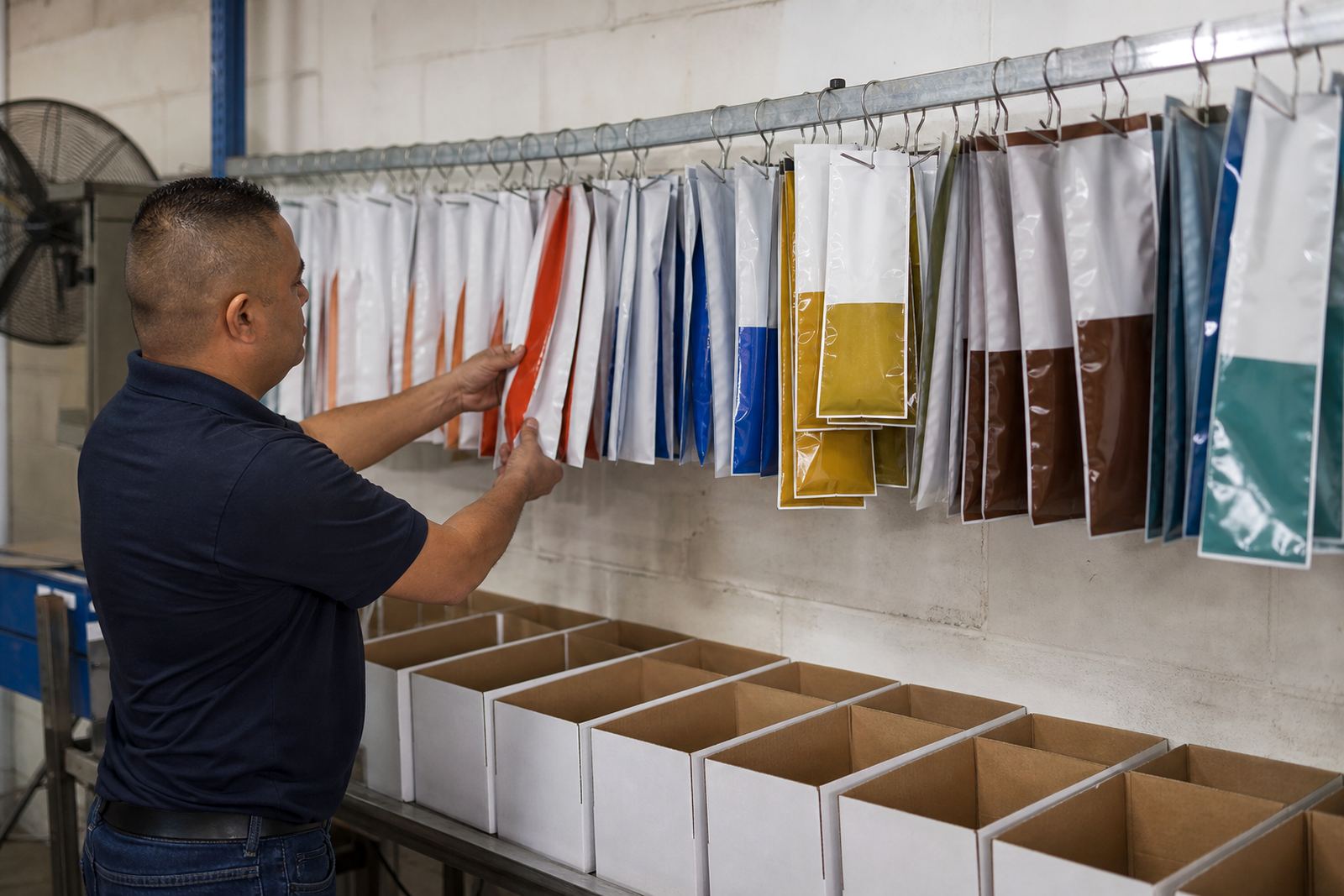
Another point was load on the filling side. The client needed packs that folded and sealed cleanly without scuffing or opening too easily in transit. Bloemfontein’s dry conditions also meant static and handling were part of the conversation, because loose packs can become awkward during counting and boxing. We adjusted the finish and structure to suit that working environment rather than treating the job as a standard print-only order.
- Small print area with room for product name and details
- Clear visual separation between seed lines
- Suitable for boxing, counting and repeat dispatch
- Practical sealing and handling in a dry inland climate
The Pack Format and Print Spec
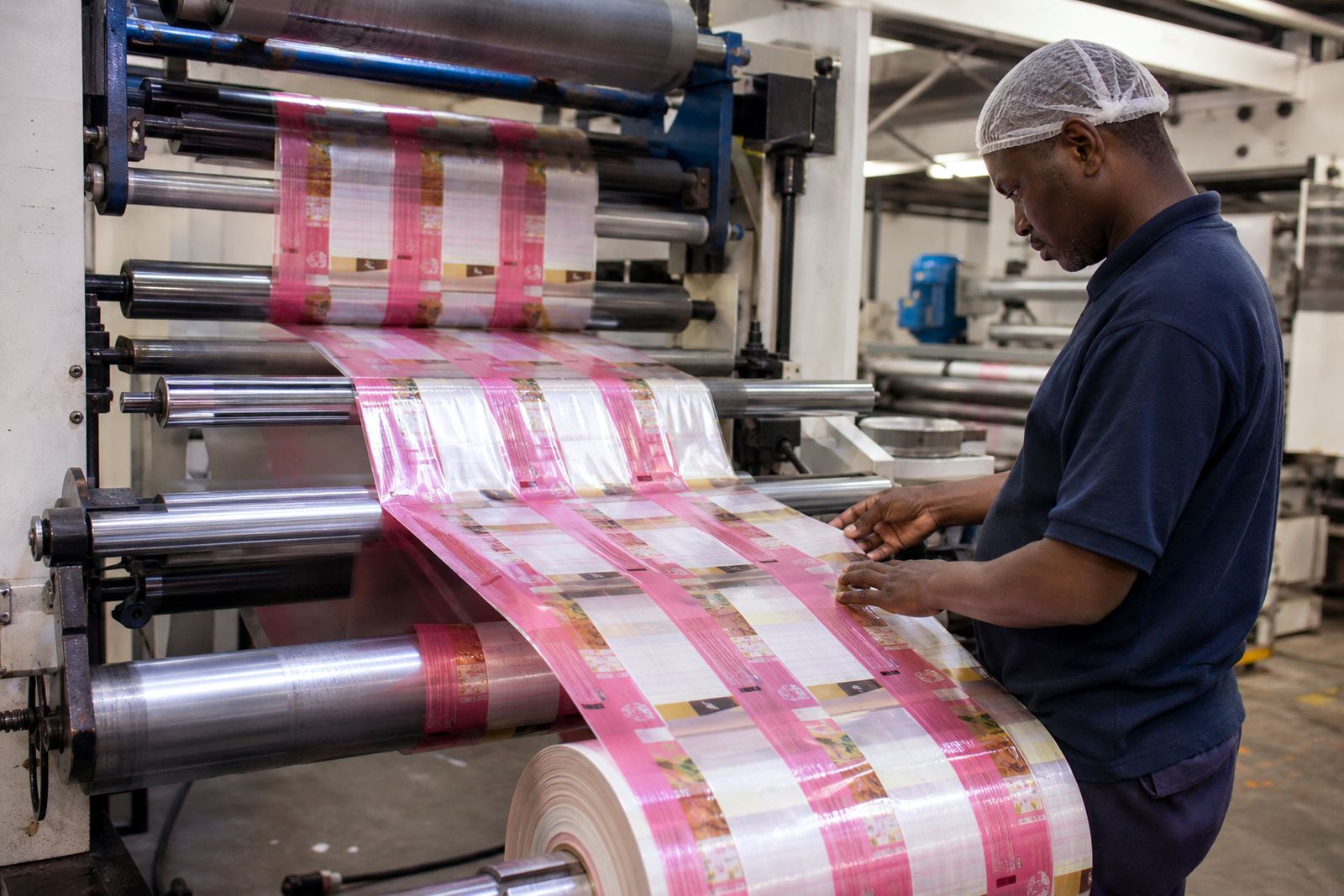
We supplied flexo printed sachets sized for small seed portions, using a layout that supported front-of-pack product naming, simple usage notes and the required trade detail. The print approach suited repeat runs, which mattered because the line was expected to reorder through the season. We also matched the range closely so the packs would sit neatly together in cartons and on display trays.
The material selection was guided by handling rather than presentation alone. The client needed a pack that would move through production, storage and delivery without looking tired by the time it reached the shop floor. The result was a sachet format that stayed tidy through counting, packing and courier movement, with a finish that supported legibility and colour control.
- Format: small sachets for seed products
- Printing method: flexo printed packaging
- Artwork: product naming, handling notes and batch space
- Use case: retail packs and trade cartons
Artwork Prep, Colour Matching and Proofing
Artwork prep was handled to tighten the layout before plates and press work began. We checked text size, spacing, barcode placement if needed, and the balance between colour and white space. With seed packs, there is little room to hide a weak layout, so the proof stage matters. We kept the visual treatment practical and avoided heavy decoration that would make the packs harder to read.
Colour matching was used to keep the range orderly across multiple seed types. Once the client approved the proof, we moved into production with the same layout standard across the run. Jason Petersen handled prepress coordination, while Thandiwe Mkhize kept the client informed on timing and adjustments. That link between artwork, proof and press saved time later on and reduced the chance of rework, which is important when stock needs to move out on schedule.
- Artwork checked for readability at sachet size
- Colour kept consistent across the range
- Proofing completed before full production
- Prepress and client service kept aligned
Timeline from First Brief to Dispatch
The full job ran over four weeks from brief through to dispatch. Week one covered the packaging brief, artwork review and format confirmation. Week two focused on proofing and colour adjustments. Week three moved into production, while week four covered finishing, carton packing and dispatch coordination. For a seasonal garden line, that timing gave the client enough room to plan stock before the next sales cycle.
Our production manager, Marius van Wyk, coordinated the run so the packs stayed consistent from the first approved sample to the last unit packed. Lerato Molefe managed dispatch so the order moved out in a clean sequence, which mattered because the client was sending stock into different sales points at once. The result was a predictable handover with no last minute scramble, and the teams on both sides could work to the same dates.
- Week 1: brief and layout confirmation
- Week 2: proofing and colour checks
- Week 3: production run
- Week 4: finishing and dispatch
What Changed for the Seed Range
The immediate benefit was a more uniform seed line. The sachets looked like one family of products instead of separate jobs produced at different times. That helped the client with shelf presentation, carton packing and range recognition for resellers. It also made repeat ordering simpler because the print standard was now fixed and could be run again without having to rebuild the look each time.
From a practical point of view, the packs moved better through handling and dispatch. They were easier to count, easier to stack, and less likely to be rejected for uneven appearance. The client also had a clearer base for future seasonal work, which means new varieties can be added without changing the whole format. Bloemfontein can be hard on loose packaging in dry storage, but this line held together well once the format was settled.
- More consistent pack appearance across the range
- Cleaner shelf presentation and carton packing
- Better repeat order control for seasonal stock
- Suitable for local dispatch and longer storage periods
What We Would Repeat on the Next Seed Run
We would keep the same approach on a similar seed or garden line: start with the smallest useful pack size, simplify the artwork, and proof everything before production starts. That is the best way to avoid crowded sachets and inconsistent output. For inland clients like this one, it also helps to plan the pack for handling before the first print run starts, not after.
On the next job we would again keep sales, prepress and dispatch in one working sequence, because that is what saved time here. Siyabonga Ndlovu oversaw the project direction, with Priya Naicker on the commercial side and Thandiwe Mkhize keeping the client updated. The process was straightforward, practical and suited to a product line that needs neat packs, reliable reorders and no fuss. That is the kind of work we like best, and it shows in the final sachets.
- Keep the artwork simple and readable
- Lock the format early for repeat runs
- Proof before production, not after
- Plan dispatch around the client’s packing schedule
Key facts
| Project type | Seed and garden product sachet range |
|---|---|
| Client location | Bloemfontein, Free State |
| Packaging format | Small printed sachets |
| Printing method | Flexography |
| Timeline | 4 weeks from brief to dispatch |
| Team lead | Siyabonga Ndlovu, Managing Director |