
What a Window Pouch Does for Shelf Appeal
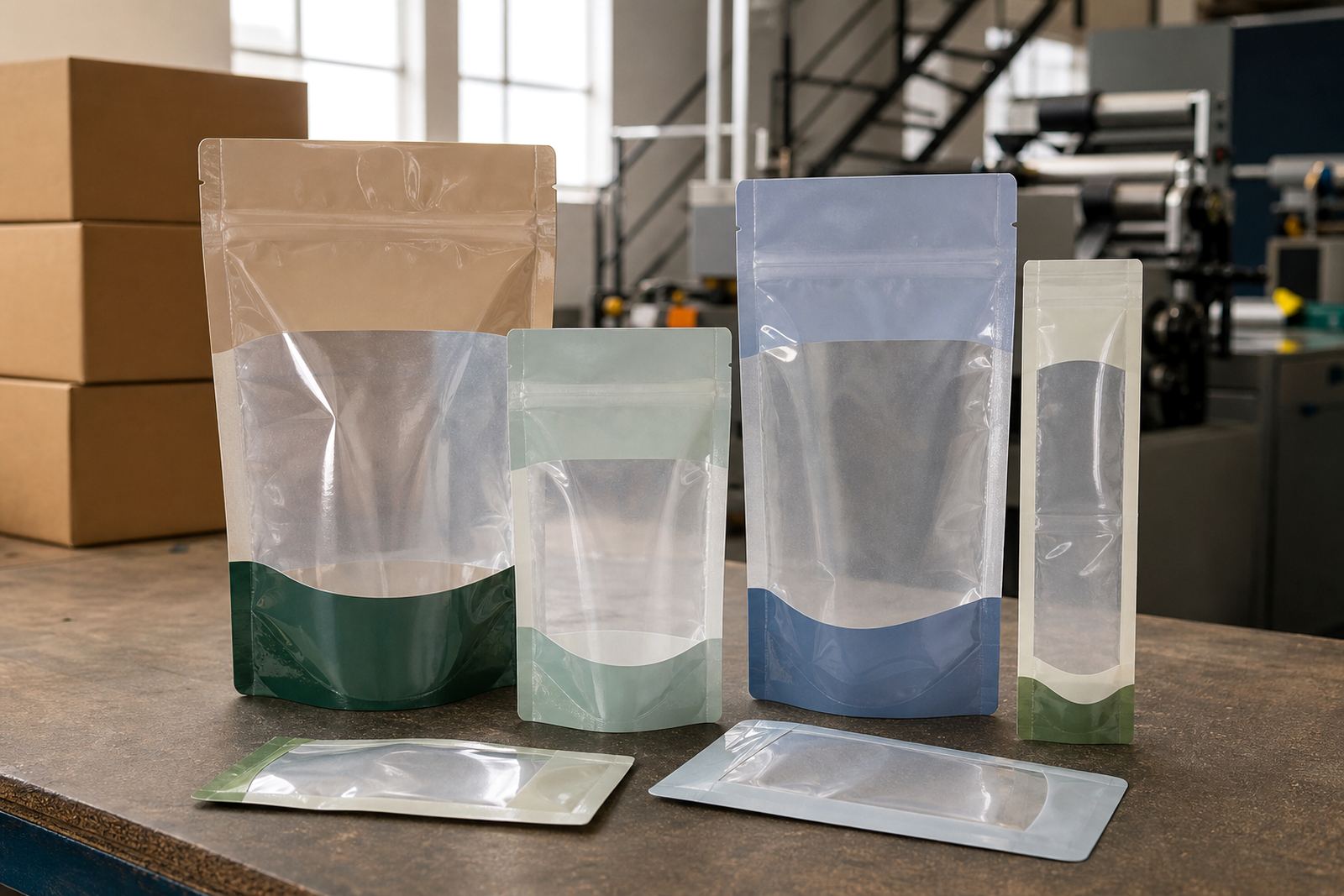
A window pouch is a flexible pack with printed outer areas and a clear viewing section built into the front or back panel. It lets the product show through while still giving you space for branding, product information and barcode placement. For many local brands, that balance matters because buyers want to see grain size, colour, texture or fill level before they choose.
In practical terms, window pouches are used where presentation and visibility go together. They work well for bakeries, dry foods, confectionery, health powders, pet treats, seeds and lifestyle products. In Pinetown and across KwaZulu-Natal, they are also a sensible option when stock needs to move through retail shelves, spaza supply chains and online orders without looking plain or over-packed.
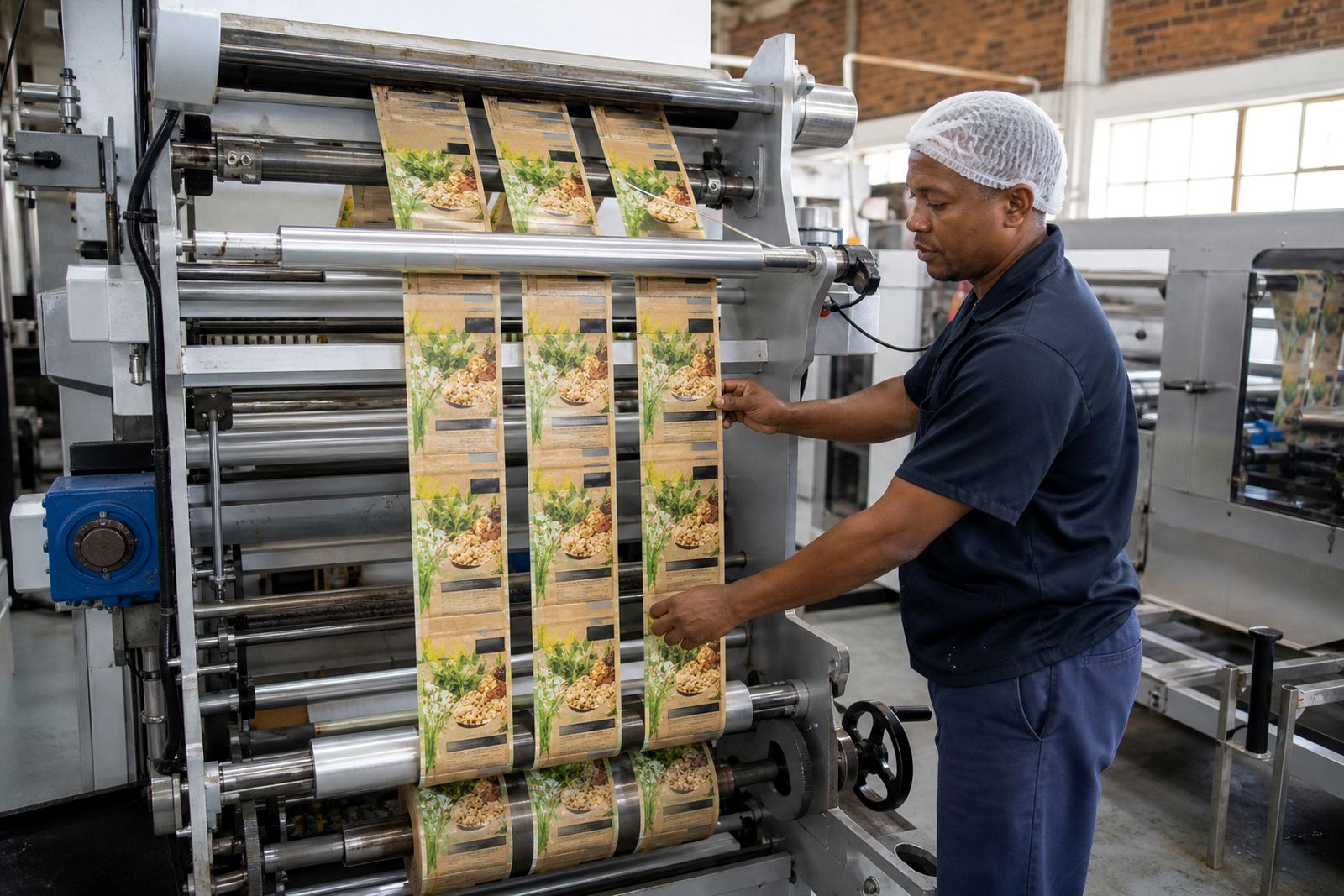
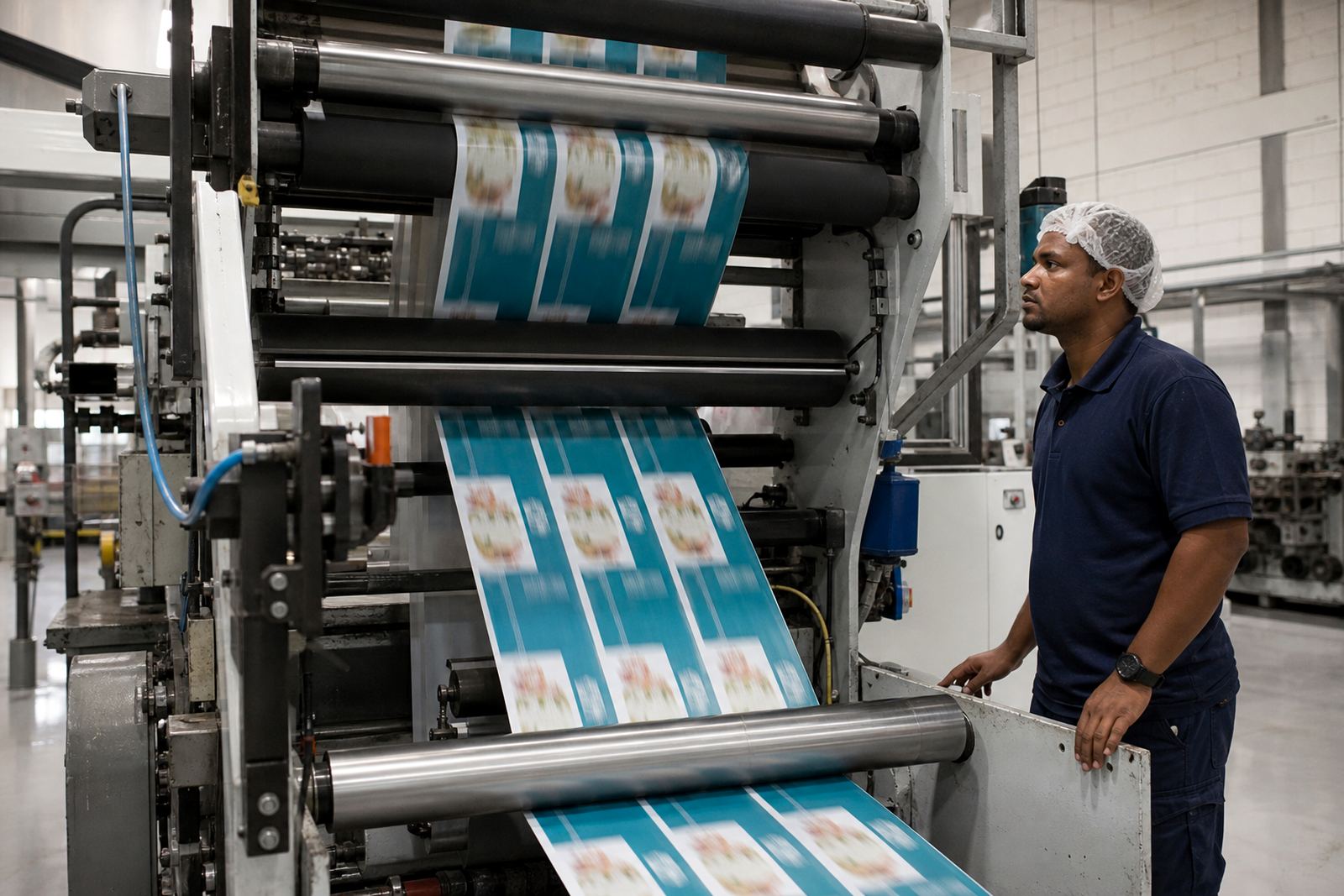
We print flexo graphics for these pouches in controlled runs, whether you need a simple two-colour layout or fuller artwork across the face and back. The clear area can be placed to suit the pack shape and the product inside, so the visible section does not interfere with seals, gussets or hanging features.
Sizes, Structures and Format Choices
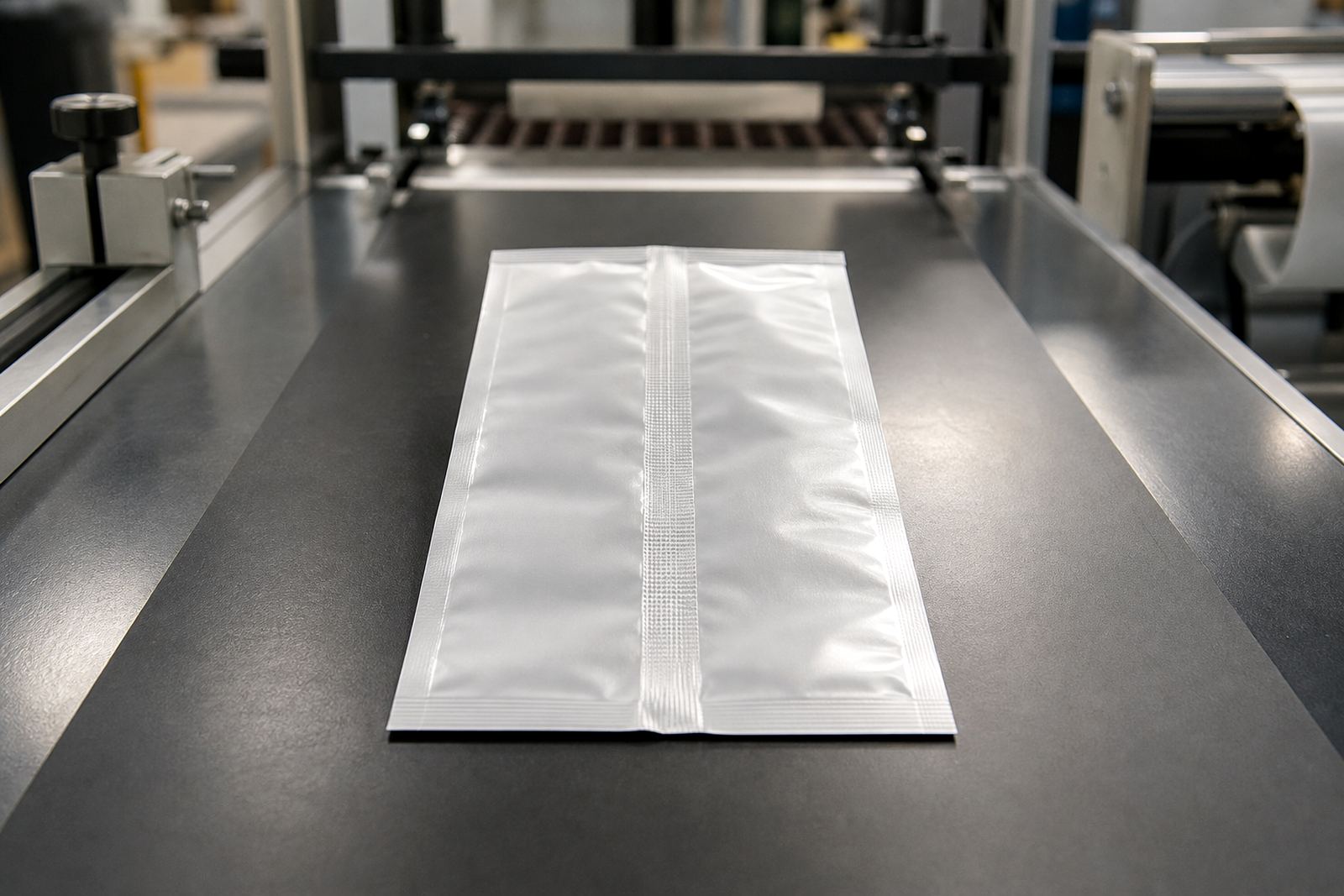
Window pouches can be made in several sizes and constructions depending on how the product is packed and stored. A flat pouch suits smaller volumes, while a stand-up pouch is better for shelf display and repeat closing. Gusseted formats are often chosen when the pack needs a wider base or more fill volume. Depending on the product, the viewing panel can be narrow and vertical, or wider for a stronger display effect.
Typical options include matte or gloss printed finishes, zip closures, tear notches, euro slots, bottom gussets and heat-sealed edges. The film structure can be selected for general retail use, or for added barrier needs where moisture, dust or odour control matters. For coastal areas like Durban and Ballito, film selection is especially important because humidity can affect product holding and shelf life if the pack is not matched properly.
- Small sample or sachet-style window packs for trial sizes
- Medium retail pouches for dry ingredients, snacks or powders
- Larger stand-up pouches for refill stock or bulk packs
- Flat wraps or lay-flat pouches for items that do not need a base gusset
- Options for resealability, hanging, and easy opening
Where Window Pouches Suit Best
Window pouches are useful when the product itself helps sell the pack. If the contents have visual appeal, a clear panel can reduce hesitation at point of sale. That includes nuts, dried fruit, spice blends, baking mixes, body care powders, tea blends, artisan treats and pet products. It is also a practical choice for local brands that want packaging to feel neat and tidy but still honest about what is inside.
For distributors sending stock to Johannesburg, Pretoria, Cape Town or Bloemfontein, this format works well because the printed area can carry handling instructions, batch details and brand identity without overcrowding the design. It is also suitable for shorter runs where a product is being tested in one region before broader rollout. In smaller towns and on independent retail shelves, buyers often appreciate being able to inspect the contents straight away.
If the product is fragile, dusty or affected by moisture, the film build and seal area should be matched carefully to the pack contents. That is why artwork, material choice and filling method need to be considered together, not one after the other.
Artwork, Colour and Print Checks Before Production
Good window pouch printing starts with clear artwork and a practical layout. The viewing panel must sit where it does not cut through key text or important visual elements. We check the print area, seal margins and barcode positions during artwork prep and proofing so the final pack reads properly on shelf and in dispatch. If the pouch is being used for multiple flavours or variants, a consistent template helps keep the range tidy and easy to pack.
Colour matching matters on packaging that is sold next to competing products. A slight shift in red, brown, green or metallic-looking tones can change how the range feels. With flexo printing, we manage repeat jobs and short run orders with the aim of keeping colour stable from one production to the next. That helps when the same pouch is ordered again for stores in Durban, Pietermaritzburg or Johannesburg.
- Check where the clear panel will sit on the finished pouch
- Confirm front, back and seal areas for text and graphics
- Allow space for batch, date and barcode placement
- Approve the artwork proof before production starts
- Match colours to the product range and packaging material
Filling, Installation and Production Requirements
Window pouches are supplied as flexible packaging components, so the practical setup depends on how your line fills and seals them. They can be used with manual packing, semi-automatic filling or higher-volume packing lines, depending on the size of the operation. If you are packing on site in Pinetown or elsewhere in KwaZulu-Natal, it helps to know the pouch mouth width, seal area and filling temperature before ordering.
Most pouch production does not require special gas or on-site installation from the customer side. What matters is whether the final packed product needs heat sealing, resealability or any additional handling after filling. If you are sealing in-house, check that your equipment can handle the film thickness and the pouch opening cleanly. Where products are oily, dusty or fine-milled, the fill process should be tested so seals remain neat and consistent.
Load-shedding also affects some packing environments, so it is worth planning for line stoppages, backup power and safe storage of open material. If production pauses, partially filled material should be kept clean, dry and protected from contamination until packing resumes.
Care, Storage and Repeat Ordering Checks
Window pouches should be stored flat, clean and away from direct sun, heat and heavy moisture. If packs sit in a warm storeroom or near an open loading bay, the film can pick up dust and static, especially in drier inland conditions. In coastal areas, high humidity can affect the feel of the pack and the way seals behave during filling, so stock rotation matters.
For repeat production, keep the approved artwork, pouch dimensions and material build on file. That makes reordering simpler and helps avoid small changes that can slow dispatch. It is also useful to record how the pouch performed in store and in transit. If the pack scuffs easily, loses shape or does not sit well on shelf, those notes should be included before the next run.
When ordering, check the following points carefully:
- Finished size, including width, height and gusset depth
- Where the window is placed and how large it must be
- Whether you need a zip, tear notch or hanging slot
- Product weight, fill method and seal temperature range
- Artwork version, colours and barcode details
- Dispatch destinations and expected stock turnover
Key facts
| Product type | Flexible window pouch with printed areas and clear viewing panel |
|---|---|
| Printing method | Flexo printed packaging for repeat and short run orders |
| Common formats | Flat pouch, stand-up pouch, gusseted pouch and lay-flat wrap |
| Typical closure options | Heat seal, zip closure, tear notch, euro slot |
| Suitable contents | Dry foods, powders, snacks, seeds, pet treats and retail goods |
| Service area | Pinetown, Durban, Johannesburg, Pretoria, Cape Town and Bloemfontein |