
What Flow Wraps Do On The Line
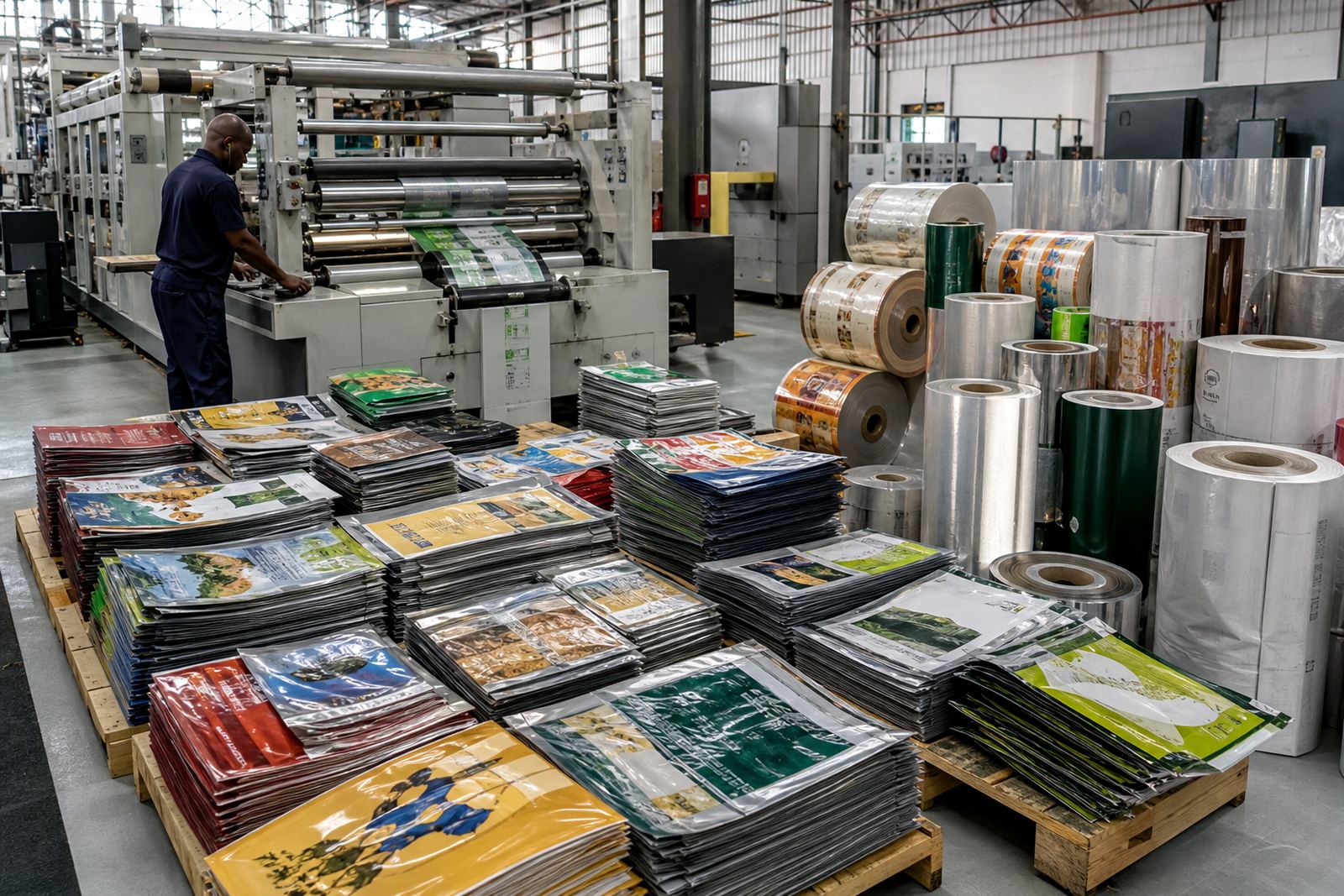
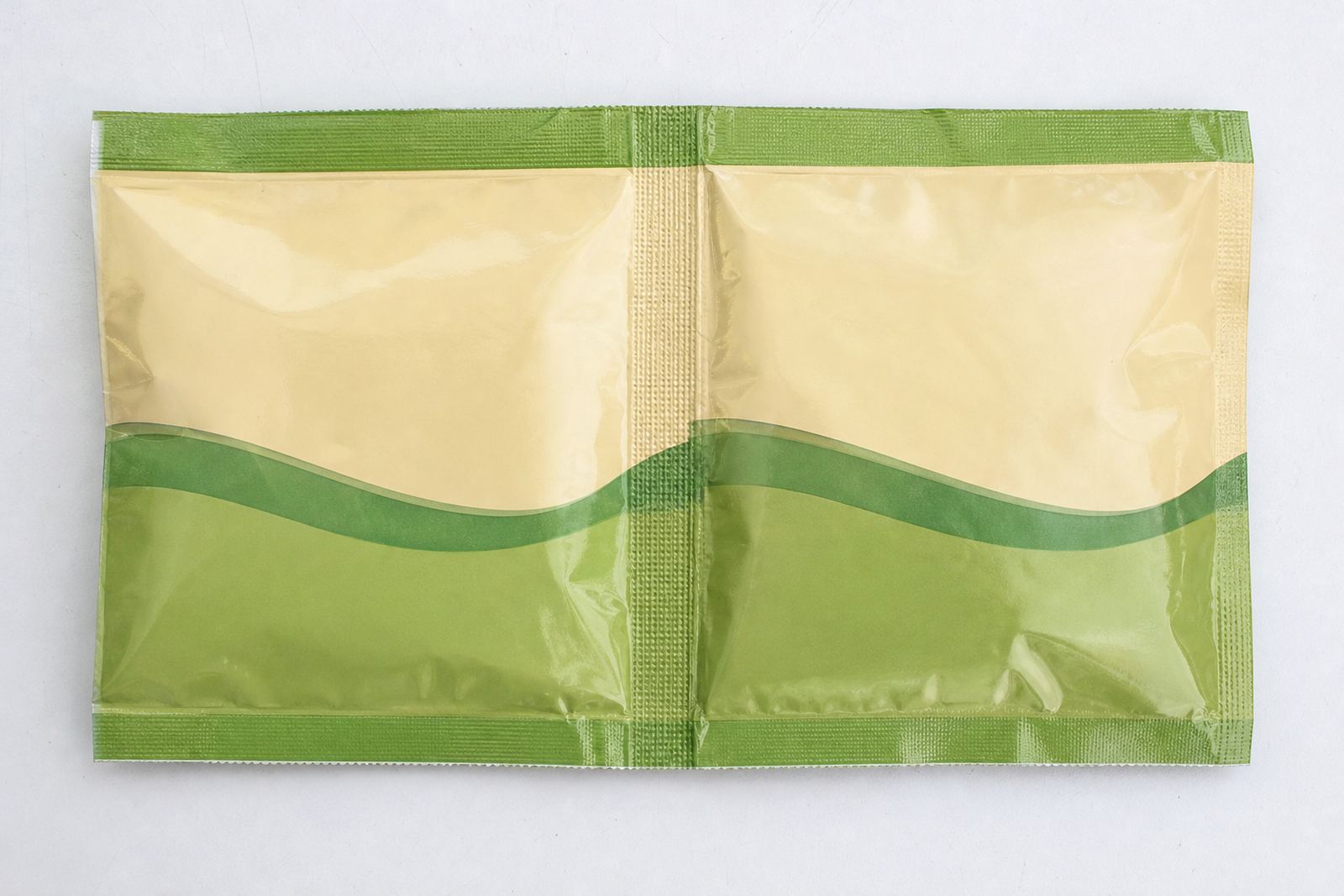
Flow wraps are made for products that need to be enclosed quickly in a continuous wrap, then sealed at both ends for a tidy finish. The format works well where you want each item to stay protected from handling, dust and general warehouse wear before it reaches the shelf or the carton. For many packers, it is the simplest way to present a product neatly without using a rigid pack, and it keeps the line moving when volumes rise.
In practical terms, the film is fed through wrapping equipment, formed around the product, and sealed into a consistent sleeve with end seals. This makes it a good fit for products that are regular in shape, or that can be grouped and counted before packing. The print area can carry product names, batch codes, instructions and brand marks in a clear, repeatable way, which matters when you are running more than one flavour or variant.
- Neat all-round enclosure for single items or small bundles
- Suitable for repeat packing on faster production lines
- Clear print space for branding, product details and traceability
- Works with a range of film structures depending on the product and handling needs
Sizes, Film Options And Print Details
Flow wrap packs are usually specified by product size rather than by one standard format. Width, cut length and seal position all need to match the item inside, and the final pack should have enough film for proper sealing without unnecessary waste. We assist with artwork prep, colour matching and material selection so the wrap suits the product and the way it will be packed, stored and moved.
Sizes can range from narrow wraps for small confectionery or hardware items to wider sleeves for multipacks, bakery lines and light industrial goods. Film choice is guided by the product, the required shelf life, and the type of machine on site. In humid coastal areas like Durban and Pinetown, storage and handling need a bit more care because moisture can affect film behaviour and print consistency if stock is left open too long.
- Widths and cut lengths matched to your product measurements
- Printed or plain film options depending on the packing plan
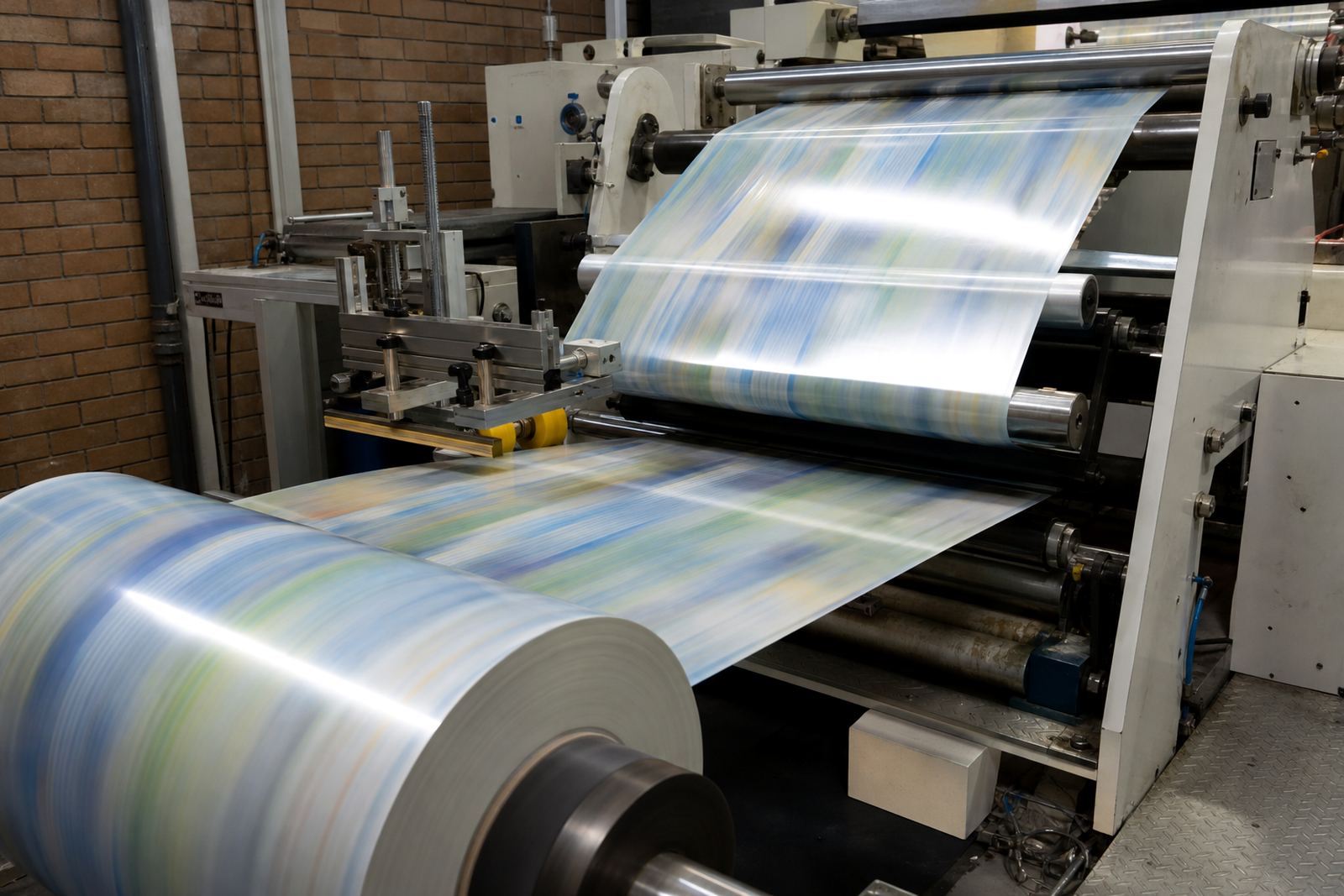
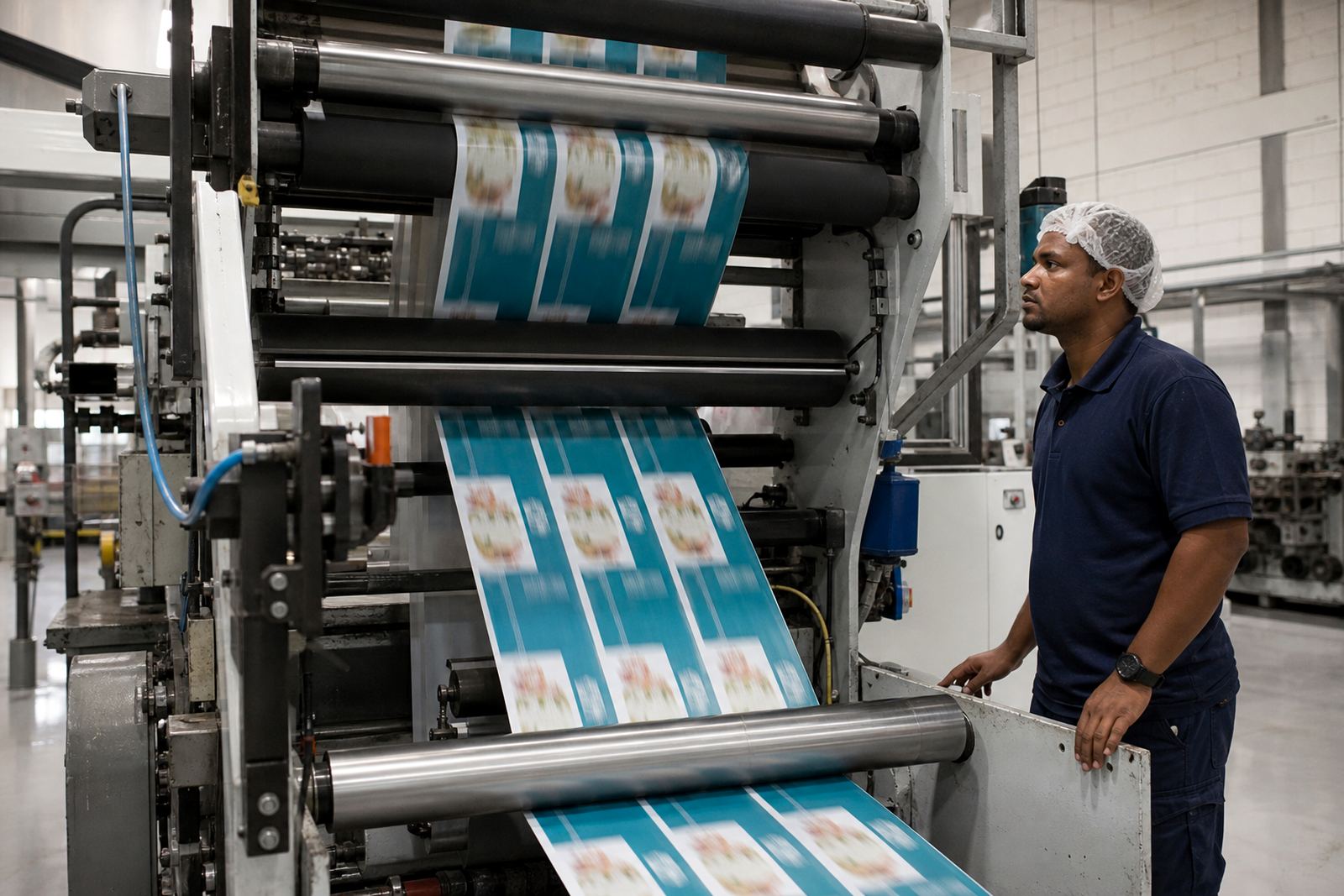
- Single or multi-colour flexo printing for repeatable branding
- Material selection based on seal performance, handling and storage conditions
Where Flow Wraps Are A Good Fit
Flow wraps suit a wide range of packable goods, especially where the product is sold singly or in a set count. They are commonly used when presentation matters but the pack still needs to work hard in transit, on shelves and in delivery vehicles. They also help when you need a consistent format for dispatch to Durban, Johannesburg, Pretoria, Cape Town or Bloemfontein, where cartons may be handled more than once before final sale.
This format is often chosen for products that benefit from visible branding and straightforward opening. It is not a one-size solution, so the item shape, pack weight and sealing method must be checked at the outset. If the product is very fragile, irregularly shaped or likely to shift inside the wrap, the spec should be adjusted before production starts. That saves time and reduces spoilage, which every production manager knows can bite hard.
- Individually packed items that need a tidy, consistent finish
- Lightweight consumer goods and repeat-count packs
- Items that move through retail, wholesale or direct delivery channels
- Products where neat branding and batch identification are useful
Machine Setup, Power And Site Requirements
Before ordering flow wraps, it helps to check the packing equipment already on site, because the film and the machine must suit each other. The wrap has to run at the right tension, seal at the correct temperature and keep registration steady through the run. If the line is old, underpowered or not serviced regularly, you can end up with poor seals, skewed print or stoppages that slow the shift. Load-shedding can also interrupt line work, so it is worth planning for restart time and stable power where possible.
Some lines use heat sealing only, while others need tighter control over speed, film tension and product feed. If gas is used in the packing area, ventilation and safe storage need attention too. When planning a new wrap or changing dimensions, check the available electrical load, line speed, and whether the sealing jaws and guides are set for the film thickness. A little checking at the start avoids a lot of fiddling later, and that saves money.
- Confirm machine width, sealing method and film compatibility
- Check available power supply and backup plan for load-shedding
- Allow space for reels, finished stock and safe operator movement
- Keep the packing area dry and clean for best film handling
Care, Storage And Repeat Production
Flow wrap stock should be stored flat, away from direct sun, damp floors and open doors where dust can settle. In coastal KwaZulu-Natal, humidity can affect stored material if pallets are left open for too long, so wrapped pallets and dry storage are important. The same applies to printed stock awaiting dispatch. If packs are handled roughly after sealing, the film can scuff or the seals may be compromised, so warehouse staff need clear rules for stacking and movement.
When a repeat order is due, we can work from the approved pack spec and printed sample to keep the next run consistent. That is useful for local brands that want the same look across production batches and different delivery points. If there has been a change in product size, carton count or print copy, it should be flagged before the run begins. Even a small change can alter the cut length or seal position, and it is better to correct it upfront than to scrap a batch.
- Store reels and finished packs in a dry, shaded area
- Avoid crushing or bending packed product during transport
- Keep approved samples for repeat production checks
- Report any product size changes before the next print run
What To Check Before You Place The Order
To quote and produce flow wraps properly, we need a clear picture of the product, the count per pack and the way the wrap will be used. The more exact the information, the easier it is to match the film, the print and the sealing behaviour. If the item is being supplied to retailers in Durban or sent inland to Johannesburg, the transport conditions and shelf handling should also be considered. That affects the material choice and the strength of the end seals.
Please have the following details ready when you enquire through our contact page: product dimensions, pack weight, desired pack count, artwork status, preferred finish, and whether you need short run orders or repeat production. If you are still working through the pack format, our team can talk through the options and advise on colour matching, artwork prep and dispatch coordination. It is always easier to sort the details before the press run than after.
- Product size and weight
- Pack count and target line speed
- Artwork files or copy changes
- Storage and delivery destinations
Key facts
| Format | Continuous printed flexible wrap for individually packed items or small grouped packs |
|---|---|
| Typical use | High-speed packout where a neat all-round enclosure is needed |
| Print method | Flexo printing with repeatable colour control |
| Material options | Film chosen to suit product, seal needs and handling conditions |
| Production inputs | Product dimensions, cut length, line speed and sealing method |
| Service areas | Pinetown, Durban, Johannesburg, Pretoria, Cape Town and Bloemfontein |