
What a Centre Seal Pouch Is
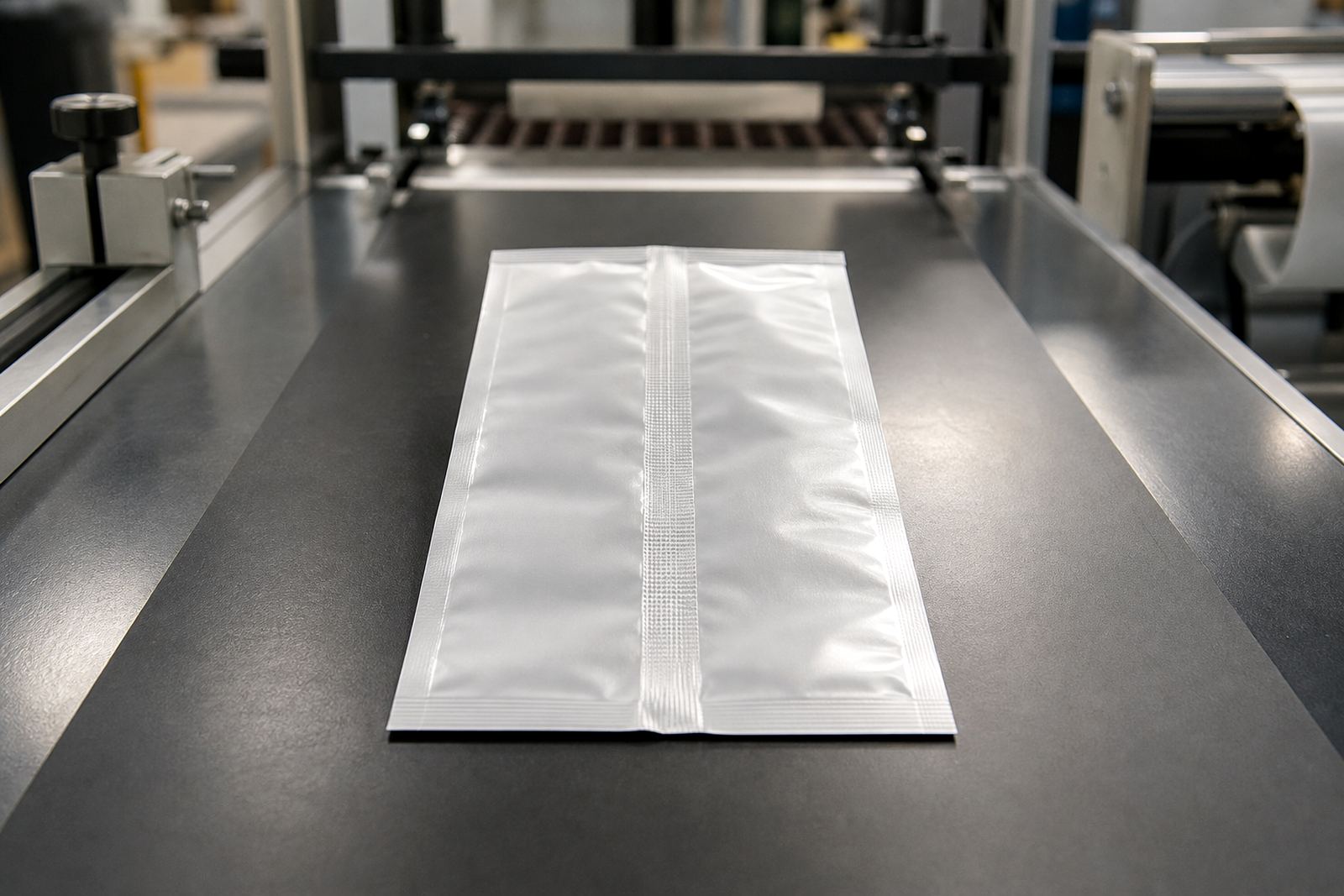
A centre seal pouch has a single rear seal running down the middle of the back panel, with the front face kept clear for product information and branding. It is a familiar format for many packed goods because it folds well, stores flat before filling, and presents neatly on shelf. The structure can be used as a plain pouch or combined with tear notches, reseal features, or hanging holes depending on how the product will be packed and displayed.
For many buyers, the appeal is simple: it gives a straight, tidy finish and it works across a wide range of pack sizes. The format is common for items sold in supermarkets, wholesalers, spaza channels, farm stalls and direct distribution packs. In hot weather and coastal humidity, the right film choice and seal setup matter, because the pouch has to hold shape and protect the contents after filling.
Common Sizes, Films and Finish Options
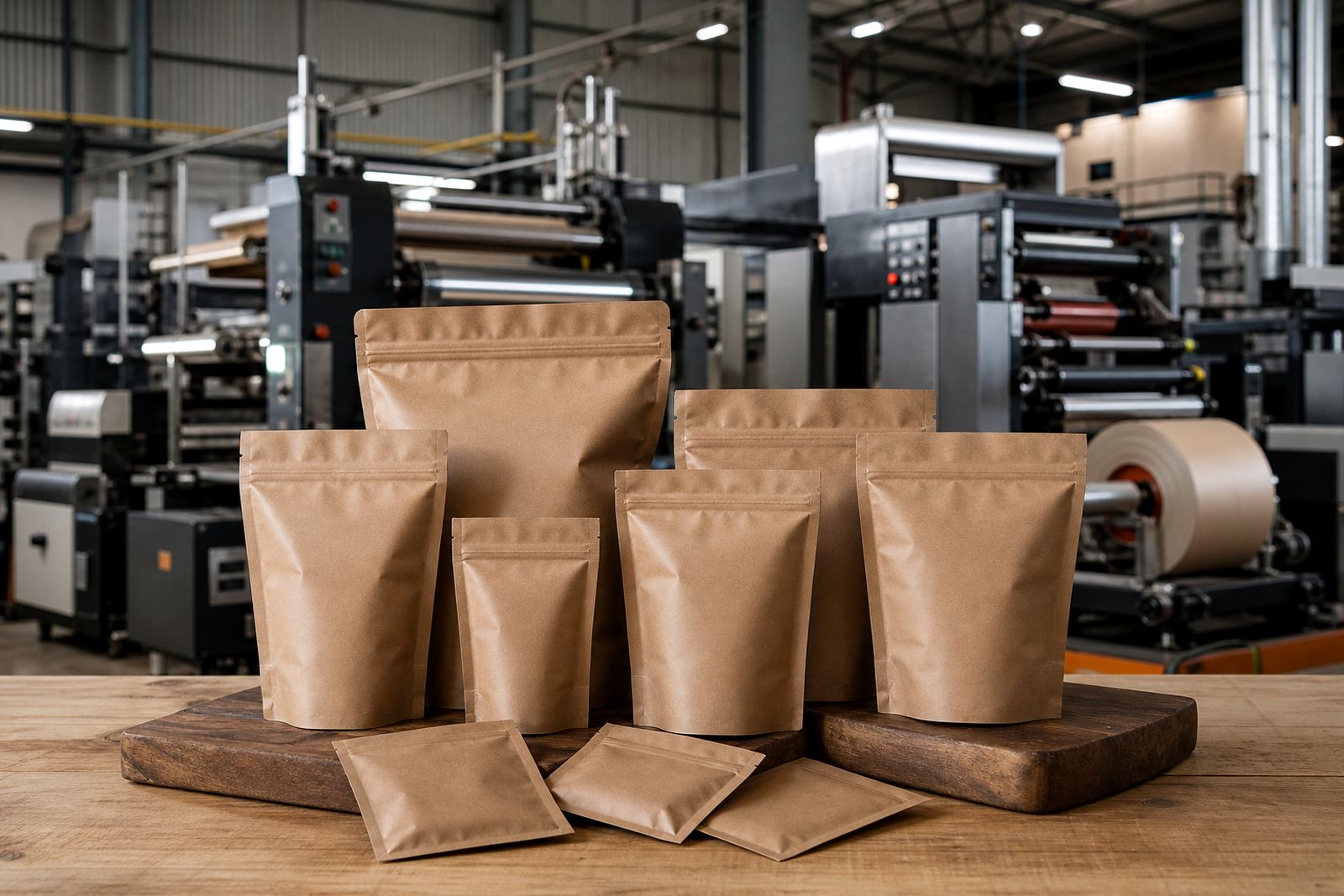
Centre seal pouches can be made in a range of widths and lengths, from smaller trial packs through to larger retail sizes. The exact dimensions depend on product weight, fill volume and how much headspace is needed for sealing. We also look at the pack height, because a pouch that is too small or too wide can become awkward on the filling line or on a shelf. If your product settles, powders compact, or loose pieces have sharp edges, those factors should be checked early.
- Typical width range: 60 mm to 300 mm, depending on pack use
- Typical length range: 80 mm to 450 mm, subject to fill weight
- Film structures may include laminated materials, barrier layers, or plain printed film
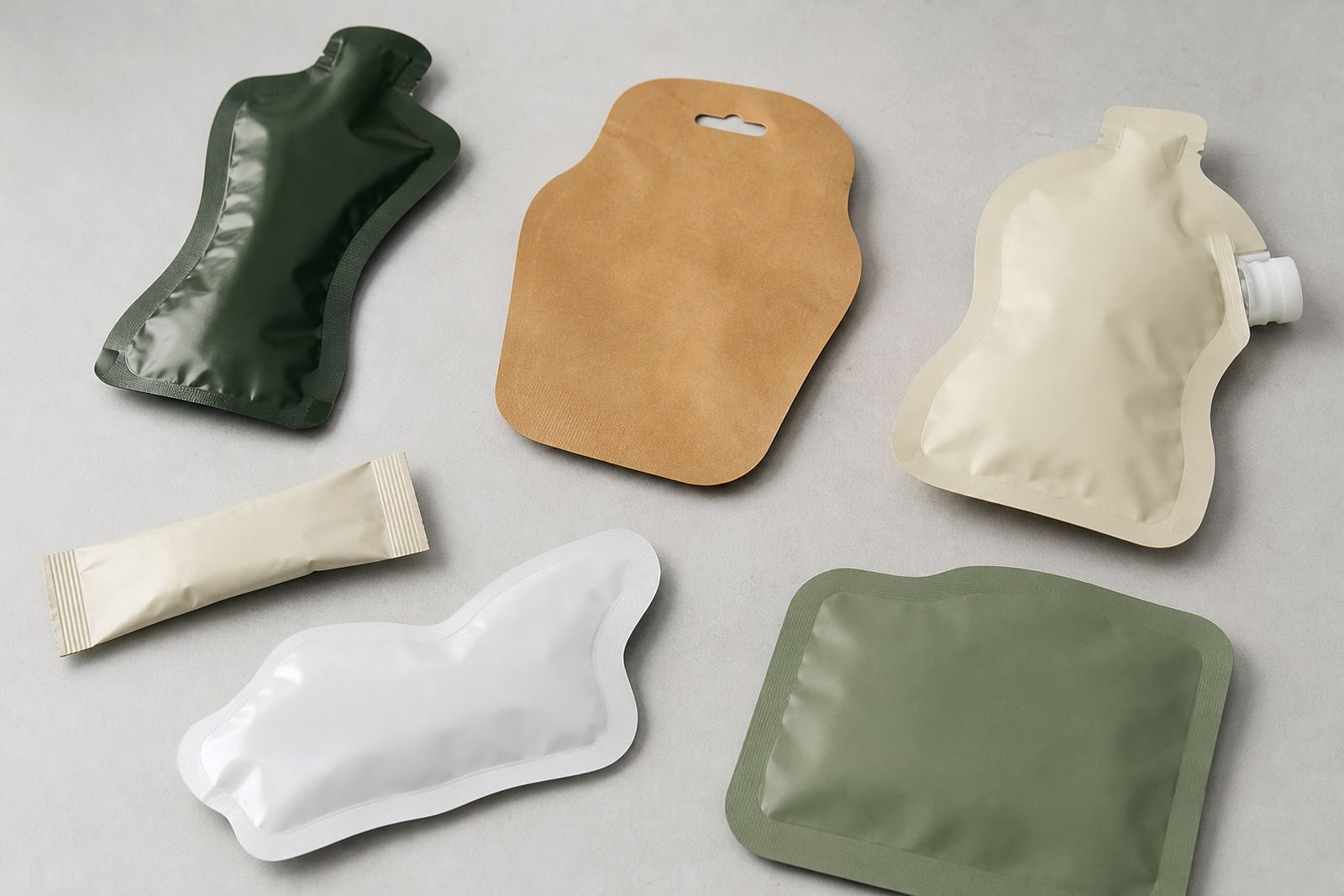
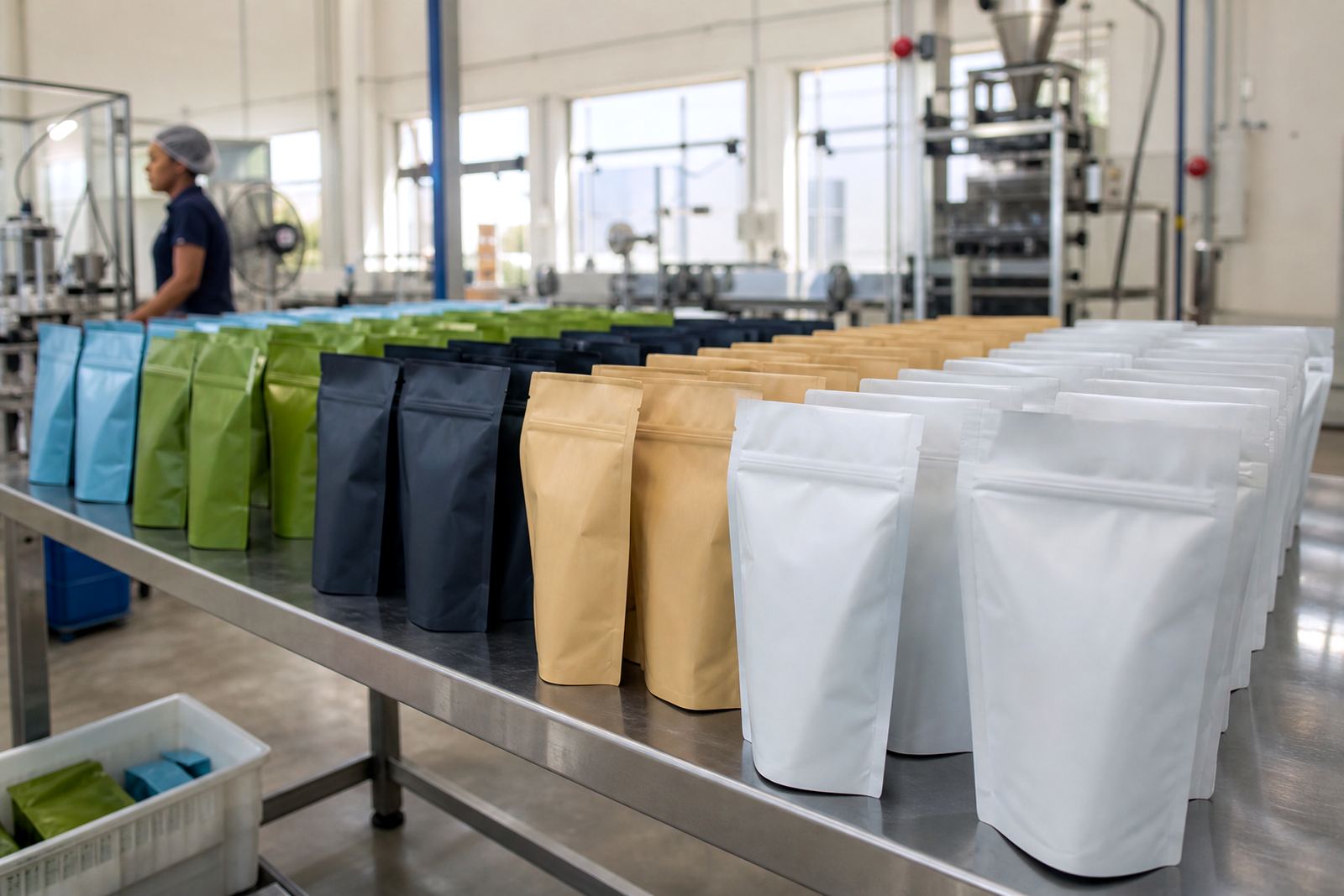
- Finish options can include gloss, matt, or a mixed look for stronger shelf contrast
- Optional features include tear notches, euro slots, round holes, and reseal features where suitable
Artwork can be printed on one side or both sides, with colour matched to your brand requirements. Where a product needs clarity, windows may be added, but this must be balanced against protection and shelf life needs. We also look at how the pouch will sit during transport, because rough handling between Pinetown, Durban and inland depots can mark a weak pack very quickly.
Where Centre Seal Pouches Suit Best
This pouch style suits products that need a straightforward, economical pack with good print area and a clean back seal. It is often chosen for dry goods, powders, snack items, small hardware items, household products, and other everyday packed goods that are filled in volume. The format is also useful when the product line changes often, because artwork changes can be managed without changing the basic pouch structure each time.
Centre seal pouches are a sound option for brands that want one pack format across several sizes. That helps with storage, packing discipline and dispatch, especially when orders move across Durban, Johannesburg, Pretoria, Cape Town and Bloemfontein. For shorter runs or repeat orders, the format also helps keep production organised and practical, with less waste and fewer setup surprises.
- Retail packs where shelf presentation matters
- Wholesale and distribution packs for bulk movement
- Trial packs and seasonal packs with limited volumes
- Products that need clear front panel branding
- Items packed in dry, dusty or humid conditions where a sealed film pack is preferred
Printing, Artwork Prep and Colour Matching
Because the front panel is usually the main sales face, centre seal pouches need careful artwork placement and colour control. We prepare artwork for flexo printing with attention to text size, barcode placement, seal areas and safe margins so nothing important lands too close to the edges. If the pouch includes product directions, ingredients, batch spaces or pack weights, those details have to sit cleanly inside the design area.
Colour matching matters especially where a brand uses a consistent look across multiple pack sizes. The same shade can appear differently on matt and gloss finishes, so proofing is important before a full run starts. We also check overprint areas and fine detail, because small text can fill in if the line is not set correctly. On some jobs, a slight adjustment in colour density is enough to improve legibility, and saves trouble later.
Filling Line, Sealing and Power Needs
Centre seal pouches are generally used on packing lines that form, fill or seal the pack after it has been made. The exact installation needs will depend on the product, the filling method and the type of seal required. For most operations, a stable sealing setup is important, along with enough space for reels or pre-made packs, cartons, and finished goods staging. If the line is in a plant with load-shedding interruptions, backup planning matters because heat-seal consistency can be affected by stop-start production.
There is no gas requirement for the pouch itself, but the packing equipment may need electricity, compressed air or heat control depending on the machine setup. If your operation uses semi-automatic or manual sealing, check that the pouch material suits the seal jaws and the dwell time available. A pack that seals well on paper can behave differently on plastic film, so we always ask about machine settings, fill temperature and line speed before recommending a structure.
- Check the sealing width available on your machine
- Confirm if the pack is filled warm, cold, powdery or abrasive
- Allow for line speed and cooling time after sealing
- Keep spare film or pouch stock in a dry store, away from direct sun
Care, Storage and Repeat Order Support
Flexible packaging stores best in a cool, dry area away from direct sunlight, moisture and heavy dust. In coastal areas around Durban and Pinetown, humidity can affect storage if cartons are opened too early or kept on damp floors. Pouches should be handled with clean hands and kept flat where possible, because bent corners and crushed seals can cause issues at filling time. If a pack is stored for long periods, we recommend checking the first cartons before a full line run.
For repeat production, it helps to keep the approved artwork, pack size, material spec and seal notes in one place. That makes reordering quicker and reduces the chance of a wrong size being selected by mistake. We also advise clients to keep a sample pack from each approved batch, because that gives a useful reference for future runs and helps with print checks when a new order is due. A small typo on a label can slip through if no sample is on hand, so a reference sample is worth keeping.
What to Check Before You Order
Before ordering centre seal pouches, it helps to confirm the product weight, fill method, shelf life requirements, and whether the pack needs a window, tear notch or reseal feature. You should also know if the product is sharp-edged, oily, dusty or moisture sensitive, because that affects material choice and sealing behaviour. If the pack will be shipped across South Africa, transport vibration and stacking height should be considered too.
- Product type and fill weight
- Required pouch width, length and gusset needs if any
- Print side, finish preference and barcode area
- Storage conditions after filling and before dispatch
- Expected run size, repeat order timing and delivery town
Clients reach us through the enquiry form on our contact page, and we use that first brief to confirm the practical details before production begins. From our Pinetown base, we support local brands across South Africa with packaging that is made to fit the job, not the other way around.
Key facts
| Product type | Centre seal flexible pouch |
|---|---|
| Typical use | Retail and wholesale packed goods |
| Print method | Flexo printing for flexible packaging |
| Common sizes | Made to order from small trial packs to larger formats |
| Finish options | Gloss, matt or mixed finish |
| Delivery areas | Pinetown, Durban, Johannesburg, Pretoria, Cape Town, Bloemfontein |