
What a Three Lane Sachet Format Does
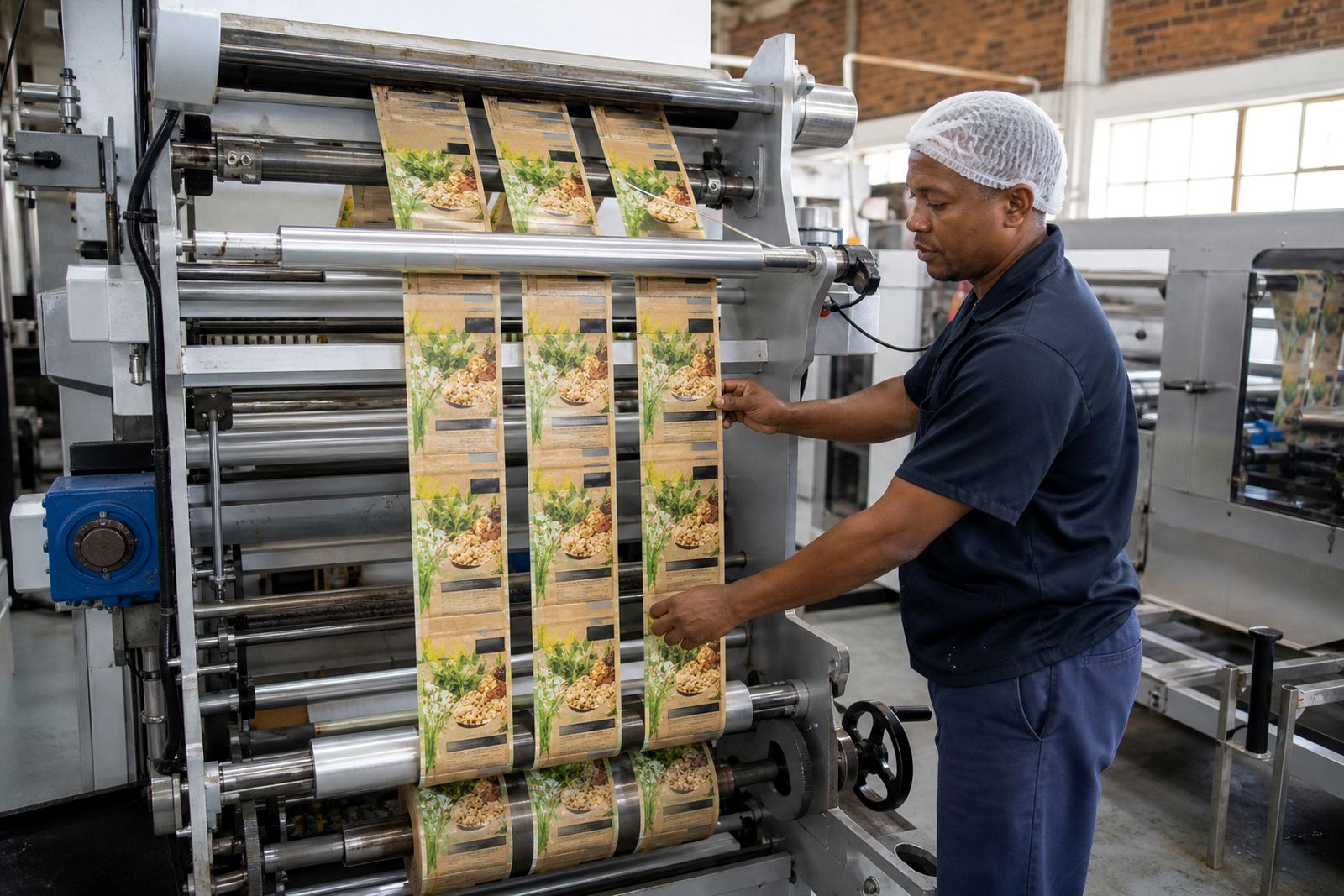
A three lane sachet layout runs three sachet streams at once, so the packing line can portion out small packs faster than a single lane setup. It is commonly used for products that need measured servings, sample packs, or retail-ready single use portions. The format works well where a business wants neat packs that stack, carton, and dispatch cleanly.
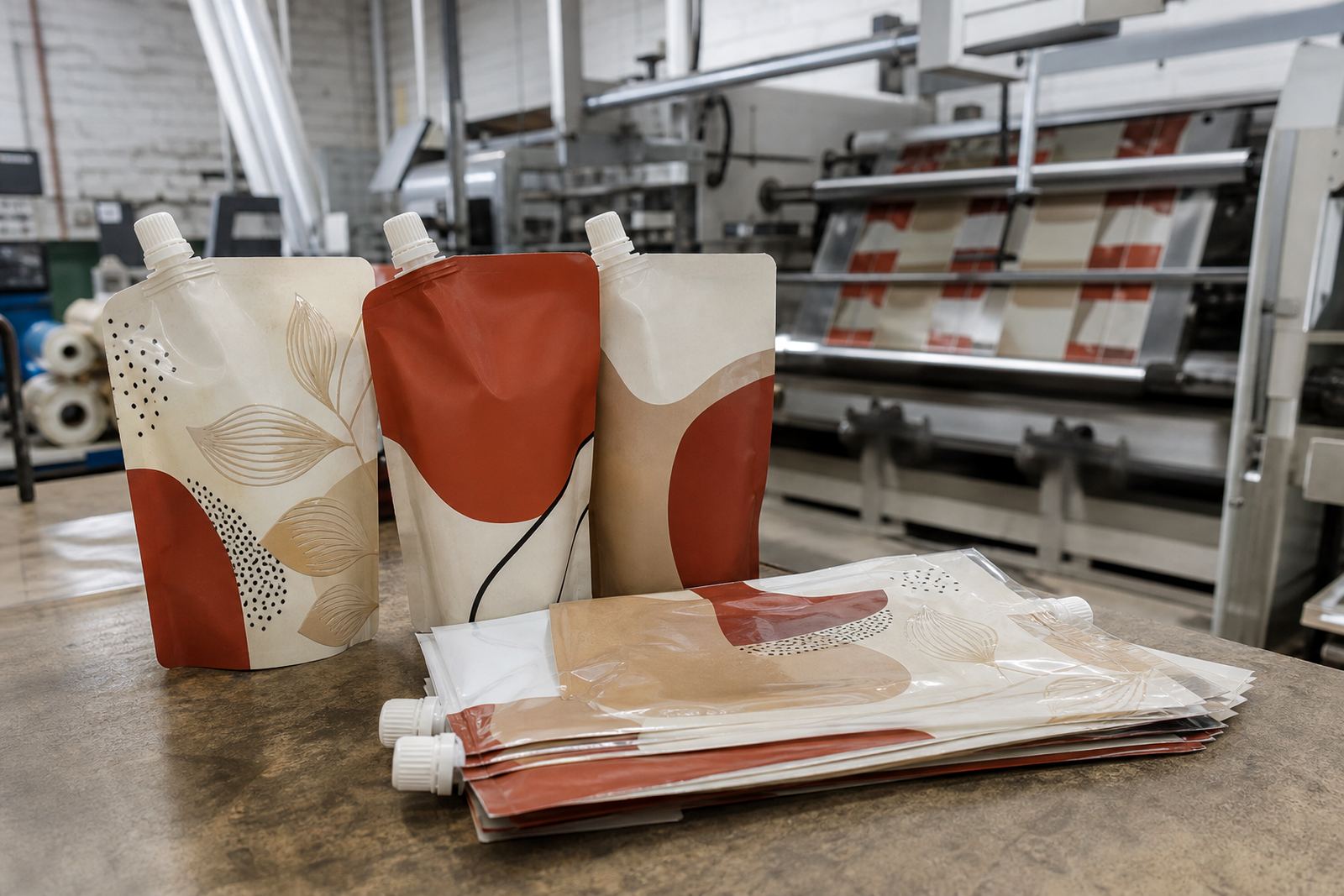
For brands in Durban, Pinetown, Johannesburg, Pretoria and Cape Town, this format is useful when output must keep pace with filling, sealing and end-of-line packing. The printed film can carry product names, basic instructions, batch details, and legal copy with clear colour separation and tidy registration. The finished sachets can be made with tear notches, centre seals or side seals depending on the product and filling method.
Sizes, Materials and Print Options
Three lane sachets are usually made to suit the pack size, fill weight, and product flow. Common widths and lengths vary by application, from small sample packs to slightly larger portions for repeated use. The exact dimensions depend on the machine format, the seal area needed, and how much room is required for artwork and copy. If the sachet is too narrow, filling becomes difficult. If it is too wide, material use and costs rise for no benefit.
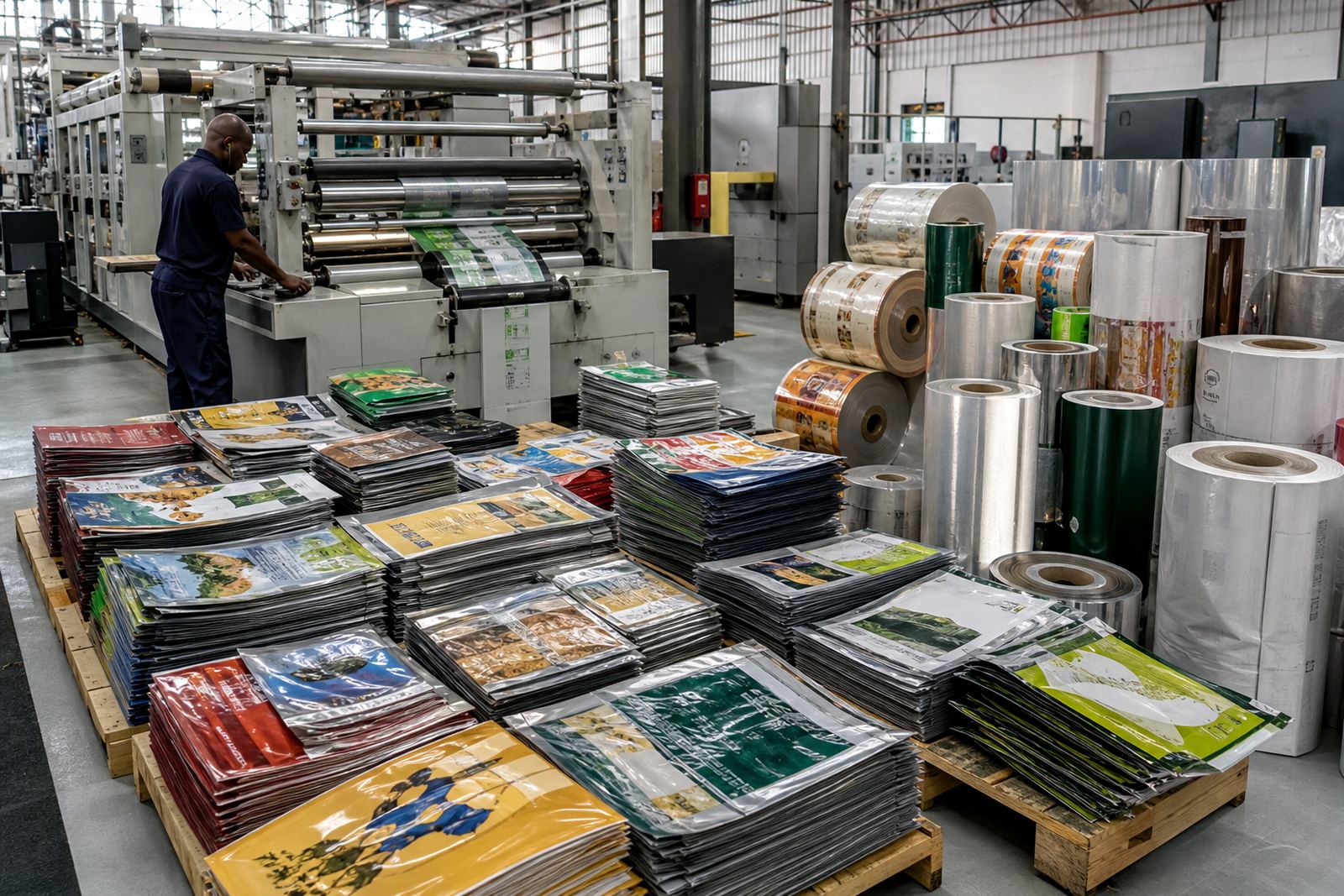
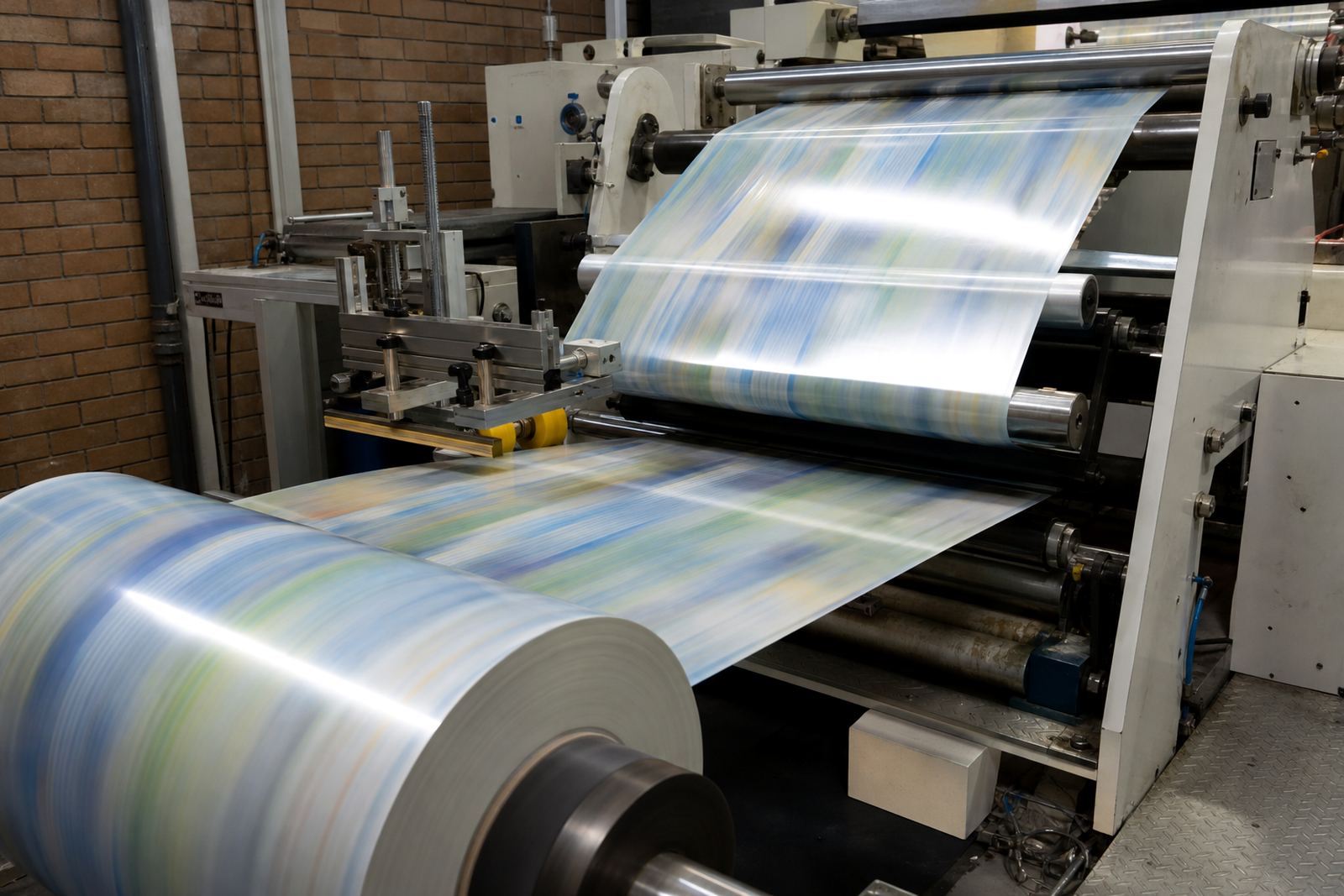
Material choice matters. Barrier needs, puncture resistance, and heat seal response all affect the film build. In humid coastal areas like Durban and Ballito, film handling and storage need a bit more care so the material does not pick up moisture and cause feed issues. Flexo printing is suited to steady, repeat runs and can handle brand colours, small type, and product panels when the artwork is prepared properly.
- Film can be matched to the product type and sealing method
- Widths, lengths and seal margins are set to suit the line
- Artwork can include batch fields, ingredient panels and usage notes
- Short run orders and repeat production can be planned to suit demand
Where Three Lane Sachets Work Best
This format suits businesses that pack fast moving portions and need a regular, repeatable output. It is often used for powders, granules, pastes and liquid portions where the fill station needs a stable sachet feed. The layout is also useful for promotional packs, hospitality portions and controlled samples, provided the material and seal are specified correctly.
Local brands that distribute across South Africa often choose this format when they need one pack design that can travel from Pinetown to Johannesburg, Pretoria, Bloemfontein and Cape Town without changing the way the outer carton is loaded or handled. The sachet must remain tidy after transport and storage, especially where heat, dust and long road freight can affect package appearance.
- Food and dry ingredient portions
- Powders for retail and sample use
- Condiments and liquid sachet packs
- Promotional giveaways and trial sizes
Installation and Utility Needs
Three lane sachet production is usually fitted into a packing line with the right unwind, tension control, sealing unit and filling head alignment. The space needed depends on the machine footprint and how cartons or finished packs are moved away from the line. A flat floor, safe access for operators, and enough room for film rolls and changeovers are important from the start.
Power needs vary by line size, but businesses should plan for stable electrical supply and proper protection against load-shedding interruptions. A backup power plan helps reduce stoppages and keeps seals consistent when the supply dips. Some setups may also use compressed air for controls or product handling. If steam or gas assisted sealing is part of the line, the site must allow for safe storage, ventilation and compliance with municipal requirements. A clean, dry packing area is always better than a cramped room with dust and temperature swings.
Care, Cleaning and Servicing
Regular care keeps sachet output consistent and helps prevent wasted film and seal faults. Operators should check guides, rollers, seal jaws and sensors each shift. Dust, product residue and film fragments can cause feed problems if they are left too long. On coastal sites, corrosion control matters too, because damp air can affect metal parts and electrical fittings over time.
Routine servicing should include alignment checks, temperature control verification, inspection of wear parts, and calibration of the feed system. If the line is used for repeat production, keep a record of settings that worked well on the last run. That saves setup time and reduces spoilage on future jobs. A small issue caught early is easier to fix than a full line stop later on.
- Clean sealing faces and guides after each run
- Check tension, sensors and cut positions before production
- Keep spare wear parts on hand for busy periods
- Store film in a dry area away from heat and direct sun
What to Check Before You Order
Before ordering, confirm the sachet dimensions, fill weight, seal style and the speed you need from the line. It also helps to know whether the product is dry, oily, viscous or free-flowing, because that affects material choice and seal performance. If the pack will be printed on both sides or needs a clear panel, this should be set out early so the artwork and converting steps match the final use.
Ask for a plain language check on the artwork, copy position and the type of repeat run you expect. If your product moves between Durban and inland sites, consider transit conditions and whether the finished packs will be boxed, sleeved or palletised. The more precise the brief, the better the result and the less back and forth later on. That saves time on the press and in dispatch.
- Product type and fill weight
- Sachet width, length and seal style
- Film structure and barrier needs
- Print content, colours and artwork placement
- Expected order volume and repeat schedule
How Flexography Printing Co Supports Local Brands
From our Pinetown base, we work with brands that need practical flexible packaging for local distribution and national supply. Our team handles flexo printing, pouch converting, sachet production, wrap printing, artwork prep, proofing, colour matching, material selection, short run orders, repeat production, dispatch coordination and packaging consultation. Siyabonga Ndlovu leads the business, with support from Priya Naicker, Marius van Wyk, Thandiwe Mkhize, Jason Petersen and Lerato Molefe across sales, production, client service, prepress and logistics.
Clients reach us through the enquiry form on our contact page, and we use that first step to check the pack format, production plan and delivery area. Whether the order is for Pietermaritzburg, Ballito, Cape Town or Bloemfontein, we plan for a practical turn-around and clear packing instructions. A good sachet job starts with clear measurements and ends with a delivery that is ready for the next stage.
Key facts
| Format | Three lane sachet layout for repeated small portions |
|---|---|
| Print method | Flexographic printing for flexible packaging film |
| Typical use | Sample packs, portion packs, powders, liquids and pastes |
| Machine setup | Multi-lane feed with seal and cut control |
| Utilities | Electric power, and compressed air where required |
| Service area | Pinetown with delivery across South Africa |