
Tea packs that keep product organised from line to shelf
Tea is often sold in more than one format, from loose leaf pouches to sachets and carton inserts wrapped for shelf display. The packaging has to hold its shape, support clear branding and make it easy for packers, retailers and customers to handle. For South African tea brands, that usually means choosing a format that suits the fill weight, the way the product is sealed and how the finished pack will move through stores, depots and courier networks.
We work with flexible packaging formats that suit tea, whether the product is a simple black tea blend, green tea, rooibos or a flavoured infusion. In Pinetown, close to Durban industrial routes and inland freight links, we help brands plan packaging that can move from short runs to repeat production without changing the core look every time. Since 2009, our focus has been practical: clear print, workable sizes and packs that are easy to stack, store and dispatch.
Choosing between pouches, sachets and wraps for tea
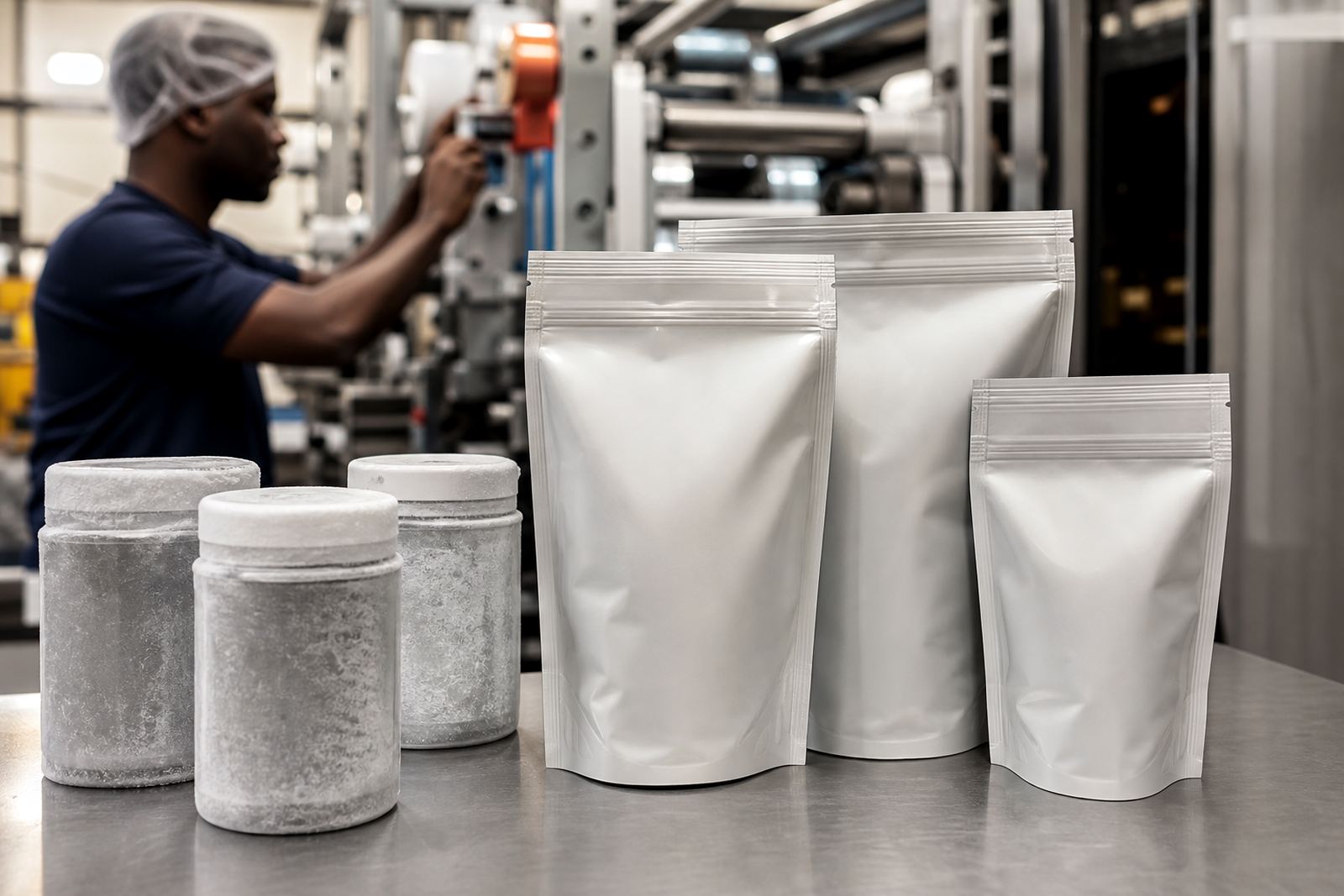
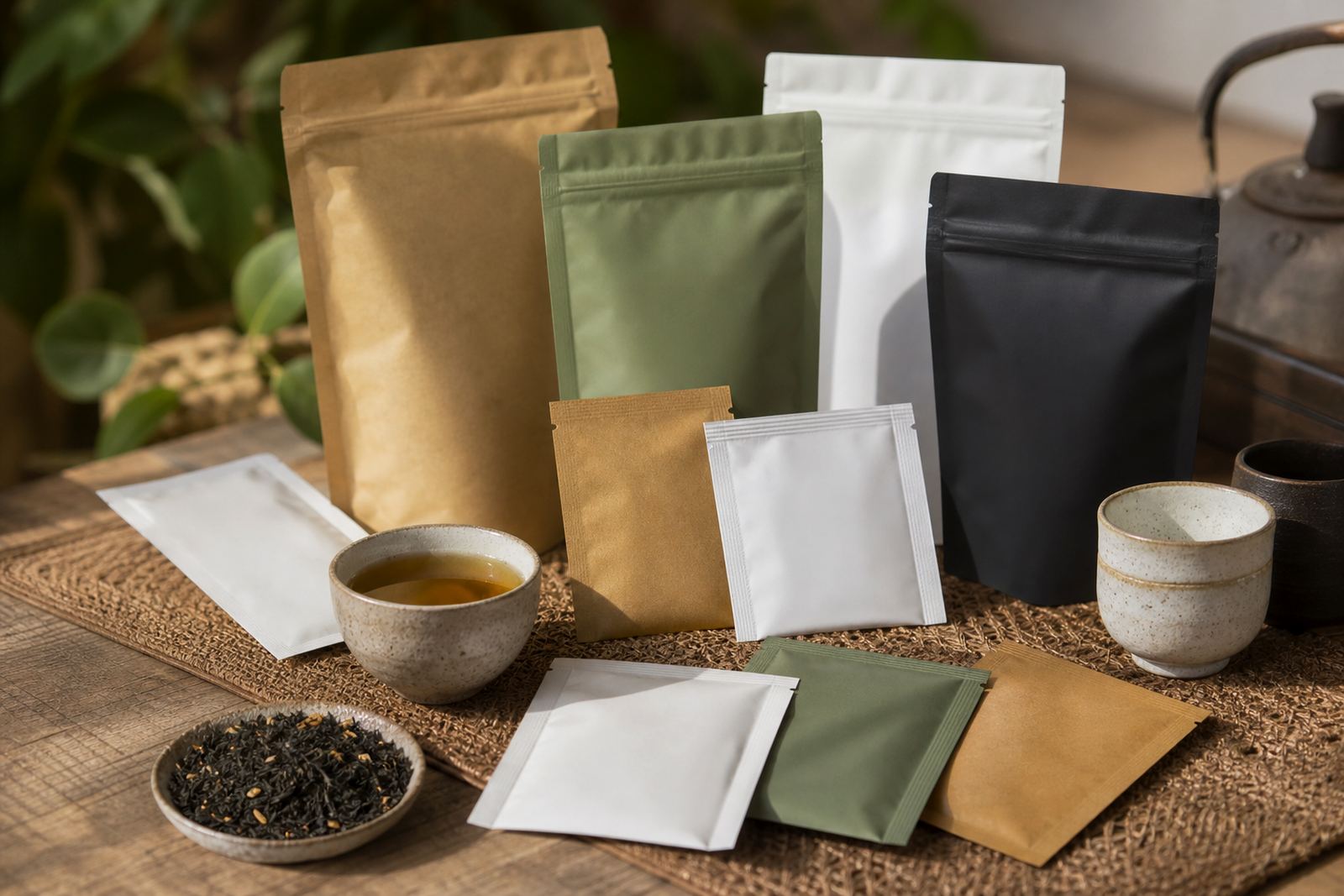
The right format depends on how your tea is sold. Pouches work well for retail packs that need a resealable or stand-up style presentation. Sachets suit single-serve or sample quantities. Wraps are often used around tea boxes, multipacks or bundled products where the outer presentation carries the brand story. Each option has different layout needs, from panel spacing to seal allowances and barcode placement.
- Pouches: useful for retail tea lines, refill packs and blends that need a neat front panel.
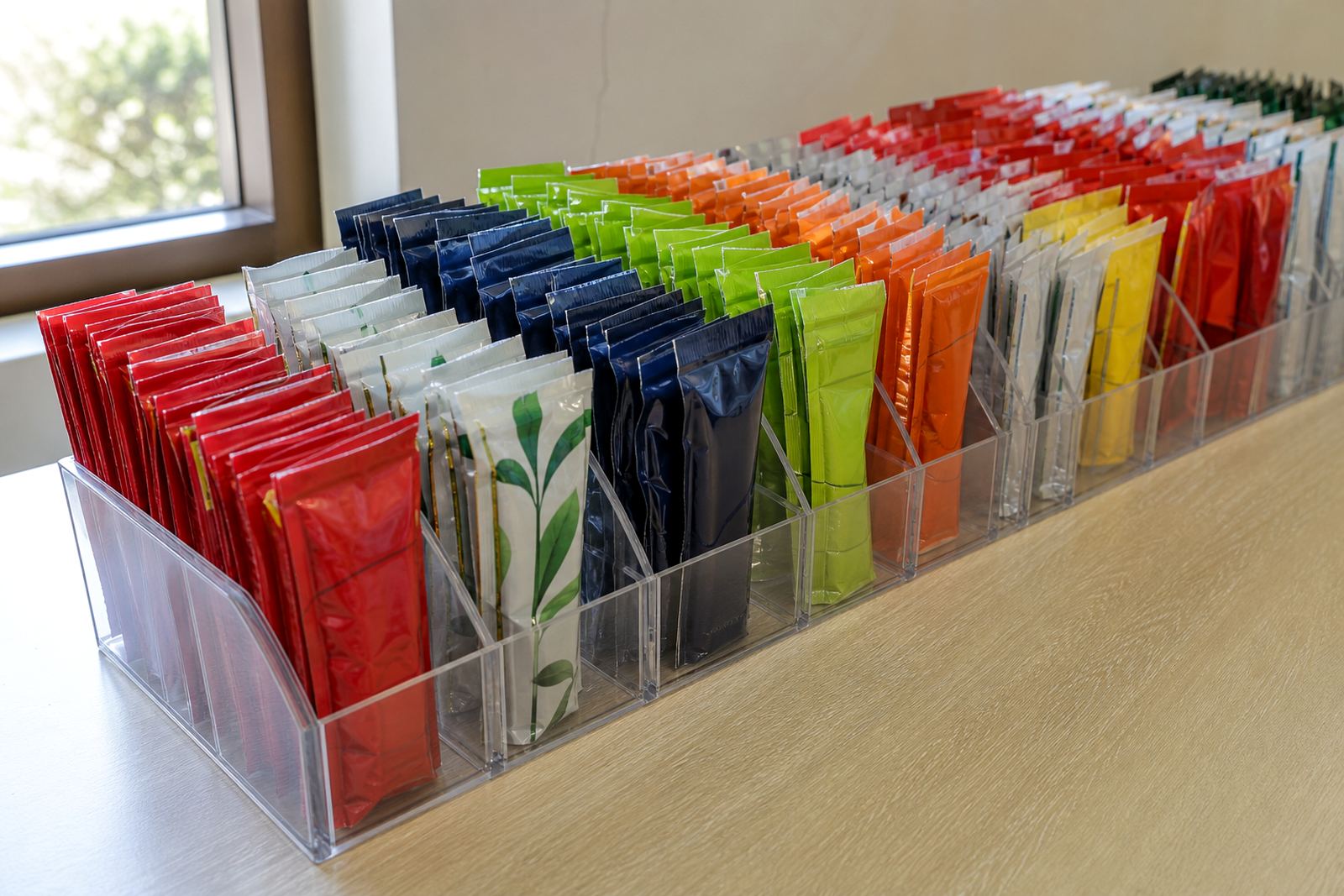
- Sachets: suited to sample packs, hospitality packs and smaller tea portions.
- Wraps: helpful for boxed tea, promo packs and grouped stock on shelves.
- Repeat runs: better when artwork is stable and the same size goes out often.
Material choice matters too. Tea can be sensitive to moisture and scent transfer, so the film structure and seal performance need to be considered during planning. Coastal humidity around Durban and Ballito can make this more important, especially when stock is held before dispatch.
Printing and pack setup that suit tea product lines
Flexo printing is well suited to flexible tea packaging because it handles repeat artwork, solid brand colours and practical production volumes. The process works best when artwork is prepared with the print method in mind, including line thickness, text size and colour separation. If the pack carries several flavours or product types, the layout should allow for simple version changes without disturbing the overall range identity.
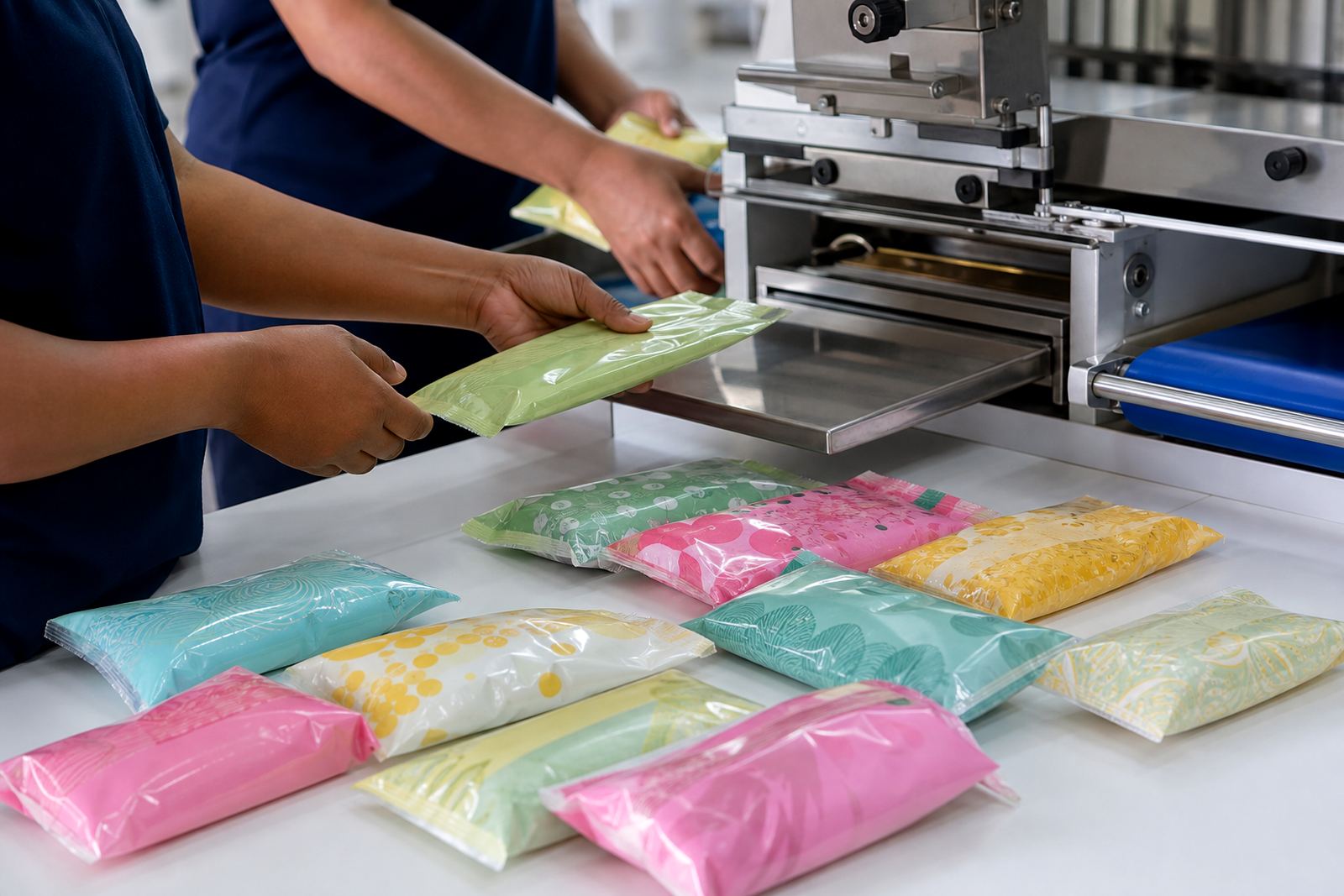
Our typical equipment set includes flexo printing, pouch converting, sachet production and wrap printing, plus artwork prep and print proofing. That combination helps when a tea brand needs one structure for retail packs and another for samples or hospitality units. It also supports production planning when stock must be moved into Johannesburg, Pretoria, Cape Town or Bloemfontein on a fixed timetable.
Packaging consultation is often where the biggest savings are found. A small change in panel layout, seal position or repeat length can make the pack easier to run and less wasteful on press, especially where load-shedding or tight dispatch windows affect turnaround. The aim is to keep production practical, not complicated.
Artwork and colour notes for tea branding
Tea packaging usually relies on clear product naming, flavour cues and calm visual hierarchy. That means the front panel should carry the brand name, tea type and key buying point without crowding the design. Small text must stay legible on flexible film, and background colours need enough contrast for easy reading on shelf. If there are multiple variants, the colours should be planned so the range is easy to sort at pack-out and in the warehouse.
- Keep flavour names and weights in a fixed position across the range.
- Leave enough space for seals, batch details and barcodes.
- Use consistent colour cues for each tea variant.
- Check the artwork at actual pack size, not only on screen.
Print proofing and colour matching are important for tea brands that want repeatable results. One run may be done in summer humidity and another in drier winter conditions, so it helps to keep the artwork spec stable and the approvals process clear. Jason in prepress will often flag problems early, before they become a production delay.
Common mistakes tea brands make when ordering packaging
Tea packaging errors often come from trying to fit too much information onto a small surface. Another common issue is choosing a pack size before checking the fill volume and seal behaviour. If the pouch or sachet is too tight, it can look cramped. If it is too large, the product may move around more than expected and the shelf presentation can suffer.
Some brands also forget to plan for repeat production. A one-off short run might look fine, but if the same pack must be reordered next month, the artwork files, colour references and size details must still be clear. The same applies to dispatch. Stock held in Pinetown for delivery to Durban, Pietermaritzburg or inland centres needs proper labelling and organised carton counts, otherwise the warehouse side becomes messy very quickly.
- Overcrowded labels that make the tea name hard to read.
- Pack sizes chosen without checking fill and seal space.
- Colour changes between runs that affect brand consistency.
- Weak dispatch planning for mixed deliveries across provinces.
Budget ranges for tea packaging in Rand
Budget depends on format, artwork complexity, run length and the level of finishing needed. As a general guide, short run tea packaging orders are often used for launches, seasonal blends or test markets, while repeat production is better for established ranges. Small sachet work may be the most economical entry point, while custom pouch production and wrap work usually need a higher setup allowance. If a brand needs several flavour variants, the total project can rise because each version must be managed carefully.
For planning purposes, many tea brands look at a starting budget in the low thousands of Rand for simple short runs, with larger repeat orders moving into a higher bracket depending on quantity and structure. It is better to compare the full job cost, including proofing, artwork preparation and dispatch coordination, rather than only the print price. That gives a more honest picture of what the packaging will cost in the real world.
Because our team in Pinetown handles production and logistics together, it is easier to plan delivery into Durban, Johannesburg, Pretoria, Cape Town or Bloemfontein without leaving the packaging side separate from the transport side. Priya, Thandiwe and Lerato often work through the practical details with clients so the order moves cleanly from brief to dispatch, not in bits and pieces.
How to brief your tea packaging project
A good brief saves time. Before placing an order, it helps to know the tea type, pack size, target market, flavour count and where the product will be sold. If you already have artwork, send the latest version and note any previous print issues such as colour drift, small text or barcode problems. If you are still deciding on the format, we can talk through pouch, sachet and wrap options and match them to the product.
Flexography Printing Co is based in Pinetown, KwaZulu-Natal and supports local brands that need practical tea packaging for retail and dispatch. Marius and Siyabonga keep the production side focused, while the team checks proofing, converting and logistics so the result is neat on shelf and manageable in store. If your tea line needs structure, order and clear branding, start with the pack format and build from there.
- Know the fill weight and the product type.
- Decide whether the pack is retail, sample or promotional.
- List the flavour variants and their colour cues.
- Confirm where the stock must be delivered.