
Bakery wraps that keep product neat on shelf and in transit
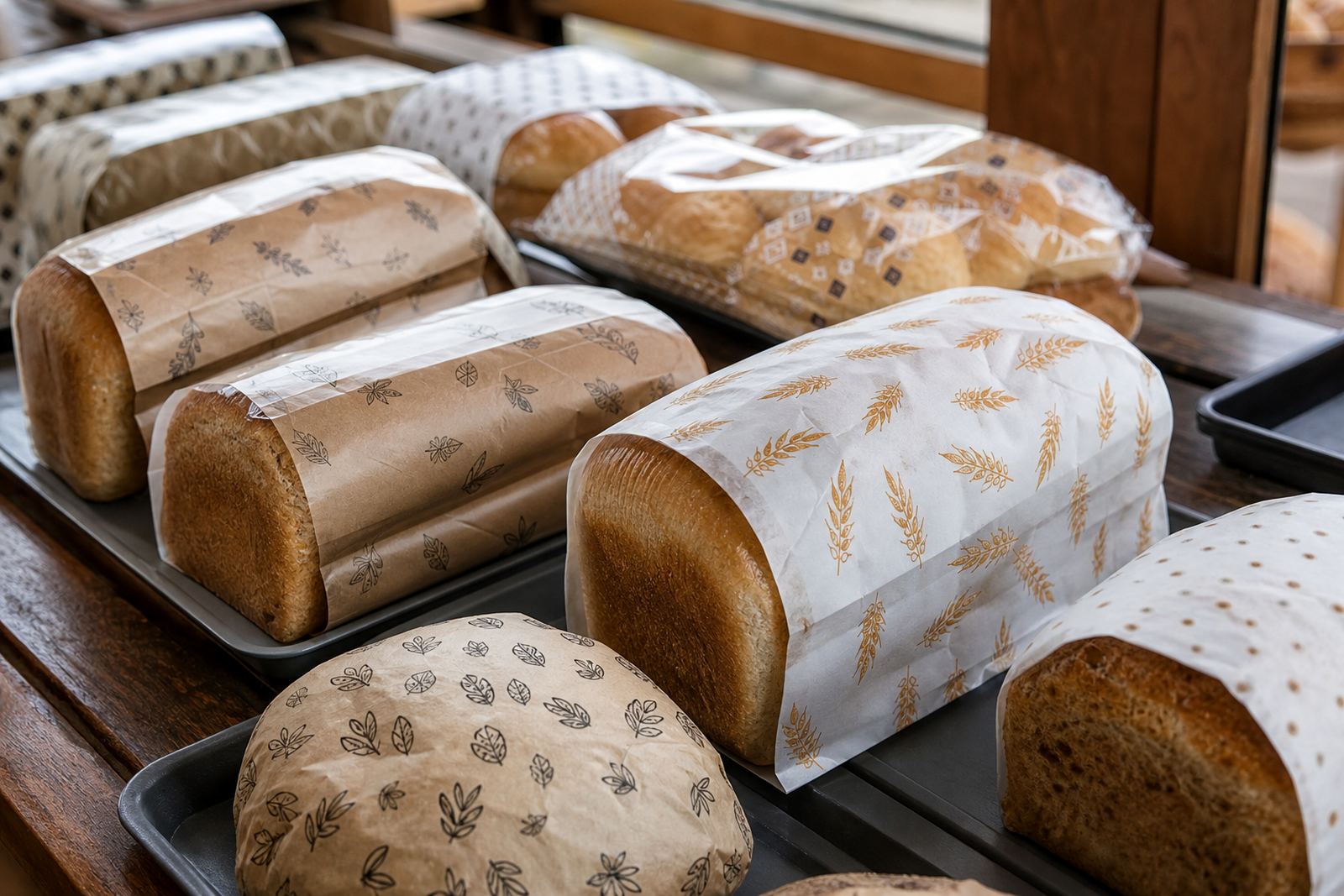
For bakeries, wraps have to do more than cover the product. They must keep slices, buns, rolls and other baked items tidy during packing, delivery and shelf display. A good wrap should open and close without tearing too easily, sit flat enough for clear branding, and still allow the product to look presentable through handling in store or in a delivery crate.
In practice, bakery wraps are often used for items that move quickly from oven to cooling, then into packing. That means the material choice, print layout and sealing method all matter. In hot kitchens and busy packing areas, staff need a format that does not slow them down. In coastal areas like Durban, humidity can also affect how the wrap behaves, so the structure and finish need proper planning from the start.
Typical wrap formats for baked goods
Bakery wraps are usually produced in flexible film formats that can be cut, folded or sealed according to the product. Some bakeries want individual wraps for single items, while others need larger outer wraps for packs of baked goods or tray-based presentation. The best choice depends on pack size, how often the product is opened, and how much print space is needed for product information or branding.
- Single-item wraps for rolls, rusks, slices and pastry portions
- Outer wraps for multi-pack bakery items
- Fold-over wrap styles for tray packed goods
- Printed film for on-machine packing lines
- Short-run wrap orders for seasonal or trial products
Where products are packed by hand, the layout should allow quick folding and sealing without awkward corners. For machine-fed lines, the film width, registration and roll direction need to match the equipment set up. We often see delays when a wrap is designed first and only later checked against the packing method, which can lead to waste and extra cost.
Planning the layout before artwork goes to print
Good bakery wrap planning starts with the pack size and the final look on shelf. The artwork should leave enough space for the brand mark, product name, ingredients, weight details and any customer notes that need to sit on the pack. If the print area is too busy, the product can look cluttered and the message gets lost. If the layout is too sparse, the pack may look unfinished.
We help clients check the usable print area, panel positions and repeat length before production begins. This matters when the same wrap needs to fit more than one product size. A plain rectangle on screen does not always reflect how the film folds around a loaf, a bun pack or a biscuit sleeve. It is better to plan the pack around the real shape than try force the pack to fit a generic layout.
- Check the exact pack dimensions before artwork is finalised
- Keep text away from seal zones and fold lines
- Allow for small movement in registration during printing
- Use clear contrast for bakery counters and bright retail lights
- Test the pack on the actual sealing method before repeat production
Common mistakes that cause waste, spoilage risk or slow packing
One common mistake is choosing a wrap that looks good but does not suit the bakery environment. If the film is too stiff, staff waste time fighting with it. If it is too thin, it can tear during packing or transport. Another problem is poor colour planning. Bakers often want a warm, inviting look, but weak contrast can make the branding hard to read once the pack is filled and moved under store lighting.
Another issue is underestimating the effect of heat and condensation. Fresh products can release moisture, and packed goods may be handled before fully cooling. If the wrap is not planned with that in mind, print can appear dull and the pack may lose its clean appearance. Machine settings also matter. Incorrect tension or seal timing can leave uneven edges, which is frustrating when the order should be quick and repeatable.
We also see buyers place all focus on the front panel and forget the back or side panels. Those areas can be useful for product details, batch references or simple handling notes. When the pack is already small, every part of the format must earn its place.
Equipment set up for flexible bakery wrap production
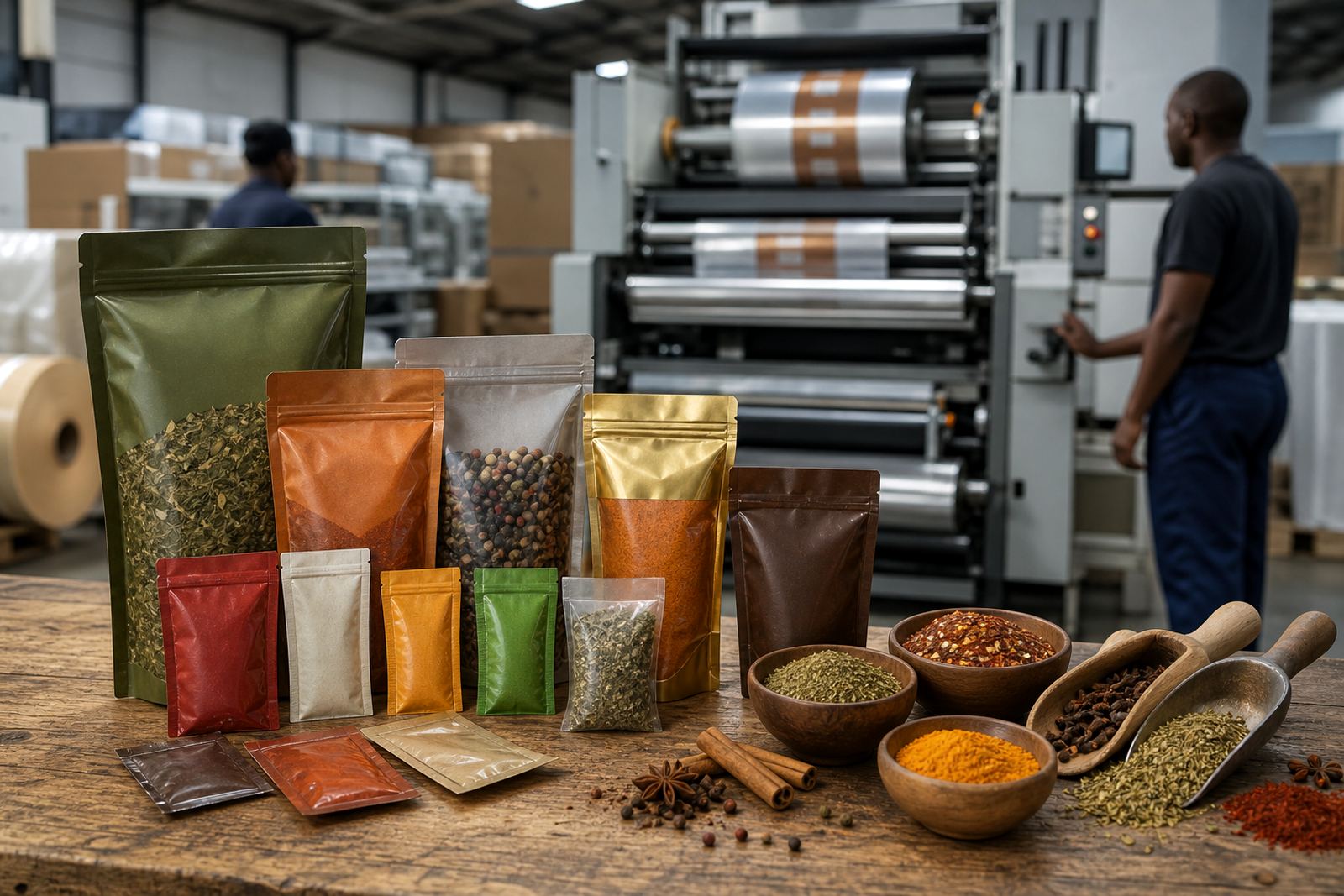
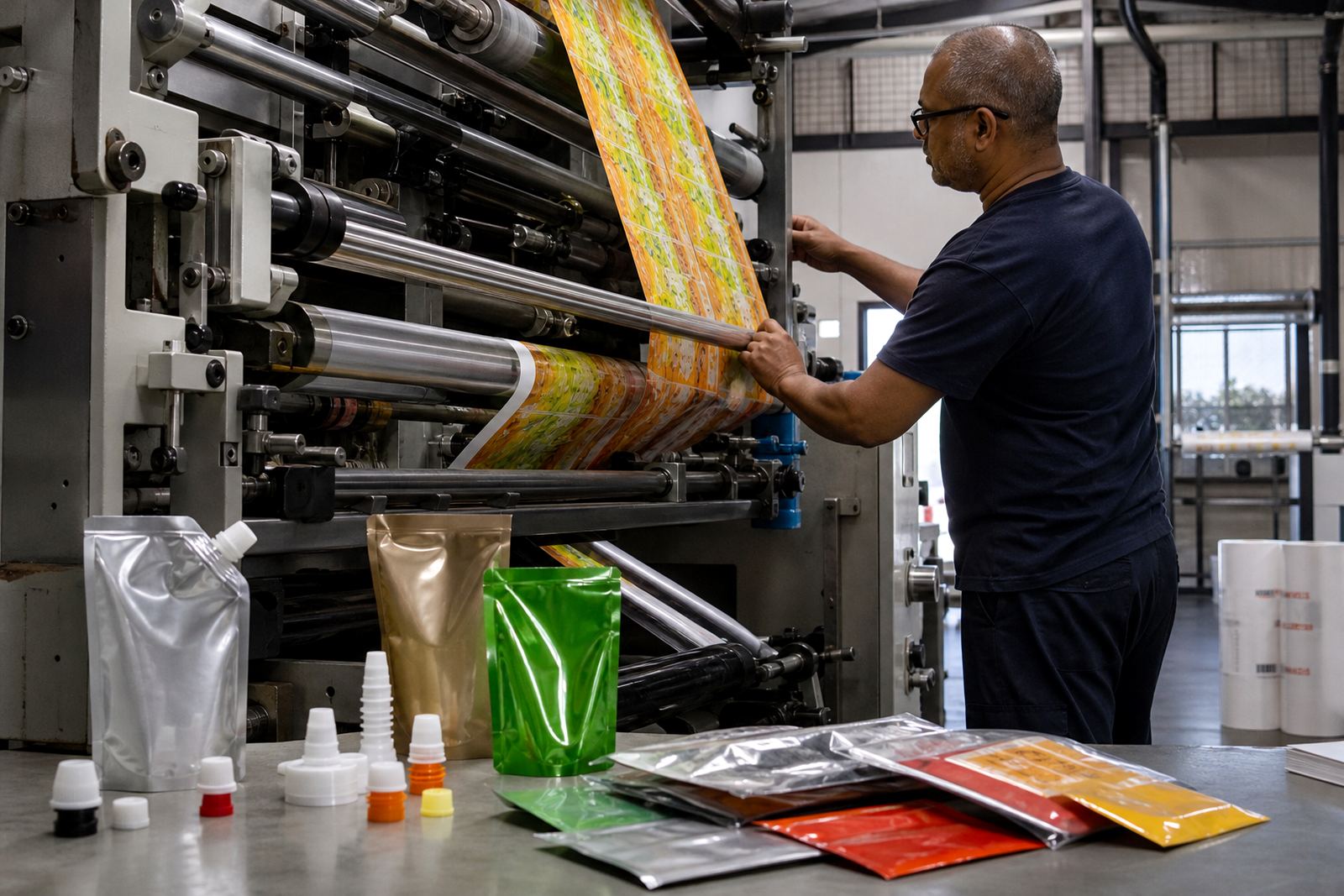
Bakery wrap production often uses a mix of flexo printing, roll converting and sealing preparation. The exact set up depends on whether the client packs by hand or with a line that feeds film automatically. For hand packing, the finished wrap format must be easy to handle, cut and close. For automated packing, the roll size, core size and print repeat need to match the line properly.
Our process covers print proofing, colour matching, material selection and dispatch coordination, so the wrap arrives ready for the packing environment. Where a bakery has multiple products, repeat production can be kept consistent across runs, which helps with shelf recognition and ordering planning. In Durban, Johannesburg and Cape Town, clients often need delivery timing coordinated with pack runs, especially when stock is moving fast or storage space is tight.
- Flexo printing for repeat brand detail and simple, clean colour blocks
- Pouch converting where a wrapped bakery item needs a sealed format
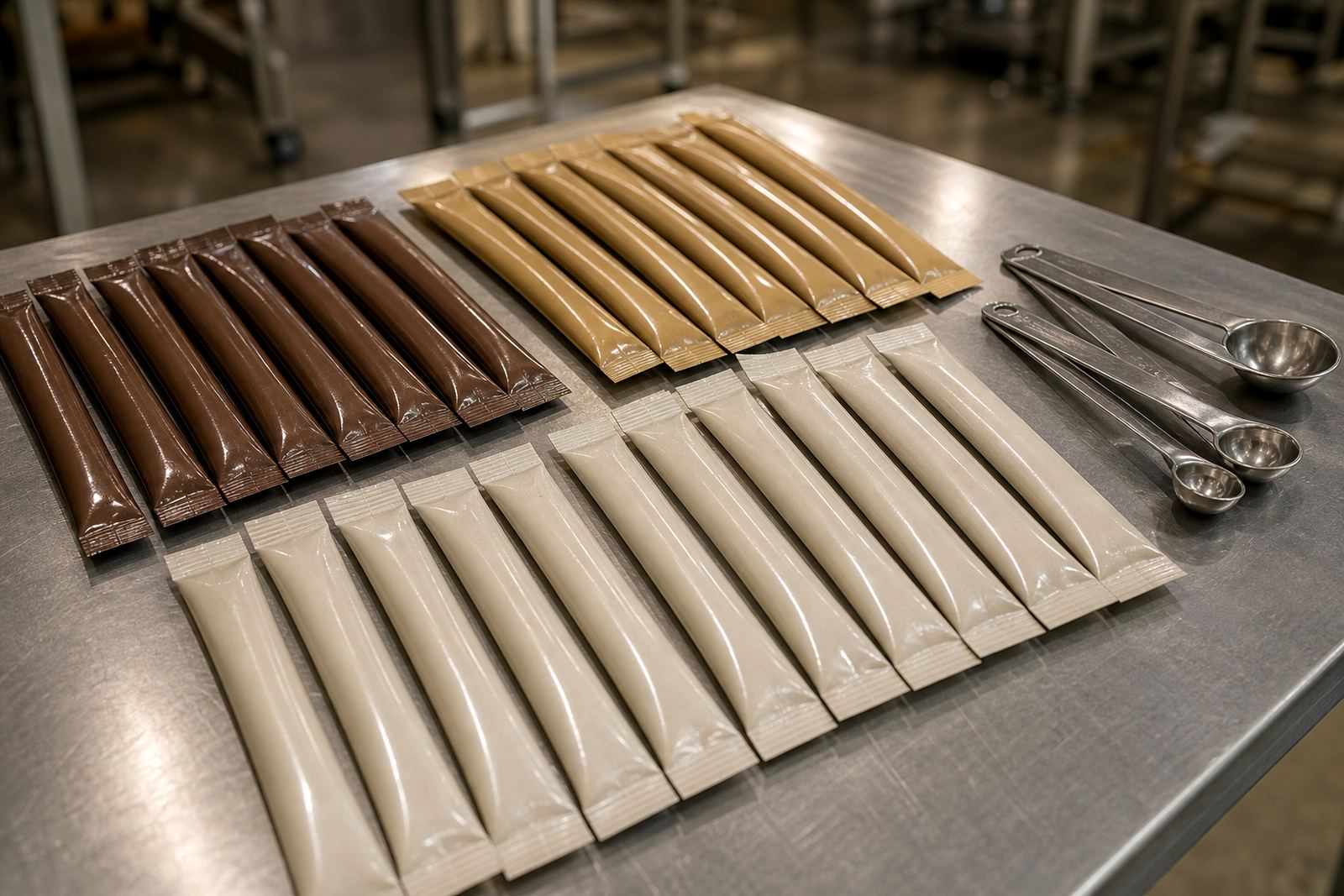
- Sachet production for smaller add-on items or portions
- Artwork prep and proofing before print run approval
- Short run orders for trial packs, seasonal ranges or new products
Budget ranges for bakery wraps and what affects the Rand cost
Bakery wrap pricing depends on format size, print colours, material choice, order volume and the amount of finishing needed. Short run orders usually carry a higher unit cost because setup time is spread over fewer packs. Larger repeat production runs can bring the unit cost down, but only if the pack spec is settled and the artwork does not need repeated changes.
As a rough guide, smaller short run bakery wrap jobs can start from about R3,500 to R8,000, depending on the pack size and setup. Mid-size production orders often sit between R8,000 and R25,000. Larger repeat orders or more complex wrap specifications can go beyond that, especially if there are multiple versions, special film requirements or detailed proofing stages. These are planning ranges only, and the final cost will depend on the exact pack size and production plan.
If you are comparing options, it helps to separate the cost of the printed wrap from the cost of wasted stock. A slightly better planned format may cost more upfront, but can reduce rejected packs and packing delays later. That is usually a better use of Rand in a bakery that needs steady output.
Working with a Pinetown team for delivery across South Africa
We are based in Pinetown, KwaZulu-Natal and work with local brands that need bakery wraps for use in Durban, Johannesburg, Pretoria, Cape Town, Bloemfontein and other centres. Our team includes Siyabonga Ndlovu in management, Priya Naicker in sales, Marius van Wyk in production, Thandiwe Mkhize in client service, Jason Petersen in prepress and Lerato Molefe in logistics. That makes it easier to keep the job moving from enquiry to delivery without confusion.
For bakery clients, the most useful first step is to share the pack size, product type, packing method and expected order volume. From there, we can advise on the format that suits the product best, whether it is a simple wrap for a single item or a more detailed branded pack for retail. Orders are handled through the enquiry form on our contact page, and we can assist with planning for delivery into Pinetown, Durban, Johannesburg, Pretoria, Cape Town, Bloemfontein, Pietermaritzburg and Ballito.
- Share the exact product dimensions and packing method
- Confirm whether the wrap is for hand packing or a machine line
- Decide if you need short run or repeat production
- Allow time for proofing and colour checking before the run
- Plan dispatch around your bakery schedule and storage space
When the pack is planned properly, bakery wraps do their job quietly and well. The product looks neat, the brand stays clear, and the packing line keeps moving.