
What a Three Side Seal Pack Is
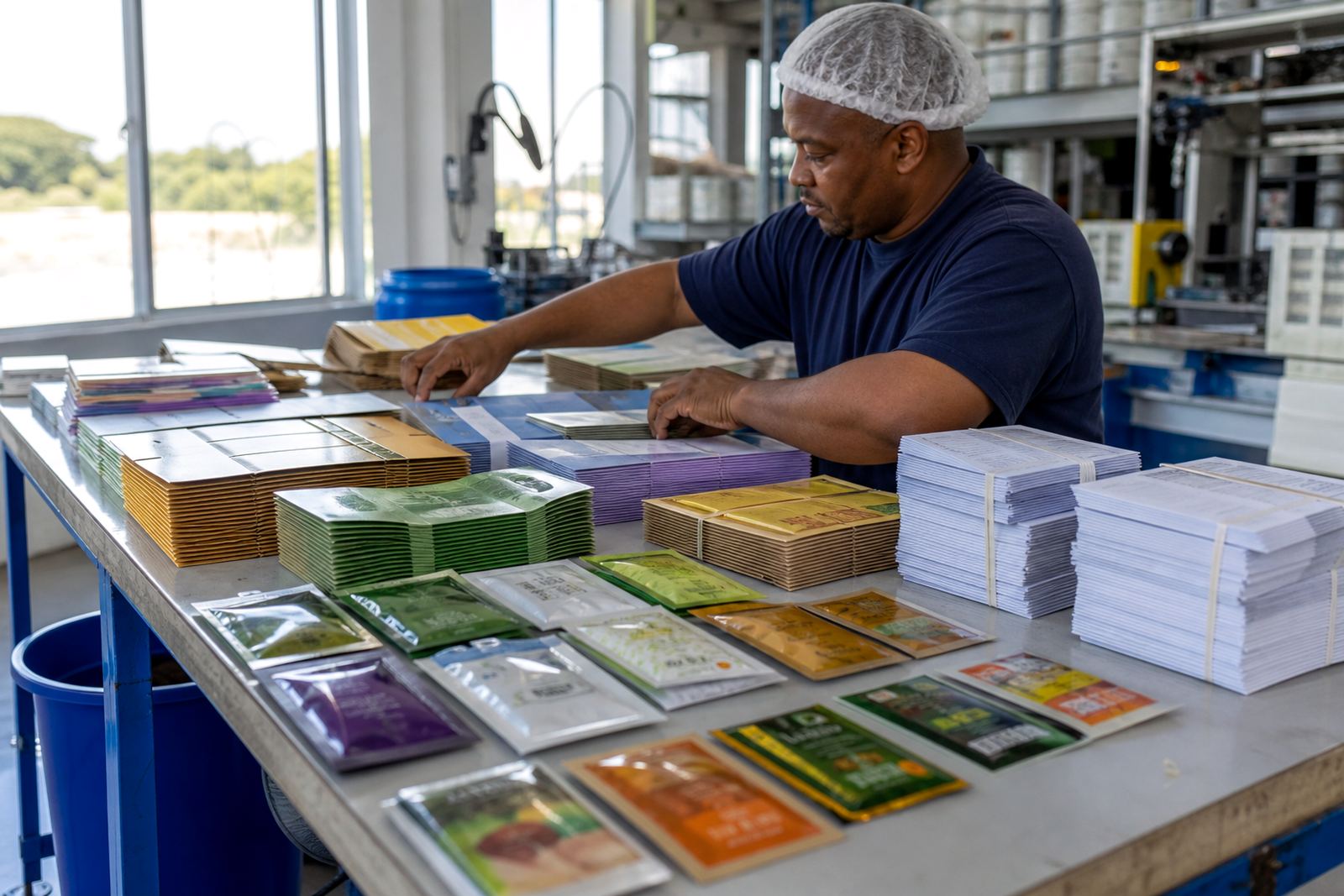
A three side seal pouch is made from flat web material sealed on three edges, leaving one side open for filling. The result is a tidy, rectangular pack with straight edges and a clean front face that takes flexo printed artwork well. It is commonly used for smaller pack counts, trial packs and products that need a simple format with good presentation.
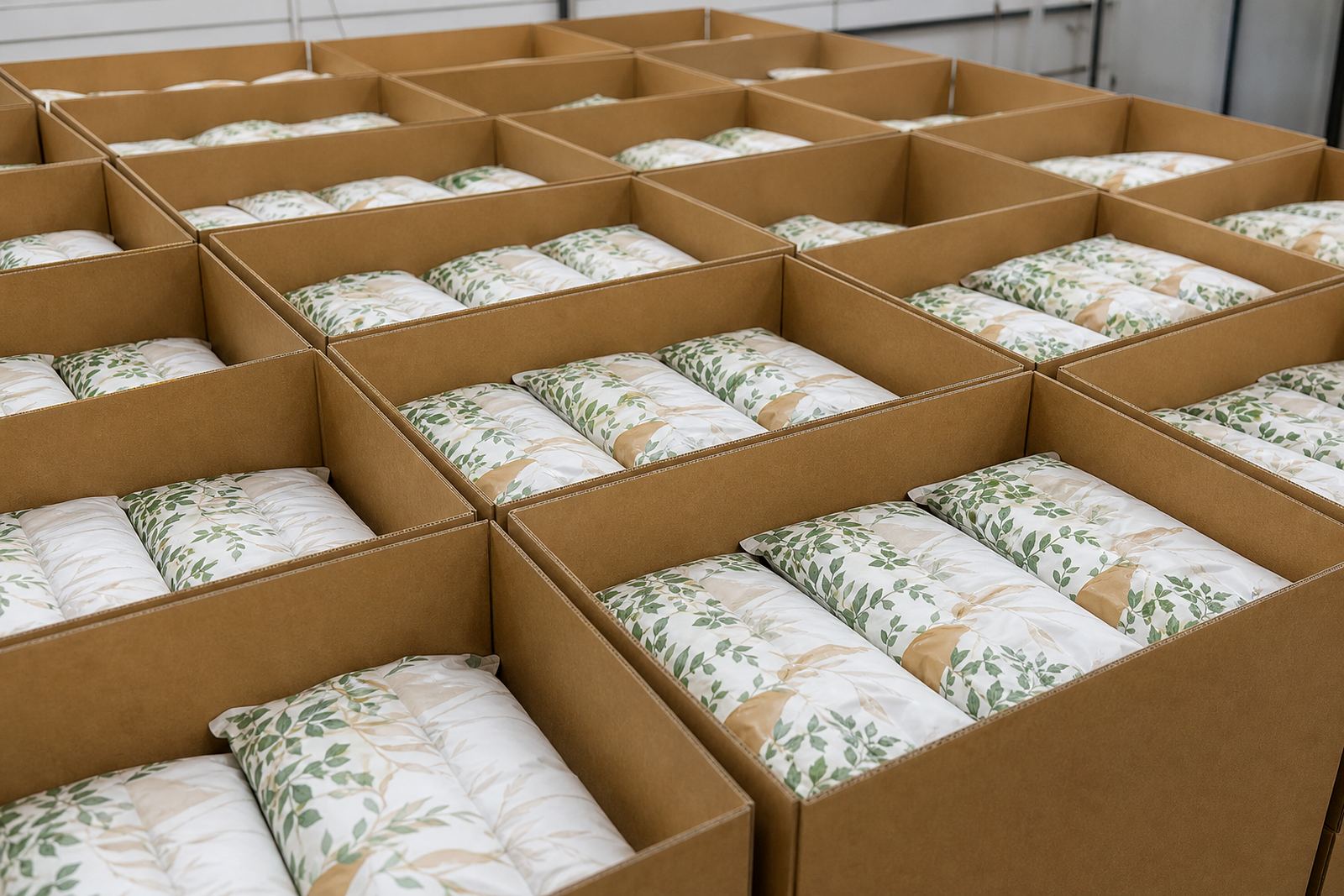
Because the pack lies flat before filling, it is practical for cartoning, bundling and palletising. It can be produced in a range of laminate or film structures depending on the product, the filling method and how much barrier is needed against moisture, odour or dust. In coastal areas like Durban and Ballito, packaging choice should also take humidity into account so the material keeps its form after packing.
Typical Sizes, Finishes and Print Choices
Three side seal pouches can be made in many widths and lengths, from small sample sizes up to larger retail packs. The final size depends on fill weight, product bulk and the look you want on shelf. Common options include tear notches, euro slots, hanging holes and transparent panels for product visibility. If the pack will be opened and closed by the end user, the sealing format can be adjusted to suit your fill line and handling needs.
- Small sample sachet style packs for single use product trials
- Compact retail pouches for dry goods, powders and granules
- Flat packs for wraps, wipes or promotional inserts
- Matte or gloss finish depending on brand presentation
- Clear, tinted or fully printed film structures
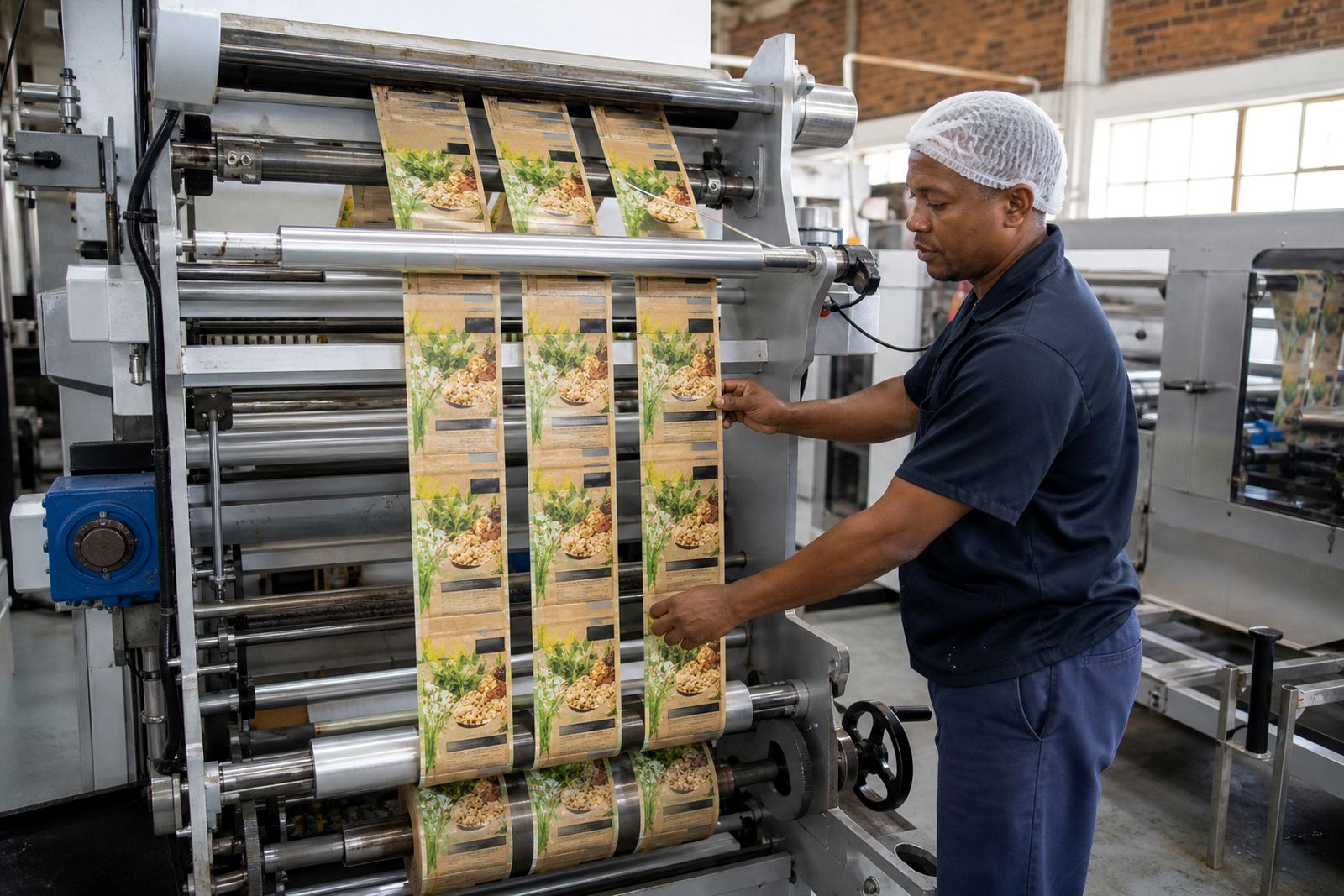
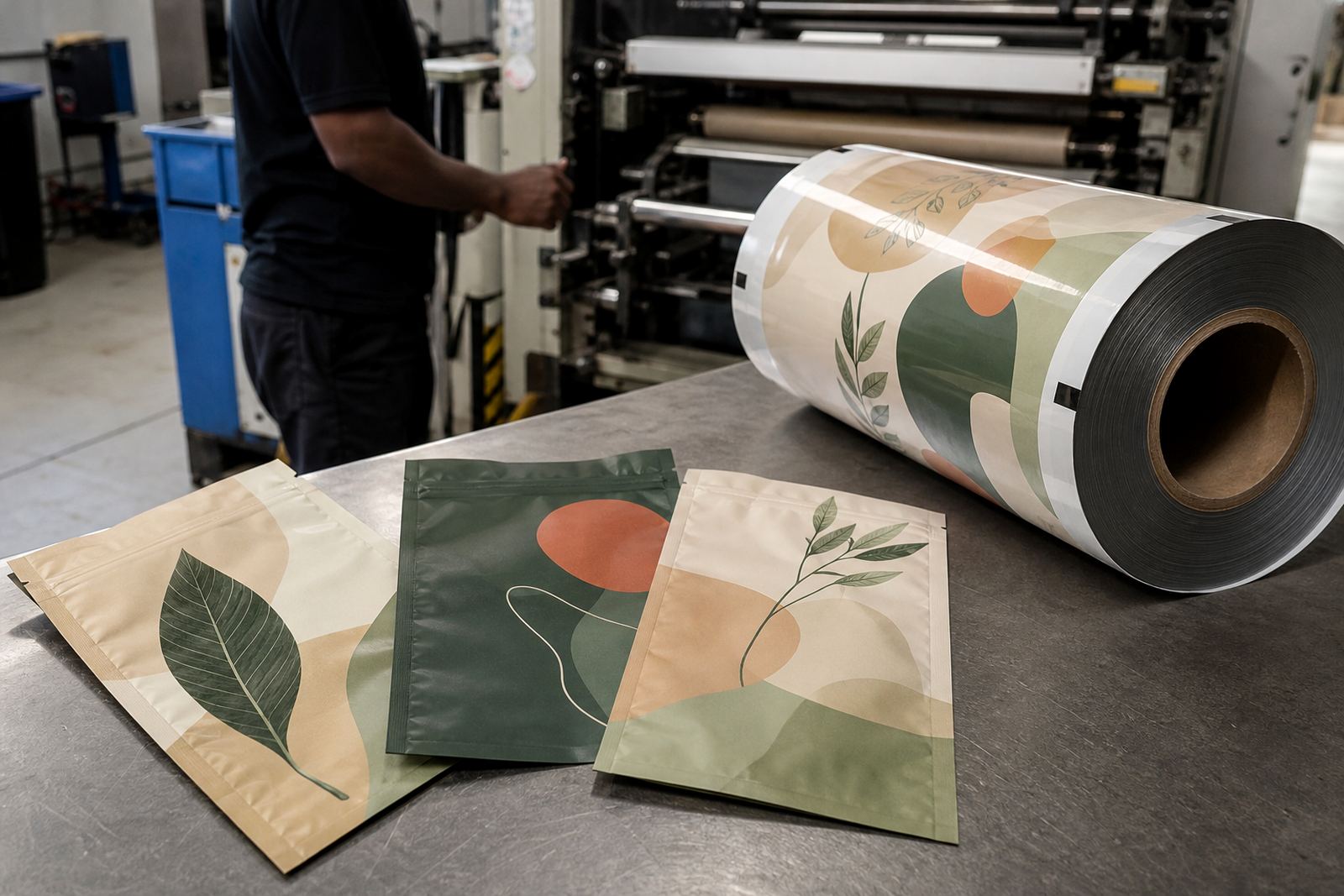
Flexo printing works well for repeat artwork and solid colour areas, with careful colour matching during setup. For local brands with multiple SKUs, we can keep the same base layout and change only the size, panel copy or artwork version where needed.
Where Three Side Seal Pouches Work Best
This format suits products that need a neat, compact pack rather than a stand-up shape. It is often chosen for retail samples, low-volume lines, convenience packs and items that are packed in trays or cartons after filling. Many businesses use it for promotions, first runs and repeat orders where the pack must look consistent every time.
It can work well for dry products, sachet style applications and wrapped items that need protection during transport. If your product is sold through stores in Johannesburg, Pretoria or Bloemfontein, the flat format is easy to stack and dispatch. For Durban and Cape Town deliveries, the same structure can be specified with better moisture resistance if the product is sensitive to air or damp conditions.
- Trial packs and starter packs
- Single-serve food or non-food items
- Cosmetic samples and personal care packs
- Promotional inserts and event packs
- Short run retail packaging
Filling Line Setup, Power and Site Requirements
Three side seal pouches are usually filled on horizontal or vertical packing lines depending on the product and plant layout. The pouch format itself does not need a large footprint but the sealing and filling equipment must be matched to the film structure and pouch dimensions. If you are changing over from another pack style, it is important to check jaw size, feed timing and seal temperature before full production starts.
For installation planning, allow enough space for reel loading, film tracking, filling, date coding and finished pack collection. Most packaging lines need stable power and a clean, dry area, with air supply where the machine uses pneumatic controls. Load-shedding planning matters in South Africa, so backup power or a production schedule that can absorb interruptions is often worth considering. If heat sealing is involved, consistent electricity helps avoid uneven seals and wastage, which can become costly during a long run.
- Check available floor space and machine access for reels and maintenance
- Confirm electrical supply and any backup power arrangements
- Allow for compressed air if the packing line needs it
- Keep the fill area free from dust, moisture and loose offcuts
- Plan for product handling so packs are not crushed after sealing
Care, Storage and Servicing
Pack material should be stored flat, off the floor and away from direct sun or wet walls. In KwaZulu-Natal humidity can affect film handling, so it helps to keep cartons sealed until the material is needed. If packs are stored near loading bays or cold rooms, let the material settle in the packing area before use so the seals stay consistent.
Routine servicing of the filling and sealing equipment should include temperature checks, seal inspection, roller cleaning and a look at wear on guides and jaws. When seals start showing wrinkles, weak corners or light leakage, the issue is often in the machine setup rather than the film alone. A quick check can save a full day of rejects. Keep artwork and print references on hand for repeat runs so colour and copy stay consistent from order to order.
What To Check Before You Order
Before placing an order, confirm the fill weight, target pack size, product shape and how the pouch will be packed after filling. It also helps to know whether you need a matte look, gloss finish or a clear section for product visibility. If your product includes sharp edges or heavy granules, the film structure may need extra puncture resistance. For food, personal care or household items, the type of barrier needed should be discussed early so the pack suits the contents and your shelf conditions.
We also recommend checking artwork layout, seal margins and how much room is needed for batch coding. If you are running short run orders or repeat production, keep approved artwork and measurements together so reordering stays simple. Our team in Pinetown handles artwork prep, colour matching, print proofing and dispatch coordination for deliveries across Durban, Johannesburg, Pretoria, Cape Town and Bloemfontein, plus Pietermaritzburg and Ballito. That keeps the process practical from first enquiry to delivery.
- Fill weight and product density
- Finished pouch size and seal width
- Required barrier or material type
- Artwork position, colours and code space
- Delivery town and expected turnaround window
Key facts
| Format | Three side seal pouch |
|---|---|
| Print method | Flexo printed on flexible packaging film |
| Common use | Samples, compact retail packs and short run product packs |
| Size range | Made to order according to fill weight and pack dimensions |
| Finish options | Gloss, matte, clear sections, tear notches and hanging holes |
| Base | Pinetown, KwaZulu-Natal with delivery across South Africa |