
What Pillow Wraps Are Used For
Pillow wraps are a flexible packaging format made to hold one item in a compact, easy-to-store pack. The shape is commonly used for single biscuits, confectionery, snacks, seasoning portions, small personal care items, hardware pieces and other light products that need a neat retail presentation. The pack gets its name from the rounded ends and centre body that form when the wrap is sealed around the product.
For local brands, this format works well when you need a plain but tidy pack that can be printed with product details, batch space, barcodes or branding. It is also useful for products sold in trays, cartons or display boxes where the wrap has to look consistent across every unit. In humid coastal areas like Durban and Ballito, the right film choice and sealing setup matter, because the pack still needs to hold its shape and protect the contents during storage and transport.
- Suitable for single-serve and single-item packs
- Works for retail shelves, outer cartons and bulk handling
- Can be printed for product identification and brand presentation
- Useful where pack size must stay light and compact
Size Ranges, Film Choices and Finish Options
Pillow wraps can be produced in a range of widths and repeat lengths, depending on the product diameter, weight and seal allowance. The finished pack must leave enough room for sealing on both ends and a clean centre seam. Typical options include narrow wraps for small confectionery pieces and wider formats for larger snack bars, dry goods or compact non-food items. The exact size is usually confirmed after a sample or product measurement, because even a few millimetres can affect the seal and final appearance.
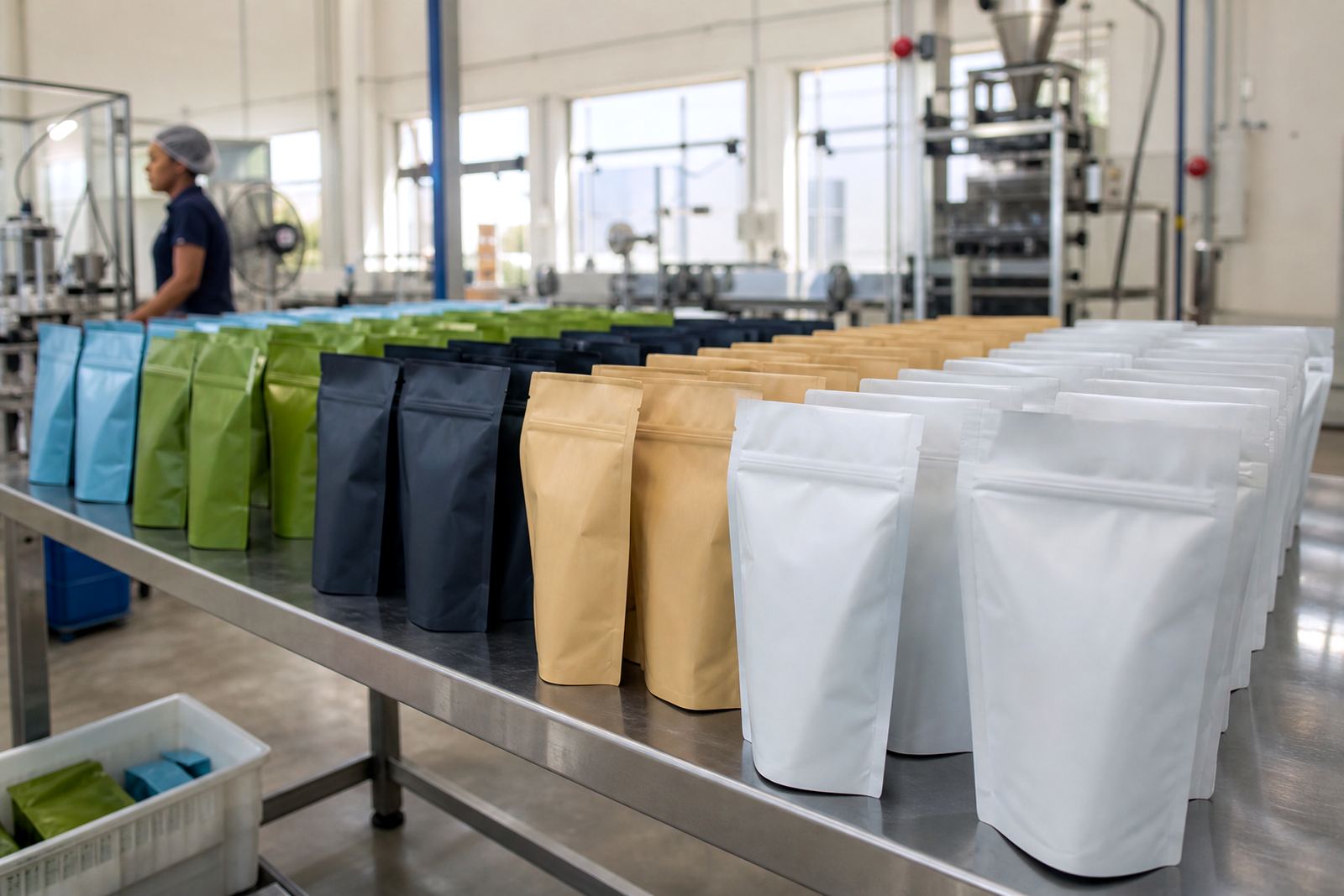
Film selection depends on the product and the handling conditions. Common options include printed laminate structures and other flexible films that can be run on standard packaging equipment. Finish choices usually include gloss for a brighter shelf look or matt for a softer appearance. Where the product is sensitive to moisture, dust or rough handling, the structure should be selected with the right barrier and seal behaviour in mind.
- Width and repeat size set to suit the product
- Centre seam and end seals planned around machine settings
- Gloss or matt finish available depending on the look required
- Film structure matched to handling, shelf life and transport conditions
Where Pillow Wraps Suit South African Products
This format suits brands that need a straightforward single-product pack for retail, wholesale or promotional use. It is often used for products that move through supermarkets, independents, forecourts, hospitality supply chains and distribution centres. In places like Johannesburg and Pretoria, where stock is often moved in larger volumes, the pack must stack well and stay readable after handling. In Cape Town and Bloemfontein, the same pack may need to travel further, so the print and seals should be made for the route as well as the shelf.
Pillow wraps are also a good fit when a brand wants a simple printed format without extra folds or complicated pack shapes. They can be adapted for seasonal items, repeat production runs and short run orders where the pack size may change from one product to the next. For businesses based in Pinetown and around KwaZulu-Natal, the format is practical because it runs efficiently and can be scheduled around local dispatch timelines.
- Retail shelves and convenience packs
- Promotional items and seasonal ranges
- Products packed for wholesale distribution
- Short run and repeat orders for local brands
Printing, Artwork Prep and Colour Control
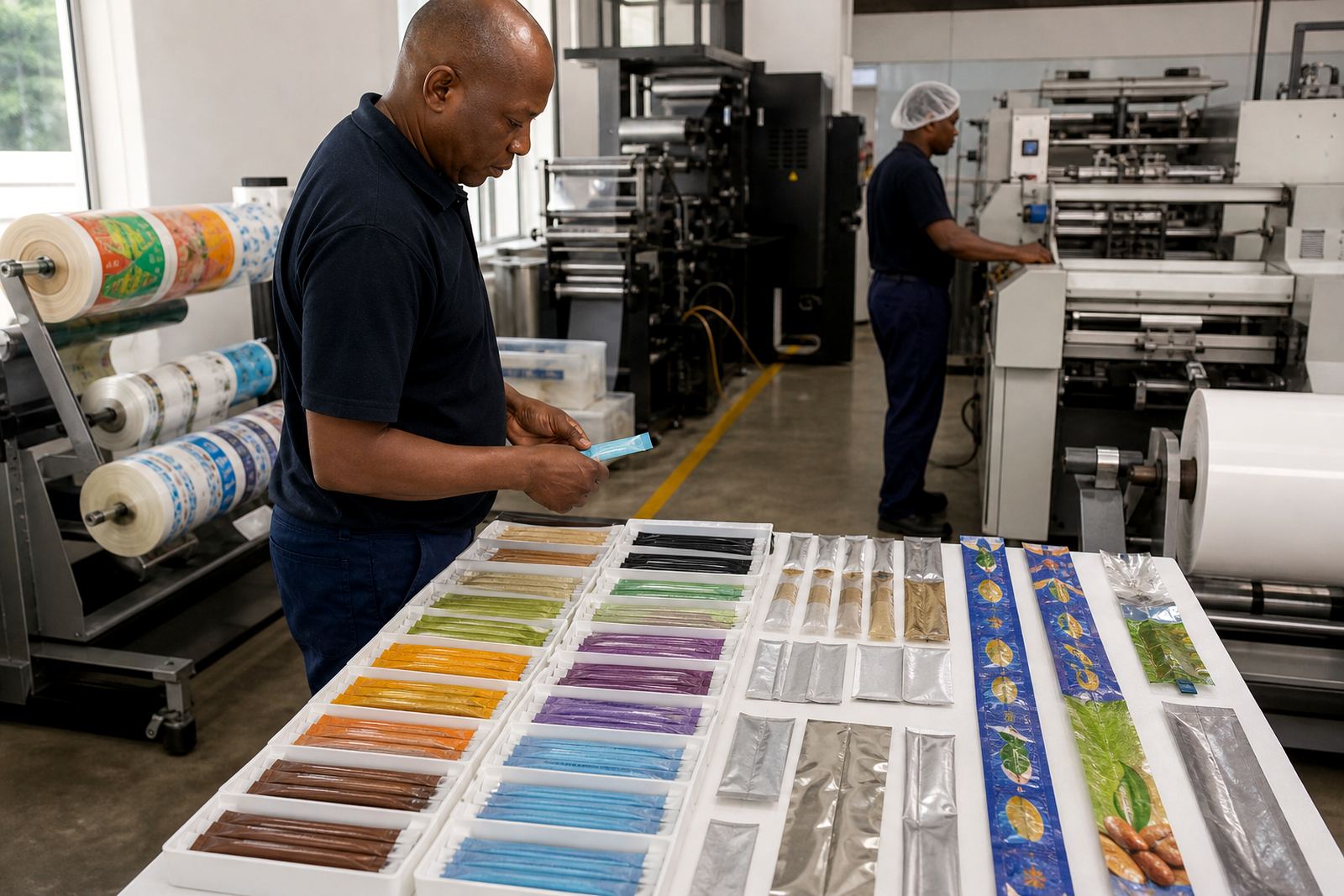
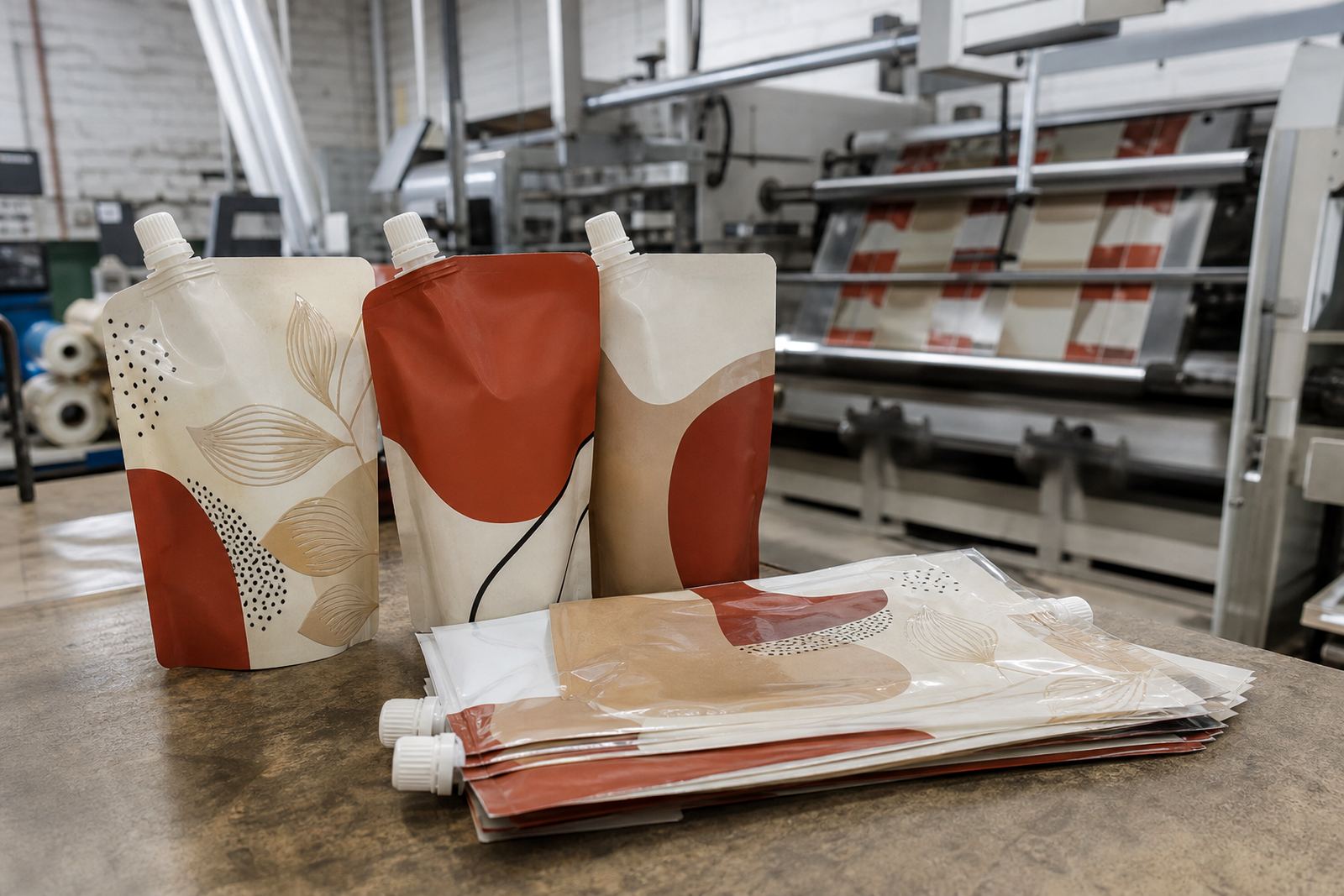
Flexo printing is a good match for pillow wraps when the artwork needs to run cleanly at production speed. The print setup is prepared from supplied artwork, then adjusted for registration, line weight and colour consistency before production starts. If the pack carries text, ingredients, storage notes or handling marks, the layout needs to stay clear after folding and sealing. That is where artwork prep and print proofing matter most.
Colour matching is done against the agreed reference so the pack stays consistent across repeat production. This is important for brands that re-order often, since even a small shift in colour can affect the look on shelf. We also check how the design will sit across the seal areas, since logos, panel blocks and fine text should not be cut off by the end seals. If the product line changes later, the artwork may need a new repeat or a small set-up adjustment.
- Artwork checked for print readiness before production
- Colour matched against the approved reference
- Text, logos and codes positioned away from seal areas
- Repeat orders kept consistent across later runs
Installation, Equipment and Power Needs
Pillow wraps are usually filled and sealed on compatible packing equipment that can handle the film width and repeat length. The production line must be set up to manage film feed, registration and the end seal pattern correctly. Some lines use heat sealing, while others may require different sealing settings depending on the film structure and product type. If the product is being run on older machinery, it is worth checking the sealing temperature range and film thickness before ordering.
Power needs depend on the packing line, not the printed wrap itself. In South Africa, that matters because load shedding and voltage dips can interrupt timing on a production floor. If a site uses backup power or a generator, the sealing and feed settings should be tested under those conditions so the pack still closes properly. Gas use is not normally needed for the wrap itself, but any heat or sealing system on the line should be checked for safe operation and stable output. Poor sealing, uneven tension or misaligned guides can cause waste very quickly, so it pays to test the first run properly.
- Compatible with standard packaging lines that handle flexible film
- Seal settings should be checked before full production
- Backup power may affect line speed and heat stability
- Trial runs help confirm feeding, cutting and sealing
Care, Storage and Servicing Between Runs
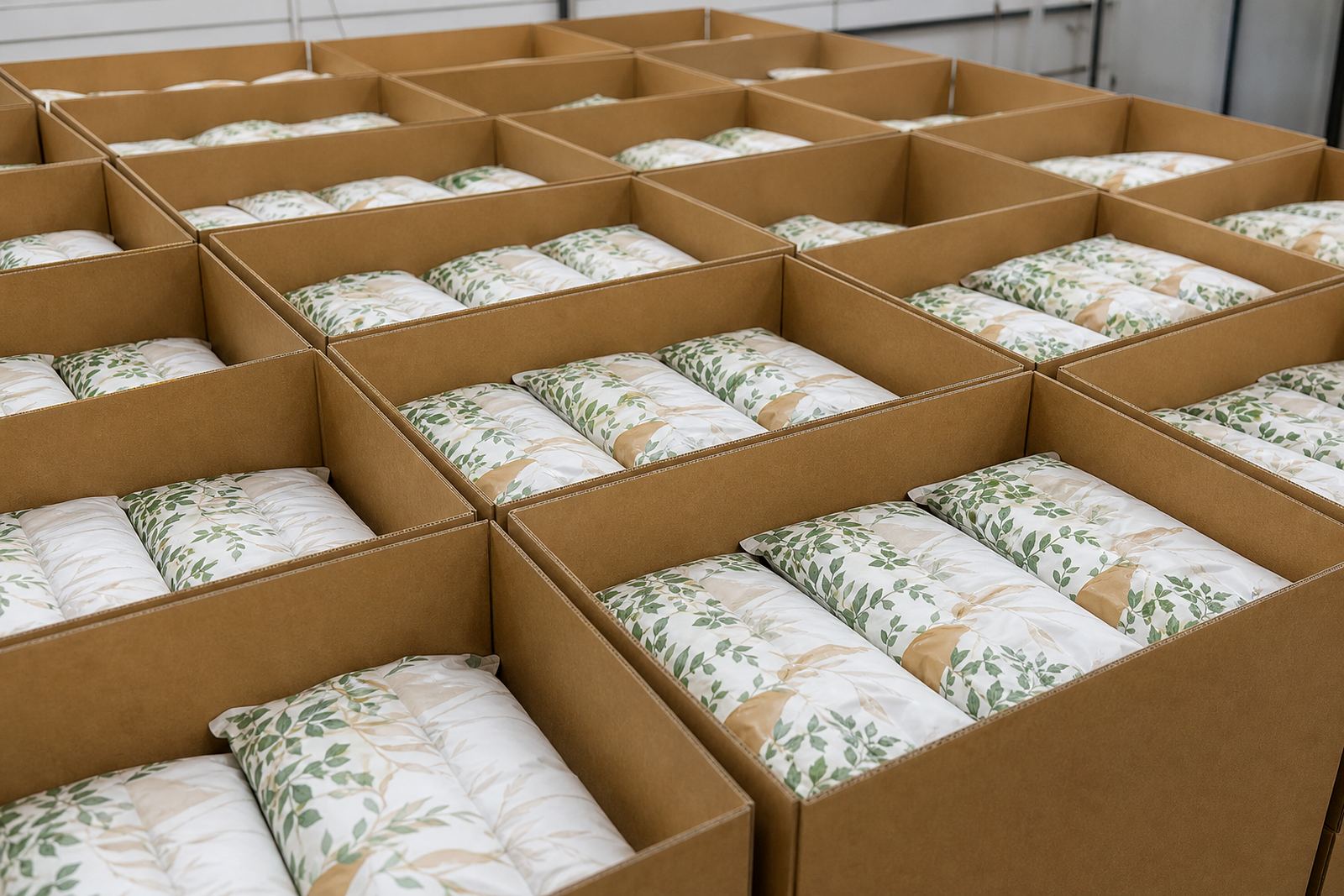
Printed pillow wraps should be stored flat, away from direct sun, damp floors and sharp edges. In coastal areas, humidity can affect how film behaves in storage, so cartons should stay closed until the line is ready. Finished packs should also be handled carefully during dispatch, because crushing or rubbing can weaken the seals or scuff the print. If the product is stored for a long period before use, it is best to keep batches in a dry area with stable temperatures.
For repeat production, the packing line should be cleaned and checked before the next run begins. Sealing bars, rollers and guides need routine attention so the film tracks properly and the seam stays straight. If a pack starts showing wrinkling, poor seals or print offset, the fault is often in the machine setup rather than the artwork itself. Regular checks save material and reduce the chances of rework.
- Store cartons flat in a dry area
- Keep wraps clear of sun, damp and dust
- Check rollers, guides and sealing bars before each run
- Watch for wrinkling, seal weakness and print shift
What To Check Before You Order
Before placing an order, it helps to confirm the product size, target pack weight and the type of filling line being used. You should also know whether the pack needs a matt or gloss finish, what information must appear on the artwork and whether the order is for a short run or a repeat production schedule. If the product moves into different towns such as Durban, Johannesburg or Cape Town, the transport route and storage conditions should also be considered, because heat and rough handling can affect the final result.
We also recommend checking whether your product requires a barcode area, batch coding space or an unprinted panel for date marking. If you are using a new pack format, a sample should be checked on the actual line before full production starts. That keeps surprises down and makes sure the wrap sits properly around the product. For enquiries, clients can use the contact page form and the team in Pinetown will help confirm the details.
- Product dimensions and pack weight
- Filling method and sealing equipment
- Print content, barcode and batch code space
- Finish, film structure and order quantity
Key facts
| Product format | Flexo printed pillow wraps for single products |
|---|---|
| Typical use | Retail, wholesale and promotional single-item packs |
| Size options | Custom widths and repeat lengths to suit the product |
| Finish options | Gloss or matt, subject to artwork and film choice |
| Production base | Pinetown, KwaZulu-Natal |
| Delivery areas | Durban, Johannesburg, Pretoria, Cape Town, Bloemfontein and more |