
Flat Pouches for Compact, Clean Packaging
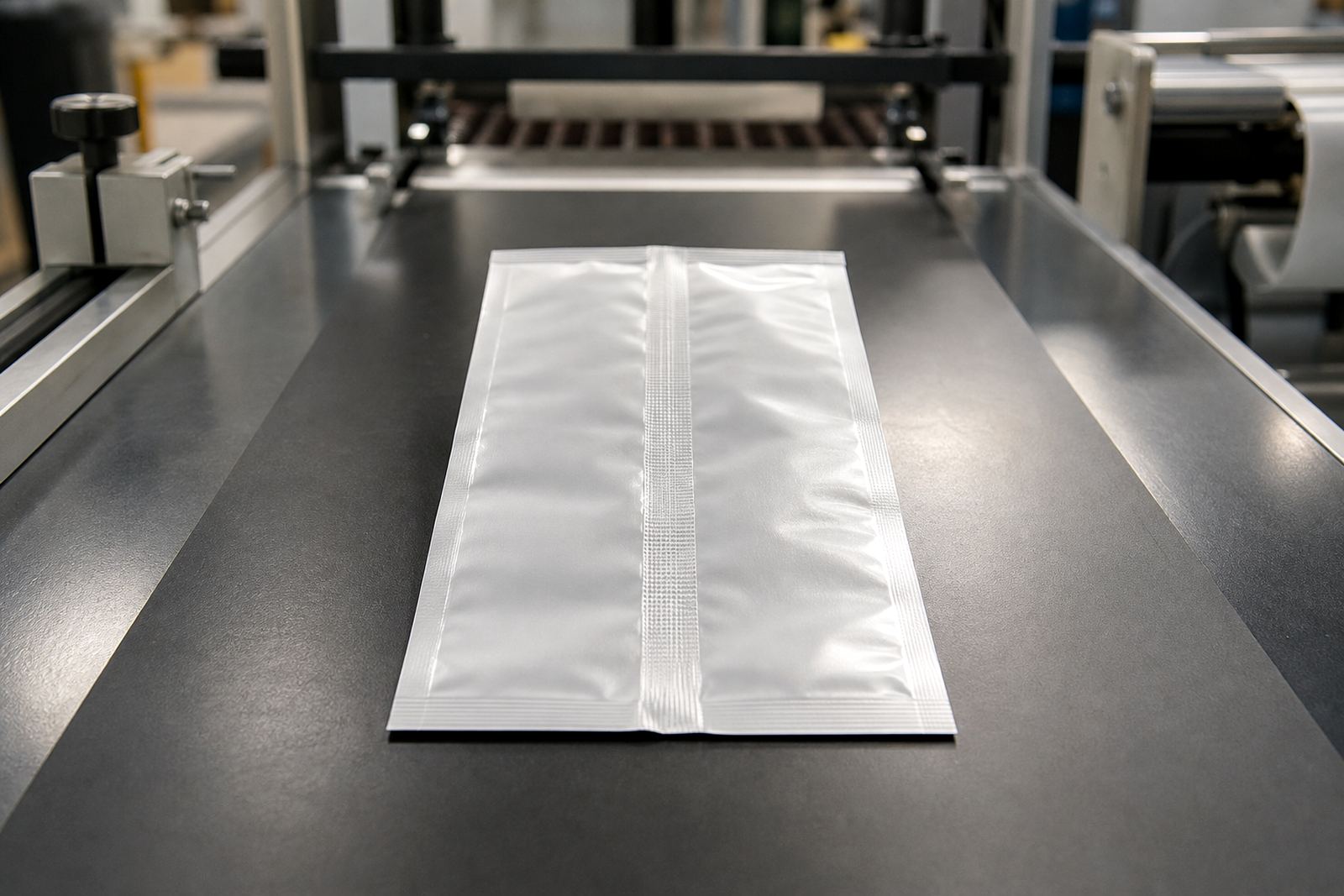
Flat pouches are a simple flexible packaging format made from laminated film and sealed on three or four sides. They are used for products that need a neat pack shape, a controlled fill size, and tidy stacking in cartons or on shelf. For brands in Durban, Johannesburg, Pretoria, Cape Town and Bloemfontein, flat pouches are often chosen when the product needs to move well through packing lines and store easily in transit. They also help keep the pack footprint small, which matters when storage space is tight.
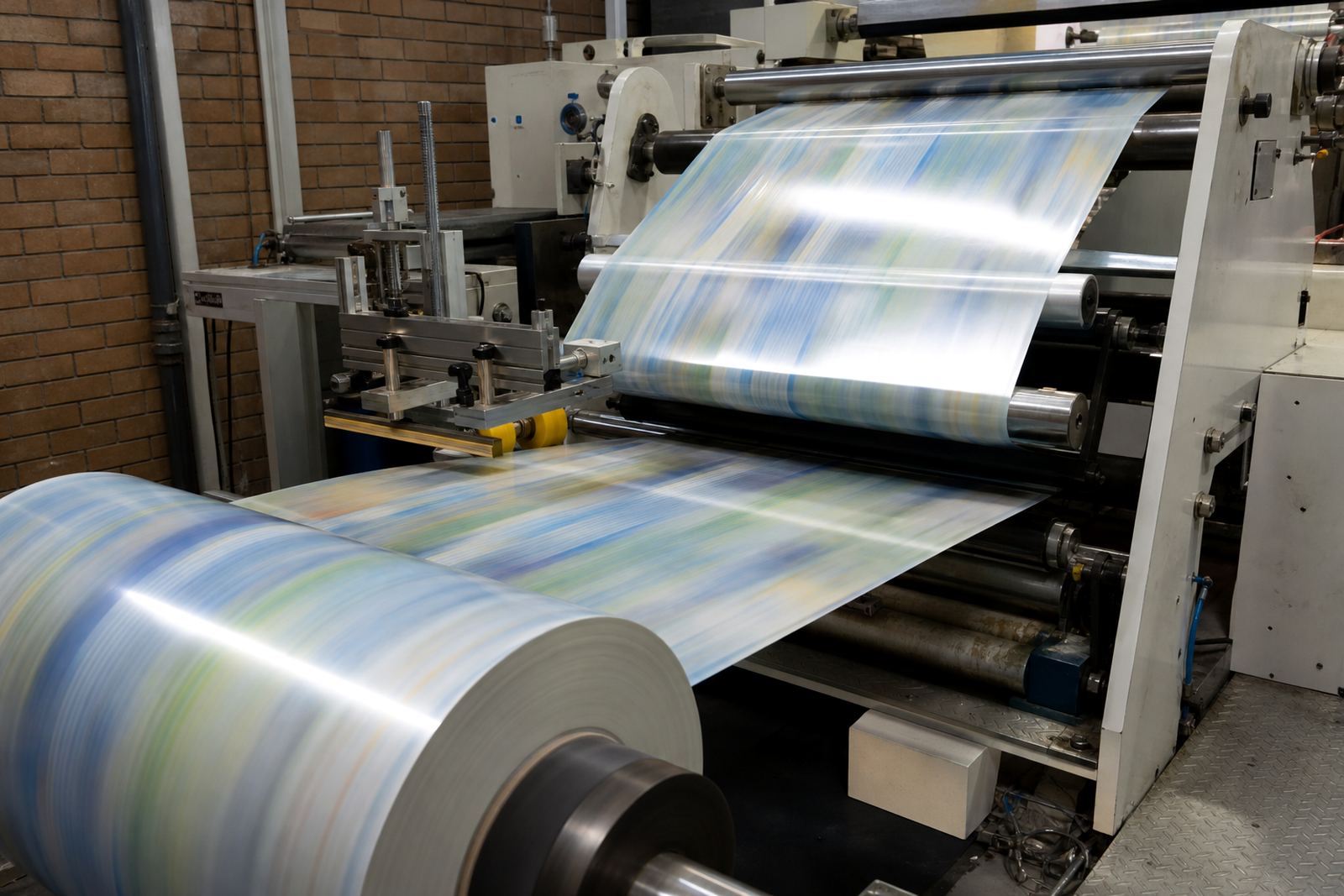
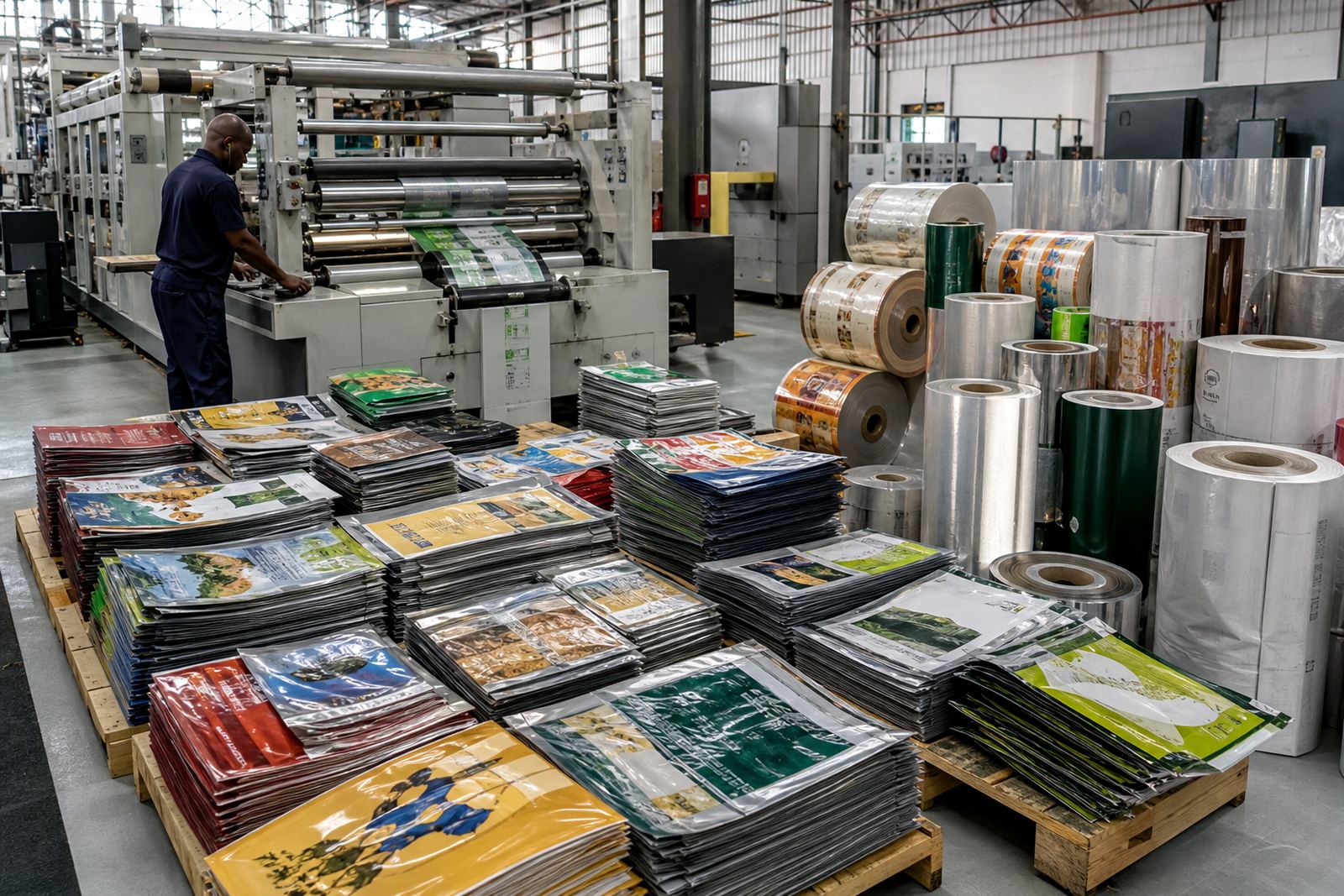
Flexographic printing allows artwork, product details and batch information to be printed directly onto the pack structure. That gives a cleaner finish than loose labels in many cases, and it supports repeat orders when the same size and layout are needed again. For many local suppliers, the appeal is practical: predictable pack size, easy cartonising, and a format that works for a wide range of dry or non-fragile contents. It is a straight forward option, but it still needs careful setup so the seals, print area and fill allowance all work together.
Sizes, Materials and Finishing Options
Flat pouches can be made in a range of widths and lengths depending on the fill weight and product shape. A narrow pouch may suit small samples or lightweight items, while a wider pouch gives more room for volume, product movement and clear artwork. Common options include tear notches, euro slots, heat seals, resealable closures where required, and transparent windows if product visibility is important. The exact build depends on the material and the way the pouch will be filled.
- Widths and lengths matched to the product fill volume
- Single-use or resealable closure options
- Matte or gloss print finish
- Clear window areas where needed
- Barrier structures selected for moisture or aroma control
Material selection should be based on the product, the storage conditions and how the pack will travel. Coastal humidity around Pinetown, Durban and Ballito can influence the type of film structure used, while inland distribution to Pretoria or Bloemfontein may call for different handling expectations. A pouch that looks fine in a dry storeroom may behave differently in a hot truck or a busy warehouse, so it is worth checking the full route before production starts.
Where Flat Pouches Suit Best
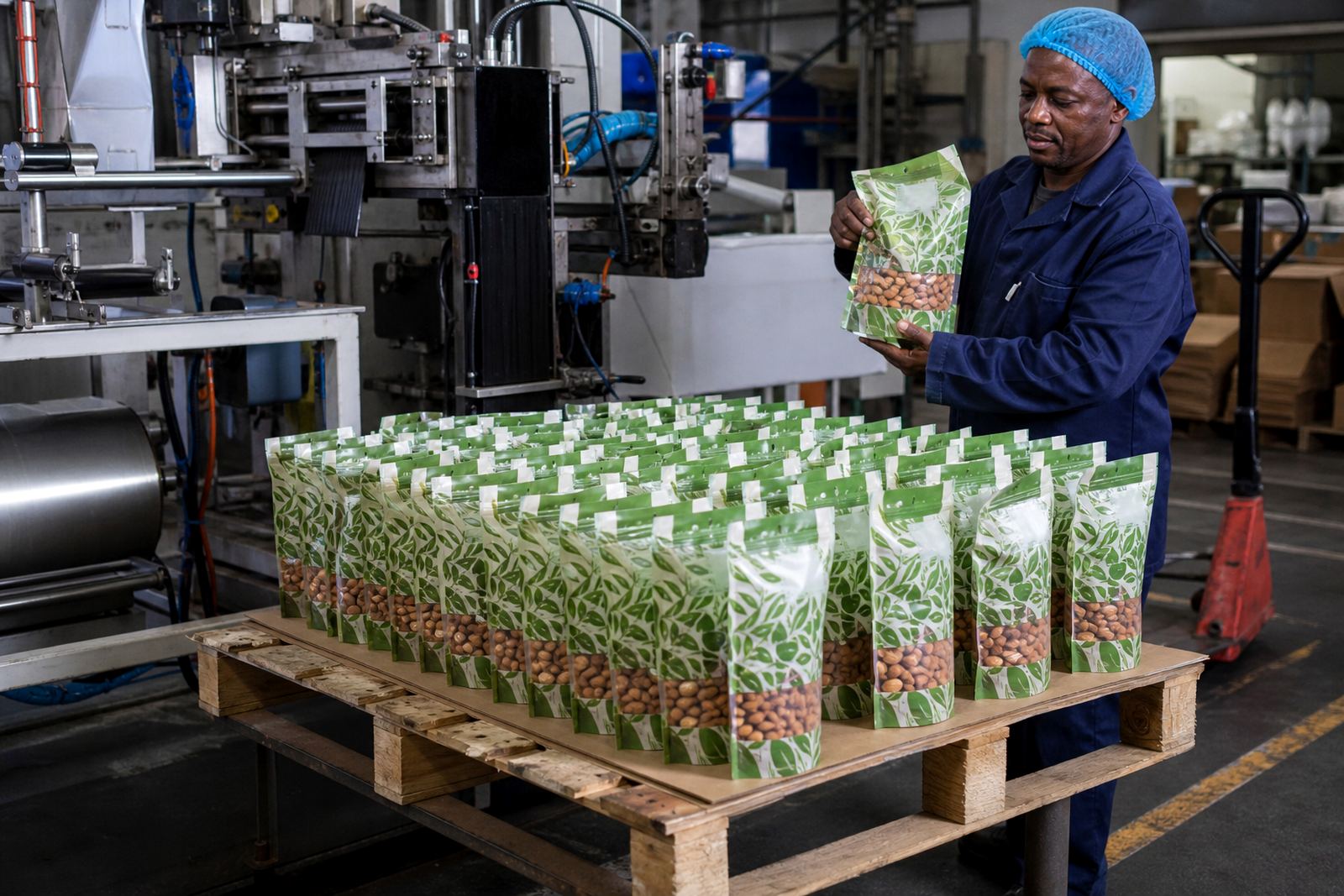
This format suits products that need efficient packing and a tidy retail or wholesale appearance. It is commonly used for items that are light to medium in weight and do not need a rigid container. Flat pouches can work well for dry goods, powders, sachet packs placed into larger secondary packaging, sample runs, promotional packs, and product lines that are sold in small measured portions.
They are also useful where transport cost matters. Because the packs are flat before filling, they take up less space in store and can be loaded efficiently into cartons. That can reduce handling issues during dispatch and helps with repeat orders from branches and distributors. For local brands servicing multiple towns, the format supports consistent pack presentation whether the order is going into a shop in Pietermaritzburg or onto a pallet heading up to Johannesburg.
- Retail packs that need a simple shelf shape
- Wholesale packs where carton efficiency matters
- Promotional product lines and sample packs
- Products that require clean print and clear product details
- Short run orders where format consistency still matters
Printing Setup, Artwork Prep and Colour Matching
Flexographic printing for flat pouches is set up around the artwork, the film choice and the number of colours required. Good print depends on careful prepress work, accurate plate preparation and proper colour matching before the run starts. Where a brand has a specific shade for logos, background blocks or pack identifiers, a proof should be checked before production. Small changes in film, ink laydown or screen work can affect the final result, so the approval stage matters.
Artwork should allow for seals, bleed and safe text margins. Text that sits too close to the edge can disappear into the seal area or become awkward once the pouch is filled. It is worth checking barcode positioning, batch code space and any required legal copy at the proof stage. When repeat production is planned, keeping the approved artwork file and pack spec consistent makes later orders quicker and avoids avoidable corrections. If the pack is for a line that may be filled on different machines, that should be flagged early as well.
Installation, Filling and Power Needs
Flat pouches do not need a heavy installation, but the filling method must match the pack design. They are usually supplied ready for filling on suitable packing equipment or by manual filling where the volume is low. If heat sealing is used after filling, the sealing jaws and temperature settings need to suit the laminate structure. If a product is packed on site, space for staging, weighing and carton packing should be allowed for before the order is confirmed.
Power requirements depend on the filling and sealing equipment, not the pouch itself. Standard workshop power is often enough for smaller packing lines, while larger operations may run several machines at once. Gas is not normally required for the pouch format itself, though some sealing equipment or support processes may use heat as part of the pack closing cycle. If your site is affected by load-shedding, it is sensible to plan pack filling and sealing around backup power or scheduled production windows. That keeps waste down and avoids half-finished stock.
- Check fill method: manual, semi-automatic or automatic
- Confirm seal temperature and dwell time for the film structure
- Allow room for weighing, filling and finished pack staging
- Plan around power cuts if sealing is done on site
Care, Storage and Repeat Production
Flat pouches should be stored flat, clean and dry before filling. Keep them away from direct sun, excess dust and moisture, especially in coastal areas where humidity can creep into a store room. If the packs are held for repeat use, cartons should stay closed until needed and should not be stacked where they can get crushed at the edges. Ink scuffing can happen if packs rub against one another roughly, so handling care matters even before product goes in.
For repeat orders, it helps to keep a record of the approved dimensions, material build, artwork version and any special pack notes. That makes it easier to reorder the same pouch without reworking the whole job. If the product changes even slightly, such as a heavier fill, a different seal width or a revised barcode, those details should be checked before going back to print. A small change can affect the finish and the fill performance, and it is better to catch that early than after stock has been packed.
What to Check Before Ordering Flat Pouches
Before placing an order, it helps to confirm the product weight, fill method, shelf life needs and transport route. The best pouch for a powder may not suit a granular product or a scented item. If the pack must stand out on shelf, the artwork layout should leave enough room for branding and product details without crowding the front panel. If the pack needs to be packed into cartons for dispatch across South Africa, carton count and pack size should be checked together.
- Product type and fill weight
- Pouch width, length and seal style
- Print colours, barcode area and batch code position
- Need for a window, tear notch or reseal feature
- Storage conditions and delivery towns
- Quantity for the first run and future repeats
For teams in Pinetown, Durban and other delivery areas, a clear brief saves time and helps the order move through artwork prep, proofing, production and dispatch with fewer back and forth changes. If a pack is meant for a new product launch, it is worth allowing a little extra time for proofing and colour checks. That simple step usually pays off later.
Key facts
| Format | Flat pouch, three-side or four-side sealed |
|---|---|
| Print method | Flexographic printing |
| Typical uses | Dry goods, samples, promotional packs and measured-fill products |
| Size range | Made to order by width, length and fill volume |
| Options | Tear notch, window, reseal closure, gloss or matte finish |
| Service area | Pinetown base with delivery across South Africa |