
What a stand-up pouch does on shelf
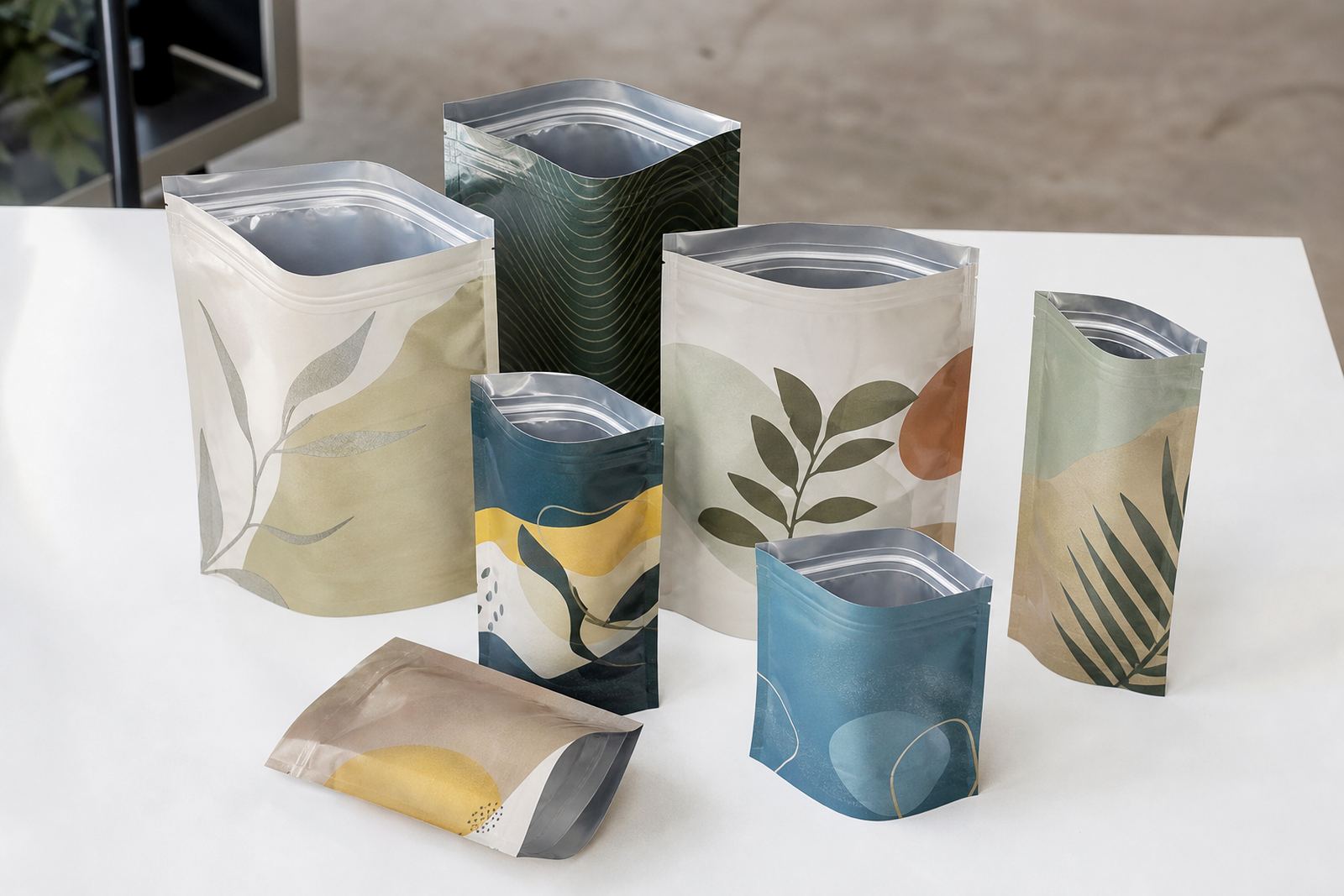
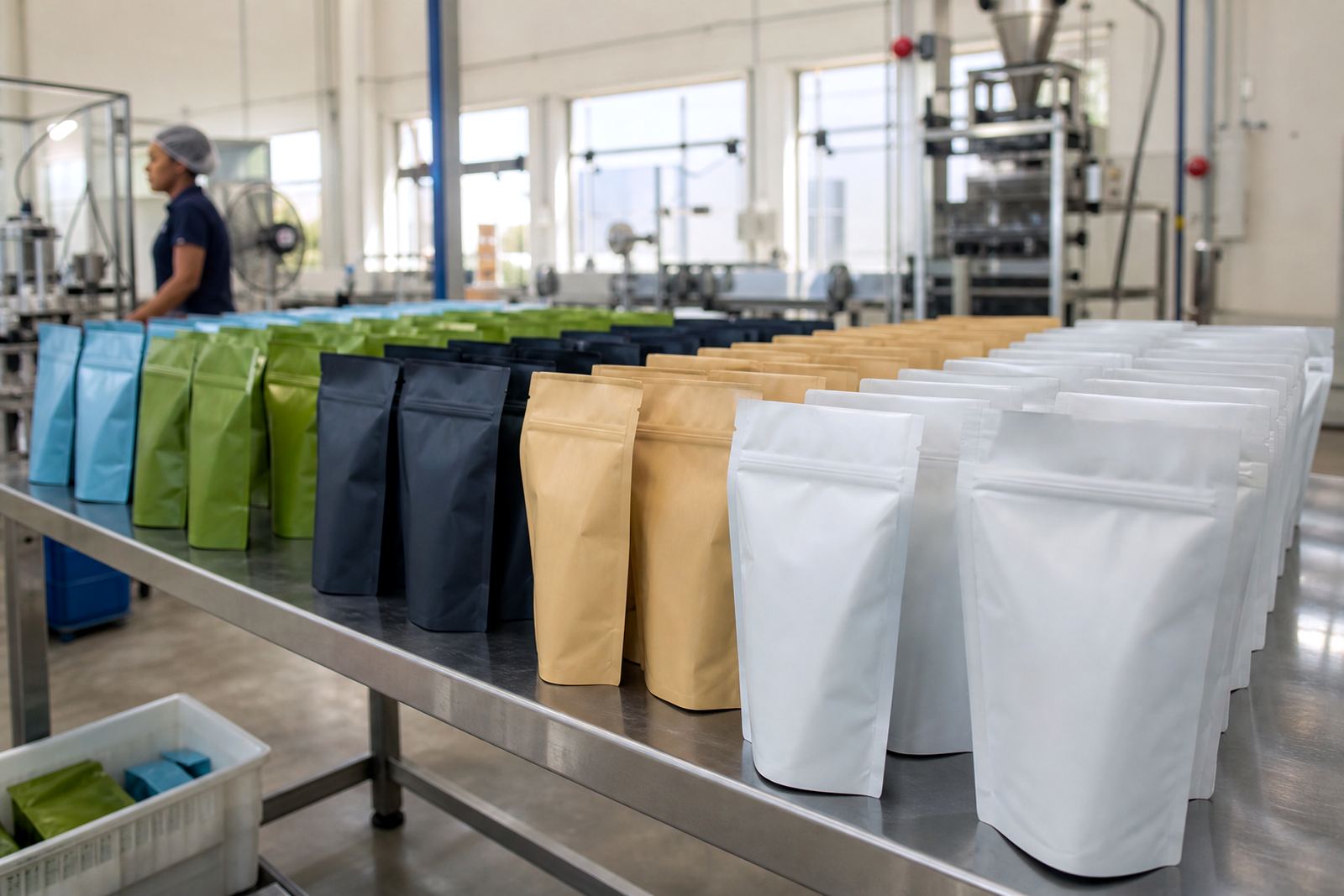
A stand-up pouch uses a shaped base so the pack can hold its form when filled and placed on a shelf, pallet or display counter. It is a good choice when you want a clean retail look without moving to rigid packaging. For local brands in Durban, Pinetown, Johannesburg and further afield, this format works well where stock has to travel, stack and still look tidy at the point of sale.
Flexo printing allows branding, product information and panel layout to be planned around the pouch shape, so the front panel carries the main message and the back or side areas can handle instructions, batch details or compliance text. If the artwork is set out properly from the start, the final pack is easier to fill, seal and read. That saves time at packing stage and reduces waste.
- Stable base for upright display
- Suitable for retail shelves and counter-top presentation
- Works for dry goods, powders, snacks and other packed items
- Can be supplied with or without closure features depending on format
Sizes, structures and finish options
Stand-up pouches can be made in a range of sizes, from small sample packs through to larger packs used for repeat purchase products. Size selection depends on fill weight, product density and how the pouch will be displayed. A 100 mm by 150 mm pouch is a different conversation to a 200 mm by 300 mm pack, so we look at the finished fill and not only the printed dimensions. Small measurement differences matter when the pack has to sit straight and seal properly.
Material choice can vary too. Some products need a plain printed structure, while others need added barrier properties for moisture, aroma or general protection. Finishes may include matt, gloss or a mixed look, depending on the brand presentation you need. If your product is packed in humid coastal areas like Durban or Ballito, the pack structure and sealing behaviour should be checked carefully because moisture can affect handling and shelf life. We would rather test that on the front end than sort it out after production, it saves headaches.
- Common sizes from small sachet-style packs through to larger retail pouches
- Choice of plain, matt or gloss finish
- Options for reseal features where the format allows
- Suitable for printed panels, product windows or plain technical layouts
Where stand-up pouches are commonly used
This format suits many products that need neat presentation and manageable pack size. It is often used for food-related goods, powders, dry ingredients, pet products, personal care items and general consumer packs where shelf appeal matters. It also suits promotional packs, trial sizes and repeat production runs where the same format must be produced again and again with consistent colour and registration.
Because the pouch stands upright, it is easier to present in retail spaces with limited shelf depth. It also packs well into cartons for distribution from Pinetown to Johannesburg, Pretoria, Cape Town and Bloemfontein. For brands supplying wholesalers or stores with strict receiving procedures, that upright shape can help the pack look cleaner on arrival and make counting simpler during dispatch.
- Retail shelves with limited depth
- Wholesale cartons and distribution packs
- Trial packs and seasonal lines
- Products that benefit from front-facing branding
Printing, colour matching and artwork prep
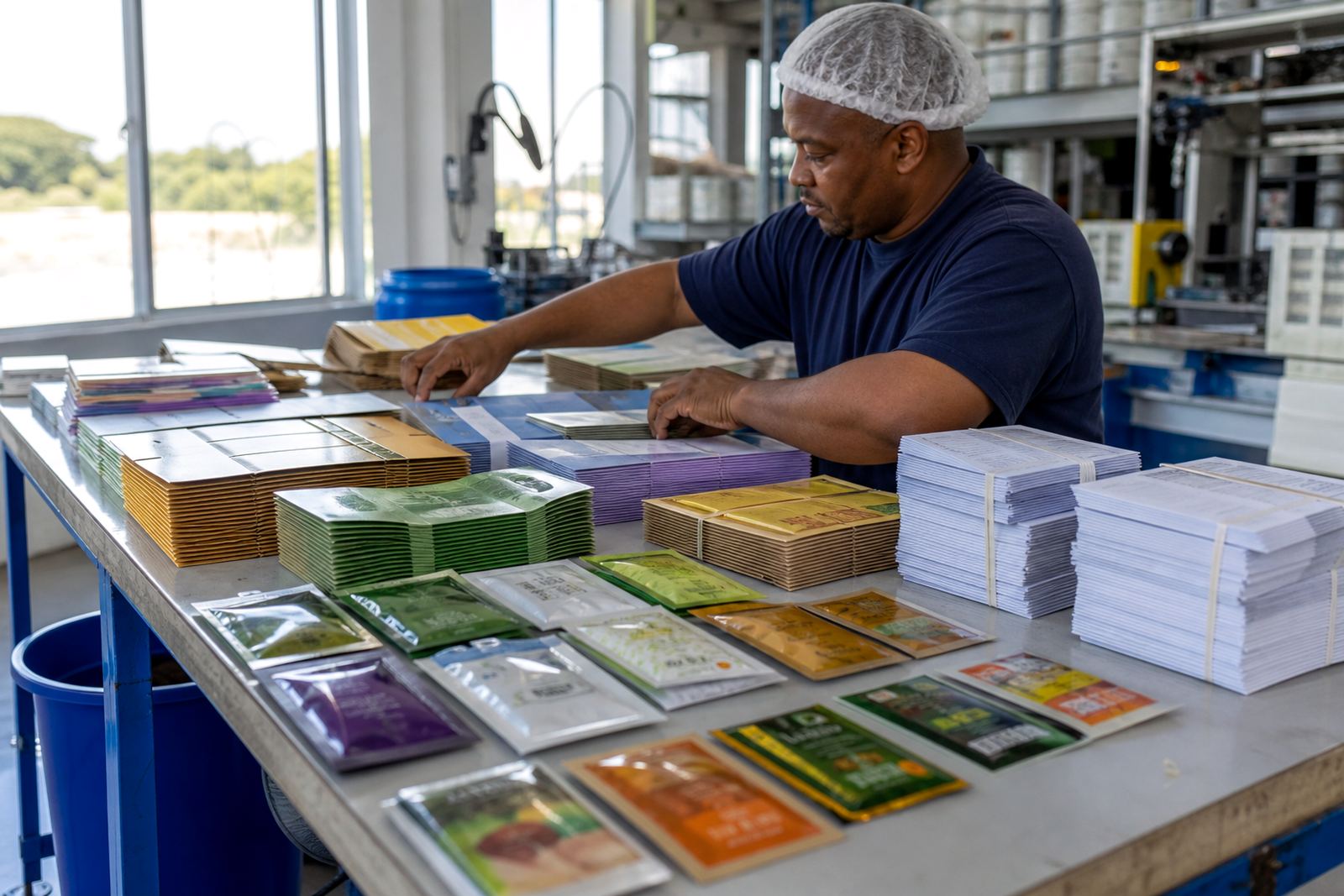
Flexo printing on stand-up pouches needs careful artwork prep because the panel layout, seal areas and fold lines affect how the image lands on the pack. We check bleed, text positioning and colour placement before production, then match colours as closely as practical to the approved proof. If your brand uses bold solids or fine type, those details should be checked early so they hold up on the finished pouch.
Our production team works with repeat orders, short runs and new line launches, so the job can be set up to suit your schedule. Priya Naicker handles sales coordination, Jason Petersen manages prepress, and Marius van Wyk oversees production so the handover from artwork to print stays orderly. When there is a pack change, even a small one, it is worth confirming the bar code area, batch panel and gusset position before go-ahead. That one check can prevent a lot of waste.
- Artwork checked for panel layout and seal zones
- Colour matching aligned to approved reference where possible
- Suitable for repeat production once the format is approved
- Proofing useful for line changes and first orders
Packing line, installation and utility needs
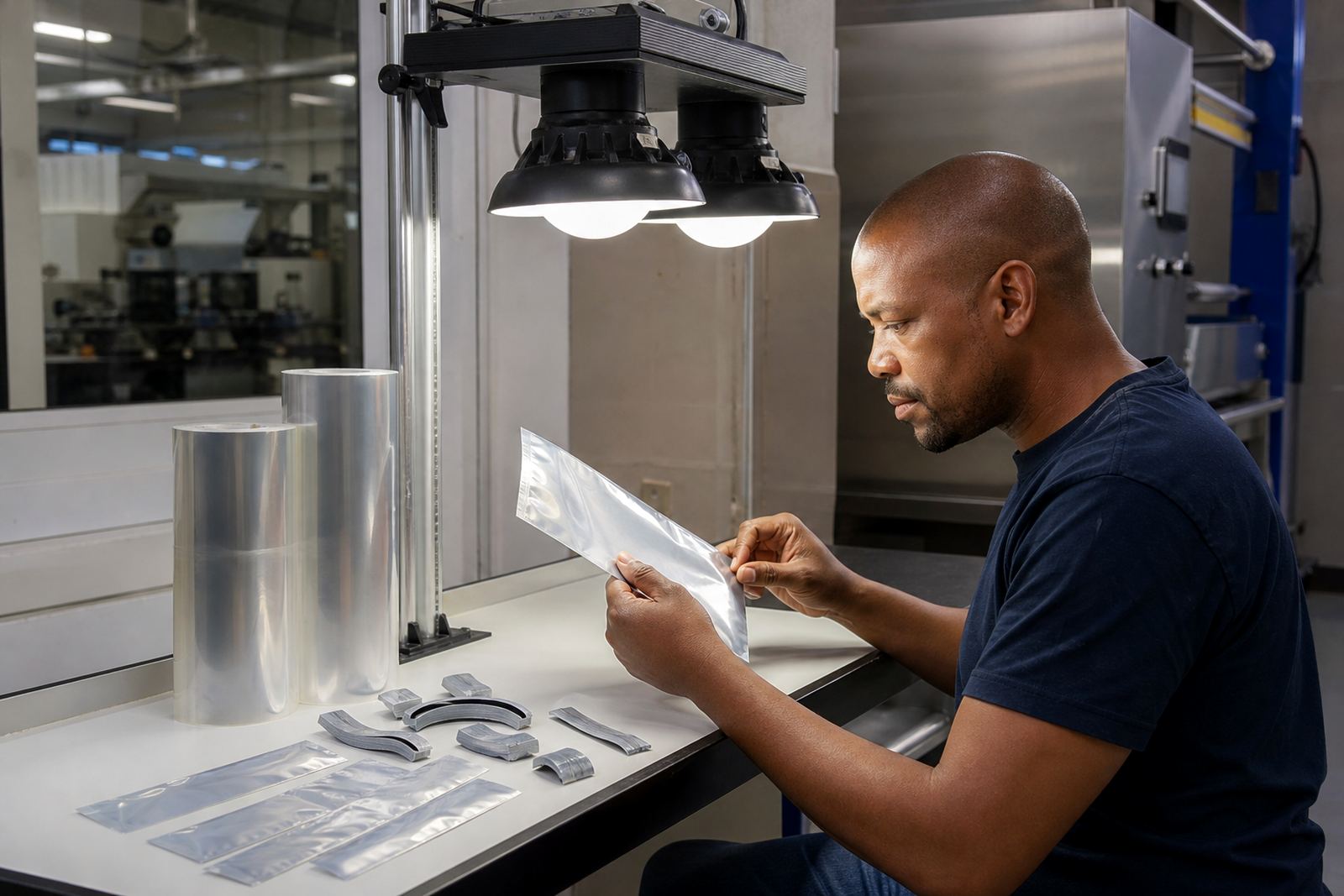
Stand-up pouches themselves do not require a special fixed installation, but the packing line does need to suit the format. If you are filling by hand, the pouch should open cleanly and seal without wrinkling. If you are using filling and sealing equipment, check jaw width, seal temperature range and feed consistency before placing a production order. A pouch that looks right on paper but does not run well on the line is not useful.
Power requirements depend on your own filling, sealing or print handling equipment rather than the pouch format alone. Some packers only need standard single-phase power, while larger line setups may require more capacity. Gas is not normally required for the pouch format itself, but if your process uses gas-assisted sealing or other equipment, that should be noted during planning. For sites affected by load-shedding, it helps to know your power backup plan and whether production timing needs to fit around it.
- Confirm seal temperature and dwell time on your line
- Check fill method, manual or machine assisted
- Allow space for carton packing and pallet stacking
- Plan around power supply and backup where needed
Care, storage and repeat production
Printed pouches should be stored flat, away from direct sun, heavy dust and damp floors. In coastal towns, humidity can affect both printed stock and filled packs if they are not handled properly, so dry storage matters. Keep cartons off the ground and avoid stacking in a way that bends the seals or creases the print face. Once a pouch has been filled and sealed, the storage and transport conditions become just as important as the print quality.
For repeat production, it helps to keep a record of the approved artwork, size, film structure and sealing notes. That makes it easier to reorder without confusion. Lerato Molefe coordinates dispatch, so if delivery timing matters for Durban, Pietermaritzburg or inland destinations, the packing and collection details should be finalised before dispatch day. Thandiwe Mkhize supports client service queries and helps keep order details on track. It is basic admin, but it avoids delays.
- Store flat in a dry, cool area
- Keep cartons off damp concrete floors
- Retain approved sample and artwork references
- Confirm delivery date, site access and receiving hours
What to confirm before you place an order
Before ordering stand-up pouches, confirm the finished size, fill weight, product type and whether the pouch needs a closure feature or special barrier. You should also decide how much panel space is needed for branding, ingredients, directions or codes. If the pack is going to multiple branches or regions, agree the delivery split early so the cartons reach the right place first time.
It also helps to know whether you need a short run, repeat production or a larger once-off order. Some brands need a fast trial quantity for market testing, while others want a steady run for stores across South Africa. Founded in 2009, our Pinetown base supports brands that need practical packaging guidance, not guesswork. Siyabonga Ndlovu heads the business and the team works across flexo printing, pouch converting, print proofing, colour matching and dispatch coordination.
- Finished size and fill weight
- Product type and storage conditions
- Artwork readiness and panel requirements
- Delivery towns and required lead time
Key facts
| Format | Stand-up pouch with gusseted base |
|---|---|
| Print method | Flexo printing for flexible packaging |
| Typical use | Retail and wholesale packs for upright presentation |
| Size range | Small sample packs to larger retail volumes |
| Finish options | Matt, gloss or mixed finish depending on structure |
| Base | Pinetown, KwaZulu-Natal with delivery across South Africa |