
What a zip lock pouch is and why it works
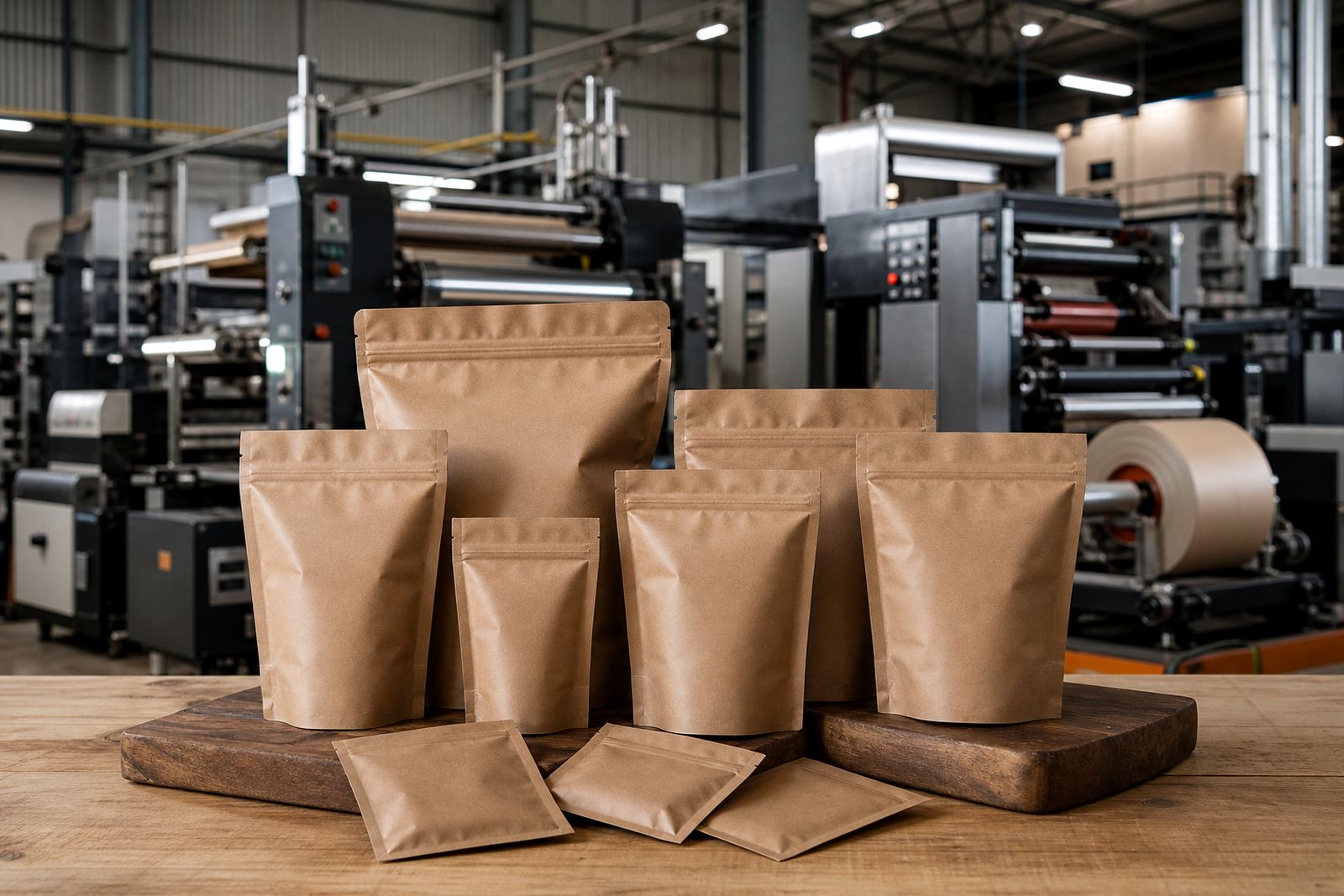
A zip lock pouch is a flexible pouch with a resealable closure near the top edge, so the pack can be opened and closed several times after purchase. It is commonly used for dry goods, snacks, powders, pet treats, household products and non-liquid items that benefit from neat presentation and easy reclosure. The format helps keep contents together during daily use, and it also gives the pack a tidy shelf shape.
For many brands, the attraction is simple. Customers want a pack that is easy to open, easy to store and less messy than a plain seal. A good zip closure also supports repeat use, which is useful when the pack is carried in a handbag, gym bag or kitchen cupboard. On the production side, the pouch can be made in various structures depending on the product, print area and required barrier level.
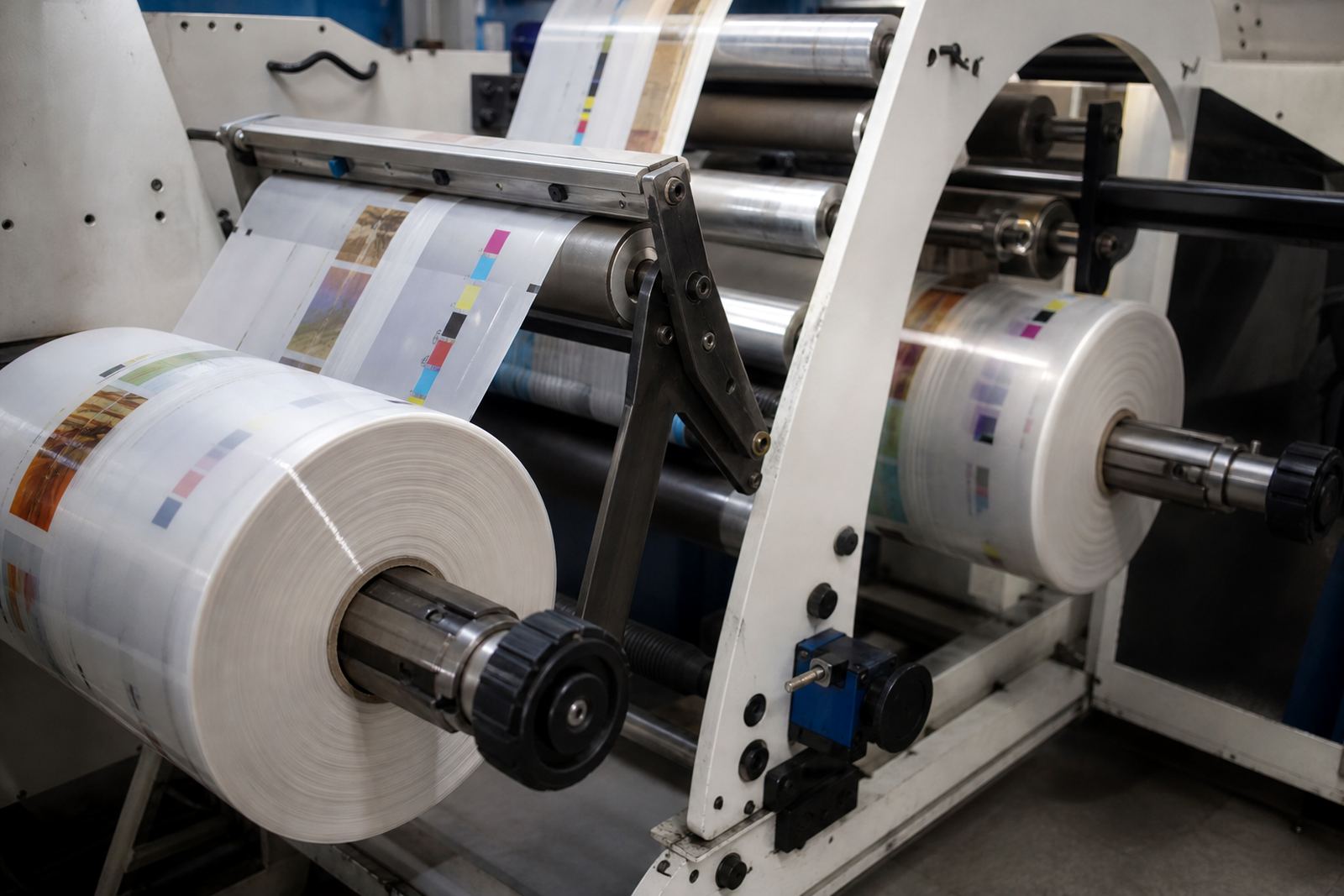
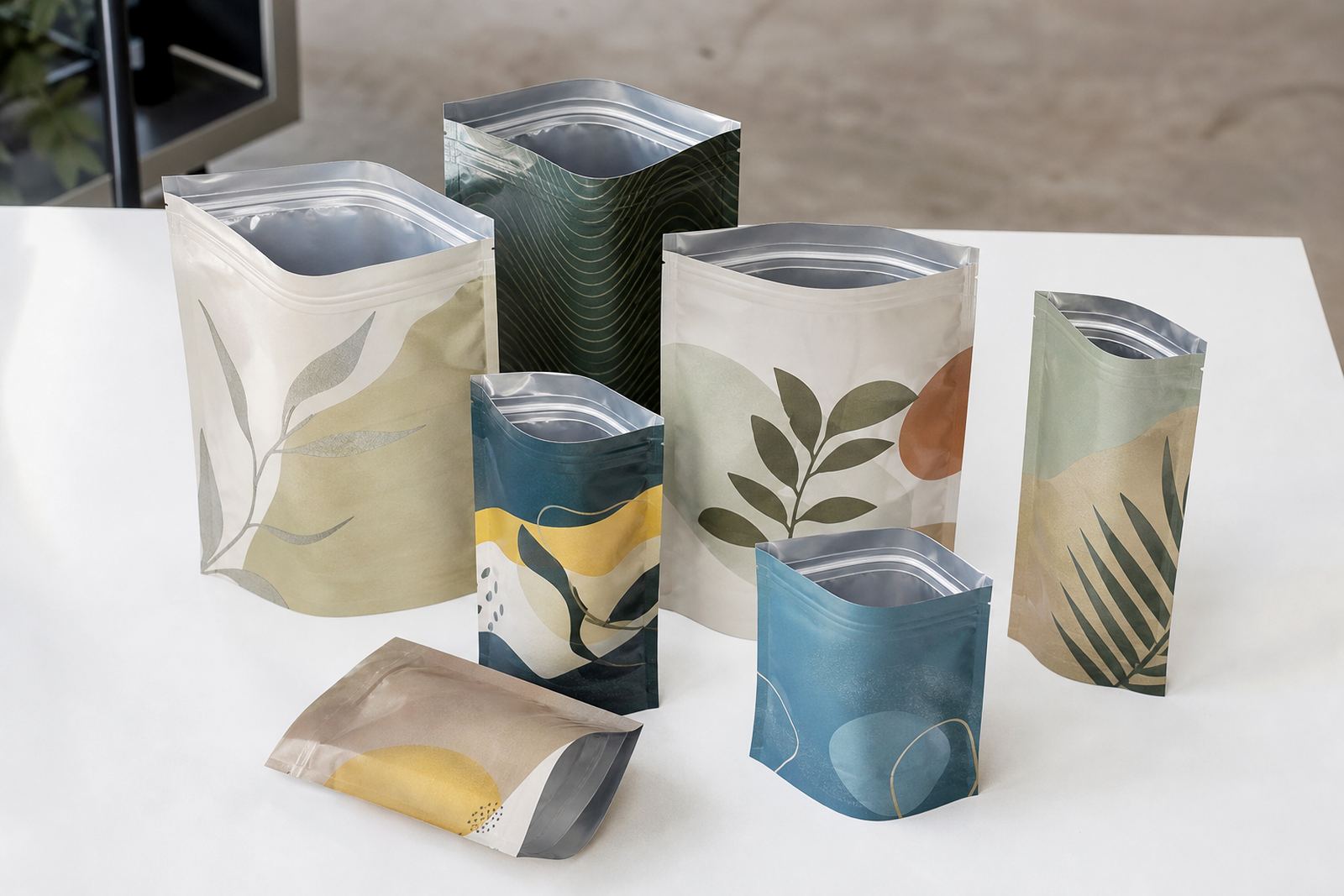
We work with flexo printing for flexible packaging and can prepare the artwork, proofing and colour matching so the final pack suits the product range. If you are comparing formats, the zip lock pouch gives you a strong balance of convenience and presentation, with a clear front and back surface for branding and product information.
Available sizes, gussets and finish choices
Zip lock pouches can be produced in a range of sizes, from small sample packs to larger retail and refill sizes. The right size depends on the fill weight, product density and how the pack will stand or lie on shelf. If the pouch needs to stand upright, a bottom gusset is often considered. If the pack is for lighter items or flat presentation, a flatter format may be more suitable.
- Small sachet-style pouches for sample portions and single-use packs
- Medium retail pouches for snacks, dry ingredients and small goods
- Larger refill pouches for family packs or bulk use
- Flat pouches, stand-up pouches and gusseted options
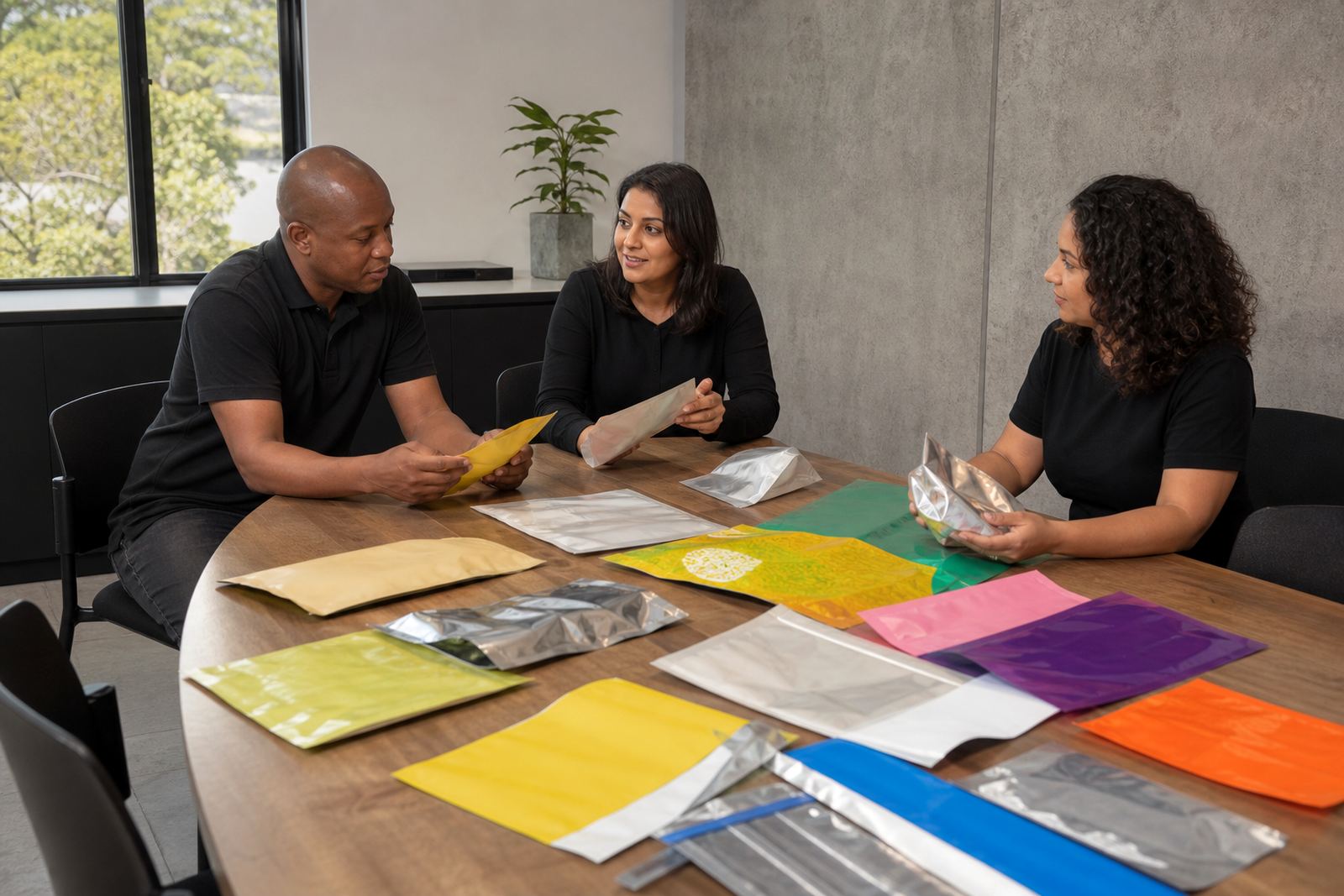
- Clear windows, matt or gloss finish, and printed or plain outer surfaces
Not every product suits the same construction. For example, a fine powder needs careful sealing and a stable pouch body, while a dry snack may benefit from a wider mouth for easier filling. We also check whether the zip should sit above a tear notch, whether a hang hole is needed, and whether the pack will be filled by hand or on a machine. Small details matter here, because a pouch that looks right but fills poorly becomes a problem on the line.
Where zip lock pouches suit best
Zip lock pouches are used in many sectors because they are practical and easy for shoppers to understand. They suit brands that want a clean, controlled opening and a reclose feature without moving into rigid containers. In stores, the format is familiar, and that makes it useful for products that need to compete on shelf and still be simple to use at home.
Common uses include food-related dry goods, pet snacks, cleaning powders, hobby materials, hardware packs and small personal care items. In coastal areas like Durban and Ballito, product protection and storage conditions can matter a lot, especially where humidity is high. The right film choice and seal style help keep the pack neat during transport and storage, even when the weather is not doing the packaging any favours.
- Retail packs for frequent use products
- Refill packs for home and business use
- Promotional and trial packs
- Products that need resealing after opening
- Items that benefit from tidy shelf display and simple handling
Printing, artwork prep and colour matching
We handle flexo printing for flexible packaging with careful attention to colour, copy placement and repeat consistency. The artwork prep stage is important because the pouch has seams, a zip area and often a tear notch, which all affect the usable print area. Your text, barcode, ingredients, usage instructions and branding should be arranged with the final pouch size in mind from the start.
Colour matching is done to keep the pack consistent across repeat production runs. If you are producing for multiple branches or different pack sizes, we can help keep the visual look aligned across the range. For local brands shipping to Johannesburg, Pretoria, Cape Town or Bloemfontein, consistency matters because the pack may travel through different conditions and still needs to look correct on arrival.
Where needed, we can suggest clearer line weights, stronger contrast for small text and practical placement for product details. It is also worth checking that the final artwork leaves enough room around seals and edges. A pouch may look simple, but it has less print space than a carton, so layout needs care.
Installation, filling and power or gas requirements
Zip lock pouches do not need a special installation like a fixed machine on site, but the filling and sealing process must be planned around your production setup. If you are filling by hand, you need a clean work area, scales, a consistent sealing method and enough space for finished packs to cool and settle before dispatch. If you are using a machine line, we check pouch dimensions, seal compatibility and whether the pack will run smoothly on your equipment.
For most pouch work, no site gas supply is required from the customer side. Power needs depend on your filling setup, not the pouch itself. If you are running a heated sealing process or larger production line, make sure your electrical supply is steady and protected against load-shedding interruptions. A back-up plan for power cuts can prevent seal problems and wasted material.
- Check the filling method before ordering pouches
- Confirm mouth width for your product and filling tool
- Allow for heat sealing if the pack needs secondary closure
- Keep a clean, dry filling area to avoid contamination and seal issues
- Plan for power interruptions if you run on production equipment
Care, storage and repeat production checks
Once the pouches are supplied, store them flat and dry, away from direct sun and damp floors. Flexible packaging can pick up dust and crease marks if handled badly, so clean storage matters. In humid coastal areas, it is wise to keep stock off the ground and inside sealed cartons until needed. This is basic care, but it saves a lot of trouble later.
If you are ordering repeat production, keep the approved sample or reference pack on file. Check the closure position, size, finish, seal strength and print details each time before the run is released. Small changes in artwork or material can affect the final result, so it helps to keep one approved version as the reference. That way the next batch stays close to the original and there are fewer surprises at dispatch.
We also help with repeat production, dispatch coordination and packaging consultation for businesses that need the same pouch format again and again. If your product changes fill weight or if your distributor wants a different pack count, we can review the format before production starts. A little checking upfront avoids rework, and saves both time and Rand.
Key facts
| Format | Resealable flexible pouch with zip closure |
|---|---|
| Common sizes | Sample, retail, refill and bulk pack sizes |
| Typical structures | Flat, stand-up and gusseted pouch formats |
| Print method | Flexo printing for flexible packaging |
| Supply options | Printed or plain, with optional window, tear notch or hang hole |
| Best suited for | Dry goods, snacks, powders, pet treats and repeat-use products |