
What Fin Seal Wraps Are And How They Work
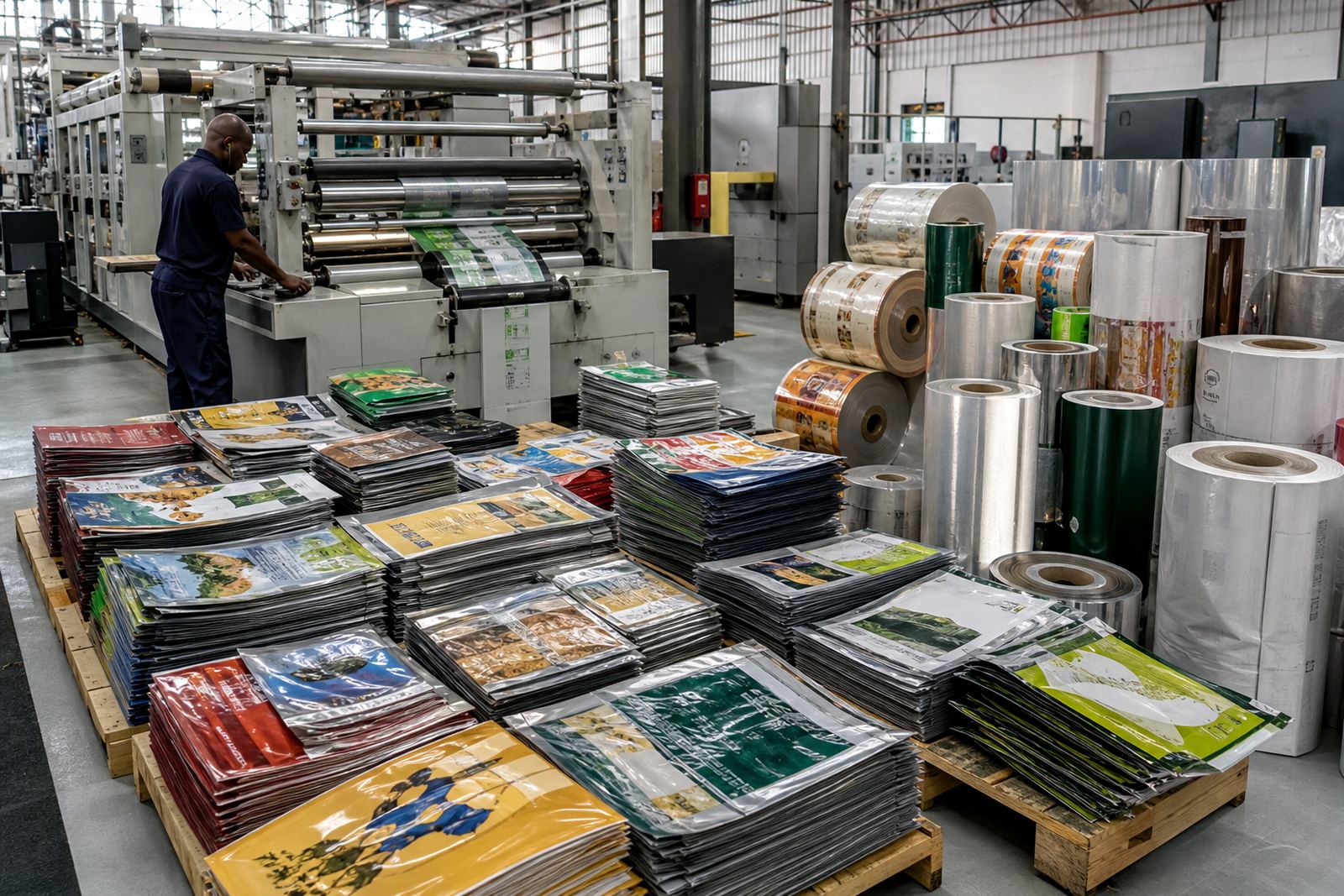
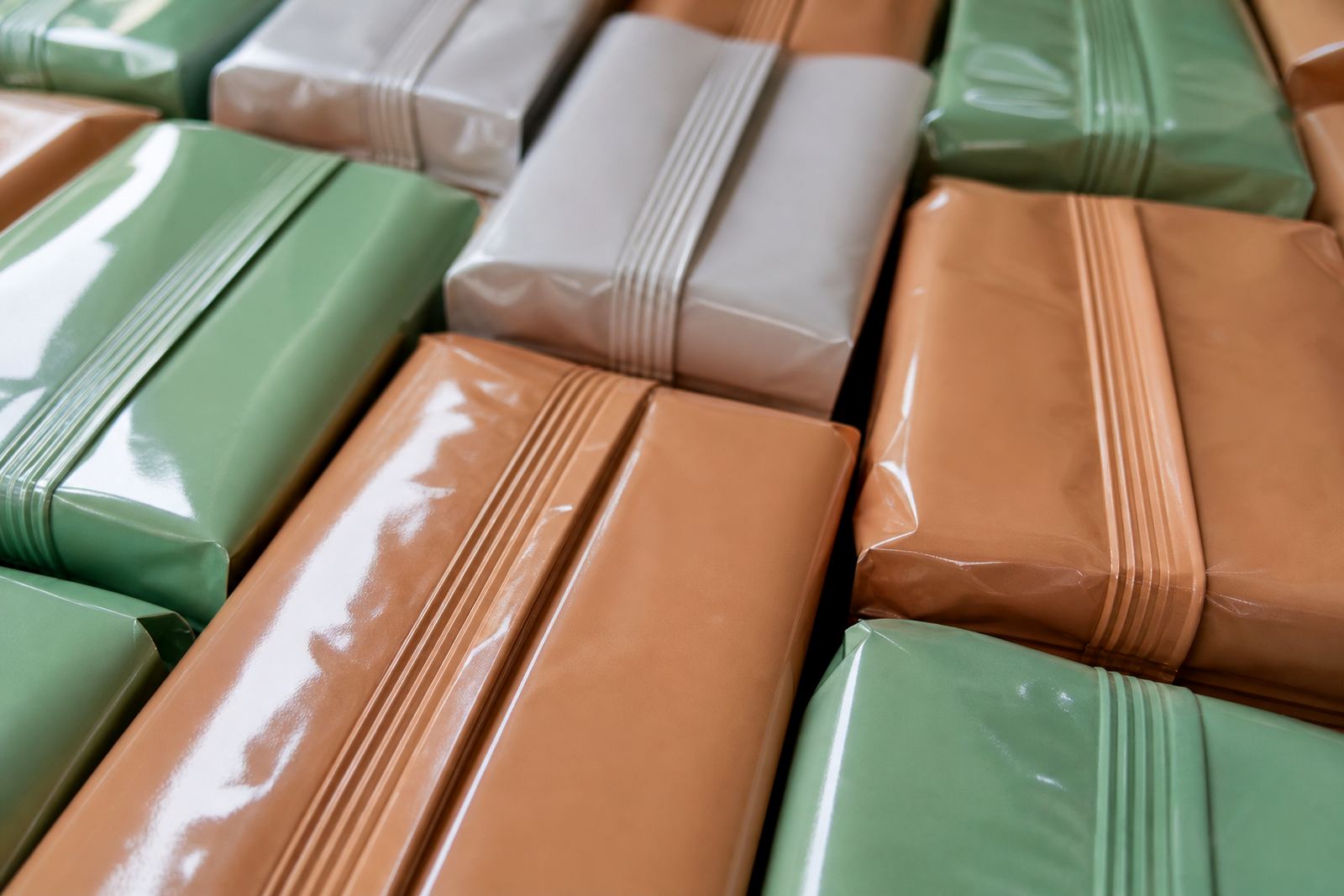
Fin seal wraps are flexible packaging webs printed and formed with a central fin seal on the back or underside of the pack. That seal creates a tidy line where the film joins, which helps the wrap run evenly on packing equipment and gives the finished pack a regular appearance on shelf. The format suits high volume or repeat packouts where product needs to move quickly through the machine and the pack must close in a consistent way.
For many South African brands, this format is used on products that are packed by weight or count and then sealed for distribution. It can be supplied in plain film or printed with product details, batch area guidance, brand panels and handling notes. We work with flexo printing, so artwork is set up to suit the repeat, seal position and the practical needs of production. A clear cut line and proper seal allowance matter, because a wrap that looks good on proof must still run well on the line.
Sizes, Materials And Print Choices
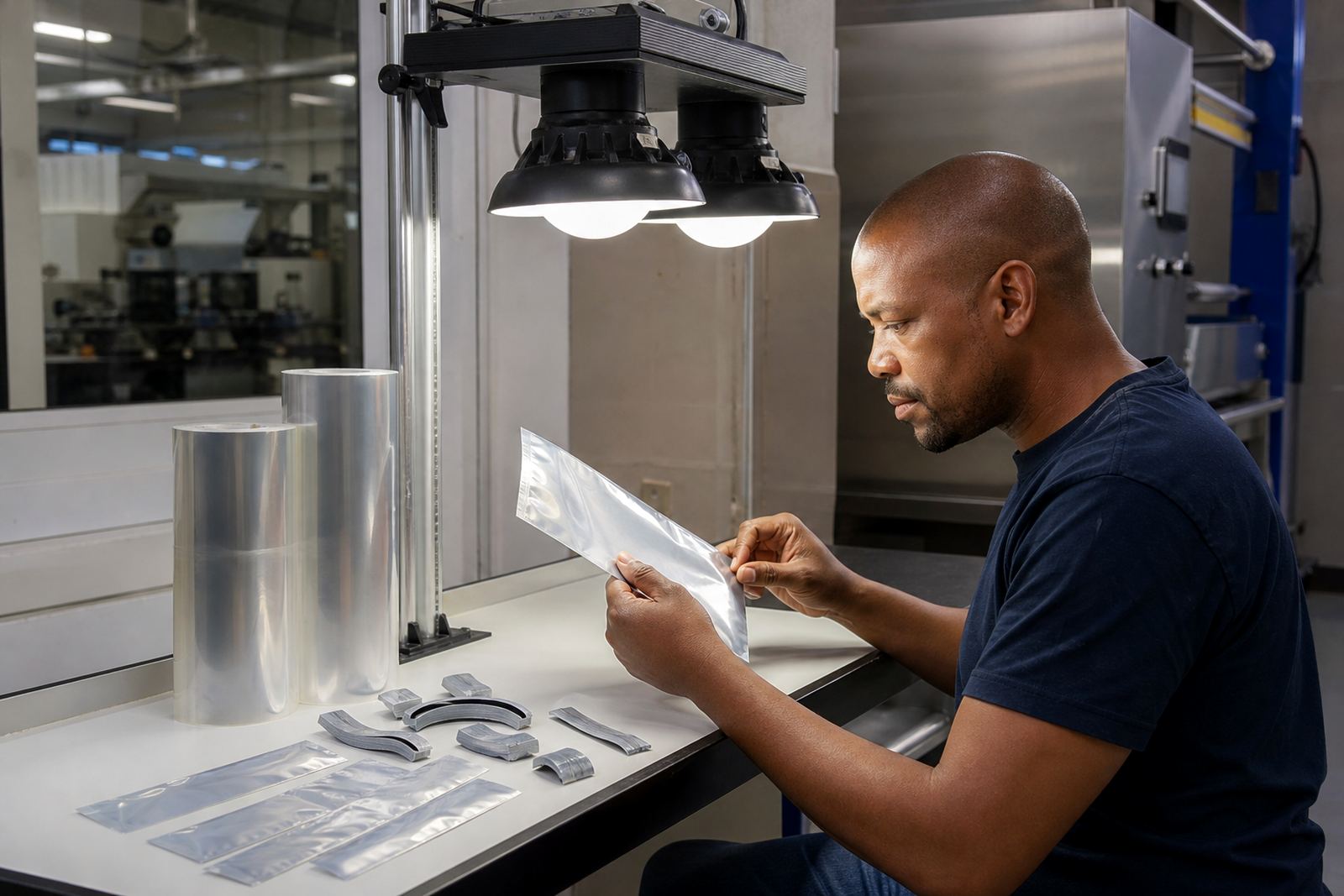
Fin seal wraps can be made in a range of widths and reel lengths, depending on the pack size and the machine setup. Common choices are narrower webs for smaller items and wider formats for larger servings or grouped packs. The final dimensions should always be matched to the product fill, the seal margin and the tuck or cut allowance at the machine. If the wrap is too tight it can crease, and if it is too loose the finish can look untidy.
Material selection depends on the product, storage conditions and how the wrap will be handled in transit. In humid areas like Durban and the North Coast, print and film choice should take moisture and curling into account. For inland distribution to Johannesburg, Pretoria and Bloemfontein, the focus is often on stable handling through changing temperatures and long transport runs. We can help with plain or printed wrap formats, matt or gloss finish, and colour matching to your existing pack line. For repeat orders, keeping the same film spec helps with consistency from one production run to the next.
- Widths and reel lengths matched to the packer and pack size
- Printed or plain film, depending on your line setup
- Matt or gloss finish for different presentation needs
- Options suited to short run orders or repeat production
Where Fin Seal Wraps Suit Best
Fin seal wraps are used where speed, neat presentation and controlled feeding are important. They are often chosen for food items, dry goods, confectionery, hardware parts, household items and other goods that need to be wrapped in a regular format before dispatch. The central seal works well where packs are stacked, boxed or bagged after packing, because the shape is predictable and easier to manage through warehousing.
They also suit brands that need local production and quick turnaround without losing control of the printed finish. A wrap that is packed in Pinetown can move through Durban, Pietermaritzburg and Ballito, then be sent up country to Johannesburg or Pretoria, and the print should still hold together cleanly. For retailers and small manufacturers, the format is practical when product lines change often, or when a business wants to test a new size without committing to a very large run. That said, the machine settings must be checked before any order is approved.
- Fast moving pack lines that need steady feeding
- Products that are boxed or stored after packing
- Items needing repeatable print placement and seal line control
- Short runs for trials, seasonal packs or changing product ranges
Machine Setup, Power Needs And Site Conditions
Before ordering fin seal wraps, it helps to confirm the packing equipment details and the conditions on site. The wrap itself does not use power, but the packing line may need a stable electrical supply and, on some machines, compressed air or heat control for sealing. If your site uses generators during load-shedding, the machine should still maintain steady temperature and feed control, otherwise the seal and print position can shift. We often ask clients about the line speed, roll direction, core size and sealing method so the reel is made to suit the actual packer.
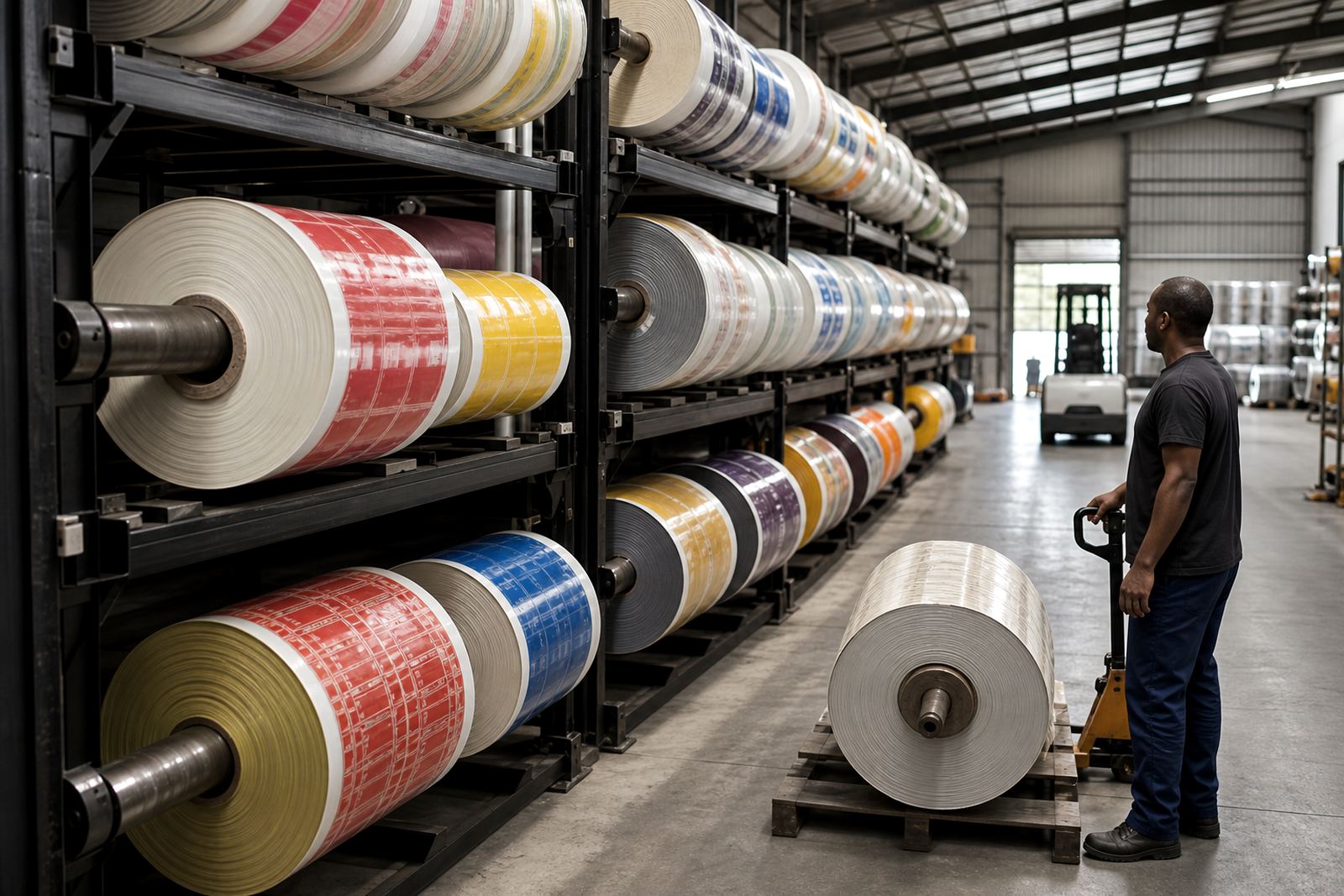
For facilities near the coast, careful storage matters because salt air and moisture can affect how reels are handled before use. Keep stock clean, dry and off the floor, and do not leave open reels near windows or loading bays where dust can build up. If your production area is hot or crowded, the material choice and winding tension become even more important. Simple checks at the start can save a lot of waste later, especially when an order needs to run through a full shift. A small setup issue can cause wrinkling, and the line stops more than it should.
- Confirm machine width, core size and unwind direction
- Check whether the line uses heat sealing, pressure sealing or both
- Keep reels dry, clean and away from direct sunlight
- Plan for power interruptions if packing runs during load-shedding
Artwork Prep, Colour Matching And Proofing
Fin seal wraps need careful artwork prep because the seal line, cut marks and front panel all have to sit in the right place. When copy sits too close to the seal area, important text can disappear into the fold or get lost during forming. We set up artwork with practical production margins and check that any barcode, ingredients, handling notes or pack instructions sit where they can be read once the wrap is filled. If the line uses a centre seal on the back, the design must work with that structure from the start.
Colour matching is also important for repeated orders. If your brand has an established colour, we aim to keep it steady across later runs so packs on shelf look the same from one batch to the next. Proofing gives you a chance to review spelling, layout and panel balance before production moves ahead. It is far easier to adjust a file than to remake stock, and for busy buyers that saves both time and money. We also check repeat position, because a design can print well but still sit awkwardly on the final wrap if the repeat is not measured correctly.
How To Order The Right Wrap For Your Product
When requesting fin seal wraps, send the product size, fill weight or count, packing method and the kind of finish you want. If you already have a sample pack or an older reel, that helps with matching. We also need to know whether the wrap will run on existing equipment or on a new line, because the technical details can change the width, repeat and seal allowances. If your pack is for local delivery in KwaZulu-Natal or national dispatch to Cape Town, Johannesburg or Bloemfontein, tell us how the finished cartons will be stored and moved so the wrap spec suits the route.
It is useful to check the following before confirming an order: the exact pack size, the desired print quantity, whether the job is a short run or repeat production, and any special colour or finish requirements. If your team is still deciding between a few options, a packaging consultation can help narrow it down. We work with local brands from Pinetown and across South Africa, and the more detail you give us at the start the cleaner the result usually is.
- Product size and target fill weight or count
- Machine width, sealing style and reel specifications
- Artwork files, brand colours and proofing notes
- Delivery town, timeline and repeat order needs
Key facts
| Format | Fin seal wrap with centre back seal for machine packing |
|---|---|
| Typical widths | Made to order, depending on pack size and line setup |
| Reel length | Specified to suit packing speed and job quantity |
| Material options | Printed or plain flexible film, matched to product needs |
| Print method | Flexo printing with repeat control and colour matching |
| Use case | Products that need neat presentation and consistent machine feeding |