
What shaped pouches are used for
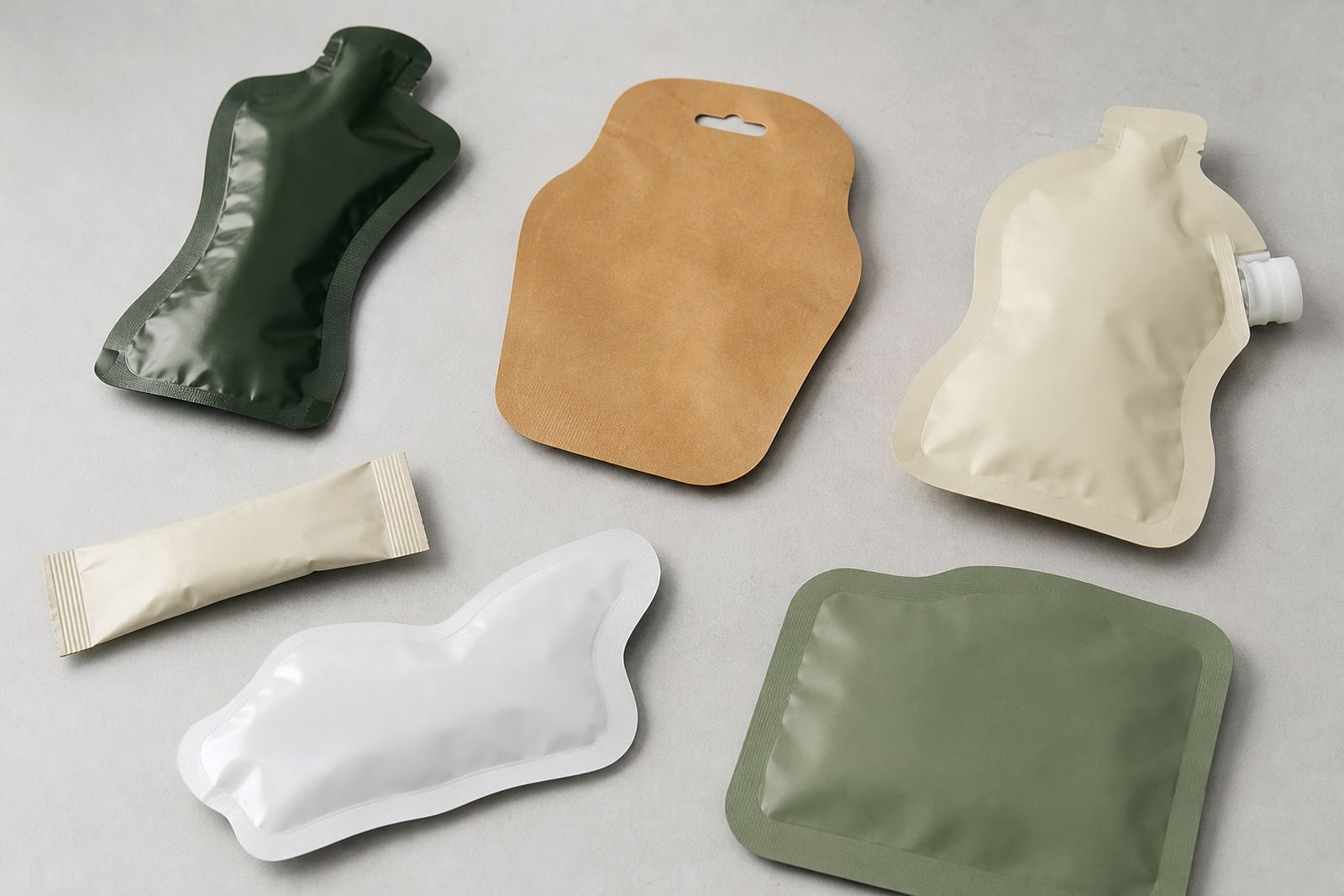
Shaped pouches are flexible packs made with a cut profile that suits the product better than a straight sided pouch. That might mean a contoured top, rounded base, angled shoulders, or a custom outline that helps the pack stand out and sit neatly on shelf. For local brands in Durban, Pinetown, Johannesburg and Cape Town, this format is often chosen when the contents need better handling or a more distinct look.
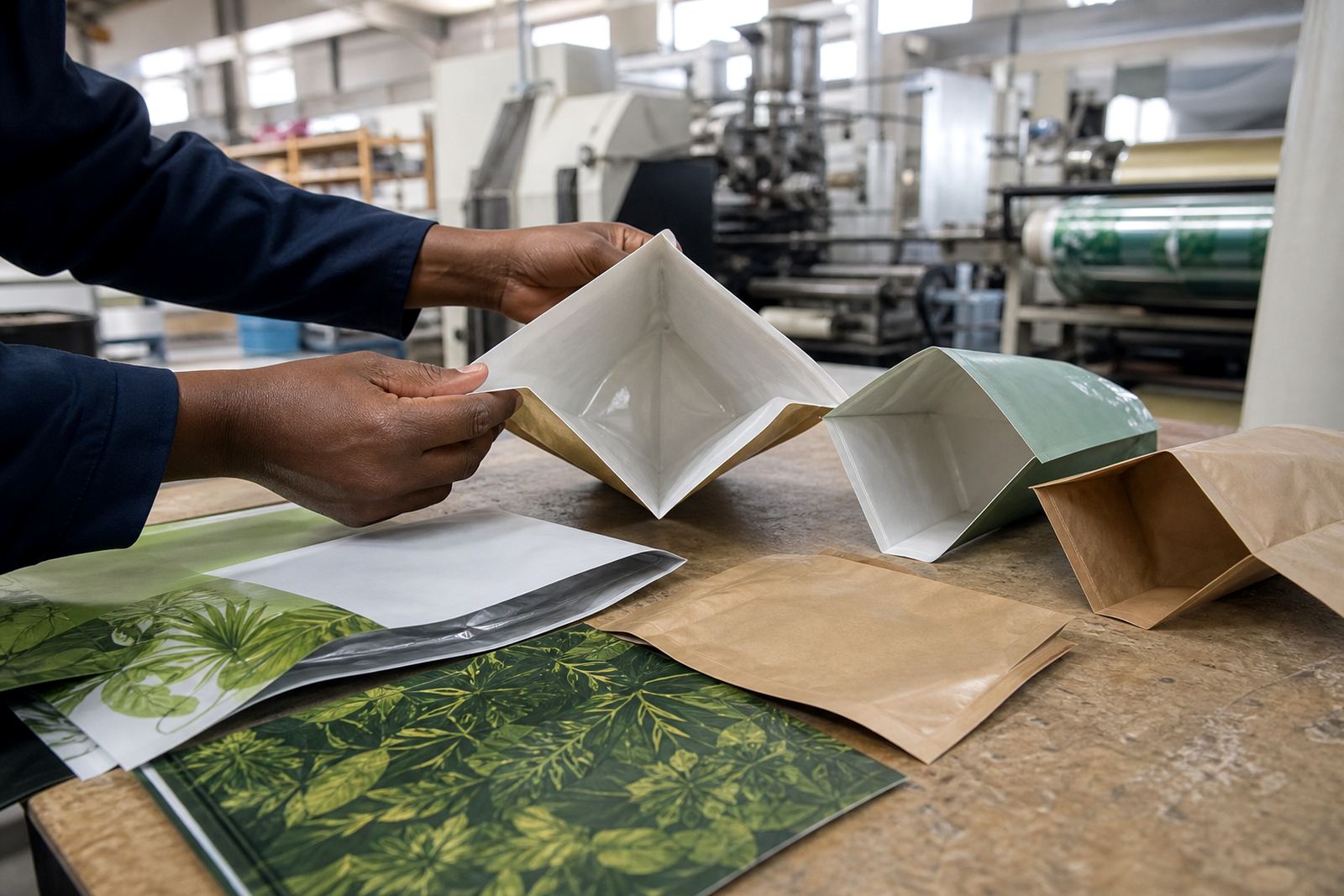
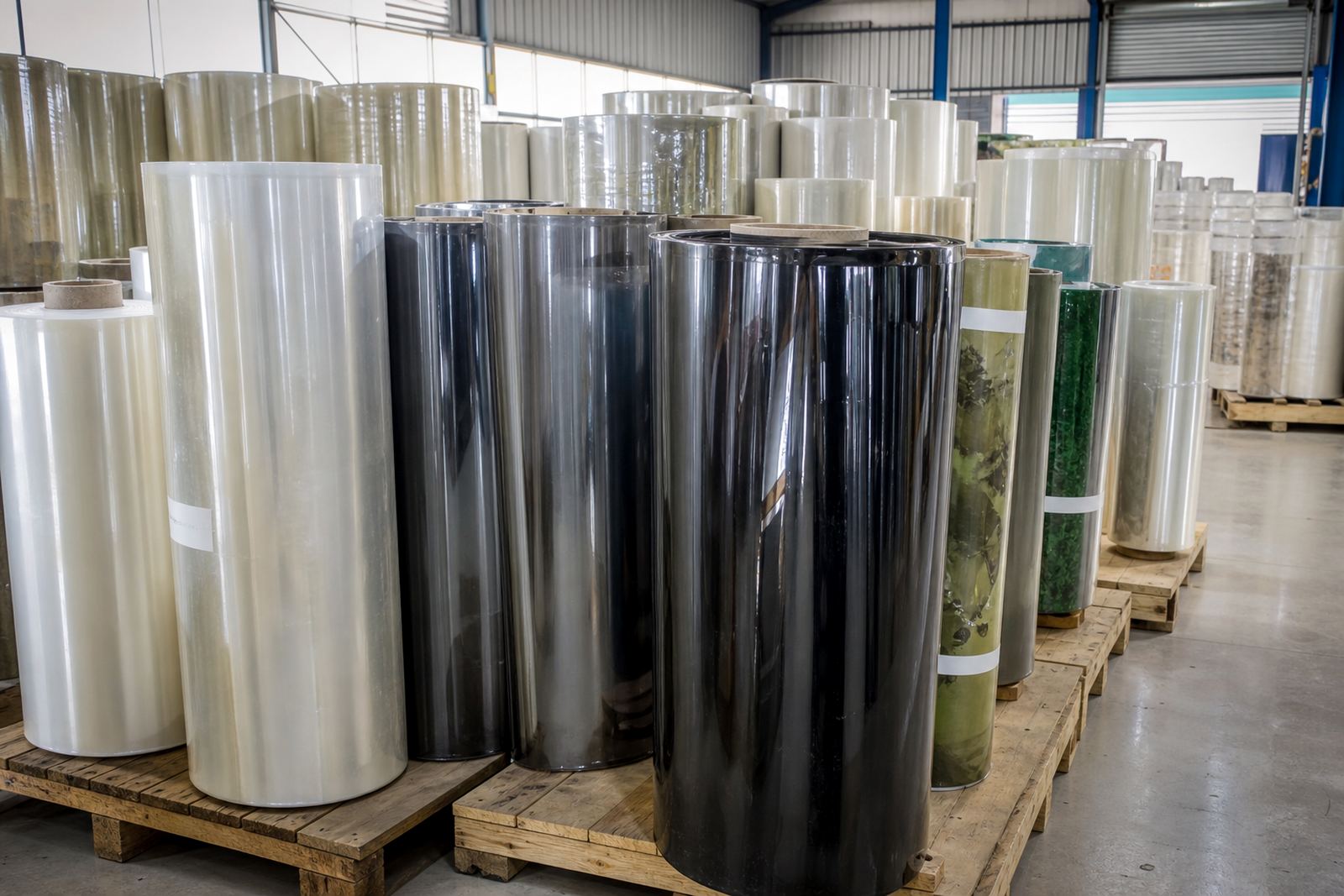
They are normally used with flexible packaging materials printed by flexo, then converted into finished pouches with the required seals, openings and profile. The result is a pack that can carry dry goods, powders, snacks, pet items or personal care products, depending on the filling method and barrier needs. It is a practical option when the product shape, fill weight or brand presentation calls for something more specific than a plain pouch.
Size ranges, profiles and finishing options
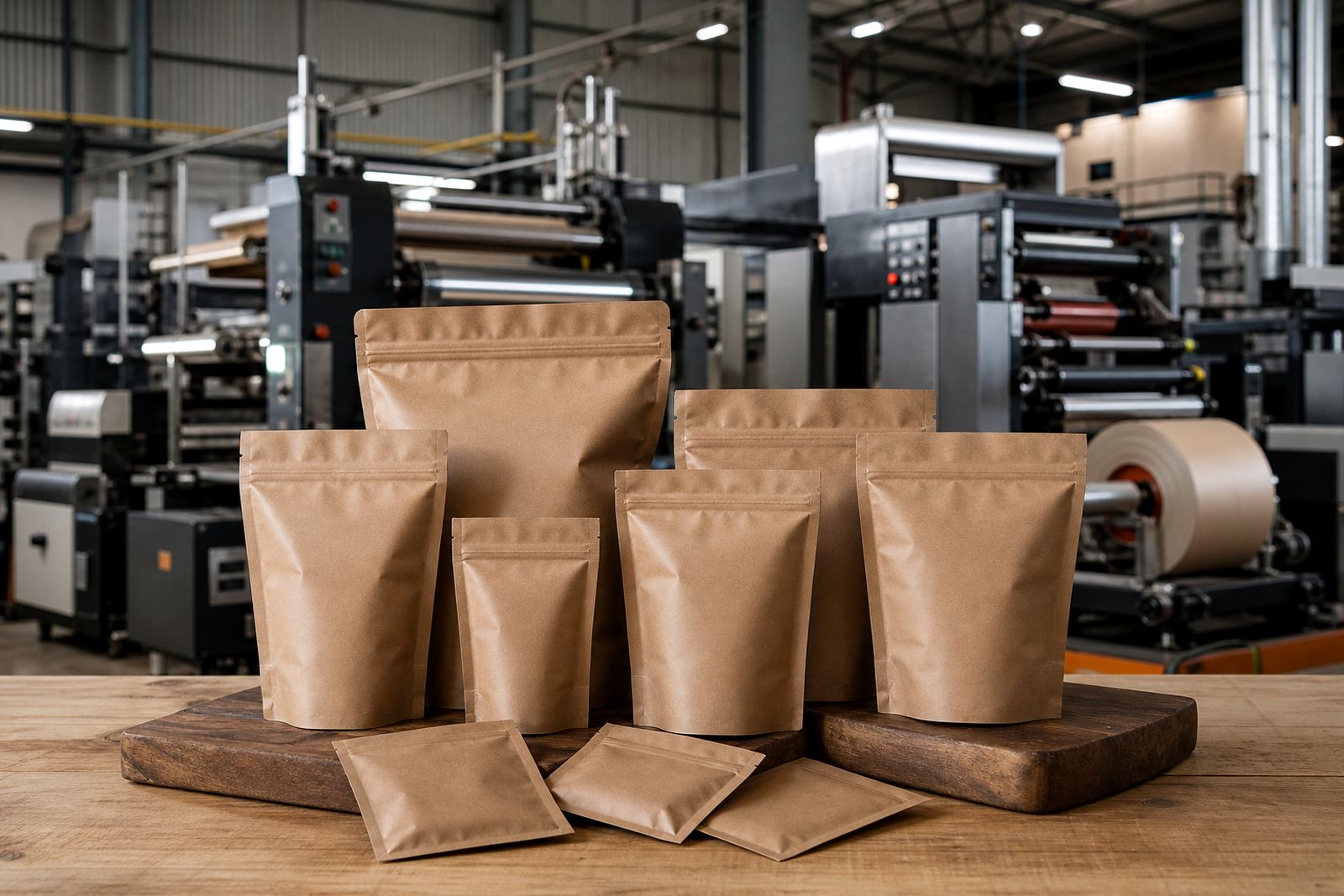
Shaped pouches can be made in a range of sizes, from small sample packs through to larger retail formats. The final size depends on the product volume, gusset style, seal allowance and whether the pouch must stand upright or hang from a display. We also look at the fill weight, pouch width, height and any special profile required around the top or base.
- Typical width range: 80 mm to 320 mm, depending on product use
- Typical height range: 100 mm to 450 mm, subject to the cut profile
- Common formats: stand-up, flat, gusseted or custom cut outline
- Closure options: tear notch, reseal zipper, spout opening or heat sealed finish
- Print options: 1 to several colours, with colour matching for repeat work
Finishing choices can include matte or gloss appearance, clear panels where needed, and seal layouts that suit manual or semi automatic packing lines. The best option depends on how the pouch will be filled and how the product needs to travel, especially for deliveries across South Africa where handling can vary between local courier runs and longer distance distribution.
Where shaped pouches suit products best
This format suits products that do not sit neatly in a standard rectangle, or where the pack needs a stronger shelf shape. In many cases it is selected for items that must be easy to pour, open, carry or reseal. It also helps when a brand wants a cleaner front face for labelling, product information or a bold printed panel.
- Dry foods and snack items
- Powders and blended ingredients
- Pet treats and small animal feed portions
- Personal care refills and sachet-style trial packs
- Hardware, seed, sample and promotional packs
For coastal areas like Durban and Ballito, the material choice may also need to factor in humidity and storage conditions. In hotter inland areas like Pretoria or Bloemfontein, transport and stock rotation matter just as much. A shaped pouch should match the product, the filling method and the route it will travel after packing.
How the pouch is planned for production
Before production starts, the pack needs to be planned around the product size, the required fill volume, the cut outline and the seal positions. If the shape changes at the top or base, the artwork must be set out carefully so that panels, barcodes, ingredient copy and legal information remain readable after conversion. We also check whether the pouch will be filled on a manual line or a machine line, because that affects tolerances.
Artwork prep and proofing are important here. A shaped pouch has less margin for error than a plain rectangle, so artwork must account for trim, seal zones and any curved edge. If the profile includes a window, tear notch or hang point, those details should be agreed up front. Small changes in the cut line can affect how the pack presents on shelf, and yes, even a few millimetres can matter on a busy filling line.
- Confirm finished dimensions, not only front panel size
- Check the exact cut profile and seal location
- Confirm opening style and closure method
- Approve print proof before the run starts
- Allow for stock movement, storage and dispatch time
Installation, filling and power needs
Shaped pouches themselves do not need installation in the way a machine would, but the filling and sealing setup must match the pack format. If the pouch will be filled on site, the equipment must be able to handle the chosen width, seal type and profile. Some operations use manual sealing, while others use semi automatic or automated systems depending on output and product type.
Power needs depend on your filling and sealing equipment rather than the pouch alone. Many packing rooms in South Africa have to plan around load shedding, so it helps to know whether your line can run on backup power or whether production must be scheduled for available supply periods. Gas is not normally required for the pouch format itself, although some sealing systems or heat equipment may have site specific needs. Good ventilation, clean packing surfaces and dry storage are also important, especially in coastal humidity or in warehouse spaces that heat up during summer.
Care, storage and repeat production
Shaped pouches should be stored flat, in clean and dry conditions, away from direct sunlight and dust. The printed material and seal areas need to stay free from moisture and pressure, otherwise the pack can deform before it reaches the filler. If stock is held for repeat runs, it is wise to keep each batch identified by size, print version and order date.
For ongoing supply, repeat production is easier when the following details are kept on file: artwork version, cut profile, material spec, pouch dimensions and closure type. That saves time when ordering again for branches or distribution points in Pinetown, Durban, Johannesburg or Cape Town. It also helps avoid mix ups when a brand carries multiple pack sizes in the same range.
- Store packs flat and off the floor
- Keep away from moisture, heat and direct sun
- Do not stack under heavy loads
- Check the seal area before filling
- Use the same approved artwork version for repeat work
What to check before you place an order
When ordering shaped pouches, the main thing is to be clear about the product inside and the conditions it will face on the way to market. A pack that works for a dry warehouse in Pinetown may need different material choices if it will travel to inland depots or sit in warm stock rooms. The more detail you share at the start, the fewer delays later.
Have these points ready before you send an enquiry through the contact page. It helps our team advise on the most suitable pouch structure, print layout and production route. If the brief is still open, we can work through options for short run orders, repeat production and dispatch coordination across South Africa.
- Product type, fill weight and texture
- Required pouch size and shape
- Opening style and whether reseal is needed
- Storage and transport conditions
- Artwork status and approval timing
- Delivery destination and preferred turnaround
Key facts
| Product type | Custom shaped flexible pouch |
|---|---|
| Common use | Retail, sample and specialty packaging |
| Typical material options | Printed flexible packaging laminates |
| Size range | Approx. 80 mm to 320 mm wide, 100 mm to 450 mm high |
| Closure options | Heat seal, tear notch, zipper or spout style |
| Supply area | Pinetown and delivered across South Africa |