
What pillow sachets are and how they are used
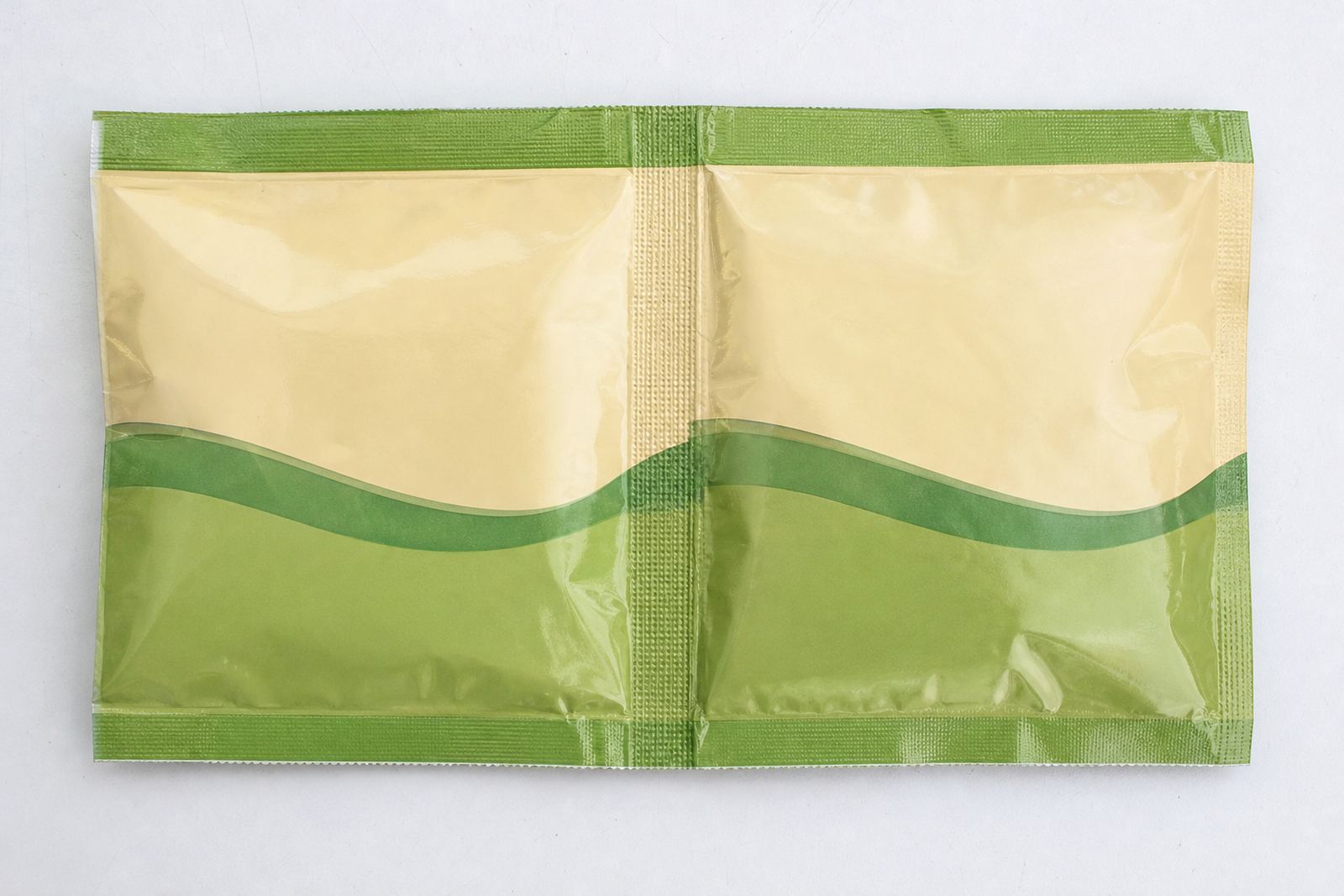
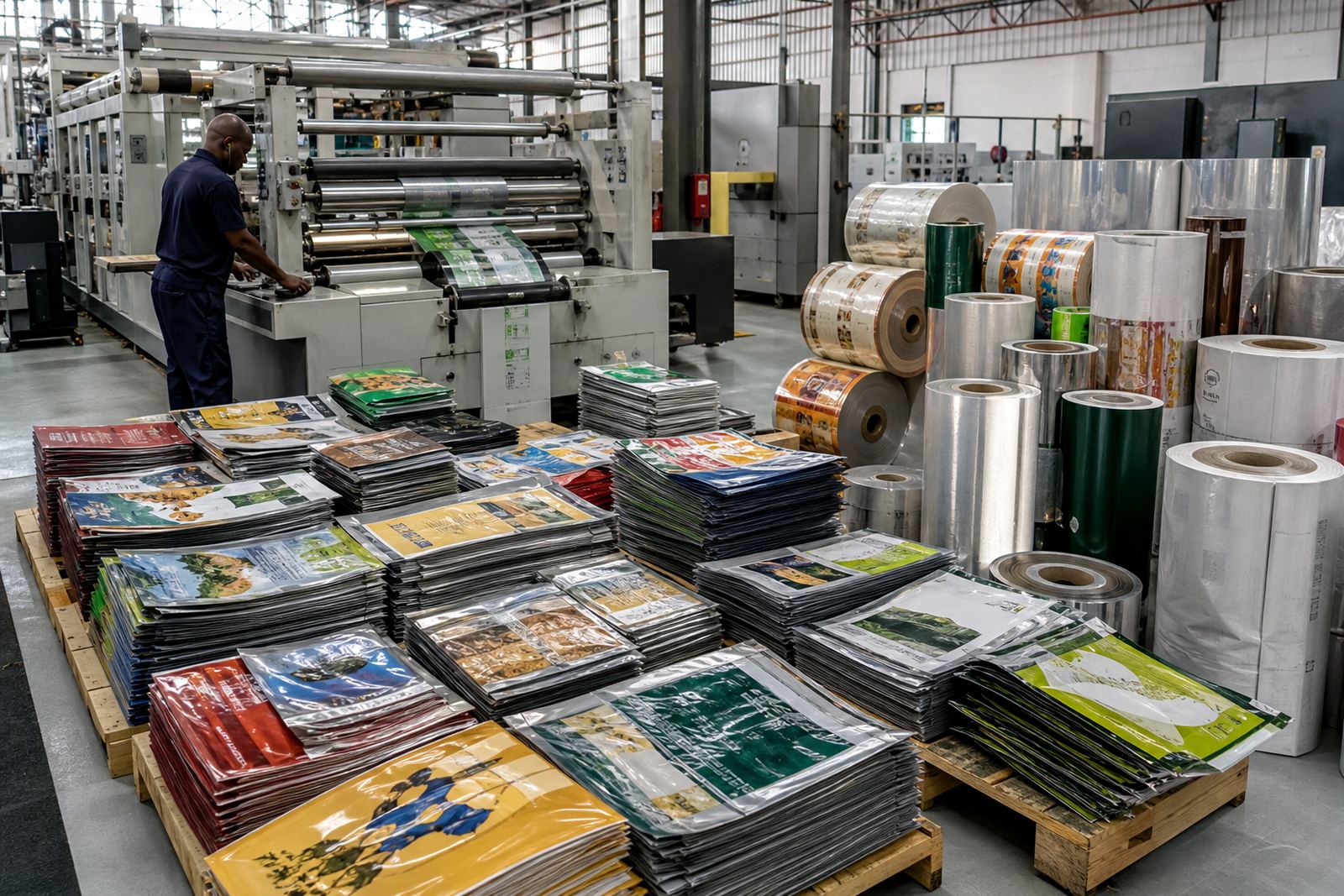
Pillow sachets are formed from film, filled and sealed into a compact pack with a soft curved profile. The format is commonly used for single portions, small samples and lightweight products that need to move through packing lines efficiently. In many cases the film is printed by flexo before converting, which allows the brand artwork, product details and batch space to sit on the pack itself.
This format is best when you want a small pack that is easy to store, stack and dispatch. It is often chosen by local brands that need a practical single-serve option for retail shelves, hospitality packs or promotional bundles. The shape is familiar to consumers and the seal pattern helps the pack hold its form during transit and handling.
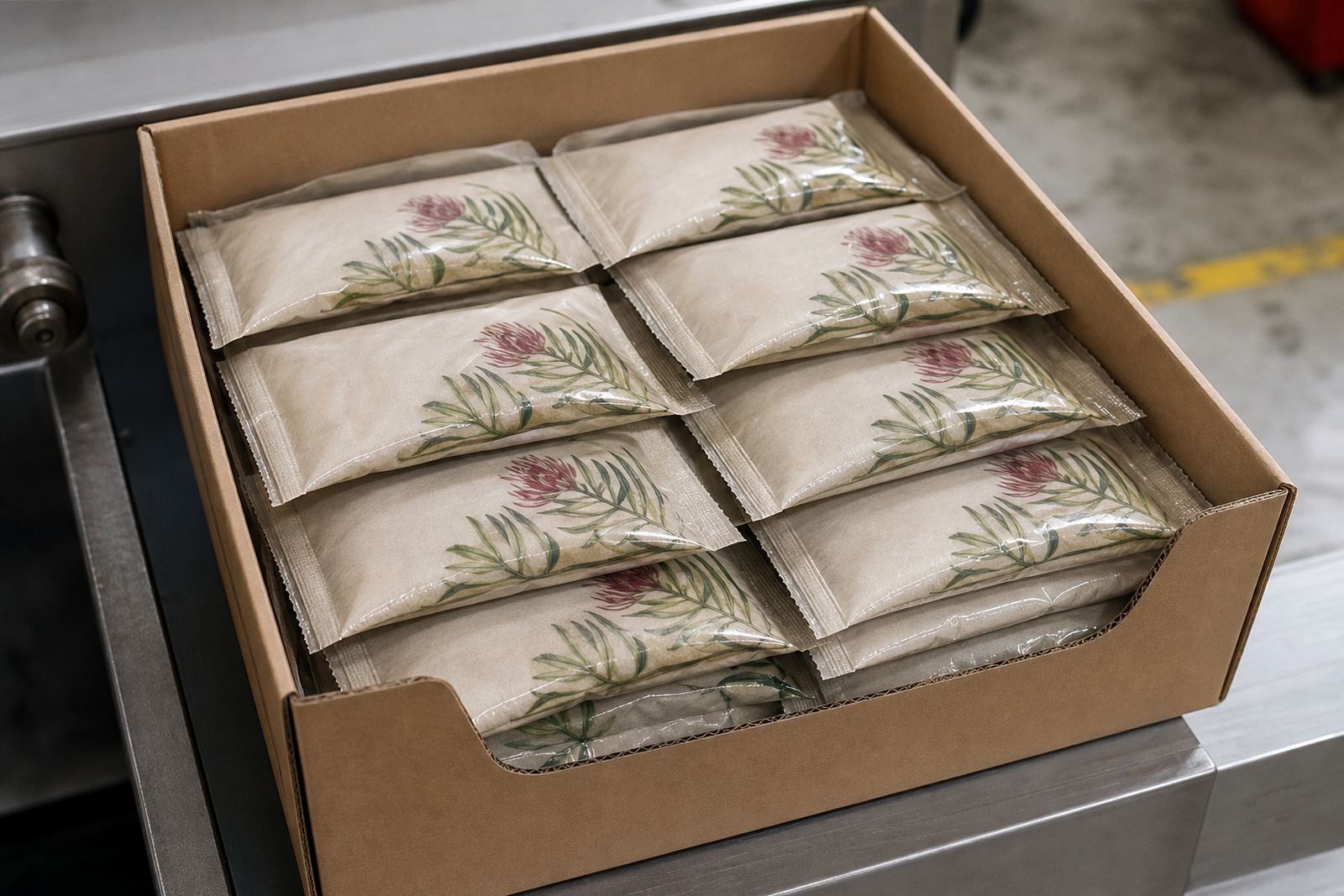
For businesses operating in Durban, Pinetown or inland distribution routes, pillow sachets are also handy because they use less pack area than larger pouch styles. That can make them easier to carton, palletise and ship. If your product is light in fill weight and does not need a stand-up presentation, this format is worth considering.
Sizes, film options and print details
Pillow sachets can be produced in different lengths and widths depending on the fill volume and the flow of the product. The finished size is usually set around the product weight, seal margins and the equipment that will fill or close the pack. For very small portions, the sachet can be narrow and short. For larger single packs, the body can be extended while keeping the same basic shape.
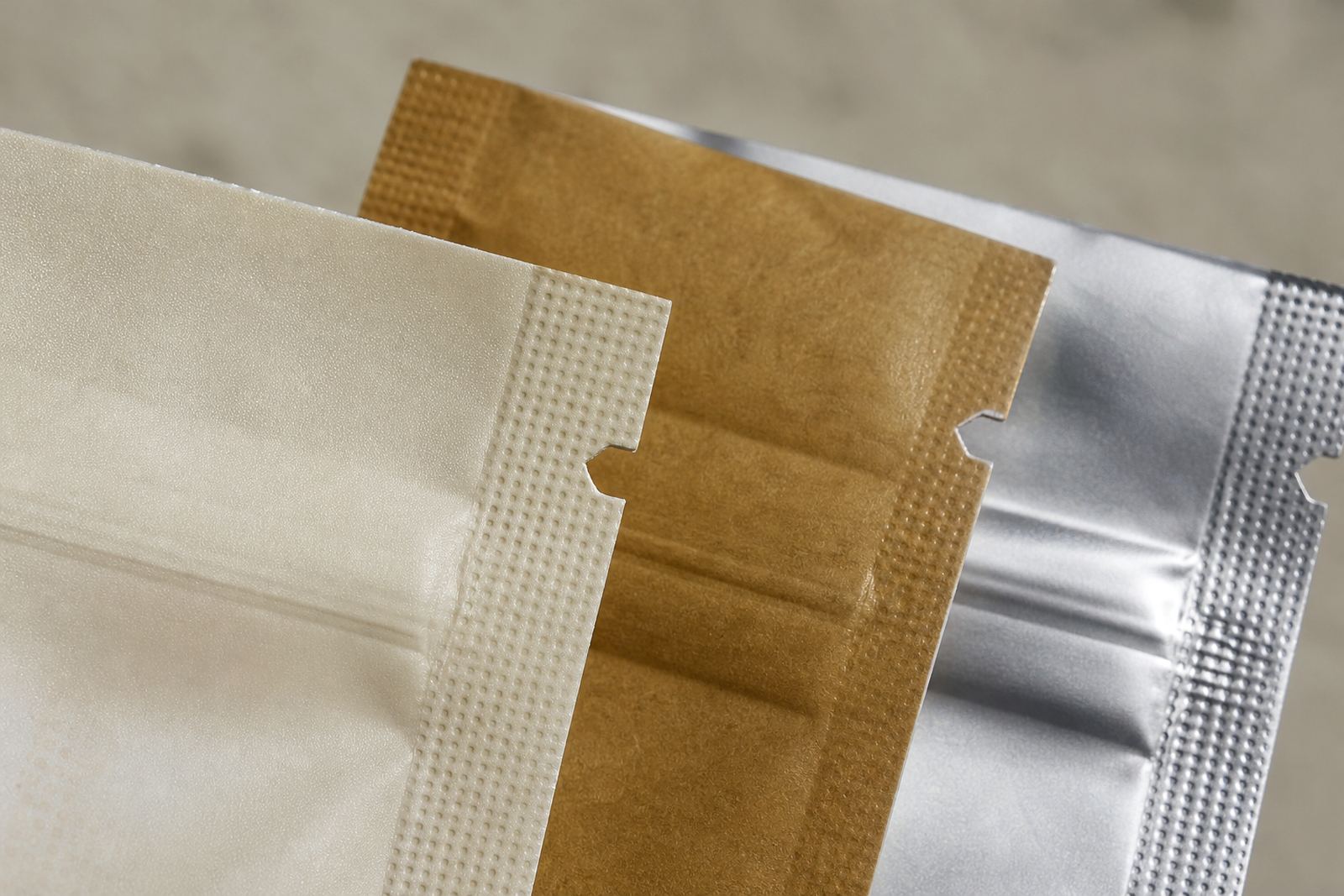
Common format choices include standard pillow sachets, easy-open tear notches, hang hole options and printed identification panels. Depending on the application, the material may be chosen for moisture resistance, barrier needs or basic cost control. Artwork can carry brand colours, dosage information, ingredient or usage notes, and a clean print area for batch coding.
- Typical use: single-serve or small portion packs
- Shape: sealed top, bottom and centre or back seam construction
- Print style: flexo printing on suitable film stock
- Options: tear notch, batch panel, hang hole, repeat artwork
- Run types: short runs and repeat production
If you need a specific look for supermarket shelves or contract packing, we can look at the film structure and artwork layout before production starts. This helps avoid cramped copy or seal interference. Small differences in width can affect how the sachet fills, so size planning matters from the start.
Where pillow sachets suit best
Pillow sachets suit products that are light, dry or portioned in small amounts. They are often used for powders, granules, condiments, wipes, supplements and sample units, though the final suitability depends on the product and the pack handling method. The format works well where the main requirement is a neat single pack rather than a rigid display pack.
They are a strong fit for businesses that need efficient packing and distribution across South Africa. A factory in Pinetown may be supplying Durban stores one day and Johannesburg distributors the next, so a compact sachet that packs well into cartons can save time at dispatch. The format also suits hospitality use, travel packs and promotional handouts where low unit weight matters.
- Retail sample packs
- Single-use food or dry ingredient packs
- Promotional packs for expos and roadshows
- Hospitality and travel portion packs
- Contract packing for local brands
For coastal areas such as Durban and Ballito, the film choice should be reviewed with humidity in mind. Products that absorb moisture or lose texture quickly may need a better barrier specification than a basic film. Inland routes to Pretoria or Bloemfontein can also call for stronger carton packing because of longer haul times and rougher handling.
Equipment, installation and utility needs
Pillow sachet production is generally suited to vertical or horizontal form-fill-seal operations, depending on the product and the line setup. The conversion stage and the filling stage need to match the sachet dimensions, seal design and material thickness. If the pack is too narrow or the fill is inconsistent, you can get weak seals or poor presentation.
Installation needs vary by production setup, but most lines will need stable power, clean compressed air where required, and enough floor space for film rolls, sealing equipment and finished pack collection. Load-shedding planning is worth considering in KwaZulu-Natal and Gauteng, especially if production runs need to stay on schedule. Some operations use backup power for critical equipment so that partial packs and wasted film are kept to a minimum.
Gas is not usually a direct requirement for the sachet format itself, but some filling or sealing setups may have heat control needs that rely on the specific line design. The best approach is to confirm the pack dimensions, fill method and sealing temperature range before production starts. That way the line can be set correctly and the artwork can be aligned to the actual machine repeat.
Care, storage and repeat production
Once printed and packed, pillow sachets should be stored in a clean dry area away from direct heat and damp floors. In coastal conditions, film and cartons need extra care because moisture can affect outer packaging and handling. Boxes should not sit against wet walls or in areas where rainwater can track in through loading bays.
For repeat orders, it helps to keep the approved artwork, sizing notes and production references consistent. That makes it easier to match colour, seal position and batch layout on the next run. If a product changes fill weight or ingredient structure, the sachet size and film choice should be reviewed again rather than carried over by assumption.
Routine checks should include seal quality, print clarity, notch placement and pack count per carton. If your supply chain moves between Durban, Johannesburg and Cape Town, those checks matter because transit time and storage conditions can vary quite a bit. A small issue at source can become a bigger one by the time the order reaches stores.
What to check before placing an order
Before you order pillow sachets, it helps to have a clear brief on the product, fill weight and how the pack will be used. The more exact the starting details, the easier it is to recommend the right width, length and film structure. If the sachet is going through a packing line, the machine settings should also be included.
- Product type and fill weight
- Pack width, length and any seal margin limits
- Print content, artwork layout and barcode needs
- Required tear notch, hang hole or batch panel
- Storage conditions and delivery towns
- Whether you need short run orders or repeat production
It is also worth checking how the sachet will be opened by the end user. If the opening point is awkward, the pack may look neat but perform badly in use. Ask for the artwork and seal position to be reviewed together. That saves time later and avoids rework, which is especially useful when you are running tight lead times or dispatching into several provinces at once.
Key facts
| Format | Pillow sachet, single-serve flexible pack |
|---|---|
| Print method | Flexo printing on suitable film stock |
| Typical use | Lightweight products, samples and portion packs |
| Size range | Set to product fill weight and seal margins |
| Options | Tear notch, hang hole, batch panel, repeat artwork |
| Supply area | Pinetown with delivery across South Africa |