
What barrier wraps do in a packed product line
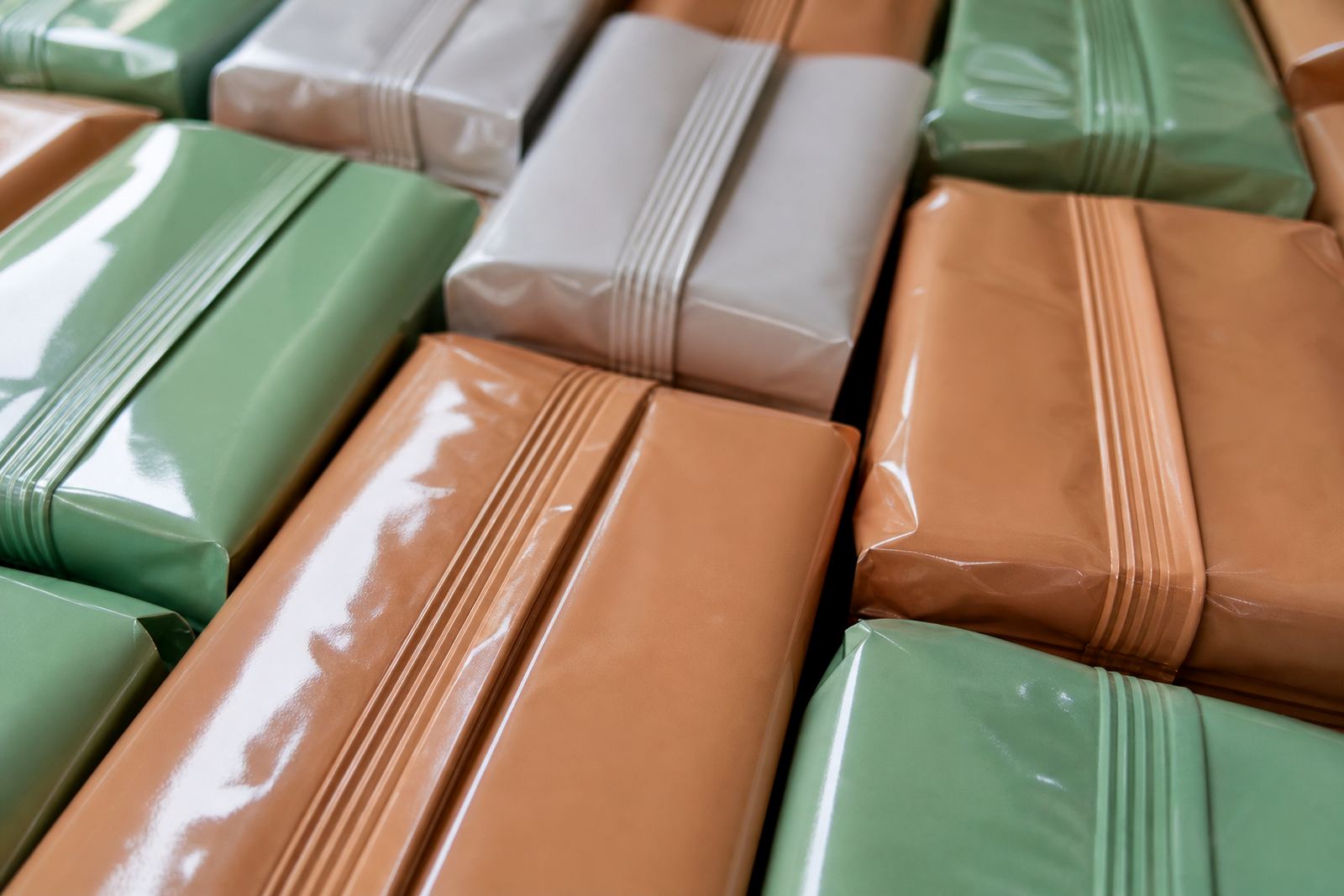
Barrier wraps are flexible packaging structures used around or over products that need more than a basic printed wrap. They help limit exposure to outside conditions during storage, stacking, transport and retail handling. In practical terms, that means a printed wrap can do its job while the material build helps protect the contents inside. For many brands this is useful when goods move between humid coastal areas, inland depots and mixed warehouse conditions.
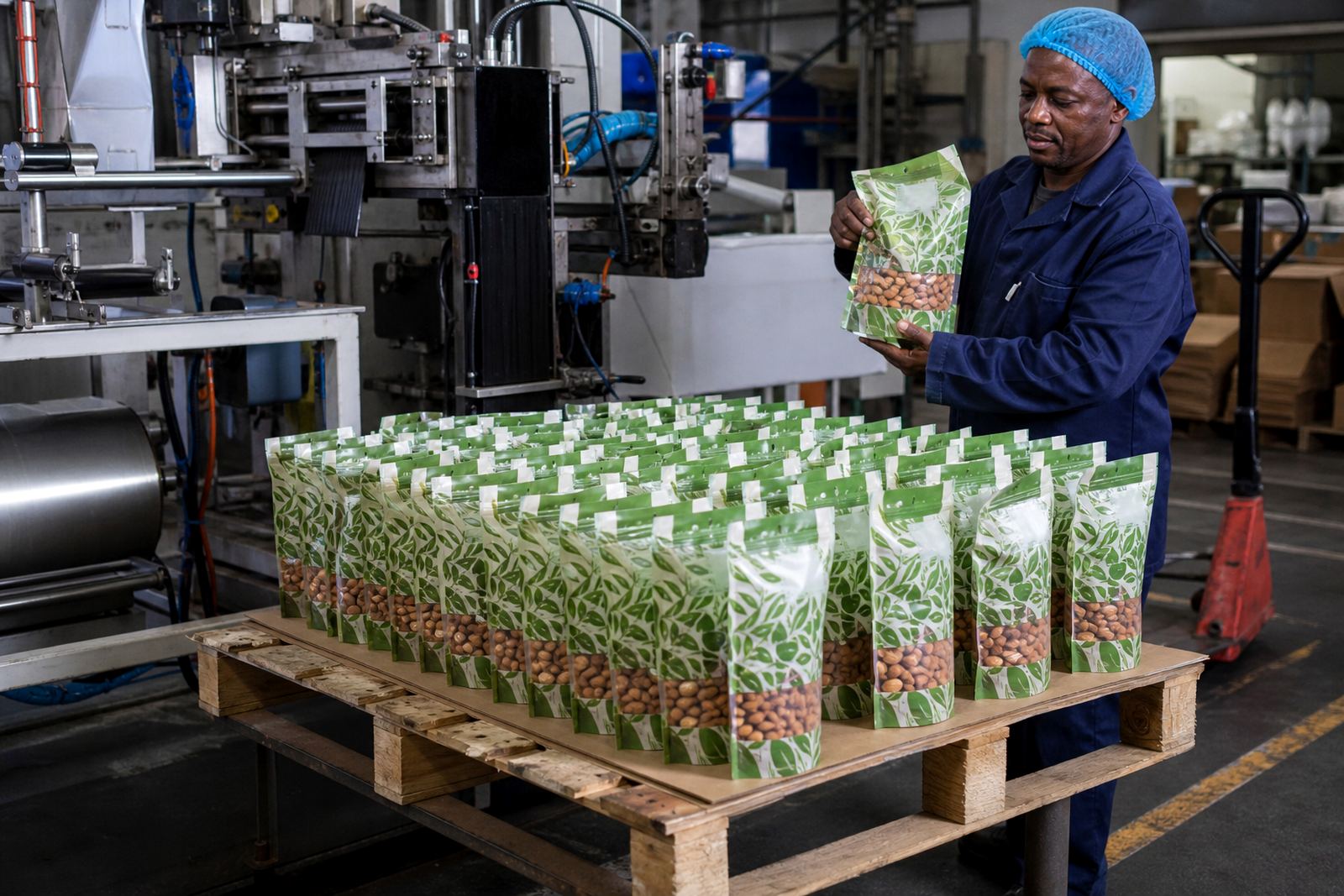
We supply flexo-printed barrier wraps for products packed in rolls or formed around a pack line. The exact structure depends on the product, the fill process and how the pack will be stored. Some jobs need a lighter build for short shelf cycles, while others need a thicker structure with better resistance to handling and moisture. Our team works through those choices with you before production starts.
- Suitable for products that need extra protection from outside conditions
- Printed with product details, branding and pack information
- Can be set up for manual packing or line-fed production
- Useful where transport and warehouse handling are part of the risk
Size and format options for different packs
Barrier wraps are made to suit the product size, pack shape and application method. We handle a range of widths, repeat lengths and roll formats, so the wrap can match the machinery or the packing method you are using. If you are filling by hand, the wrap can be cut or supplied in a format that is easier to manage. If you are running a faster line, the roll specs need to be set accurately so the material feeds properly.
Common format choices include flat wraps, gusseted rolls and structures prepared for heat sealing or cold sealing, depending on the pack requirements. We also consider print coverage, panel spacing and the amount of information that must fit on the wrap without crowding. It is often better to keep the layout simple and readable than to try force too much onto a small pack face.
- Roll widths matched to product and machine feed
- Repeat lengths set for consistent pack presentation
- Options for flat or formed wrap structures
- Short run orders and repeat production available
Where barrier wraps suit local products best
These wraps suit a wide range of local brands that need practical protection and clean presentation. They are often used for products moving through busy distribution routes from Pinetown to Durban, Johannesburg, Pretoria, Cape Town and Bloemfontein. The right structure helps keep the pack looking presentable after handling, which matters when products are displayed in wholesale, retail or foodservice channels.
Barrier wraps can suit products exposed to coastal humidity, warm storage areas or frequent dispatch cycles. They are also useful where stock is packed in batches and needs to remain neat through loading and reloading. For some customers, the main need is presentation. For others it is handling protection, and for many it is a bit of both.
- Retail packs needing tidy shelf presentation
- Products moving through high handling distribution chains
- Stock stored in warm or humid conditions
- Local brands dispatching across South Africa
Printing, material selection and proofing details
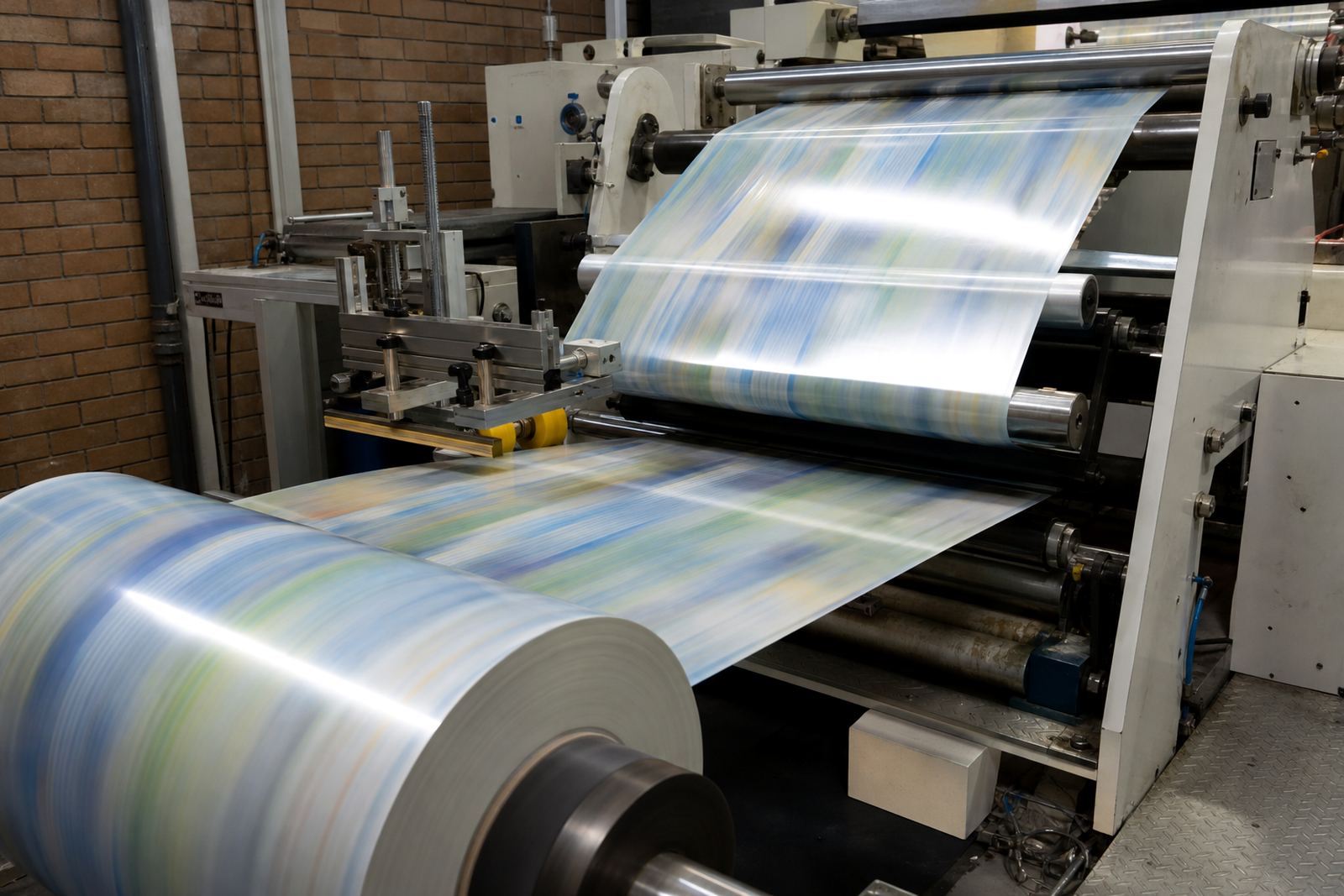
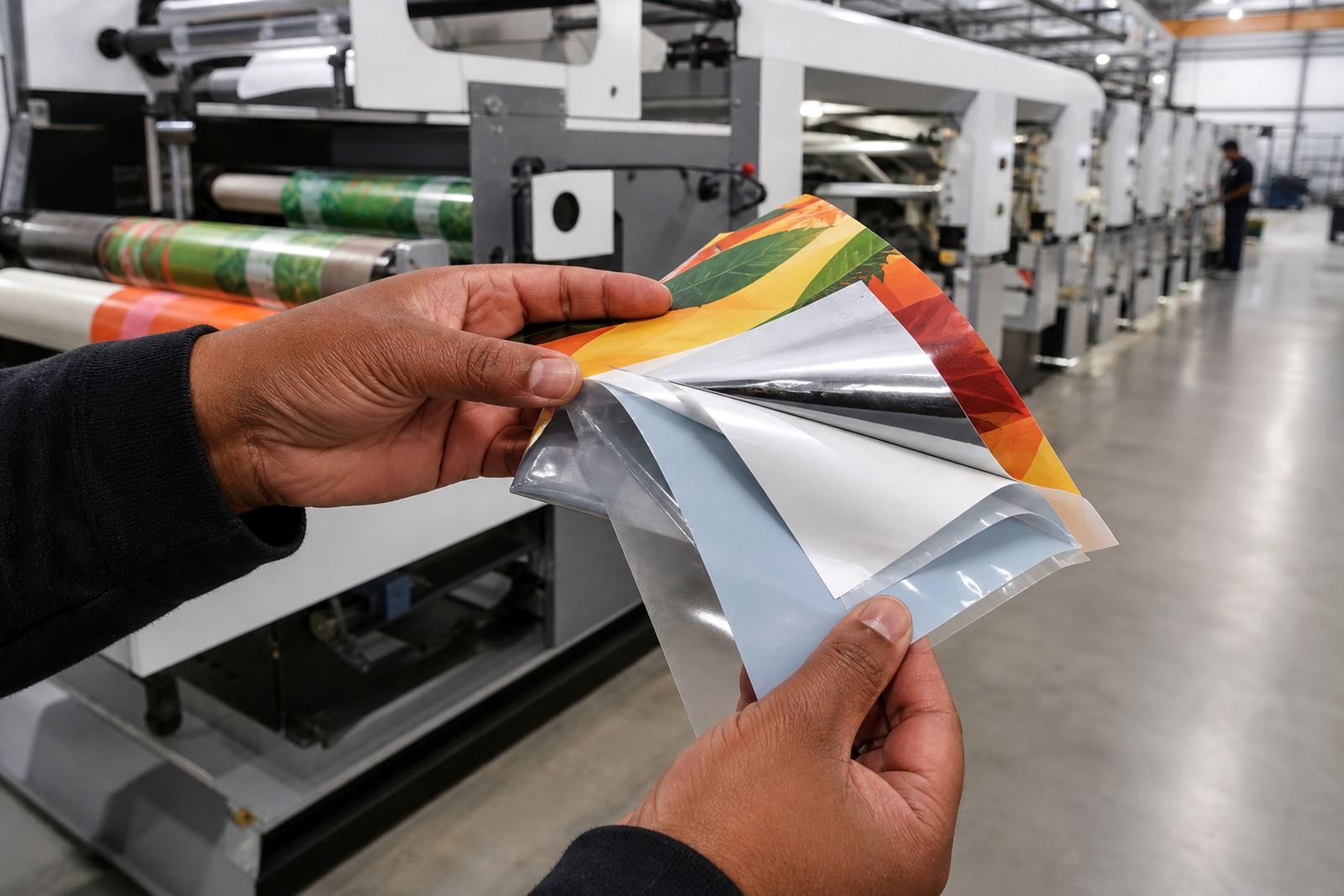
Flexo printing is suited to repeat packaging work where clarity and colour consistency matter. We set up the artwork, press colours and wrap structure together so the final pack works as a unit. Material selection depends on the product, the level of protection needed and the look you want on shelf. If the wrap needs a matte finish, stronger gloss or a clear information panel, that is planned before print starts.
Artwork prep and print proofing are important on barrier wraps because small layout errors become obvious once the job is running. Panel positions, overprint areas and cut lines all need to be checked. Our prepress process is aimed at keeping the job practical and print-ready, with good visibility for product name, pack size, use-by information and handling notes where needed. It is a proper fit for brands that want consistent results without guesswork.
- Flexo printing for repeatable pack runs
- Artwork prep to align text, panels and colour areas
- Print proofing before production release
- Colour matching for stable brand presentation
Installation, line setup and power or gas needs
Barrier wraps themselves do not need installation in the same way a machine does, but the pack structure must suit your sealing and filling setup. If your line uses heat, the sealing zone needs to be set for the chosen material build. If your packing is manual, the wrap needs to be easy to handle and seal without slowing the team down. We take those practical details into account when confirming the spec.
There is no special on-site power or gas requirement for the printed wrap supply itself. However, if your packing process uses heated sealing equipment, compressed air or gas-assisted systems, those conditions should be shared upfront so the wrap can be matched properly. Load-shedding can affect packing schedules too, so for many sites the best option is a wrap that performs reliably when production time is tight and changeovers must be kept short.
- Matched to heat seal, cold seal or manual pack methods
- No dedicated power requirement for the supplied wrap
- Tell us if your packing line uses gas, heat or air-assisted equipment
- Short setup notes help avoid delays during dispatch
Care, storage and repeat servicing
Barrier wraps should be stored clean, dry and away from direct sun while awaiting use. Keep pallets off damp floors and avoid crushing the rolls or stacks, especially in coastal areas where humidity can creep into storage areas. If the material is held too long in poor conditions, the roll can become harder to handle and sealing consistency may suffer. Simple storage discipline makes a difference.
For repeat production, we keep records of approved specs, artwork versions and production notes so the next run can be handled properly. That helps when a customer needs the same format again for a seasonal cycle or a replenishment order. We also help you review the pack if there were issues on the last run, whether the concern was print legibility, seal performance or handling on the line. Small fixes early save trouble later.
- Store in a dry, shaded area with good stack support
- Keep the rolls clean and wrapped until use
- Repeat orders can use approved production notes
- Report any seal or handling issue before the next run
What to check before ordering barrier wraps
Before placing an order, it helps to have the pack size, product type and filling method ready. We also need to know whether the wrap will be used on a manual line or a machine, and if there are any limits on roll diameter, core size or sealing temperature. The more practical detail you can give us up front, the better we can set the job and avoid waste.
Please also check your artwork content, barcode needs, pack claims and dispatch destination. If you are sending stock to Durban, Johannesburg, Pretoria, Cape Town or Bloemfontein, we can plan delivery timing around your production schedule. Our enquiry form on the contact page is the best place to start. From there, our team can confirm the spec and move the order forward without back-and-forth confusion.
- Pack size and expected fill weight
- Machine or manual application method
- Seal type, roll size and core requirements
- Artwork content, quantity and delivery town
Key facts
| Product format | Flexo-printed barrier wraps for flexible packaging |
|---|---|
| Common sizes | Custom widths, repeat lengths and roll formats |
| Material build | Selected to suit handling, storage and pack protection needs |
| Printing method | Flexographic printing with artwork prep and proofing |
| Typical use | Products needing added protection from external handling and conditions |
| Base and delivery | Pinetown, KwaZulu-Natal with delivery across South Africa |